wayground logo

Free Printable Worksheets

NEW

Font size

S
M
L
XL
Worksheets

Human Body Review

Total questions: 60

Worksheet time: 43mins

Name
Class
Date
1.
The smallest units or parts of living things; the body's building blocks.
a)
cells
b)
organs
c)
tissues
d)
system
2.
Your large and small intestines are part of this body system.
a)
nervous
b)
digestive
c)
muscular
d)
skeletal
3.
A collection of the same kinds of cells working together to do the same job.
a)
cells
b)
tissues
c)
organs
d)
system
4.
Which system is the heart in?
a)
Circulatory
b)
Digestive
c)
Cardiovascular
5.
What is the body system that sends and recieves electrical signals from the brain?
a)
Skeletal System
b)
Nervous System
c)
Muscular System
d)
Digestive System
6.

What body system produces blood cells for the body?

a)

Nervous System

b)

Digestive System

c)

Respiratory System

d)

Skeletal System

7.
What system controls voluntary and involuntary life functions?
a)
Nervous System
b)
Skeletal System
c)
Digestive System
d)
Respiratory System
8.
Why is the blood that flows from the lungs to the heart bright red?
a)
It has oxygen in it
b)
It has carbon dioxide in it
c)
It has food coloring in it
d)
It has waste in it
9.
What system allows motion in the body?
a)
Digestive System
b)
Stomach
c)
Musuclar System
d)
Veins 
10.
The blood vessels that carry blood away from the heart are called what?
a)
Veins
b)
Stomach
c)
Arteries 
d)
Lungs
11.
Which body system transports oxygen and nutrients through out the body?
a)
Muscular System
b)
Nervous System
c)
Digestive System
d)
Circulatory System
12.
What system receives oxygen and gets rid of carbon dioxide?
a)
Heart
b)
Muscular System
c)
Veins 
d)
Respiratory System
13.
Which body system transports oxygen and nutrients through out the body?
a)
Muscular System
b)
Nervous System
c)
Digestive System
d)
Circulatory System
14.
What system breaks food down into energy for the body?
a)
Stomach
b)
Digestive System
c)
Respiratory system
d)
Lungs
15.
Which of the following is in the correct order from smallest to largest?
a)
tissue-organ-system-cell
b)
cell-organ-tissue-system
c)
System-tissue-cell-organ
d)
cell-tissue-organ-system
16.
How does the circulatory system and the skeletal system work together?
a)
the circulatory system makes cells while the skeletal system transports the cells where the need to go
b)
the skeletal system makes cells while the circulatory system transports them where the need to go
c)
The circulatory system produces energy for the body and the skeletal system makes cells for the body
d)
The skeletal system digests food and the circulatory system brings air into the body
17.
How does the digestive system work with all other systems?
a)
The digestvie system transports blood to all the other systems
b)
The digestive system puts oxygen into the body
c)
The digestive system gives the body energy and nutrients
d)
The digestive system allows the body to move
18.
How does the muscular system and the skeletal system work together?
a)
The muscular system allows the body to stand up while the skeletal system allows the body to move
b)
The muscular system allows the body to move and the skeletal system gives the body a structure 
c)
The muscular system gives the body nutrients while the skeletal system gives the body blood
d)
The skeletal system makes cells whilte the muscular system eats them.
19.
How does the cardiovascular system and the respiratory system work together?
a)
The cardiovascular system transports oxygen around the body while the repiratory system gives the body oxygen
b)
The cardiovascular system makes cells while the respiratory system moves them where they are suppose to go.
c)
The cardiovascular system allows the body to have energy while the repiratory system makes cells
d)
The cardiovascular system transports nutrients around the body while the respiratory system brings oxygen into the body
20.
 What is the main function of the respiratory system?
a)
take in oxygen and exhale waste like carbon dioxide
b)
move nutrients throughout the body
c)
take in carbon dioxide and exhale oxygen
21.
 What is the main job of the digestive system? 
a)
break down foods into nutrients that can be used by the body
b)
take in oxygen and exhale waste like carbon dioxide
c)
pump blood throughout the body
d)
makes the body hungry
22.
The process by which the body breaks down food so that it can be used for energy.
a)
composition
b)
digestion
c)
deposition
d)
absorption
23.
A fluid in the mouth that helps digest food.
a)
pepsin
b)
pepsi
c)
saliva
d)
salty
24.
Provides additional enzymes(pancreatic juice) to help nutrients get absorbed by the small intestine.
a)
liver
b)
kidneys
c)
gall bladder
d)
pancreas
25.
a)
esophagus
b)
liver
c)
stomach
d)
pancreas
26.
a)
stomach
b)
pancreas
c)
large intestine
d)
small intestine
27.
The chewing and grinding of food into smaller pieces is an example of...
a)
Mechanical Digestion
b)
Chemical Digestion
28.
Gastric juices in the stomach digest food into a thick liquid.  This is...
a)
Mechanical digestion
b)
Chemical digestion
29.

Where does digestion begin?

a)

Our teeth

b)

Our stomach

c)

The esophogus

d)

Small intestines

30.
What stores bile?
a)
Colon
b)
Gall Bladder
c)
Small Intestine
31.
What is the definition for digestion?
a)
Breaking down food into smaller nutrients
b)
Getting rid of waste products
c)
Getting food into our bodies
d)
Getting nutrients into our bloodstream, so that our cells can use them
32.
Inhale!!!!
Your lungs are ___________  air
a)
taking in
b)
letting out
33.
EXHALE!!!
My lungs are __________________ air. 
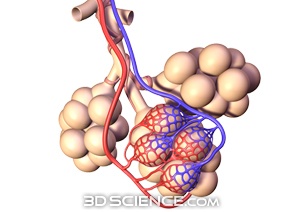
a)
taking in
b)
letting out
34.
What is the main function of the respiratory system?
a)
to provide oxygen and remove carbon dioxide from the body
b)
to bring oxygen to the body
c)
to break down food and absorb nutrients
d)
to remove oxygen from the body and deliver carbon dioxide
35.
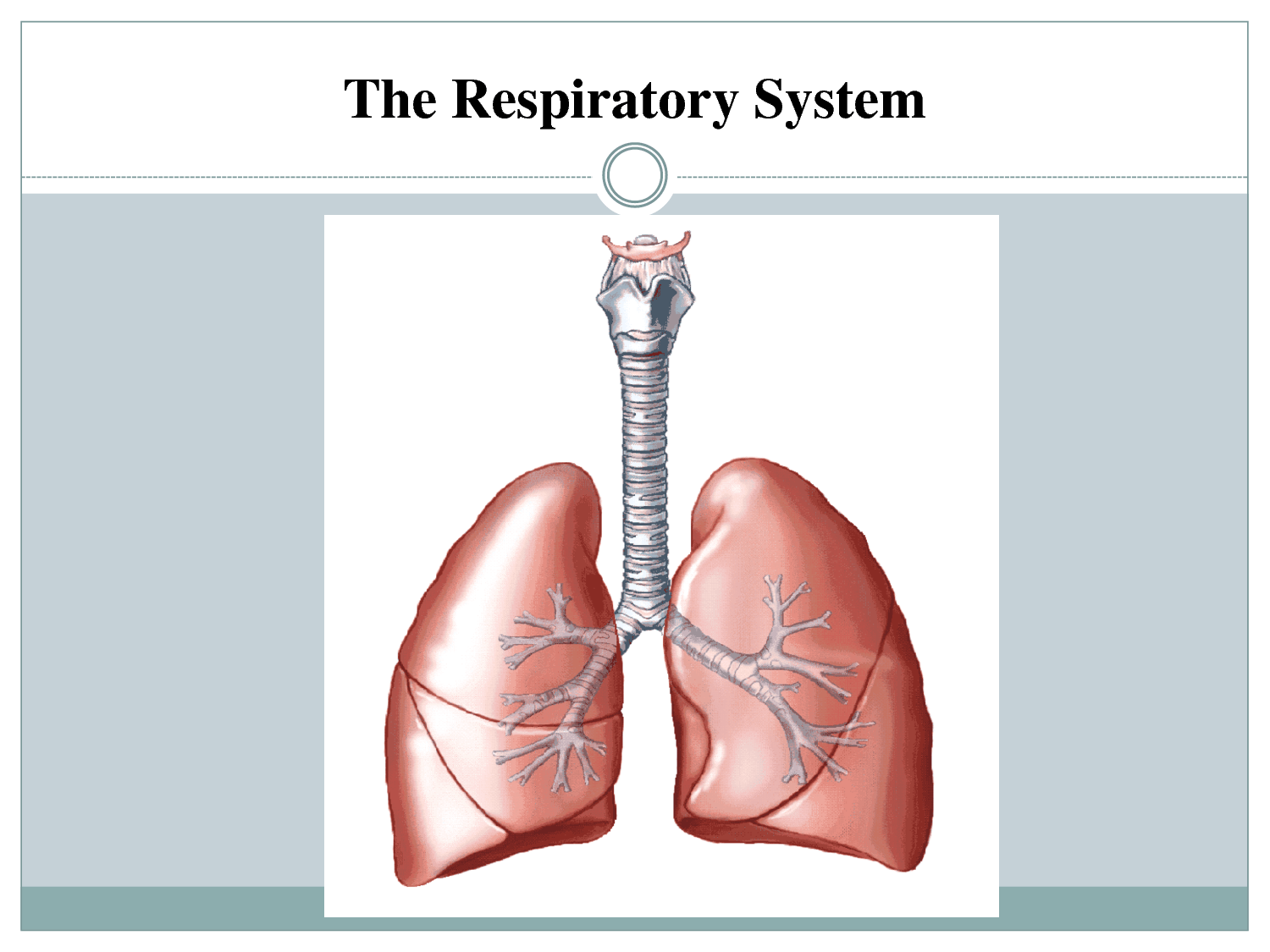
What are the main organs of gas exchange in the respiratory system?
a)
diapragm
b)
lungs
c)
trachea
d)
bronchi
36.
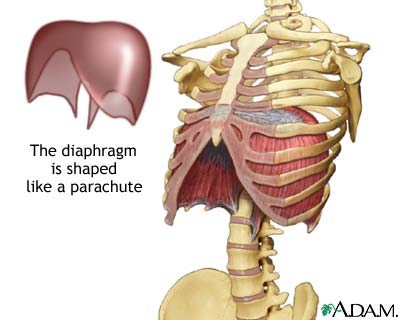
What is function of the dome-shaped diaphragm?
a)
This is where gas exchange happens.
b)
Air passes through the diaphragm on the way to the lungs.
c)
It attaches to the lungs to help in breathing.
d)
It is under the lungs and keeps them from falling down to your stomach.
37.
When you breathe, your lungs take in ___ and remove ___. 
a)
air/oxygen
b)
oxygen/carbon dioxide 
c)
carbon dioxide/waste 
d)
waste/air 
38.
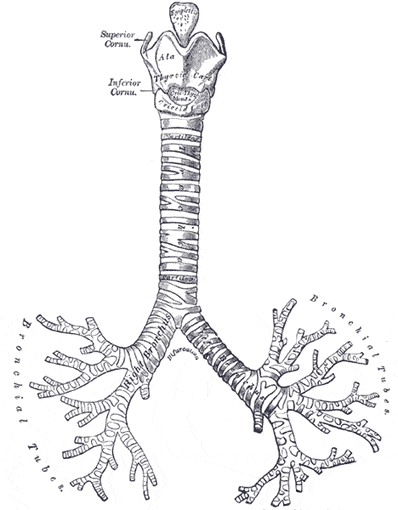
What is the function of the bronchi?
a)
Transport air from nose to lungs
b)
Transport air from trachea to lungs
c)
Transport air from lungs to alveoli
d)
Transport air from alveoli to blood
39.
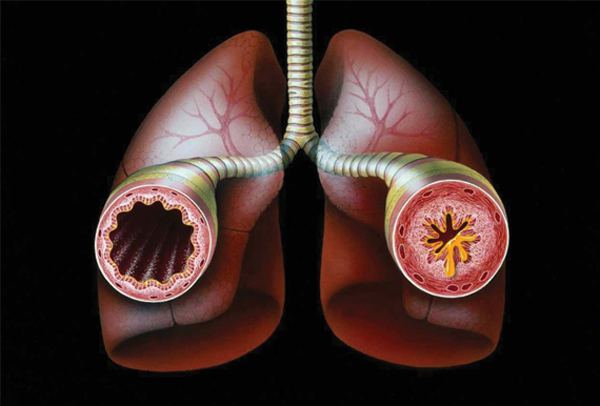
A disorder of the lungs called ____ causes the bronchi to become restricted (get smaller) so air can't get to the lungs.
a)
asthma 
b)
cold
c)
influenza 
d)
bronchitis 
40.
The two main branches from the trachea (one to each lung)
a)
bronchi
b)
alveoli
c)
capillaries
d)
bronchioles
41.
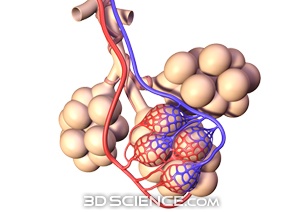
The air sacs that are covered with capillaries where gas exchange takes place
a)
bronchi
b)
lungs
c)
oxygen
d)
alveoli
42.
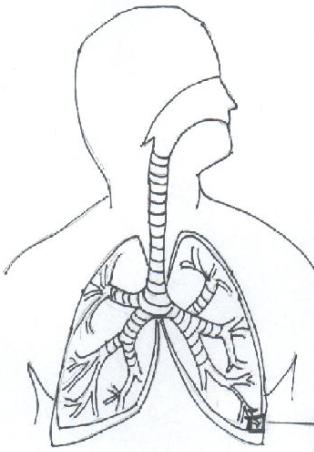
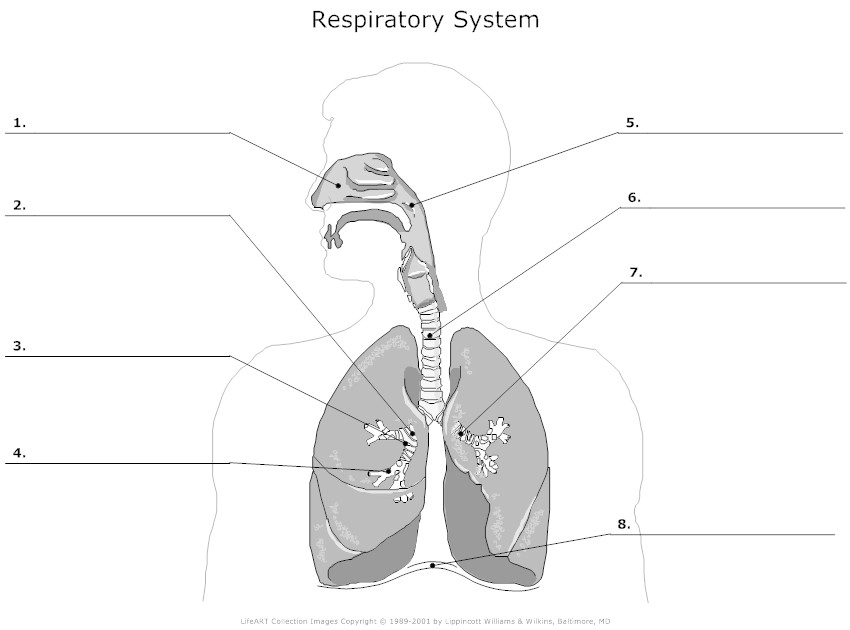
Name the organ label # 6. 
a)
alveoli 
b)
bronchi 
c)
trachea 
d)
lungs 
43.
Name the structure labeled 8 
a)
lungs 
b)
trachea 
c)
diaphragm 
d)
alveoli 
44.
Flap of skin that covers the opening to the windpipe during swallowing
a)
Stomach
b)
Trachea
c)
Pancreas
d)
Epiglottis
45.

What do all organisms need to survive?

a)

energy

b)

blood

c)

carbon dioxide

d)

soil

46.

Running is an activity that causes the cells in the muscular system to use oxygen at a faster rate. Which system responds by delivering more oxygen to these cells?

a)

digestive

b)

nervous

c)

circulatory

d)

endocrine

47.

What is the main function of the circulatory system?

a)

secrete enzymes

b)

digest proteins

c)

produce hormones

d)

transport materials

48.

Which gas is transported by the circulatory system in humans and is used by cells during respiration to release energy stored in food?

a)

carbon dioxide

b)

nitrogen

c)

hydrogen

d)

oxygen

49.

State one reason why blood at location B contains more oxygen than blood at location A.

a)

because blood at location A goes to the lungs

b)

because blood at location A comes from the lungs

c)

because blood at location B comes from the lungs

d)

because blood at location B goes to the lungs

50.

The human body has specialized cells, such as white blood cells, to help protect it from many diseases. Describe what these specialized cells do to protect the body from the disease.

a)

they carry oxygen

b)

they fight and destroy germs

c)

they give blood its color

d)

they clot when we get a cut

51.

Select the structure and explanation of how it contributes to the way the human system functions.

a)

heart replaces carbon dioxide with oxygen

b)

blood vessels transport nutrients and oxygen

c)

heart replaces oxygen with carbon dioxide

d)

blood vessels pump heart rate

52.

The diagrams show models of the circulatory systems of a fish and frog.

A student compared these diagrams. The student found that each of these organisms had a heart to pump blood. Which statement is supported by the student’s findings?

a)

Some organisms are composed of one cell, while others are multicellular.

b)

Many multicellular animals have similar organs and specialized systems.

c)

The circulatory system in most organisms removes solid wastes from their bodies.

d)

All animals have identical circulatory systems.

53.

The Integumentary System helps the body to regulate it's __________________________.

a)

strength

b)

temperature

c)

vitamins

d)

hair growth

54.

The skin helps to ________________ the body.

a)

protect

b)

cover

55.

Which is the largest organ in our body?

a)

Sweat glands

b)

Hair

c)

Nails

d)

Skin

56.

Which has a root and follicle at the end?

a)

Sweat glands

b)

Hair

c)

Nails

d)

Skin

57.

Which helps cool your body down?

a)

Sweat glands

b)

Hair

c)

Nails

d)

Skin

58.

Where does our skin get the Vitamin D it produces?

a)

Skin

b)

Sunlight

c)

Bones

d)

Food

59.

What are the 3 layers of the skin?

a)

Epidermis, dermis, hair

b)

Dermis, hypo dermis, nails

c)

Epidermis, dermis, fatty layer

60.

What rises to the epidermis and becomes dead cells?

a)

Hair

b)

Skin cells

c)

Nails

d)

Sweat glands