
 Worksheets
Question Bank for Grade 6 Science
Total questions: 141
Worksheet time: 4hrs 8mins
The visible part of the Moon becomes larger (a)
The visible part of the Moon becomes smaller (a)
What causes our days and nights here on Earth?
The rotation of the moon
The rotation of the Earth on its axis
The revolution of the Moon
The revolution of the Earth
What is Earth's axis?
An imaginary line through the center of the Earth
A metal pole through the center of the Earth
The way the Earth revolves
The way the moon revolves
What causes the Earth's seasons?
The revolution of the Earth around the Sun
The way the Earth spins on it's axis
The way the Earth is tilted on it's axis in relation to how it revolves around the Sun
The way the Moon revolves around the Sun
If the Moon doesn't emit its own light, how can I see it at night? (a)
If the alignment is Earth - Moon - Sun, what phase of the moon will we see (a)
Why does Earth stay in its orbit around the Sun? (a)

What is this a picture of? (a)
Waxing gibbous, Waning crescent, and First quarter are all examples of what? (a)
The Northern Hemisphere is tilted toward the Sun during the months of June,July, and August.What season would be occurring? (a)

The time it takes Earth to make one revolution around the Sun is about one (a) .
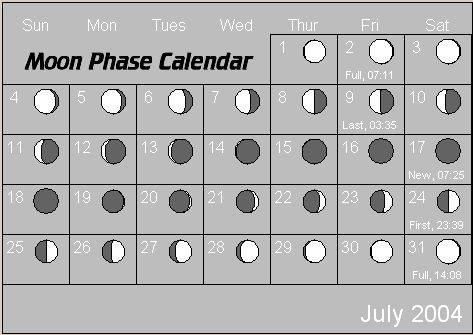
Which phase is shown on July 31,2004? (a)
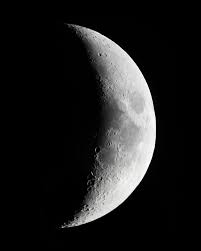
Name the moon phase (a)
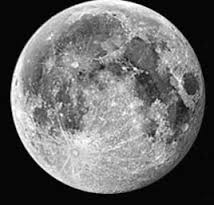
Name the moon phase (a)
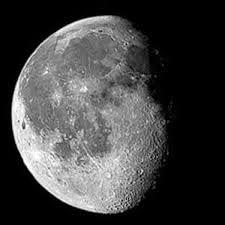
Name the moon phase (a)

Name the moon phase (a)
When the northern hemisphere (where we live) is tilted TOWARD the sun, what season are we in? (a)
From Earth we only see one side (the same side) of the moon all the time. (a)

In order to have an eclipse, the Moon, Sun and Earth have to be? (a)


True or False: You must wear your eclipse goggles at all times except during totality due to safety reasons. (a)
What is the source of heat and light in our Solar System? (a)
The path one object takes as it revolves around another object in space is called: (a)
Does the Earth revolve or rotate around the Sun? (a)

Which statement best explains why different phases of the Moon can be observed from the Earth?
The size of the Earth's shadow falling on the Moon changes.
The Moon moves into different parts of the Earth's shadow.
Differing amounts of the Moon's sunlit surface are seen because the Moon revolves around the Earth.

The time required for the Moon to complete one cycle of phases is about one...
(a)

The diagram below shows the Moon orbiting Earth as viewed from space above the North Pole. The Moon is shown at eight different positions in its orbit. (a)

The graph shows the change in tide heights of the Hudson River at Newburgh, New York. According to the graph, the time difference between high tide and the next low tide is approximately (a)

Which of the following best describes the tilt of the earth during the spring and fall equinoxes?
The earth is tilted away from the sun (Northern hemisphere)
The earth is tilted neither toward or away from the sun (tilt is side to side)
The earth is tilted toward the sun (Northern hemisphere)
The earth is not tilted during spring and fall

Which illustration demonstrates rotation? (a)

Which two letters represent winter? (a)

What event does the diagram show? (a)
Why do we not experience eclipses every month? (a)

What happens when the Earth passes between the sun and casts a shadow on the Moon?
Nothing special.
A lunar eclipse.
The moon appears full at night.
The moon appears to only be halfway lit.
When the northern hemisphere is tilted away from the sun, it is (a)
Which is most likely caused by the tilt of Earth on its axis as it revolves around the sun?
lunar eclipse
phases of the moon
two high tides and two low tides each day
opposite seasons in the Northern and Southern Hemispheres

Lunar eclipse
solar eclipse

What type of eclipse is this? (a)
Which position must the moon be in to produce a solar eclipse?
Earth must be between the moon and the sun
The moon must be in a direct line between Earth and the sun
The moon must be in the first quarter, with Earth tilted on its axis
Earth and the moon must both be tilted on their axes in the same direction
Which is an example of a revolution?
Earth circles the sun
Large bodies of water periodically rise and fall
Earth turns on its axis

Because it is closest to the sun.
Because it receives the most direct sunlight
Because no clouds form here.
Because it is far from the sun
Models are helpful to scientists because
scientists use them to explore ideas.
they are the real thing.
they are easy to move from one place to the
next.
they show data needed for an investigation.
What is a pattern?
something we can observe periodically
something we can observe more than three
times
something we can observe over and over again
something we can only draw
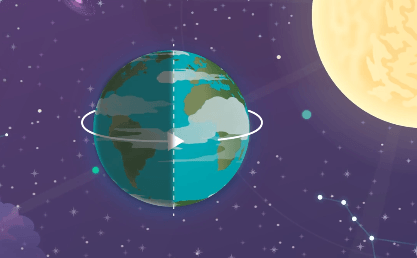
This model shows us that when the Earth face the sun we experience (a)
What can happen when Earth, the Sun, and the Moon line up in a straight line?
A. a reversal in the orbital direction
B. decreased planetary rotation
C. a lunar or solar eclipse
D. a change in the types of Moon phases

The diagram below is of Earth as the Sun's rays flow toward it.Which is receiving the most heat from the Sun's rays? . (a)
The imaginary line through Earth that extends from the North Pole to the South Pole and is the center of Earth’s rotation (a)
A phenomenon or process that involves multiple steps and repeats itself (a)

This map shows tornado activity in the United States between 1950 and 1998. Based on the data provided by this map, which of the following cities would be most likely to experience a tornado with a rating of F3 or greater in the next year? (a)

Where does hurricane Ian hit as a category 4 hurricane? (a)

The ring of fire is where the pacific plate meets other tectonic plates at a tectonic plate boundary. What are the risks living on the shores of the Ring of Fire? (choose all that apply)
Blizzards
Earthquakes
Volcanoes
Tsunamis
Snowstorms

This map shows where earthquakes have been detected in the past 10 years. Many earthquakes have been detected in the area of the earth that surrounds the Pacific Ocean. Which claim best supports why earthquakes are common in this area?
Earthquakes cause cracks in the tectonic plates
Earthquakes only occur in the middle of a tectonic plate
Tectonic plates break apart at fault lines
Plate movements cause earthquakes near plate boundaries

What are the dangers during close proximity to a volcanic eruption? (choose all that apply)
Poisonous gases
Falling Ash
Fast moving lava
Erratic Rainfall
Earthquakes
A seismograph can be used to measure and study what? (check all that apply)
Volcanic Eruptions
Wild Fires
Tsunamis
Flash Floods
Earthquakes
(a) floods are floods that happen very (b) with a (c) in the (d) level.
Huge waves of water that crash on shore after under water disturbances
Tsunami
A small storm formed over land that usually only last for a few minutes
Tornado
When Magma beneath the Earth's crust heat and pressure builds and it pushes out
Volcanoe
Huge Spinning storm that form over warm ocean water
Hurricane
Happens when part of the solid ground beneath the surface suddenly shifts
Earthquake
What is a seismologist?
A scientist who studies earthquakes
A doctor who specializes in treating injuries caused by earthquakes
A geologist who studies the structure of the Earth
An engineer who designs buildings to withstand seismic activity
Which picture better relates to "Tsunami"?


Which picture better relates to "Landslide"?


Rocky and small
Gaseous and large
Metallic and medium-sized
Icy and tiny
Very large and made of gases
Small and made of rocks
Far away and made of ice
Close to the Sun and made of dust
What holds the planets in their orbits around the sun? (a)
Which object has the most gravity? (a)
The first planet of the solar system? (a)
The hottest planet is (a)
The largest planet is (a)
The fourth planet is (a)
Neptune comes after (a)
The planet that has the most rings (a)
This planet comes after Saturn (a)
This is no longer a planet (a)

Models of the solar system with Earth at the center are called (a) models.

Models of the solar system with Sun at the center are called (a) models.
How many known planets are in our solar system?
Between the orbits of what two planets is the asteroid belt located?
The asteroid belt is located between the orbits of Earth and Mars.
The asteroid belt is located between the orbits of Jupiter and Saturn.
The asteroid belt is located between the orbits of Saturn and Uranus.
The asteroid belt is located between the orbits of Mars and Jupiter.
Because Pluto has not cleared its orbital path of debris, it was reclassified from a planet to a . . . (a)
Which property makes Earth unique compared to other planets in the solar system? (a)
What is the correct order of the planets in the Solar System, starting closest to the Sun?
Mars, Mercury, Earth, Venus, Jupiter, Saturn, Uranus, Neptune,
Mercury, Venus, Earth, Mars, Jupiter, Saturn, Uranus, Neptune
Mercury, Mars, Venus, Earth, Jupiter, Saturn, Uranus, Neptune,
Mercury, Venus, Earth, Mars, Jupiter, Neptune, Uranus, Saturn
Which is the eighth planet from the Sun and orbits the Sun once every 164.8 years and is blue in color? (a)
Which planet is home to the tallest mountain , has the largest dust storms in the solar system and is also known as the 'Red Planet' because of the presence of iron oxide in it's rock. (a)
Name for region containing all 8 planets, the sun, asteroids, and other celestial objects? (a)
The curved path in which a planet, satellite, or spacecraft moves in a circle around another object. The path one object takes around another. (a)
Any object with mass has gravity. (a)
Two factors effecting the magnitude of the force of gravity between 2 objects
are (a)
mass & distance
Temperature & speed
Size & shape
Most likely due to a massive collision, this planet rotates from top to bottom. (a)
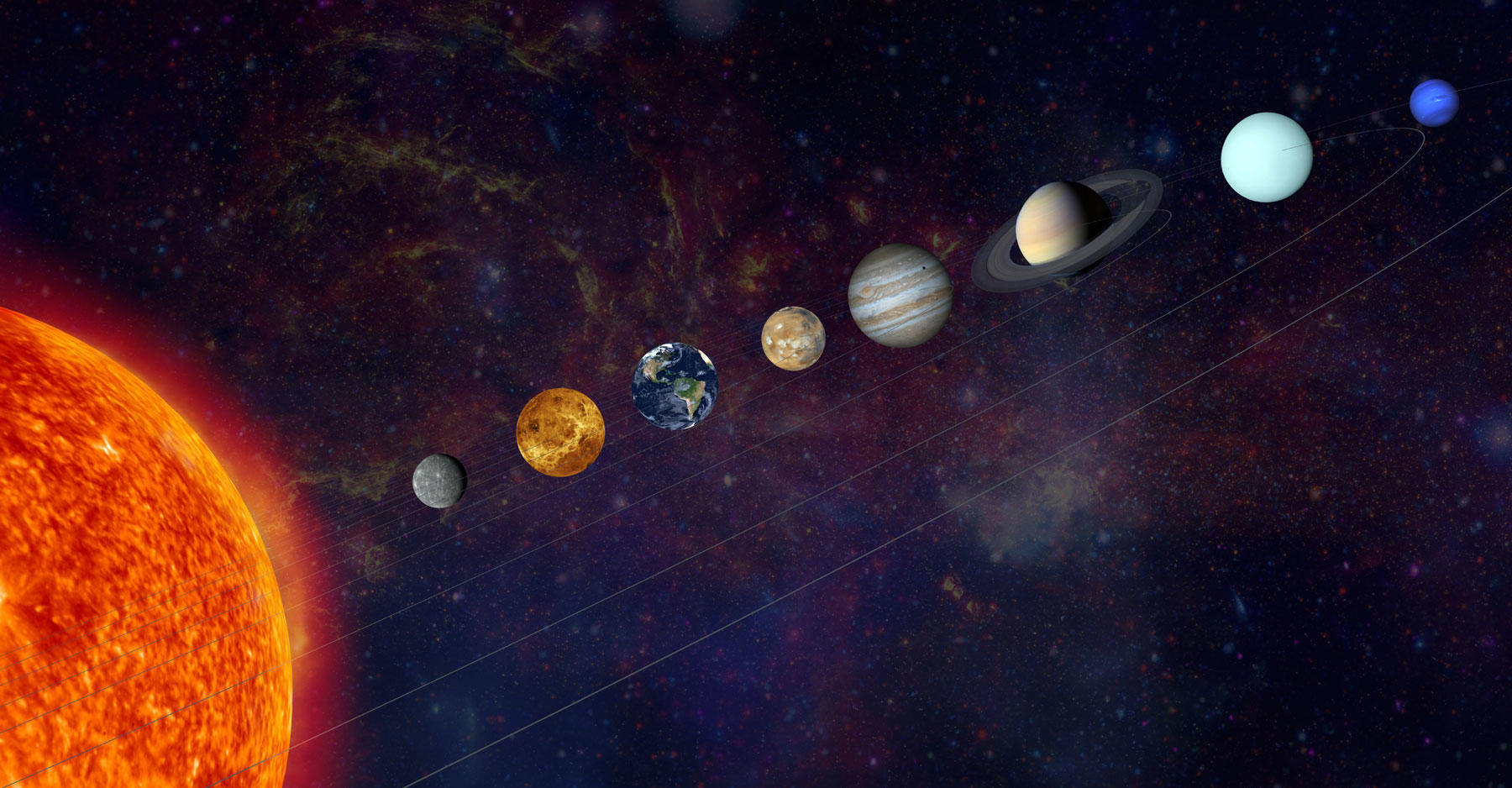
True or FalseThe planets are all equally distanced from each other. (a)
I take the longest to orbit the Sun. (a)
What planet has the Great Red Spot? (a)
There are nine planets. (a)
Does Venus have a moon? (a)

In what region can Pluto be found? (a)

Which of the following are in our solar system?(pick more than one answer)
planets
multiple stars
moons
asteroids
comets
Large metallic objects that are clustered in bands called belts (a)
How can you tell the difference between moons and planets?
moons are smaller than planets
planets have life, moons do not
planets orbit around stars, moons orbit around planets
planets have rings
A student made a model of how the planets orbit the sun. She used a tennis ball to represent the sun. She used ping-pong balls to represent each planet and painted each one a different color. Then, she placed all the ping-pong balls equal distances apart in a line extending out from the sun.
What are two limitations of the student's model? (Limitations are things about the model that limit its accuracy.)
She used the same size balls to represent the planets.
She made planets orbit the sun.
The planets are not the correct distances from the sun.
The solar system can't be modeled using actual objects.

This model shows...
the size differences among the planets accurately.
the distance between the planets accurately.
the composition of the planets correctly.
Why do scientists use scale models to study the Solar System?
The solar system is too large to study without using models
The solar system is too small to study without using models
Scientists don't need to use models because we have satellites
All of these options are true
Why is making a model of the solar system difficult?
Don't have the right materials
The solar system is so big and the objects in it are so small in comparison
There are too many parts in a model
Because the science concepts are too difficult

What planets year (Period of Revolution) is shorter than its day (Period of Rotation)? (a)
One similarity between asteroids, comets and meteoroids is that they all:
are made of the same materials
come from the Asteroid Belt
have long tails that follow behind them
orbit the sun

The moon is a natural (a) of Earth.


Where is the the Oort Cloud located? (a)

What process in the Sun creates energy? (a)
What is the center of our solar system? (a)
Which one takes 24 hours? (a)
What describes the earth going around the sun? (a)
This is the first planet from the Sun; it is very hot in the day and very cold in the night. (a)
What are large chunks of rocks and metal in space? (a)
The fourth planet from the Sun; also known as the "red planet." (a)
The sixth planet from the Sun; known for its large rings. (a)
This is the eighth (last) planet from the Sun; it is deep dark blue in color. (a)
These are the 4 planets (Mercury, Venus, Earth, Mars) are known as (a)
These are the four planets the Sun; Jupiter, Saturn, Uranus, and Neptune are classified as (a)
Where is the Asteroid Belt located in the Solar System? (a)
Which planet has the most gravity? (a)
What factor causes one planet to have more gravity than other planets
The planets mass
The planets size
Terrestrial planets have more gravity
Gas giants have more gravity
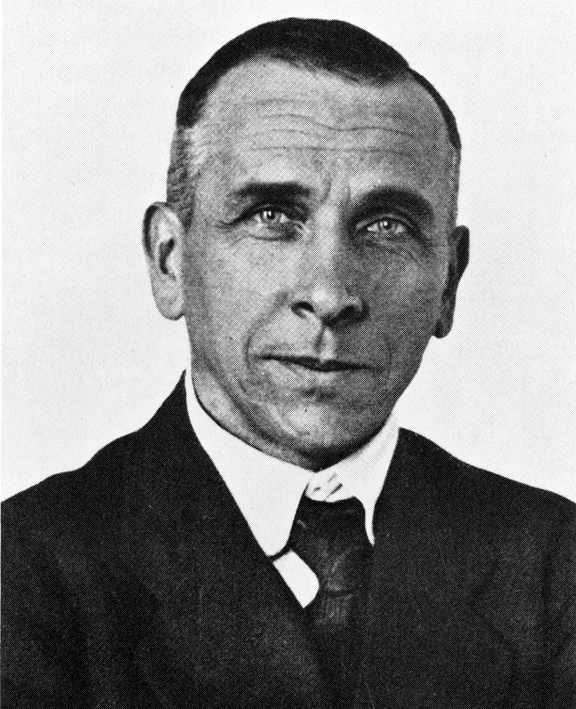
Who is the person credited with developing the theory of continental drift? (a)
The supercontinent in the continental drift hypothesis was called (a) .
What hypothesis states that the continents were once joined to form a single supercontinent? (a)
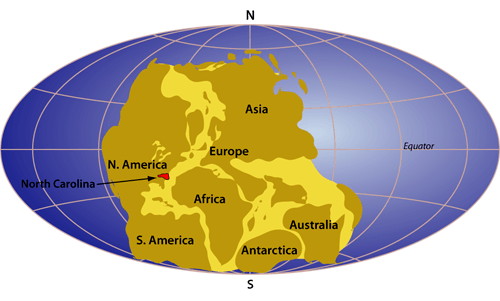
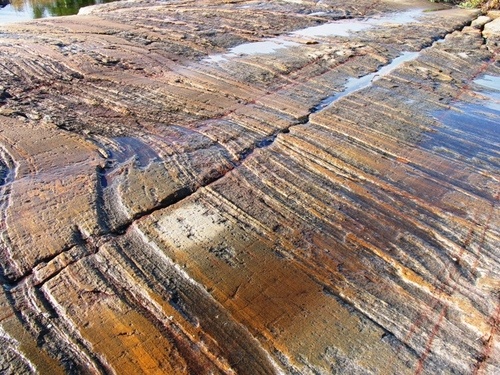
What is this a picture of? (a)
What two specific continents fit together most noticeably? (a)
What is the area where two tectonic plates meet called? (a)
What type of boundary is formed when plates collide? (a)
What type of boundary is formed when plates separate? (a)
What type of boundary is formed when plates slide past each other? (a)
Which type of plate boundary would cause folded mountains to form? (a)
The Great Rift Valley in Africa and the Mid-Atlantic Ridge were both created by this type of plate boundary. (a)
What are the two types of crust? (a)
Earthquakes and volcanoes are most likely found in which locations? (a)
Transform boundaries are most likely to produce what phenomenon? (a)
When an oceanic plate and a continental plate collide, which one will subduct? (a)
A rift valley forms at a (a)
A collision between two pieces of continental crust at a converging boundary produces a (a)

