
 Worksheets
Human Body System Review Quiz
Total questions: 106
Worksheet time: 58mins
what is the process of taking food into the body?
digestion
swallowing
ingestion
chewing
The PRODUCTS of cellular respiration are (select all that apply)
oxygen
carbon dioxide
water
glucose
Which of the following types of blood vessels have valves to help manage blood flow in one direction?
Arteries
Capillaries
Veins
The respiratory system is made up of which of the following organs?
brain, nerves and spinal cord
cells, lungs and heart
esophagus, stomach, small intestine
mouth, nose, trachea, lungs
Mashing with teeth and stomach churning are examples of
chemical digestion
peristalsis
mechanical digestion
propulsion
The nervous system is made up of which of the following organs?
brain, nerves and spinal cord
cells, lungs and heart
heart, blood vessels and blood
skin, tissues and muscles
Which system does each organ belong in?
-Heart
Respiratory System
Cardiovascular System
Which system does each organ belong in?
-Lungs
Respiratory System
Cardiovascular System
A group of organs that take in oxygen and get rid of carbon dioxide. This uses respiration which is breathing.
Lymph
Blood
Respiratory System
which organ processes bad chemicals and toxic substances in the body?
Liver
Gallbladder
Heart
Appendix

Name the cells
Muscle Cells
Nervous cells
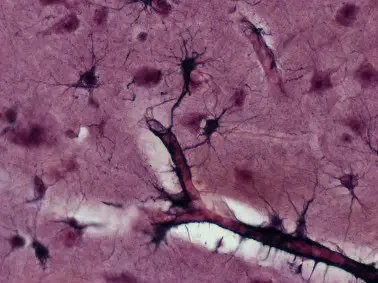
Name the cells
Epithelial Cells
Muscle cells
Nervous cells
Blood cells
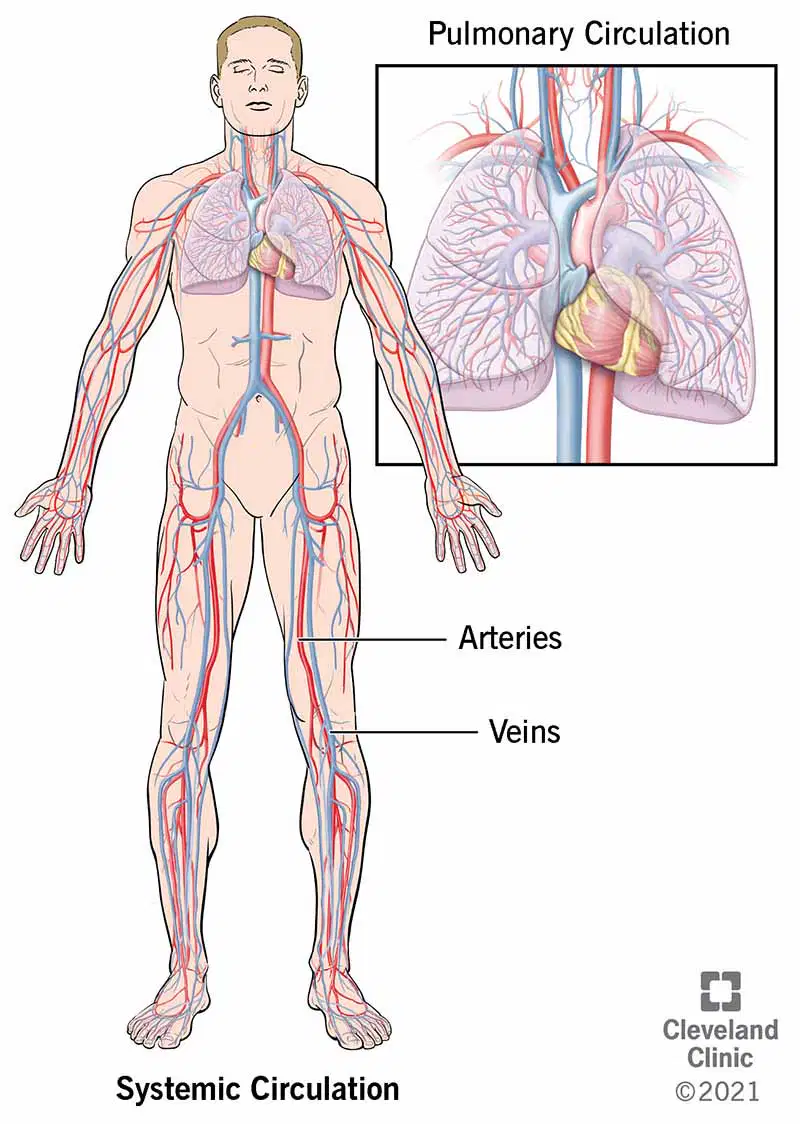
What system is pictured?
Circulatory system
Cardiovascular system
Vascular system
Body systems
Which of the following are considered macronutrients for humans?
vitamins
carbohydrates
lipids
minerals
protein
Which of the following molecules are broken down throughout the digestive system?
Nucleic Acids
Lipids
Proteins
Carbohydrates
The passageway of food through the digestive system is called what?
Simple digestive system
Gastrointestinal (GI) Tract
Digestive Track
MESI:
(Mouth, Esophagus, Stomach, Intestines)
What enzyme is found in saliva that starts digesting carbohydrates?
amylase
chyme
pepsin
bile
Choking occurs when the ________ directs food down the windpipe instead of the _______.
epiglottis; trachea
epiglottis; esophagus
gallbladder; trachea
gallbladder; esophagus
This occurs when nutrients leave your digestive system and move into your bloodstream.
Diffusion
Absorption
Osmosis
Chemical Breakdown

In the picture, the small green structure, which was absent in the rat but responsible for storing bile in humans, is the
liver
pancreas
gallbladder
epiglottis
Mashing with teeth and stomach churning are examples of
chemical digestion
peristalsis
mechanical digestion
propulsion
What type of digestion is occurring in the mouth?
chemical digestion
mechanical digestion
both chemical and mechanical digestion
neither chemical nor mechanical digestion

What is the name of the projection coming off of the large intestine?
Appendix
Cecum
Colon
The inputs of cellular respiration are (select as many as needed)
Carbon dioxide
Light
Oxygen
Sugar
_____ are the site where Oxygen and Carbon Dioxide exchange inside the lungs.
Alveoli
Trachea
Bronchi

During the process of inhalation, which muscle increases the vertical dimension of the thoracic cavity (lungs)?
external intercostals
internal intercostals
serrateous anterior
diaphragm
Region of the nose
Nasal Cavity
Oral Cavity

What is structure C?
true vocal cords
epiglottis
glottis
false vocal cords

The ________ is a sheet of muscle that spreads across the bottom of the rib cage.
Pharynx
Trachea
Diaphragm
Larynx
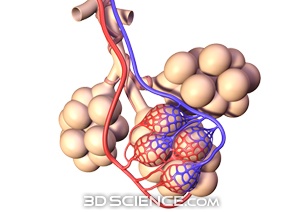
The specific location where the exchange of gasses between the lungs and the blood occurs is...
in the bronchi
in the lungs
in the oxygen
in the alveoli

What is the letter H?
external intercostal
diaphgragm
bronchi
larynx

What is structure A?
glottis
true vocal cords
epiglottis
cricoid cartilage
Flap of tissue that keeps food out of the lungs...
Pharynx
Trachea
Epiglottis
Diaphragm

Air that we inhale?
Oxygen
Carbon Dioxide

Name this
Diaphragm
Bronchiole
Lung
Windpipe

Which respiratory system disorder is a bacterial infection in which pulmonary infiltrates can damage lungs. Highly contagious.
asthma
tuberculosis
emphysema
lung cancer

Name this organ
Bronchiole
Lung
Larynx
Epiglottis
The ________ is a long tube that leads down to the chest where it divides into the right and left bronchi.
Pharynx
Trachea
Epiglottis
Larynx

Name this structure
Esophagus
Trachea
Throat
Lung

Which respiratory system disorder is characterized by destruction to the alveolar walls leading to a loss of elasticity in the lungs.
emphysema
tuberculosis
pneumonia
asthma
plasma
platelets
white blood cells
Which of the following types of blood vessels have valves to help manage blood flow in one direction?
Arteries
Capillaries
Veins

Which part of the heart is this? It pumps blood into the aorta and out to the body.
Aorta
Right Ventricle
Left Atrium
Left Ventricle
When blood leaves this chamber of the heart, it heads out the pulmonary arteries to the lungs.
left atrium
right atrium
left ventricle
right ventricle

Which is the Left Ventricle?
C
E
K
M
Which is the Tricuspid Valve?
D
F
L
N
Which is the Superior Vena Cava?
A
B
O
P
Of the following blood vessels, which ones allow for the exchange of oxygen/carbon dioxide and nutrients/waste products?
Arteries
Capillaries
Veins
This initiates the action potential that causes the heart to beat. Called the pacemaker.
Inferior vena cava
Atrioventricular node (AV node)
Superior vena cava
Sinoatrial node (SA node)
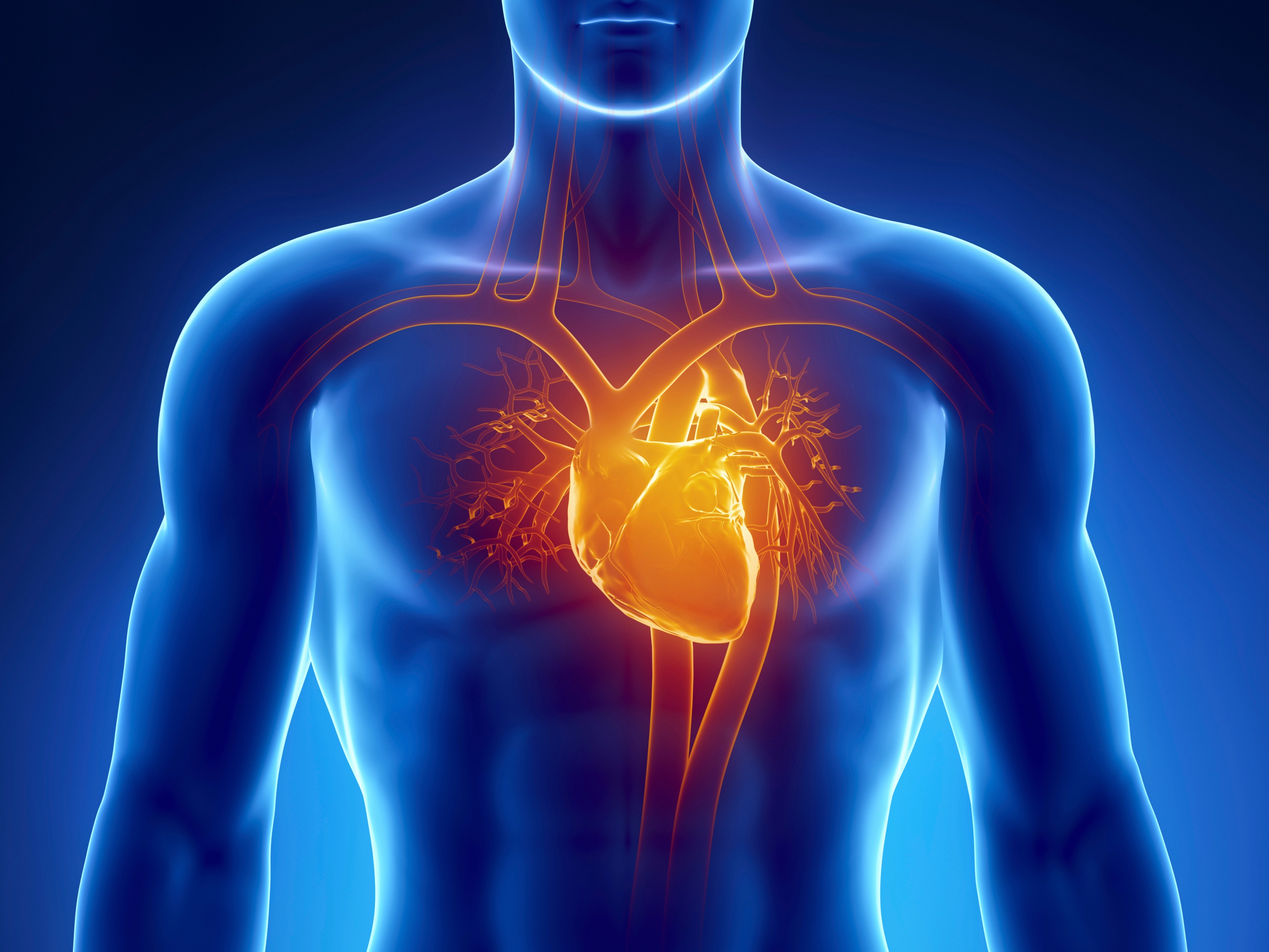
Of the following blood vessels, which ones have the most elastic tissue and collagen fibers in their outer layers to withstand blood pressure?
Arteries
Capillaries
Veins
Which is the Left Pulmonary Vein?
G
H
I
J

Which part of the heart is this? It delivers oxygenated blood to the rest of the body.
Which of the following blood vessels drains deoxygenated blood from the brain?
Carotid arteries
Jugular veins
Hepatic veins
Subclavian arteries
What type of antigens can be found on the surface of RBC's when someone has blood type O?
A
B
Both A and B
none

What nerves does the peripheral nervous system contain along the spinal cord?
Crainial
Sensory
Motor
Spinal
What hormone increase our heart rate
(a)
How many pairs of spinal nerves are there?
(a)
FIGHT OR FLIGHT:
decreases heart rate
increase heart rate
reverses symptoms
makes you fly

What is the largest part of the brain?
Brain stem
Cerebellum
Cerebrum
Dura mater
This is the control center of the nervous system controlling both voluntary and involuntary processes.
Central Nervous System
Peripheral Nervous System

Which organ is represented by letter A?
Brain
Spinal Cord
Nerves
Which brain structure controls all voluntary activities and is responsible for thought, memory, emotions, and reasoning?
Cerebellum
Cerebrum
Medulla
The message that travels along a nerve is called ___________.
Stimulus
Response
Sensation
Impulse
Which body system coordinates all of the systems by controlling every activity that takes place?
The Nervous System
The Digestive System
The Endocrine System
The Circulatory System
The Immune System

What do we need to receive information from around us?
The senses
The brain
The nerves
The bones
The nerves in this system are outside of the brain and the spinal cord. They relay information between your brain and the rest of your body. “The electrical wires.”
central nervous system
peripheral nervous system
neuron
sensory neuron
It controls most of functions of the body and mind. It consists of two parts: the brain and the spinal cord. “The control center.”
central nervous system
peripheral nervous system
neuron
sensory neuron
Consists of your brain and spinal cord
medulla
cerebrum
central nervous system
peripheral nervous system

The area of the brain most associated with coordination and balance is the:
Cerebellum
Hippocampus
Amygdala
Pons
What is the central nervous system (CNS) made of?
brain and spinal cord
brain and cranial nerves
spinal cord and spinal nerves
cranial nerves and spinal nerves
What is the purpose of the myelin sheath on the axon?
To maintain temperature
To improve conductivity
To protect the axon
To release neurotransmitters
Sensory neurons carry nerve impulses from the sense organs and internal organs (like your stomach) to the
peripheral nervous system (PNS)
central nervous system (CNS)
muscles
sense organs
a signal molecule that transmits nerve impulses across synapses
neuron
neurotransmitter
nerve
action potential
part of a neuron that receives information from other neurons
axon
dendrites
myelin sheath
synapse
Location at which a neuron can transfer an impulse to another cell with the use of neurotransmitters is called __________.
myelin sheath
axon
threshold
synapse
The part of the neuron that takes information away from the cell body is called a(n) _____________.
dendrite
axon
cell body
Schwann cell
An adult human has how many bones?
(a)
Any bone is considered
a system
a cell
an organ
an organism
Bones vary in size and shape depending on their location in the body.
True
False
The __________ system protects the body and gives it structure.
muscular
digestive
skeletal
circulatory
Which tissue cushions the end of bones?
tendons
ligaments
cartilage
joints
What do we call the place where two bones meet?
skeleton
joint
muscle
rib
Which is NOT a function of the skeletal system?
production of red blood cells
store calcium
digest food
movement, protection, and support
Which type of tissue connects bone to bone?
tendons
ligaments
skeletal muscles
smooth muscles
Which of the following describes the joints in the skull and ribs?
movable
hinge
pivot
immovable
What kind of joint is found at your elbow?
pivot
hinge
gliding
ball and socket
What is the name of the outer membrane that surrounds bones?
compact bone
periosteum
spongy bone
bone marrow
What do we call a broken bone?
osteoporosis
fracture
arthritis
bone disease
Which bone disease causes bones to become weak and brittle?
artereosclerosis
arthritis
fracture
osteoporosis
Which type of joint is found at your shoulder and hip and allows for the greatest range of motion?
ball and socket
gliding
hinge
pivot
Where are red blood cells produced?
compact bone
red bone marrow
spongy bone
yellow bone marrow
The disease in which bones become irritated or inflamed because cartilage in the joints has worn away is called ___.
arthritis
cancer
osteoporosis
fracture
Which levels of hierarchy form the scientific name?
Class and species
Order and genus
Phylum and species
Genus and species
Which organisational tool links organisms by their common ancestor?
Dichotomous key
Cladogram
Which kingdom is eukaryotic, multicellular and autotrophic?
animalia
fungi
eubacteria
protista
Which kingdom is the most diverse?
animalia
fungi
eubacteria
Protista
You would find mushrooms in which kingdom?
plant
protists
fungi
animal

