
NEW
Font size
 Worksheets
unit 6 Test Review
Total questions: 74
Worksheet time: 37mins


Dogs pant when they are hot.
Chameleons are reptiles that have the ability to hide from predators and prey by blending in with their environment. They can change the pattern and/or color of their skin. This ability is known as --
natural selection
imitations
mimicry
camouflage
Which biome has the least amount of biodiversity? (the least different kinds of organisms)
tropical rain forest
savanna
grassland
desert

In which biome would you find permafrost? This is the layer of soil that is frozen all the time.
coniferous forest (taiga)
desert
tundra
grassland
Which biome has the worst soil because so much vegetation grows there that are the nutrients are in the trees and plants?
tundra
desert
tropical rain forest
grassland
Which biome gets the most amount of rain every year?
decidious forest
tropical rain forest
desert
tundra

Which biome has trees that lose their leaves in the fall and regrow them in the spring?
deciduous forest
coniferous forest (taiga)
tropical rain forest
desert

Which biome is the coldest?
tundra
desert
grassland
savanna

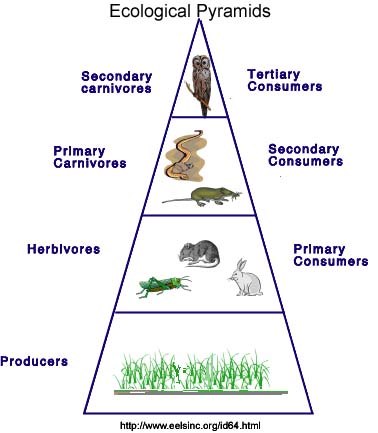
Another word for a plant that makes its own food using energy from sunlight…
photosynthesis
producer
heterotroph
carnivore
herbivore

Where does the energy start for all living things & in this food chain?
Plant
Sun
Deer
Wolf
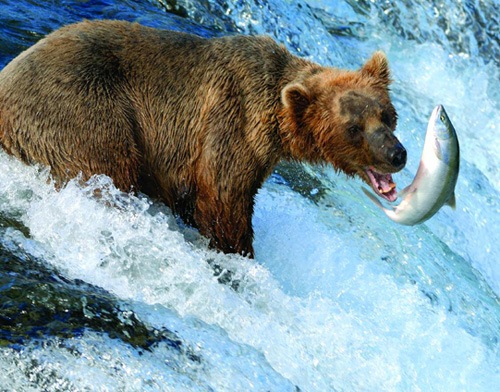
What is the definition of - Herbivore
An organism that obtains energy by eating both plants and animals
The rate at which organic matter is created by producers in an ecosystem
An organism that obtains energy by eating only plants
An organism that obtains energy by eating only animals
What is the definition of - Carnivore
An organism that obtains energy by eating both plants and animals
An organism that feeds on plant and animal remains and other dead matter
An organism that obtains energy by eating only plants
An organism that obtains energy by eating only animals
What is the definition of - Omnivore
An organism that obtains energy by eating both plants and animals
An organism that feeds on plant and animal remains and other dead matter
An organism that obtains energy by eating only plants
Series of steps in an ecosystem in which organisms transfer energy by eating and being eaten.
What is the definition of - Decomposer
An organism that obtains energy by eating both plants and animals
An organism that obtains energy by eating only plants
An organism that breaks down the remains of dead organisms and returns the nutrients back into the soil
Series of steps in an ecosystem in which organisms transfer energy by eating and being eaten.
What do fungi, mushrooms & bacteria do to dead plants and animals?
Leave them there
Decompose them
Wait for other animals to eat them
Move away
What is a scavenger?
A consumer that eats dead animals that have already been killed by other animals; does not recycle nutrients
A carnivore that eats what it kills
Eats plants and meat
Eats plants only

When the ringed seal is feeding on krill (zooplankton), it is a __________ consumer.
primary
secondary
tertiary
quaternary

How can the orca be a 5th level consumer?
phytoplankton --> krill --> ringed seal --> polar bear--> orca
phytoplankton --> krill --> arctic cod --> orca
phytoplankton --> krill --> arctic cod --> ringed seal --> polar bear--> orca
phytoplankton --> krill --> arctic cod --> polar bear--> orca

Which organism can be considered an herbivore?
phytoplankton
zooplankton
arctic cod
ringed seal

Which organisms in the food web compete with each other for food sources?
krill and arctic cod
polar bear and orca
krill and ringed seal
phytoplankton and zooplankton


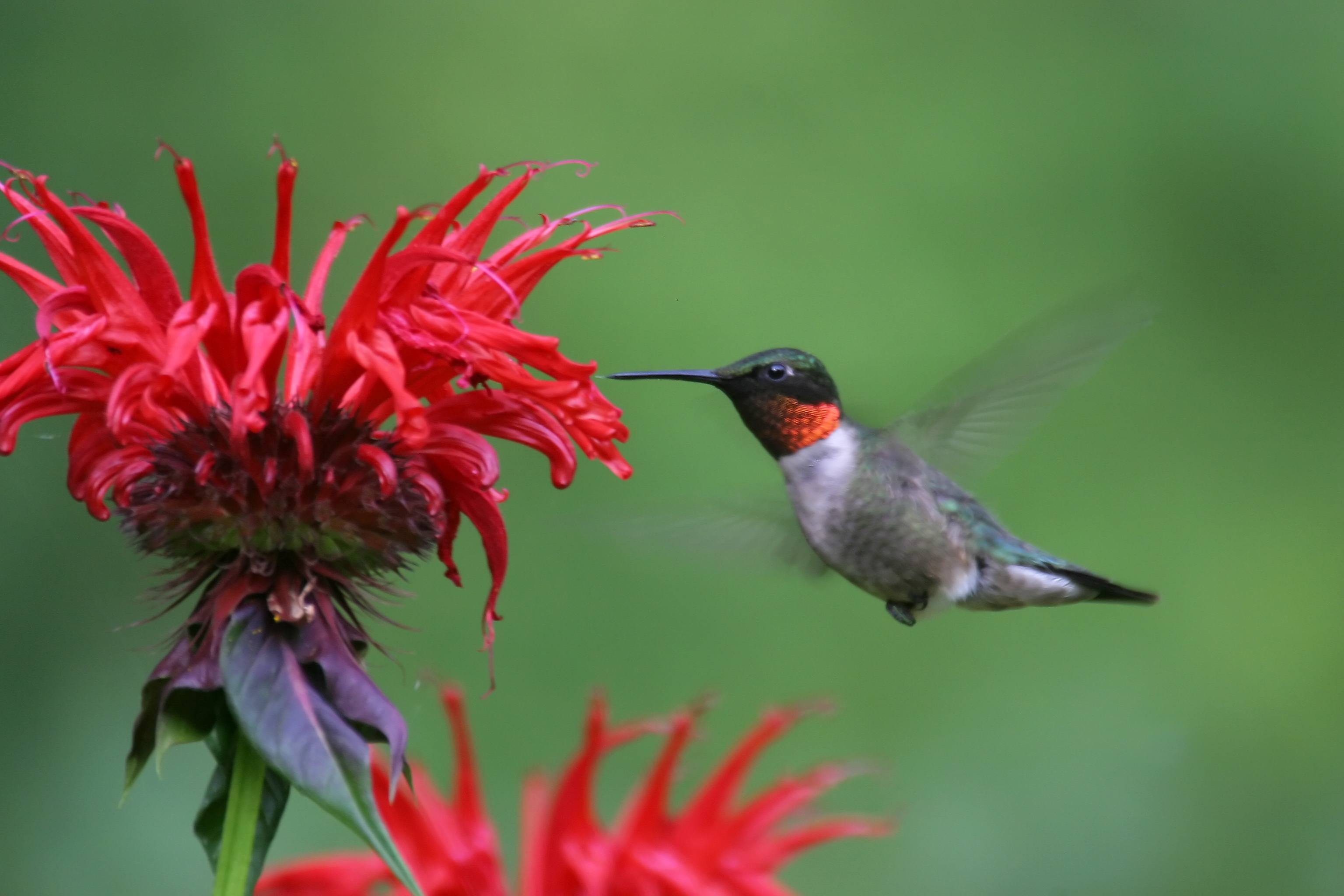
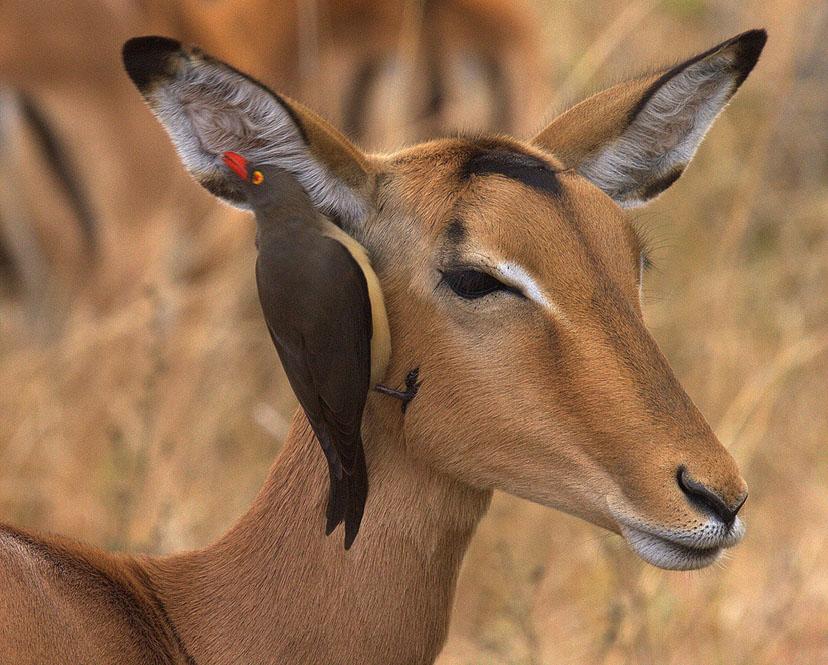
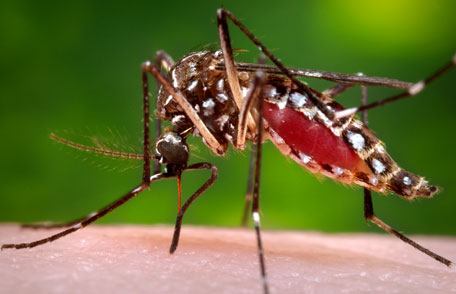

Aphids are tiny insects that live on and eat the leaves of plants, removing vital nutrients from the plants.
Predation
Parasitism
Commensalism
Mutualism
*Hermit crabs find shells left by snails that have died and move in.
* Snails die and leave behind their shells.


Natural disturbances, such as fires or hurricanes, can result in
A.parasitism.
B.competition.
C.commensalism.
D.succession.
The end result of ecological succession is usually a(n)
A.land biome.
B.aquatic biome.
C.unstable community.
D.climax community.
Which of the following is not a possible cause of ecological succession?
A. fire
B. flood
C. earthquake
D. change of season
. Which of the following is an example of primary succession?
A.lichens growing on rocks following a volcanic eruption
B.grasses growing after a forest fire
C.oak trees replacing pine trees in a forest
D. non-native species introduced into a climax community
Which of these organisms would you most expect to find on a small island that formed as a result of a volcanic two years prior?
A.climbing vines
B.hardwood tree
C.monkey
D.lichen
Which of the following describes how an abiotic factor can impact the population dynamics in an ecosystem?
A. A parasite that invades a host can reproduce and cause a decline in the host species population.
B. Organisms that compete for the same resources will keep each other from overpopulating.
C. Predators will prevent herbivores from depleting the plants and other resources in an ecosystem.
D. Seasonal variations in temperature can cause some of the individuals in a population to die.
How is primary succession different from secondary succession?
Primary succession starts with soil.
Secondary succession start with bare rock.
Primary succession starts with bare rock, with lichens and moss.
Fire is an example of primary succession.
Examples of Abiotic Factors include:
Weather, birds, plants, and animals
Rocks, reptiles, shrubs, trees, and grasses
Weather, wind, rain, sunlight, and rocks
Birds, plants, animals, reptiles, shrubs, trees, and grasses
A volcano in a mountainous, wooded region erupts, spewing tons of ash and destroying the forested area around the volcano. If the volcano remains dormant during
the next 1000 years, what will probably happen?
The area will be repopulated by trees, eventually becoming a
forest again.
The mountains will erode and remain without life.
The area will remain unchanged, covered by volcanic ash.
The area will turn into a completely different habitat, such as
desert of plains.
How has the invasion of pythons effected the everglades ecosystem in terms of species numbers?
The pythons could upset the territorial boundaries of native organisms.
The pythons could adapt to overcome diseases common to native snakes.
The pythons could prey on native organisms and cause native populations to decline.
The pythons could begin to interbreed with native snakes and produce a more successful species.
Which is a natural cause of
ecosystem change?
A. Farming
B. Building fences
C. Pollution
D. Hurricane
Which of the following best
describes biodiversity
A. a diverse Biology class
B. variety of all life on earth
C. a variety of plants
D. a variety of animals
Abandoned railroad tracks are overgrown with weeds. Ten years later there are small aspen trees growing in the middle of the tracks. This change is an example of:
Primary succession
Biological evolution
Secondary succession
Heterotrophic nutrition
Living factors or organisms that affect an ecosystem...
abiotic factors
species
trophic level
biotic factors
Jacob is going out to his grandparents farm. On the farm is a stream that he likes to fish at. When he is fishing he sees many differernt speacies of fish as well as maple and oak trees and dragonflies. What Jacob is seeing is an example of what level of organization?
organism
population
community
ecosystem


What level of organization can be seen here?
Species
Population
Community
Ecosystem
A large region with a similar climate and specific plant and animal communities based on that climate
population
community
biosphere
biome

