Worksheets
ENVS Ecology Test Review
Total questions: 115
Worksheet time: 6hrs 35mins

Water temperature would be an example of ...
a biotic factor
an abiotic factor
an antibiotic factor
a bacterial factor
Which biome consists of very low precipitation and can be hot or cold?
savanna
tropical rainforest
tundra
desert
Which biome consists of warm weather year-round, a dry season and a rainy season, and diverse trees, shrubs, and grasses?
tropical rainforest
temperate grassland
savanna
desert
Which biome consists of lakes, rivers, and streams and only includes 3% of the Earth’s water?
Marine open ocean
Marine coastal
Tundra
Freshwater
Which biome consists of long bitter winters, cool summers, and diverse coniferous trees?
Taiga
Tundra
Temperate forest
Grassland
Which biome consists of grasses, shrubs, cold temperatures, and the permafrost?
Taiga
Tundra
Temperate forest
Temperate grasslands
Which biome consists of diverse deciduous trees, warm summers, cool winters, and can be found in the eastern US?
Taiga
Temperate forest
Tropical rainforest
Temperate grassland
Which biome is warm year-round, receives LOTS of rain, and is rich in. biodiversity?
Temperate forest
Temperate grassland
Boreal Forest
Tropical rainforest

Which biome contains large populations of grazing herbivores, few species of birds, and deep, rich soil?
tropical rain forest
desert
deciduous forest
grassland

Animals that live in the desert have adapted to live with little water since the desert gets little rainfall.


The desert receives about as much rainfall as the
tundra
tropical forest
grassland
taiga
Most of the world’s rain forests are found close to the
Arctic circle
equator
Antarctic
desert
Which of the following terrestrial biomes receives the largest amount of rainfall per year?
desert
prarie
savanna
deciduous forest
Scientists have discovered a new species of fox that has larger than average ears and is nocturnal. In which biome would this new species of fox most likely be found?
desert
tundra
deciduous forest
tropical rain forest
Cactus plants are commonly found in the desert. Many kinds of cactus plants carry out a special type of photosynthesis called CAM photosynthesis. CAM photosynthesis allows the cactus to keep its stomata closed during the day. Most other species of plants keep their stomata open during the day.
What is the primary reason these cactus plants have thrived in the desert using this special type of photosynthesis?
The closed stomata stores more sugar molecules.
The closed stomata allows conservation of water.
The closed stomata scares off predators.
The closed stomata builds up oxygen levels.
Grasslands are characterized by low amounts of rainfall, few trees, and lots of grass. Which of the following would be the primary inhabitants of the grasslands?
Tree-dwelling primates
Thick-furred mammals
Large herbivores
Water-conserving plants
The temperate forest is a type of terrestrial biome.
Which of the following are characteristic of a temperate forest?
Elk and caribou migrating during the early summer to graze on lichen and grasses.
Warm weather, plentiful rain, and diverse plant and animal life
Cold winters, short summers, and frozen subsoil, even in the summer
Warm summers, cold winters, squirrels, and deciduous trees
Due to fairly constant rain and high temperatures, the vegetation in the rainforest is very dense.
Which of the following is an adaptation that helps plants win the battle for sunlight on the forest floor?
Vines that climb trees
Grasses that grow in clumps
Leaves that are needle-like
Trees that are cone-shaped
A tree called the Creosote has a taste and smell that animals find unpleasant. It has leaves that close in the day to keep in water and open at night to absorb moisture. Its leaves also grow close to the stem to reduce water evaporation. This plant also has dual root systems that tap deep into the underground water and radial roots that collect surface water. Which of the following statements is true based on the paragraph above?
The Creosote tree is well adapted for the desert biome and its lack of rainfall.
Due to the type of leaves found on the Creosote tree, this tree most likely thrives in the savanna.
The dual root systems of the Creosote tree would help it to survive in the tundra.
The Creosote tree is most likely found in the rainforest because it has adapted to conserve water.
A new species of animal that can tolerate drought has been found. These animals graze in herds and like grasses with high silica content.
Which biome does this animal MOST LIKELY inhabit?
taiga
savanna
temperate deciduous forest
desert
Which of the following organisms has an adaptation that will allow it to survive in the tundra?
Mammals with thin fur that allows them to get rid of heat efficiently.
Plants that have broad leaves to capture sunlight and long roots to capture water.
Reptiles with long tongues with sticky pads for catching flying insects.
Grasses with shallow roots and the ability to grow quickly when moisture is rarely present.
Which of the following best describes an effective adaptation of plants commonly found in the Taiga?
Grasses that are drought tolerant
Vines that climb trees to reach sunlight
Trees with very shallow roots due to the permafrost
Trees with a conical shape allowing them to shed snow and ice

A collection of living organisms that belong to different populations but all live in the same area and interact with one another is a...
Population
Ecosystem
Community
Ecosphere

Non-living factor that affects an ecosystem...
biotic factor
abiotic factor
food chain
biome

What are the biotic factors in this image?
sunlight, elephants, grasses
sunlight, water, air
elephants, plants, trees
elephants, clouds, grasses

Which of the following is a population?
hawks, barred owls, and eagles on NC coast
mountain stream
One frog in a pond
blue-tailed skinks (lizards) around a barn

Which of the following best describes a community?
sharks, groupers, anemones and shrimp on a coral reef
decorator crabs on the seafloor
loggerhead sea turtles in Atlantic
prairie grassland in Wyoming


What is an individual?
One individual member of a species
a group of individuals of a species
all the different populations of a species that live in an area together
a community of organisms and their physical environment

What is a population?
One individual member of a species
a group of individuals that belong to the same species and live in the same area
all the different populations of species that live together in an area
a community of species and the physical environment

What is a community?
One individual of a species
a group of individuals living together in an area
all the different populations living together in an area
different communities and their physical environment

What is an ecosystem?
One individual of a species
a group of individuals of a species that live in the same area
all the different species in an area
all the communities in an area and the physical environment

What is a biome?
one individual of a species
all the different populations of species that live together in an area
all the biological communities and their physical environment
a group of similar ecosystems that share similar climates and animales
Which is an example of an ecosystem?
An area of cold climate and communities of similar species
one elk
a group of elks living together in the same area
elks, snow rabbits, and owls living in the same area
This biome has hot summers, cold winters, diverse grasses, trees, and shrubs, and is common in central US.
savanna
temperate grassland
temperate forest
tundra
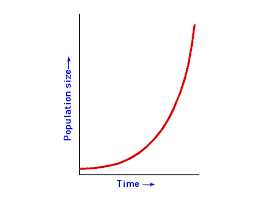
What type of growth is shown in the diagram?
exponential growth
logistic growth
predator-prey cycle
boom-bust curve
Largest number of individuals of a population that the environment can support...
carrying capacity
population
biome
mutualism

If a disease destroying wheat plants in a field swept through an ecosystem, what would happen to the bird population that feed off of the wheat in the the field ?
The bird population would stay the same
The bird population would increase
The bird population would decrease

What point on the graph represents the carrying capacity?
A
B
C
D

When a population grows past the ecosystem's carrying capacity, what most likley happens to the population?
Continues to grow
The population starts to die off to return to carrying capcity
The population will go completely extinct due to lack of resources
Limiting factors are sometimes helpful because they can keep the population from getting too large.
True
False
An environmental factor such as amount of space, disease, and availability of mates that depends on the number of members in a population is called
density- dependent factor
density- independent factor

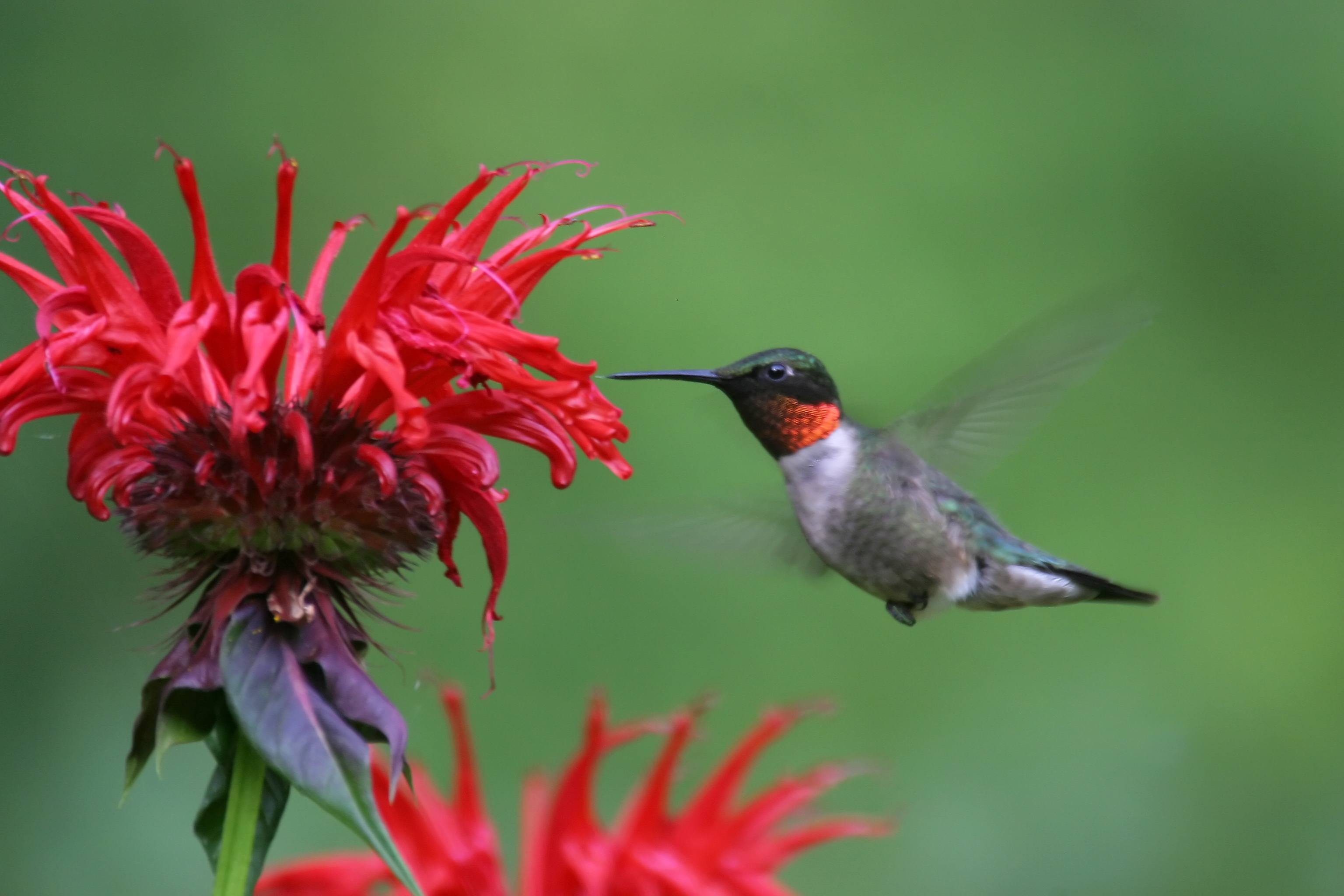
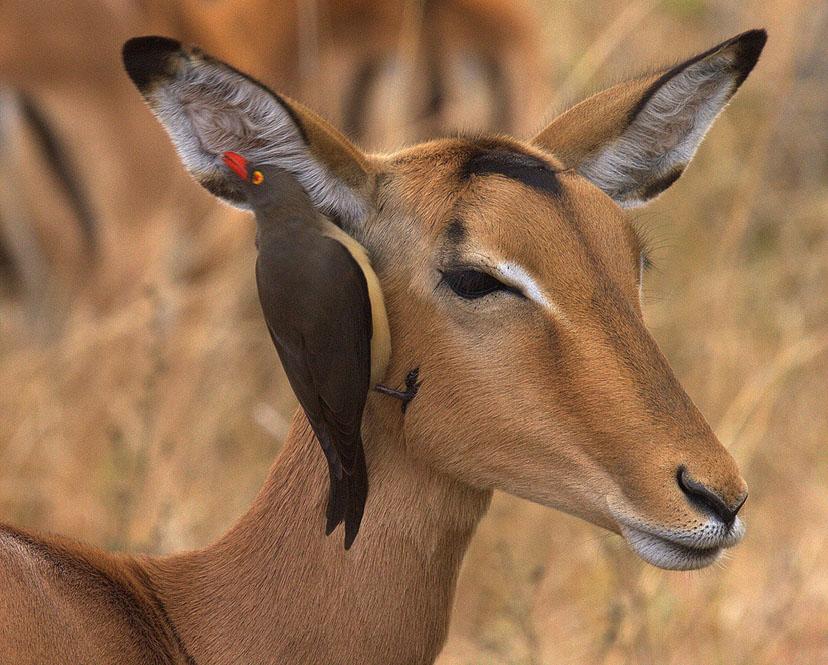

Aphids are tiny insects that live on and eat the leaves of plants, removing vital nutrients from the plants.
Predation
Parasitism
Commensalism
Mutualism


A producer is something that:
Eats plants
Makes its own food
Eats animals
Eats plants and animals
Producers are always at the __________ of a food chain
Beginning
Middle
End
Producers are not part of the food chain
Consumers...
Make their own food
Go through photosynthesis
Eat other organisms
Breathe in carbon dioxide
Which of these things is NOT a consumer
Human
Whale
Tree
Chicken
What is the producer in this food chain?
phytoplankton → krill → fish → shark
Phytoplankton
Krill
Fish
Shark
As you move through a food chain, the amount of energy stored....
Increases
Decreases
Stays the same
It depends on the ecosystem

How much energy does trophic level 2 store from trophic level 1? (and so on..)
1%
10%
50%
100%
Arrows in a food web show the flow of
energy
protein
nutrients
glucose
What do decomposers eat?
Dead things
Living things
An autotroph is another word for a ________, meaning it needs to ________
Consumer, eat other animals
Consumer, eat other plants
Producer, make its own food
Producer, survive without water
An heterotroph is another word for a ________, meaning it needs to ________
Consumer, eat other organisms
Consumer, go through photosynthesis
Producer, make its own food
Producer, survive without water

Mushroom (Fungus)
Decomposer
Producer
Consumer

How many types of organisms in this food web obtain energy directly from producers?
One
Two
Three
Four

Look carefully at the image. If energy is lost as it moves up the food chain, what trophic level has the most amount of energy?
1st level - producers
2nd level - primary consumers
3rd level - secondary consumers
4th level - tertiary consumers


What ecological interaction describes the relationship between rabbits and deer?
The ecological role or "way of life," (what it eats, when it eats, behavior, where it lives, etc. is an organisms?
community
population
niche
biome
a species that has a disproportionately large effect on community structure relative to its biomass or abundance and is often a top predator
keystone species
foundation species
genus species
Which of the following is an example of a plant invasive species in the United States?
oak trees
kudzu
blueberry bushes
corn plants
Which of the following is an example of an invasive animal species in the United States?
Cardinals
White-tailed deer
Lightning bugs
Stink bugs

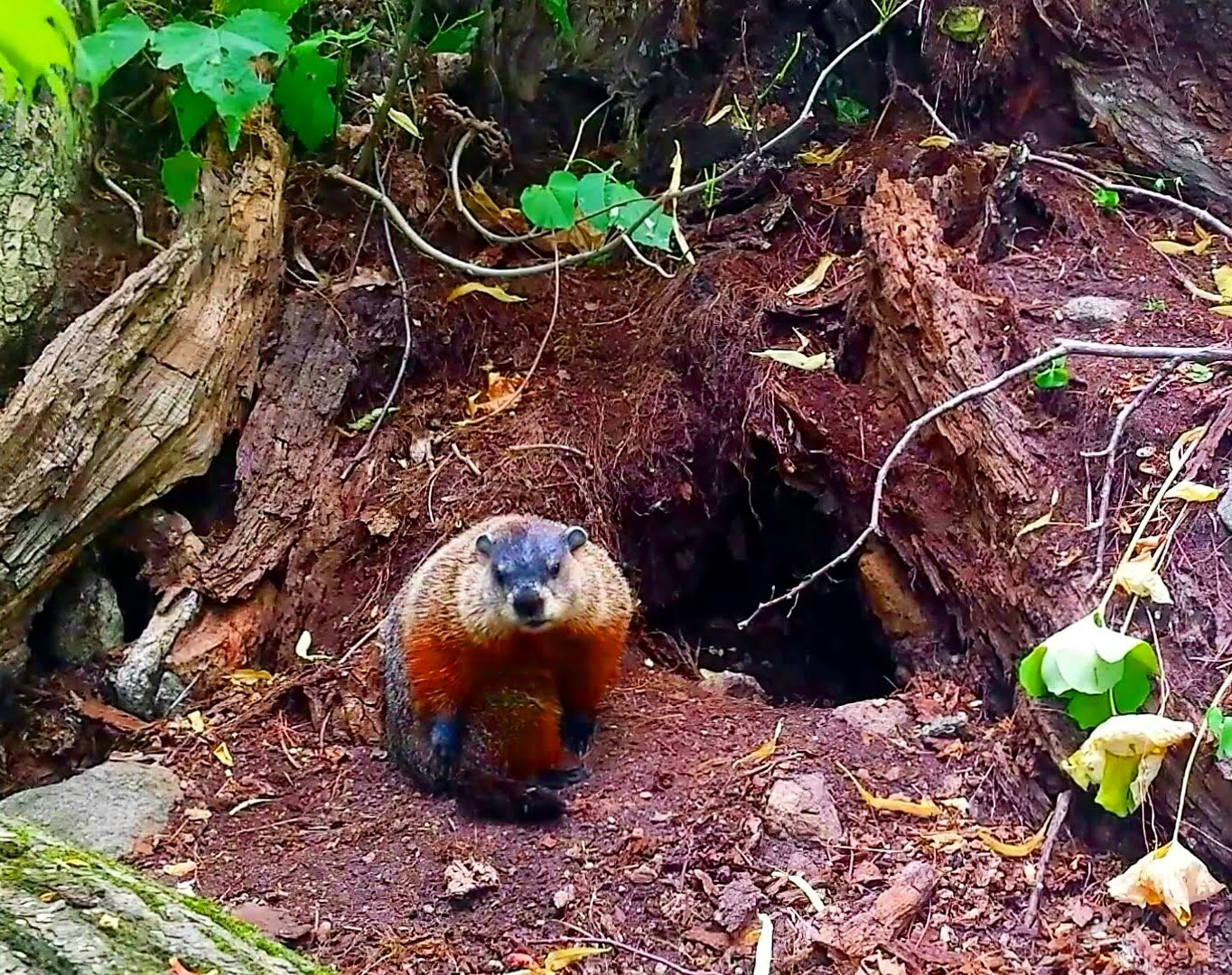
What type of defense does the moth use?
mechanical
chemical
camouflage hiding
camouflage mimicry
Which takes longer, primary or secondary succession?
Primary Succession
Secondary Succession
What are the species called that appear first during primary succession?
Pioneer Species
New Species
Alpha Species
Mature Species
True or false: trees are a type of pioneer species
True
False
A new island is formed after a volcano erupts.
What is the order that things would grow?
Tree, grass, moss
Lichen, Grass, Shrub, Tree
Lichen, Shrub, Moss, Tree
Shrub, grass, moss, tree
What type of organism would typically grow on bare rock?
Moss and lichen
Grass
Oak trees
Shrubs
Which type of succession does NOT have soil to begin with?
primary succession
secondary succession
ecological niche
ratio succession
Which type of succession DOES have soil to begin with?
primary succession
secondary succession
ratio succession
ecological niche
True or false: An ecosystem with high genetic diversity is healthier than an ecosystem with low genetic diversity.
True
False
What is a keystone species?
A keystone isn't a living thing, it's just a stone
Keys and stones have nothing to do with ecology
A species that lives in or around rocks
A species that helps to hold an ecosystem together


How do biodiversity and stability work together?
The lower the biodiversity the greater the stability of an ecosystem.
The higher the biodiversity, the less stable the ecosystem
The higher the biodiversity, the greater the stability of the ecosystem.
Biodiversity has nothing to do with ecosystem stability.

Which ecosystem is more likely to survive a change in the environment?
One with High biodiversity
One with Low biodiversity

Why is biodiversity important to ecosystems?
It helps populations adapt to ecological changes.
It increases at each level of the food chain.
Greater ____________________ means there are more habitats to support different types of organisms.
Ecosystem Diversity
Species Diversity
Genetic Diversity
The greater the ____________________, the more likely a species is to survive changes to their environment
Genetic Diversity
Species Diversity
Ecosystem Diversity