wayground logo

Free Printable Worksheets

Font size

S
M
L
XL
Worksheets

Unit 3 Quiz #1

Total questions: 126

Worksheet time: 2hrs 3mins

Name
Class
Date
1.
What are renewable resources?
a)
Resources that can be replaced in a short amount of time
b)
Resources that are used faster than they can be replaced
c)
They can not be replaced
2.
What are Nonrenewable resources? 
a)
Resources that can be replaced in a short amount of time  
b)
Resources that are used faster than they can be replaced 
c)
Resources America does not use
3.
Does the United States gets most of its energy from renewable resources?
a)
Yes
b)
No
4.
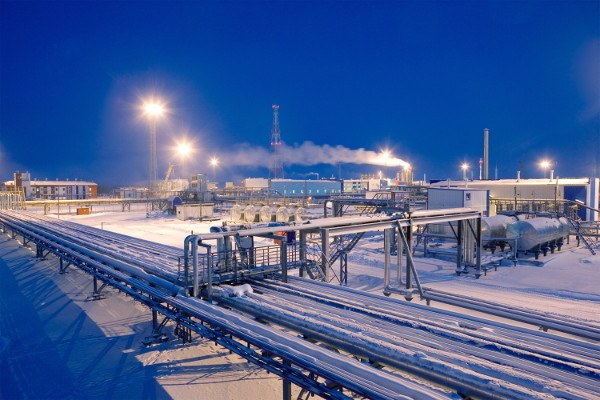
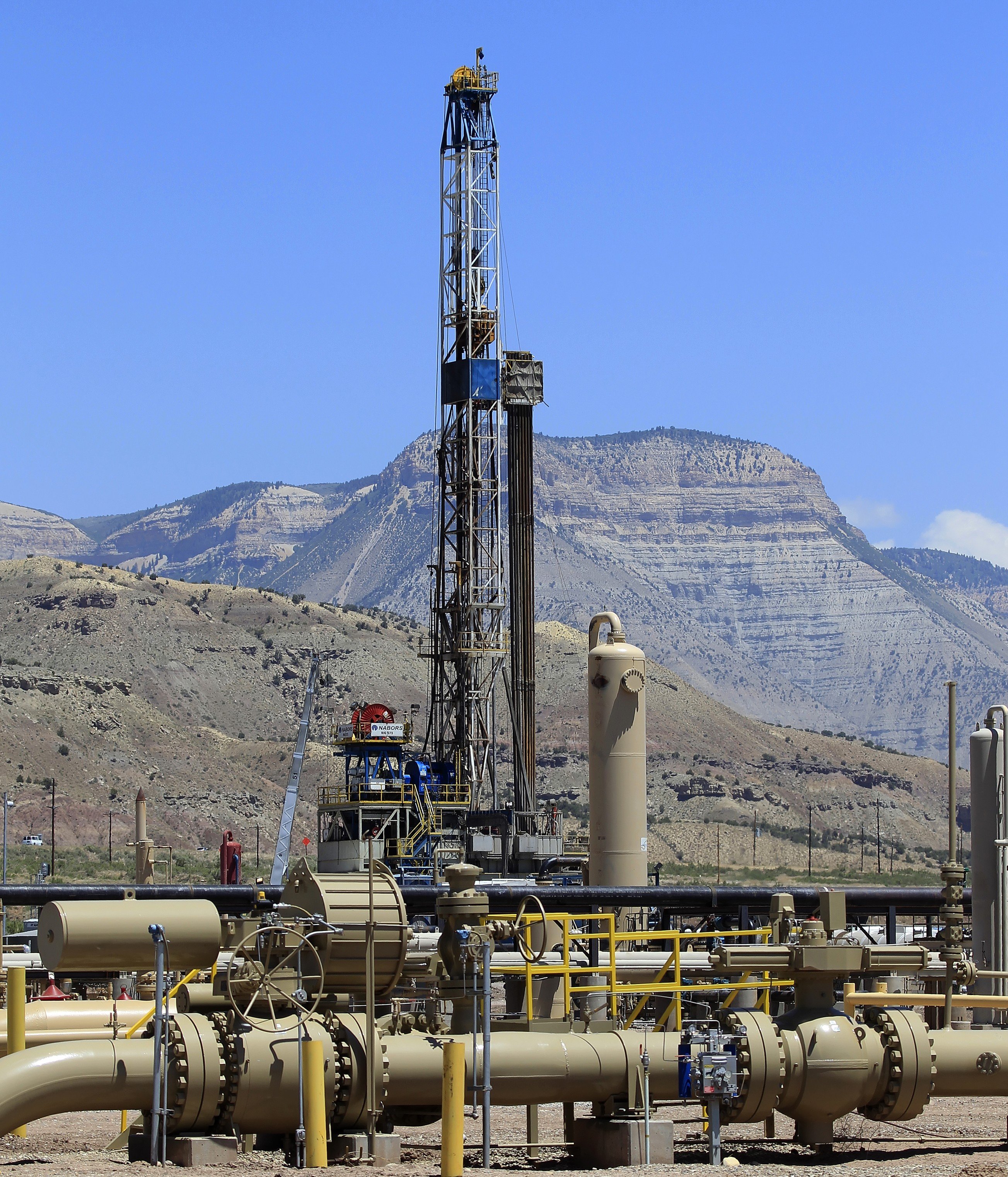
Name Two examples of Nonrenewable resources?
a)
Coal and Oil
b)
Biomass and Wind Turbines
c)
Tidal and Geothermal
5.
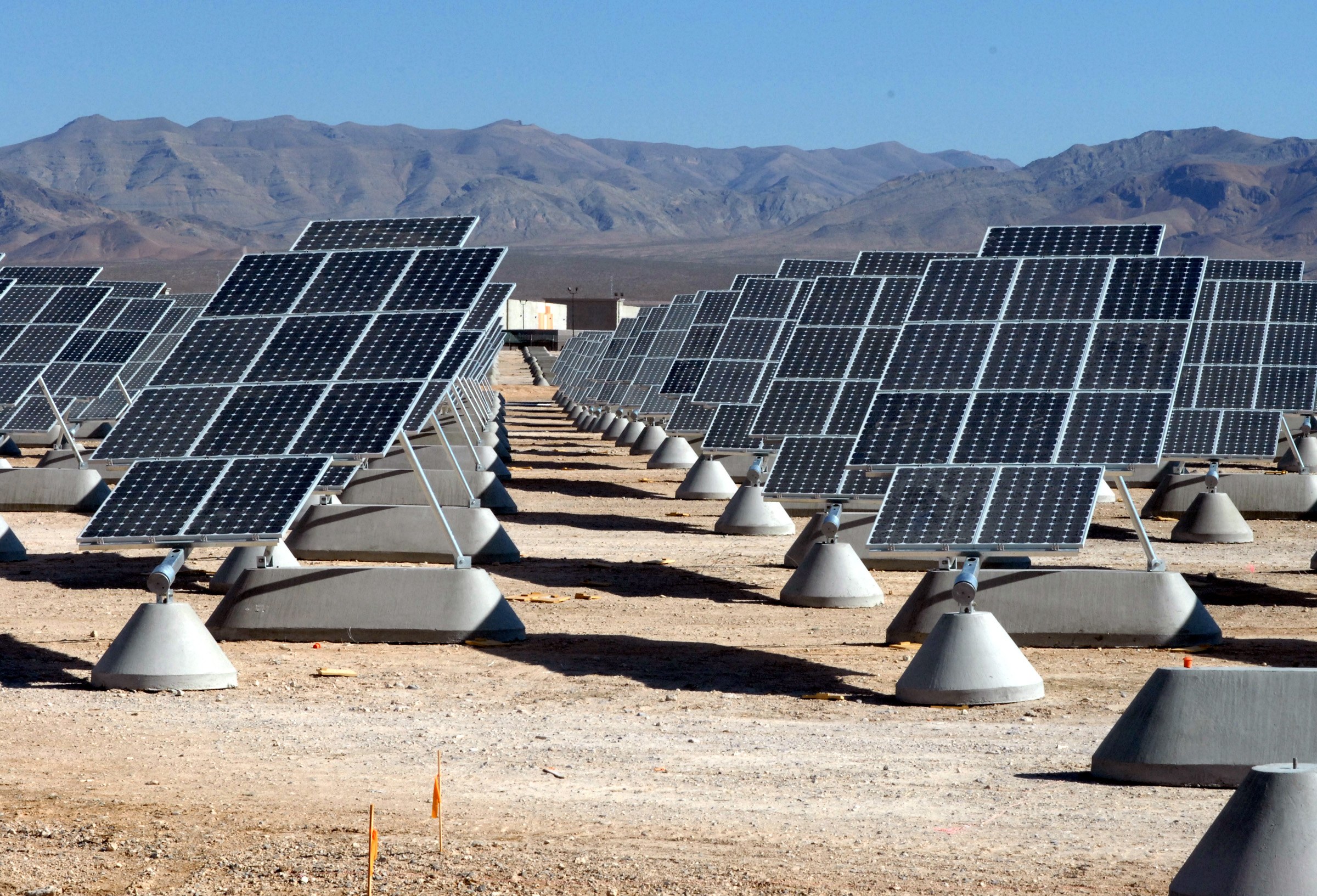
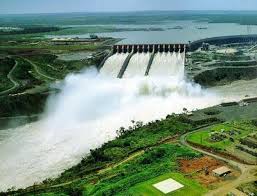
Name two examples of Renewable energy?
a)
Coal and Nuclear
b)
Oil and Gas
c)
Solar Panels and Hydroelectric
6.
What is a disadvantage of Fossil Fuels?
a)
Scientists guess that it will run out in the next 50 years
b)
There are no disadvantages
c)
It does not pollute the earth
7.
What is Vampire energy?
a)
Energy used by the sun
b)
Energy used by appliances that are plugged in 24 hours a day
c)
A bat 
8.
True or False: Because atoms are small, they don't have a lot of energy.
a)
True
b)
False
9.
What was the biggest nuclear disaster?
a)
Watts Bar 2 
b)
Palo Verde
c)
Chernobyl
10.
Define Solar Energy
a)
Heat energy from inside the Earth
b)
Energy Created by burning plant and animal wastes
c)
Energy from the sun
11.
Define Biomass energy:
a)
Energy created by burning plant and animal wastes
b)
Energy created by tides and dams
c)
 Uses “farms”
12.
Define Geothermal energy
a)
Created by burning plant and animal wastes
b)
 Energy from the sun
c)
Heat energy from inside the Earth
13.
Define wind energy:
a)
Uses “farms”
b)
Created by tides and dams
c)
Energy from the sun
14.
Define Water energy:
a)
Energy from the sun
b)
Created by tides and dams
15.
Non-Renewable resources are also known as what?
a)
Fossil Fuels
b)
Renewable
c)
Solar Energy
d)
Hydroelectric Energy
16.
Where does most of earth`s energy come from?
a)
The sun
b)
Mars
c)
Wind
d)
Water
17.

What is an example of a renewable resource?

a)

water (hydroelectric)

b)

oil

c)

coal

d)

fossil fuel

18.
Which renewable resource gets its direct energy from the sun? 
a)
Geothermal
b)
Solar
c)
Wind
d)
Hydrogen
19.
Why do we use non-renewable resources instead of renewable resources? 
a)
Less Expensive 
b)
More Energy
c)
All of the above
20.
Solar Power is a __________ energy resource.
a)
Renewable
b)
Nonrenewable
21.
Hyrdo Power is a __________ energy resource.
a)
Renewable
b)
Nonrenewable
22.
Natural Gas is a __________ energy resource.
a)
Renewable
b)
Nonrenewable
23.
Oil is a __________ energy resource.
a)
Renewable
b)
Nonrenewable
24.

The sun is the main source of all energy on Earth.

a)

true

b)

false

25.

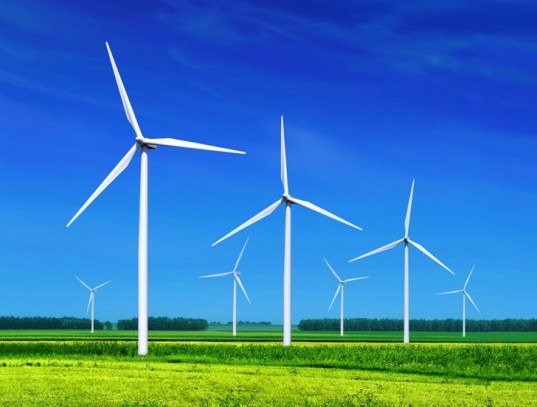
What type of energy is created using these wind turbines.

a)

Geothermal

b)

Hydro

c)

Wind

d)

Nuclear

26.
__________is a gas found under the Earth’s surface and is used to produce energy by burning it.
a)
Geothermal
b)
Natural Gas
c)
Coal
d)
Nuclear
27.
Wind is a __________ energy resource.
a)
Renewable
b)
Nonrenewable
28.

The sun APPEARS to move across the sky, during the day. Which of the following causes shadows to change length throughout the day?

a)

earth's rotation

b)

earth's revolution

c)

sun's revolution

d)

earth's orbit

29.

Which of the following would be the best example to explain Earth's rotation?

a)

funnel

b)

merry-go round

c)

doorknob

d)

swing

30.

Many cultures have different methods to determine the time of day. Which of the following is an ancient tool invented to determine the time of day?

a)

watch

b)

clock

c)

sundial

d)

compass

31.

What direction does the sun appear to move across the sky?

a)

west to east

b)

north to south

c)

east to west

d)

south to north

32.

Where does the sun rise?

a)

west

b)

east

c)

north

d)

south

33.

Earth rotates on its axis once approximately every-

a)

month

b)

24 hours

c)

year

d)

12 hours

34.

Earth's rotation causes the day and night cycle. It also causes-

a)

the sun appear to move

b)

the sun remain in orbit

c)

the sun orbit earth

d)

all of the above

35.

A student looks outside and observes the sun in the western sky. Which of the following times could it be?

a)

sunrise

b)

sunset

c)

noon

d)

midnight

36.

which statement correctly describes the sun's apparent movement across the sky?

a)

as earth spins on its axis, it makes the sun appear to move across the sky?

b)

as the sun spins around earth, it moves across the sky

c)

earth rotates 24 hrs, making the sun appear move across the sky.

d)

the sun rotates around the earth every 12 hours, making the sun appear to move across the sky

37.
a)

a

b)

b

c)

c

d)

d

38.

Earth revolves around the sun, but it also makes one complete rotation. How long does it take Earth to make one complete rotation on its axis?

a)

365 days

b)

1 month

c)

1 day

d)

1 week

39.

Which of the following represents 12:00 pm (afternoon), at point A?

a)

a

b)

b

c)

c

d)

d

40.

Which of the following represents 12:00 am (midnight) at point A?

a)

a

b)

b

c)

c

d)

d

41.

Which of the following is about to experiencing SUNSET?

a)

a

b)

b

c)

c

d)

d

42.

Which of the following is experiencing SUNRISE?

a)

a

b)

b

c)

c

d)

d

43.

How long does it take for the Earth to make one full revolution around the Sun?

a)

one day

b)

one week

c)

one month

d)

one year

44.

The movement of the Earth around the Sun is called its _____

a)

revolution

b)

rotation

c)

precession

d)

regression

45.
When the part of the world that you're living in is leaning towards the Sun, its _____
a)
winter
b)
spring
c)
summer
d)
fall
46.
The invisible line that passes through the North Pole and the South Pole is called Earth's ____
a)
axis
b)
equator
c)
ecliptic
d)
prime meridian
47.
Earth is tilted on its
a)
axis
b)
side
c)
oval
d)
pole
48.

The amount of time it takes Earth to rotate on its axis is

a)

365 days

b)

24 hrs

c)

month

d)

year

49.
In this simple diagram, the motion of both the blue and yellow dots can best be described as -
a)
Rotation
b)
Revolution
50.

In this diagram, the motion of the yellow satellite can best be described as -

a)

Rotation

b)

Revolution

51.
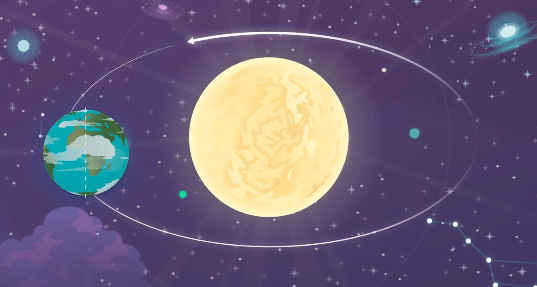
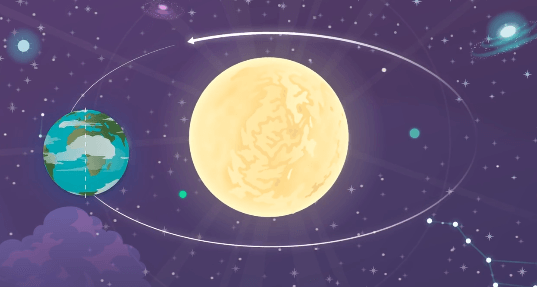
In this diagram, the motion of the Earth can best be described as -
a)
Rotation
b)
Revolution
52.
The earth orbits around...
a)
the sun.
b)
the moon
c)
other planets
d)
the Milky Way
53.

When the sun gets higher in the sky, shadows get ______.

a)

longer

b)

gone

c)

shorter

d)

darker

54.

When the sun gets lower in the sky, shadows get______.

a)

longer

b)

gone

c)

shorter

d)

darker

55.

Shadows are longest during _______.

a)

morning and evening

b)

noon

c)

night

56.

Shadows are shortest around______.

a)

morning and evening

b)

noon

c)

night

57.
Where does the sun rise? 
a)
North
b)
South
c)
East
d)
West
58.
Where does the sun set? 
a)
North 
b)
South
c)
East
d)
West
59.
Which light source causes shadows in the outdoor environment? 
a)
The Sun
b)
The Lightbulb
c)
The House
d)
The School
60.

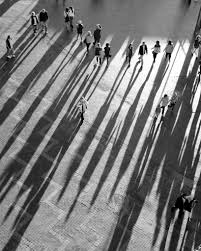
When was this picture most likely taken?

(Hint: think about the shadow's length)

a)

morning or evening

b)

night

c)

noon

d)

afternoon

61.

When an object blocks the path of light, what is formed?

a)

A problem

b)

A fog

c)

A reflection

d)

A shadow

62.

Why do shadows made by the Sun move throughout the day?

a)

Because the weather changes

b)

Because someone moves the objects

c)

Because the sun appears to move across the sky

d)

Because it's magic!

63.

Where will the tree's shadow be?

a)

A

b)

B

c)

C

64.

Where will the tree's shadow be?

a)

A

b)

B

c)

C

65.

Which position of the sun will make the longest shadow?

a)

A

b)

B

c)

C

66.

A ______________ eclipse is when the moon is further away from the earth and is unable to block the sun completely so the sun looks like a ring.

a)

Penumbral

b)

Annular

c)

Partial

d)

Total

67.

During a solar eclipse, the ______________ is blocked by the moon.

a)

New

b)

Sun

c)

Full

d)

Moon

68.

A solar eclipse can only happen during a ___________ moon.

a)

Day

b)

New

c)

Full

d)

Night

69.

A lunar eclipse happens during the __________.

a)

Day

b)

New

c)

Night

d)

Moon

70.

The ______________ is the sun's atmosphere that is visible during a solar eclipse.

a)

Corona

b)

Umbra

c)

Penumbra

d)

Moon

71.

The order during a solar eclipse is:

a)

Sun, Earth, Moon

b)

Sun, Moon, Earth

72.

A lunar eclipse can only happen during a ____________ moon.

a)

Day

b)

Full

c)

New

d)

Night

73.

The _________________ is the lighter shadows during an eclipse.

a)

Partial

b)

Umbra

c)

Penumbra

d)

Corona

74.

A ________________ eclipse is when the sun or moon is fully blocked.

a)

Partial

b)

Penumbral

c)

Total

d)

Annular

75.

The order during a lunar eclipse is:

a)

Sun, Moon, Earth

b)

Sun, Earth, Moon

76.

The _________________ is the darkest part of the shadows during an eclipse.

a)

Moon

b)

Corona

c)

Penumbra

d)

Umbra

77.

A ______________ eclipse is when only part of the sun or moon is blocked.

a)

Penumbral

b)

Annular

c)

Total

d)

Partial

78.

A ________________ eclipse is when the moon passes through Earth's penumbra and simply gets dimmer.

a)

Penumbral

b)

Partial

c)

Total

d)

Annular

79.

During a lunar eclipse, the _______________ is blocked by the earth's shadow.

a)

Moon

b)

Corona

c)

Umbra

d)

Sun

80.

A solar eclipse happens during the ______________.

a)

Night

b)

Sun

c)

Day

d)

Moon

81.

What is an eclipse

a)

Sun's light blocked

b)

Planet blocks a planet

c)

Diamond ring

d)

Penumbra

82.

the umbra is what shadow

a)

Half a shadow

b)

Three fourths a shadow

c)

Partial shadow

d)

Total shadow

83.

What is a penumbra

a)

Half a shadow

b)

Partial shadow

c)

Total shadow

d)

One fourth a shadow

84.

What moon phase creates a lunar eclipse

a)

Waxing quarter

b)

Waning quarter

c)

Full moon

d)

New moon

85.

What moon phase creates a solar eclipse

a)

New moon

b)

Full moon

c)

Waning quarter

d)

Waxing quarter

86.

When does a lunar eclipse occur

a)

Sunrise

b)

Night time

c)

Sunset

d)

Day time

87.

When does a solar eclipse occur

a)

Daytime

b)

Night time

c)

Morning

d)

Midnight

88.

A diamond ring occurs just before and after

a)

Morning

b)

Evening

c)

Totality

d)

Partial eclipse

89.

an annular eclipse occurs when

a)

Moon covers half of sun

b)

Moon covers very little of sun

c)

Moon covers all of sun

d)

Moon covers almost all of sun

90.

What is a blue moon

a)

First full moon of a month

b)

A month without a full moon

c)

Second full moon of a month

d)

Third full moon of a month

91.
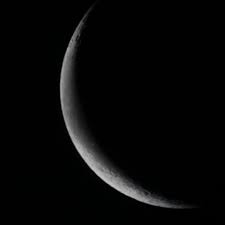
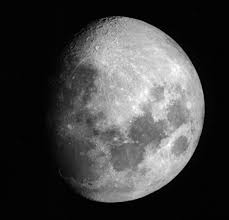
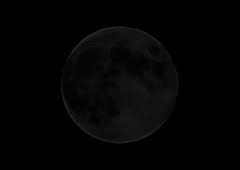
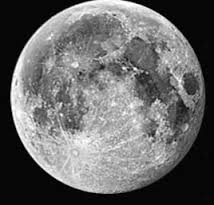
Name the moon phase
a)
waning crescent
b)
waxing crescent
c)
waning gibbous
d)
waxing gibbous
92.
Name the moon phase
a)
waning crescent
b)
waxing crescent
c)
waning gibbous
d)
waxing gibbous
93.
Name the moon phase
a)
First Quarter
b)
Last Quarter
c)
New Moon
d)
Full Moon
94.
Name the moon phase
a)
First Quarter
b)
Last Quarter
c)
New Moon
d)
Full Moon
95.
Name the moon phase
a)
First Quarter
b)
Last Quarter
c)
New Moon
d)
Full Moon
96.
Name the phase of the moon for letter a
a)
First Quarter
b)
Last Quarter
c)
Waxing Gibbous
d)
Waning Gibbous
97.
Name the phase of the moon for letter f
a)
Waning Gibbous
b)
Waxing Gibbous
c)
Waning Crescent
d)
Waxing Crescent
98.
What is illuminating the Moon?
a)
Nuclear Fusion
b)
Sunlight
c)
Mirrors
d)
Flood Lights
99.
Name the moon phase
a)
waning crescent
b)
waxing crescent
c)
waning gibbous
d)
waxing gibbous
100.
Which moon phase is when you can't see the moon at all?
a)
Waning crescent
b)
Full moon
c)
Waxing gibbous
d)
New moon
101.
The cycle of the moon lasts about a _.
a)
day
b)
year
c)
week
d)
month
102.
Which of the following words describe the phases of the moon?
a)
none, quarter, half, three quarters, full
b)
new, crescent, quarter, gibbous, full
c)
dark, light, half, quarter, blue
d)
first quarter, second quarter, third quarter, fourth quarter
103.
What is the difference between a gibbous moon and a crescent moon?
a)
The gibbous shows more than half of the bright side of the moon.
b)
The crescent shows more than half of the bright side of the moon.
c)
The gibbous shows less than half of the bright side of the moon. 
104.
How many phases does the moon go through?
a)
4
b)
8
c)
10
d)
16
105.
The moon ____________ or goes around the Earth.
a)
orbits
b)
cries
c)
climbs
106.
Changes in the moon's appearance are
a)
phases
b)
eclipses
c)
stages
d)
cycle
107.
Define Gibbous
a)
Less than half of moon visible
b)
More than half of moon visible
c)
All of moon visible
d)
None of moon visible
108.
Name the moon phase
a)
Waning Crescent
b)
Waxing Crescent
c)
Waning Gibbous
d)
Waxing Gibbous
109.
The 1st Quarter moon is lit on the:
a)
Left Side
b)
Right Side
110.
Name the moon phase that would come AFTER this moon.
a)
waning crescent
b)
waxing crescent
c)
waning gibbous
d)
waxing gibbous
111.
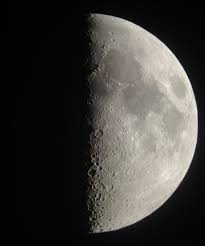
What moon phase is this picture?
a)
This is the full moon phase.
b)
This is the waxing gibbous moon phase.
c)
This is the waning gibbous moon phase.
d)
This is the first quarter moon phase.
112.
What moon phase is this picture?
a)
This is the waning crescent phase.
b)
This is the waxing gibbous phase.
c)
This is the waning gibbous phase.
d)
This is the new moon phase.
113.
What is this moon phase?
a)
This is the waxing crescent phase.
b)
This is the full moon phase.
c)
This is the waxing gibbous phase.
d)
This is the last quarter moon.
114.
What is this moon phase?
a)
This is the waxing gibbous moon phase.
b)
This is the last quarter moon phase.
c)
This is the first quarter moon phase.
d)
This is the new moon phase.  
115.
What moon phase is this picture?
a)
This is the full moon phase.  
b)
This is the waxing crescent moon phase.
c)
This is the waning gibbous moon phase.
d)
This is the waning crescent moon phase.
116.
What moon phase is this picture?
a)
This is the new moon phase.
b)
This is the waxing crescent moon phase.
c)
This is the waxing gibbous moon phase.
d)
This is the waning crescent moon phase.
117.
What moon phase is this image?
a)
This is the full moon phase.
b)
This is the last quarter moon phase.
c)
This is the waxing gibbous moon.
d)
This is the new moon phase.
118.
What phase of the moon is this image?
a)
This is the last quarter moon phase.
b)
This is the full moon phase.
c)
This is the first quarter moon phase.
d)
This is the waxing gibbous moon phase.
119.
What is the difference between a gibbous moon and a crescent moon?
a)
The gibbous shows more than half of the bright side of the moon.
b)
The crescent shows more than half of the bright side of the moon.
c)
The gibbous shows less than half of the bright side of the moon. 
120.
How many phases does the moon go through?
a)
4
b)
8
c)
10
d)
16
121.
What part of the moon do we see from Earth?
a)
all of it
b)
the same side
c)
none of it
d)
only one quarter
122.
The moon seems to change shape from day to day in a cycle that lasts about a month as it goes through _.
a)
revolutions
b)
phases
c)
rotations
d)
eclipses
123.
As the moon's shape appears to get smaller, we say that the moon is _.
a)
swelling
b)
waxing
c)
waning
d)
disappearing
124.
Phases of the moon in which the moon appears to be getting larger are referred to as _.
a)
waxing
b)
waning
c)
new
d)
eclipse
125.
The cycle of the moon lasts about a _.
a)
day
b)
year
c)
week
d)
month
126.
How long is a lunar month?  
a)
30
b)
29.5
c)
27
d)
27.3