
 Worksheets
Long Semester 2 review
Total questions: 120
Worksheet time: 2hrs 3mins
Which of the following accommodations on the space station is used by astronauts to combat the effects of microgravity on their bones?
Special handles
Velcro® straps
Exercise equipment
Oxygen system
Astronauts wear thick gloves when they perform a space walk outside the space station. The gloves provide protection against -
low gravity.
nearby comets.
low oxygen.
low temperatures.
Spacesuits have layers that have high capacity for thermal insulation in order to -
regulate body temperature in the extremes of space.
prevent the spread of bacteria which thrive in space.
allow communication with the space station.
prevent the astronaut from sweating inside the suit.
An astronaut is trying to move from one area of the space shuttle to another. What accommodations does this astronaut need?
velcro boots
spacesuit
handle bars
oxygen
Is necessary for life as we know it.
distance from the sun
magnetic field
atmosphere
water
Affects temperature of a planet.
distance from the sun
magnetic field
atmosphere
water
Earth's atmosphere is mostly made up of the gases _____ and _____.
water and ice
atmosphere and ozone layer
oxygen and nitrogen
oxygen and water
The living quarters and equipment used to protect astronauts while in space
space station
space suit
accommodations
instruments
The protective gear that protects astronauts from the cold, airless environment of space.
space station
space suit
accommodations
instruments
A man-made laboratory that is placed in space for research.
space station
space suit
accommodations
instruments
How does the food chain start?
Plant life uses energy from the sun to make food.
Insects like grasshoppers eat plant life.
Animals like rats eat insects.
Humans eat large animals and plant life.
What do we call an animal that gets eaten in a food chain?
prey
predator
producer
consumer
Which of the following are producers?
plants
humans
snakes
birds
What is the role of decomposers in the food chain?
to consume plants and animals
to produce food using energy from the sun
to eat decaying matter and return nutrients to the soil
to hunt prey
Seals eat fish. What would happen to the seal population if almost all of the fish died?
The population would grow.
The population would shrink.
Lions eat zebras. What would happen to the zebra population if all the lions died?
The population would grow.
The population would shrink.
How do consumers get energy to live?
They make their own food from the soil.
They break down decaying matter.
They make their own food from the sun.
They eat other plants and animals.
Food webs are INTERCONNECTED FOOD CHAINS.
True
False
The ARROWS in food chains and food webs show the TRANSFER OF ENERGY from one organism to the next in an ecosystem.
True
False
Decomposers are FUNGI, BACTERIA, or MOLD that breakdown dead BIOMASS and return NUTRIENTS to the soil to be used by plants.
True
False


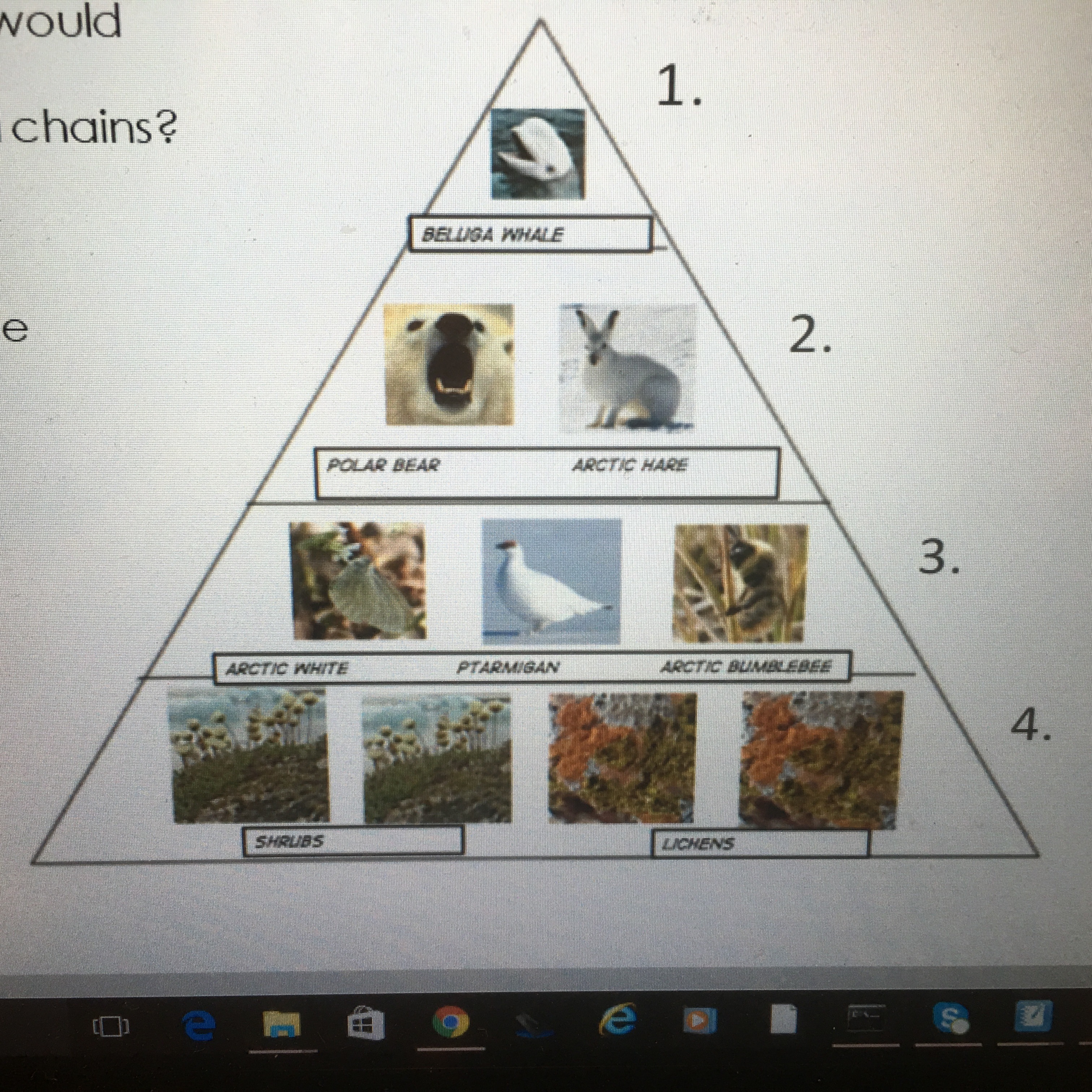


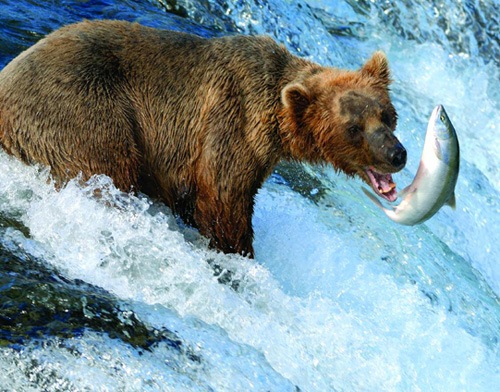


Breaking News! A new island has formed off of Hawaii! What must occur for it to become an ecosystem?
Secondary Succession
Aquatic succession
Primary Succession
Ferns must grow
Primary succession occurs in areas with:
very little soil
lots of soil
no soil
soil that has been disturbed
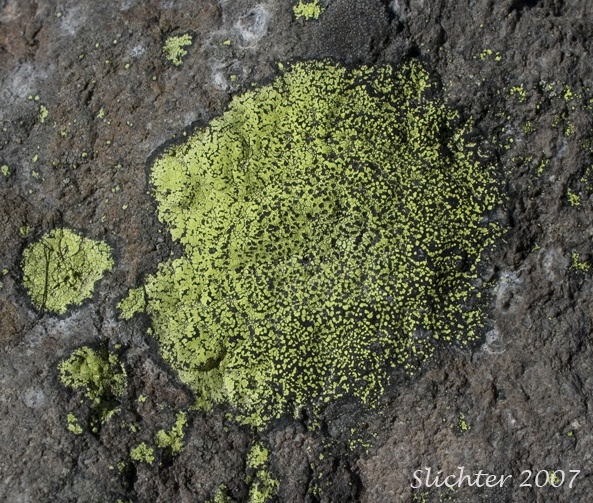
After a volcanic eruption, lava covers the land. What is the order that plants grow to repopulate the area?
Lichens → Shrubs → Grasses → Trees
Lichens → tree → shrubs→Grasses
Grasses → Lichens → Shrubs → Trees
Lichens → Grasses → Shrubs → Trees
Asexual reproduction has
1 parent
2 parents

Which type of asexual reproduction does this picture represent?
binary fission
vegetative propagation
regeneration
budding
Sexual reproduction has
1 parent
2 parents
Asexual reproduction creates offspring that are
genetically identical to the parent
different from the parent
different from each other
formed by 2 parents
Budding, vegetative propagation, regeneration, and binary fission are all types of
sexual reproduction
asexual reproduction
Plants like potatoes and strawberries reproduce by
regeneration
binary fission
vegetative propagation
budding

The type of asexual reproduction shown in the diagram is called
regeneration
binary fission
vegetative propagation
budding

The type of asexual reproduction shown in the picture is called
regeneration
binary fission
vegetative propagation
budding
A hydra has 32 chromosomes and reproduces by budding. How many chromosomes does its offspring have?
8
16
32
64
What is it called when the egg and sperm cell join?
zygote
gamete
fertilization
mitosis

An organism that can make its own food
autobot
heterotroph
autotroph
heterobot

An organism that cannot make its own food.
autobot
heterotroph
autotroph
heterobot

The 'outputs' of a chemical reaction. Located on the right side of a chemical equation.
products
produce
consumers
detritis

Location inside of a plant cell where the process of photosynthesis occurs.
nodules
stomata
chloroplasts
chlorophyll

A simple sugar that is an important energy source in living organisms
stevia
fructose
glucose
glycerin

A process plants use to turn sunlight into food: Conversion of light energy from the sun into chemical energy (stored in glucose).
toxoplasmosis
photosynthesis
aqua-synthesis
homeosynthesis

A gas that plants release during photosynthesis
oxygen
methane
propane
carbon dioxide

A gas that plants take in through small holes in their leaves for the process of photosynthesis.
oxygen
methane
propane
carbon dioxide

Taken in by the leaves of the plant to give the chloroplasts energy for food production.
chlorophyll
oxygen
water
sunlight

A product in photosynthesis
CO2
O2
H2O
heat

A reactant in Photosynthesis
PB
NACL
H20
CO2

glucose, also known as sugar
ARETMIS1
fructose
C6H12O6
C3POR2D2
What are the reactants in Photosynthesis?
Sun, CO2, glucose
glucose and oxygen
sun, carbon dioxide, water
water, glucose
Photosynthesis occurs in:
Mitochondria
Chloroplasts
Humans
Animals
How do humans get glucose so they can live?
breathe it in
photosynthesis
eat food
drink liquids
Mitochondria and Chloroplasts are:
organelles
cells
only in humans
only in plants
For photosynthesis, a plant needs water, sun, and...
oxygen
carbon dioxide
glucose
mitochondria
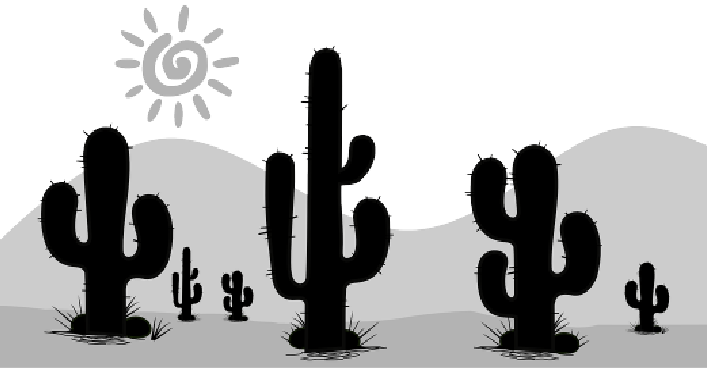
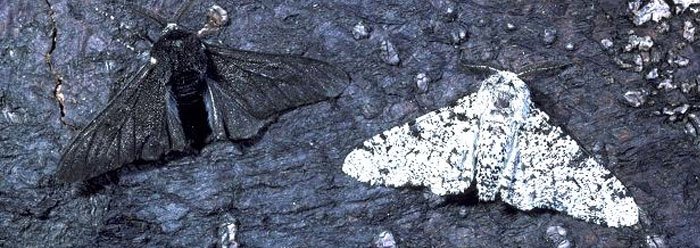
Natural Selection is driven by a change in the environment and survival of the
Smartest
Fastest
Most well adapted
Biggest
What word describes a trait that helps an organism survive in its environment?
natural selection
mutation
camouflage
adaptation
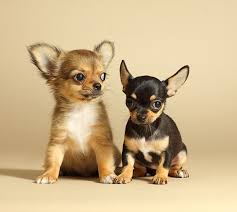
Dogs evolved from wolves as an example of....
Selective Breeding
Natural Selection
Mutations
Extinction
What is it called when humans decide which traits of an organism are the most desirable and only allow those organisms with the specific, desired traits to breed.
biological evolution
evolution by natural selection
selective breeding
inbreeding
Natural selection
organisms better adapted to their environment tend to survive and produce more offspring
process used by humans to develop new organisms with desirable characteristics
Selective breeding
organisms better adapted to their environment tend to survive and produce more offspring
process used by humans to develop new organisms with desirable characteristics
"Survival of the fittest" describes which theory
Natural selection
Selective breeding

Which is an example of selective breeding?
A giraffe's long neck.
Clipping a horse's tail so it's not too long.
Training a horse to run faster.
Cross breeding a labrador retriever with a poodle .

The long and sharp beak of a woodpecker is an example of
natural selection
selective breeding

Natural selection is where ___________ decides which traits should be passed on.
nature
a human
traits
evolution

Selective breeding is where _____________ decides which traits should be passed on.
nature
a human
traits
evolution

How can farmers best use selective breeding to increase apple production?
By limiting the number of trees growing so they can have more space.
By choosing trees that are the largest in size.
By increasing the amount of water and fertilizer the trees receive.
By choosing trees that consistently have the most apples.

What definition BEST describes a watershed?
An area where water infiltrates the soil
An area where aquatic plants and animals thrive
An area where snow melts and changes into liquid water
An area that collects precipitation and drains it to the lowest point
Which statement about water pollution is TRUE?
Pollution only affects surface water.
Pollution cannot be dissolved in water.
Pollution affects both surface and groundwater.
Pollution cannot travel through soil to groundwater.

Which of the following models BEST represents how water flows in a watershed?
A
B
C
D

A neighborhood in a small Texas town had to be evacuated because the houses were sinking due to a problem in the aquifer. What is the most likely cause of this problem?
Heavy rains caused oversaturation of soil foundations.
Overbuilding in the area polluted the ground water.
Runoff from fertilized land created a dead zone.
Excessive removal of water weakened the ground.

The use of pesticides and fertilizers is carefully monitored because of the effect they can have on the environment. Which of the following is a possible negative effect of the use of these chemical on the environment?
These chemicals are expensive to produce.
Runoff carries these chemicals into lakes and streams.
Storage space for these chemicals is limited.
Theses chemicals cannot be purchased in large bulk.
All water below the surface of land is called__________.
water table
watershed
groundwater
runoff
The process where water or irrigation runs over land and seeps into the ground, or flows into streams or oceans.
water cycle
runoff
precipitation
evaporation

Which of the following best describes water table?
It is in unsaturated zone.
It is a surface water
it is the top of saturation zone.
It is an aquifer.

Rapid growth of algae in a pond is often the result of -
loss of habitat due to commercial building.
flooding that causes water levels to rise.
excess nutrients from fertilizer runoff.
clogged river tributaries entering a lake.
Filtering, as in water filtering through rocks and sediments.
porosity
percolation
permeability
condensation
The ability for water to flow through rocks and sediments.
porosity
permeability
percolation
infiltration
The large underground bodies of water containing fresh water used by humans are called:
Aquifers
Runoffs
Ponds
Collections

How do most pollutants get into our watershed?
Factories dump pollution into creeks and rivers
Runoff from heavy rain carries it into creeks and rivers
Oil spills leak into creeks and rivers
Why should we be concerned with runoff water from neighborhood and city streets that goes into storm drains?
It can host alligators and other dangerous animals
It can get into water pipes and flood houses and businesses
It isn't filtered or cleaned and empties directly into creeks
Bacteria is one of the main pollutants of concern in our watershed. What is the source of most pathogenic (harmful) bacteria that gets into our waters?
Animal feces or human sewage
Trash
Fertilizers
It reduces the bacteria and nutrients that get into our water
It keeps the water from getting muddy
It helps the water smell clean
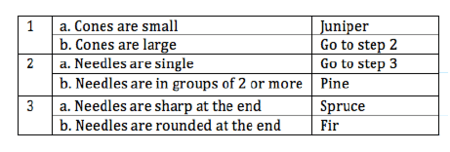
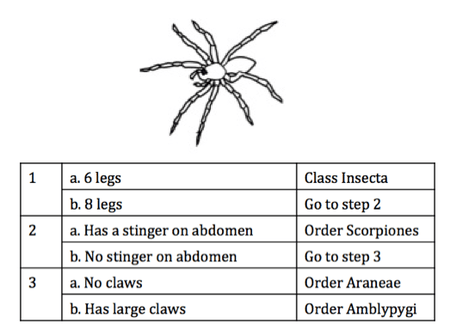
What is the function of hollow bones in birds?
to help the bird fly
to help the bird walk
to help the bird make nests
to protect the birds from predators
Blubber is an example of an internal structure in penguins. What function does the blubber perform for the penguin?
protects the penguin from the hot temperatures
protects the penguin from the freezing temperatures
protects the penguin from predators
the blubber allows the penguin to take awesome naps

Which organism has feathers but does not swim?
Duck
Hen
Lizard
Snake

Which type of organism has fur?
Mammal
Bird
Reptile
Amphibian

Which type of organism has no fur but has feathers?
Mammals
Birds
Reptiles
Amphibians

