
 Worksheets
Homeostasis and Feedback Loops Review- NGSS
Total questions: 50
Worksheet time: 33mins
In the human circulatory system, the circuit (or loop) that carries oxygenated blood from the left side of the heart and then returns deoxygenated blood from the body back to the right side of the heart is the (a)
In the human circulatory system, the circuit that carries deoxygenated blood from the right side of the heart and brings oxygenated blood back to the left side of the heart is (a)


According to the model, what would happen if the pancreas did NOT detect rising blood glucose (sugar) level?
Blood sugar would return to normal
Most body cells would take up more glucose
Blood sugar would stay above normal
The liver would get the message to store glucose as glycogen
The ability to maintain body temperature within a certain range is ...
thermodynamics
thermoregulation
thermostat
thermometer
is the maintenance of a relatively stable internal environment
is the maintenance of a relatively stable external environment
When you exercise, what gas does your body NEED more of?
Blood
Carbon dioxide
Hydrogen
Oxygen
According to the model, what is the response to LOW blood glucose (sugar)?
Pancreas releases insulin into blood
Pancreas releases glucagon into blood
Identify the STIMULUS.
Scenario: A person begins to exercise which causes their body temperature to increase. The temperature change is noticed and the person begins to sweat and their body temperature decreases.
temperature change is noticed
person begins to sweat
body temperature decreases
person begins to exercise
Identify the RESPONSE.
Scenario: A person begins to exercise which causes their body temperature to increase. The temperature change is noticed and the person begins to sweat and their body temperature decreases.
temperature change is noticed
body temperature increases so the person begins to sweat
body temperature decreases
person begins to exercise

Which hormone is released when blood sugar gets too high?
glucose
glucagon
glycogen
insulin

The kinds of chemicals that control feedback loops
hormones
homeostasis
disease

Sweating when exercising or hot outside
Negative Feedback Loop
Positive Feedback Loop
The ______ system helps you move, protects your organs, gives support to the body, and makes red blood cells.
skeletal system
muscular system
digestive system
respiratory system
The ________ system works with the skeletal system to help you move and provides shape and warmth.
skeletal
integumentary
muscular
digestive
The _____ system's function is to break down food into molecules that the body (cells) can use for energy.
muscular
digestive
respiratory
endocrine
The _____ system is a transport system, carrying oxygen, carbon dioxide, and wastes to and away from cells using the heart and blood.
endocrine
circulatory
respiratory
excretory
The ______ system's function is gas exchange. It brings oxygen in and exhales carbon dioxide with the lungs, trachea, and diaphragm
endocrine
excretory
circulatory
respiratory
The _______ system includes the skin, hair, and nails. It is the body's first line of defense, absorbs vitamin D, excretes sweat.
respiratory
nervous
Integumentary
skeletal
This system controls the body using the brain, spinal cord, and nerves.
nervous system
endocrine system
excretory system
digestive system
The ________ system is made of glands that secrete hormones into the blood to maintain homeostasis (balance)
excretory
endocrine
digestive
circulatory
The ______ system removes the body's wastes through the kidneys (cell wastes), digestive (feces), respiratory (CO2), and integumentary (salts/sweat)
excretory
digestive
respiratory
circulatory
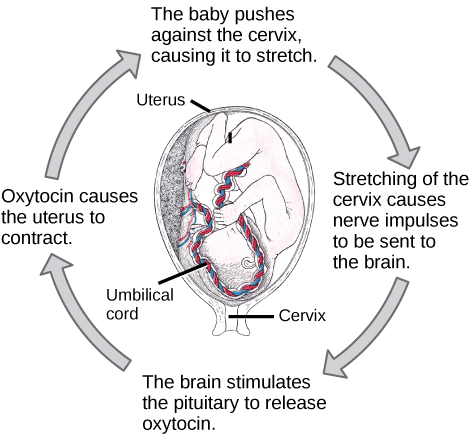
Identify each step in the hormone signaling pathway
Each of the 11 body systems:
Is interchangeable
Depends on others to function
Performs a single task
Is controlled by the lungs
The excretory system gets rid of:
Nutrients
Cartilage
Waste
Oxygen
The _______ system delivers oxygen and nutrients to every cell in the body.
Circulatory
Lymphatic
Integumentary
Nervous
Place the systems above or under their correct body organ diagrams. The box is over or under the center of the body it belongs too.
Match the following body functions to the two systems that are working together to complete the function.
Vomiting up food
Digestive & Muscular
Running a mile
Circulatory & Respiratory
Getting Pregnant
Reproductive & Endocrine
Becoming sick
Immune & Endocrine
Burning your skin
Integumentary & Nervous
Match the organ system with its function(s).
Integumentary System
Protects the body and helps control body temperature
Skeletal System
Provides support, protects organs, helps the body move
Respiratory System
Takes in oxygen and removes carbon dioxide
Digestive System
Breaks down food, absorbs nutrients, and removes waste
Match the organ system with its function
Nervous System
Controls the body
Circulatory System
Transports oxygen and nutrients through the body
Muscular System
Helps move the body
Excretory System
Removes waste
Which system transports nutrients and oxygen to the parts of the body? (a)
listening to sounds of the body (with stethoscope)
Palpation
Auscultation
The purpose of the heart valves are to
slow the blood as it enters a ventricle
slow the blood as it enters the atria
prevent blood from flowing backward
prevent blood from flowing into the lungs
ECG stand for
Electrocardiograph
Electrocardiogram
Electrocardiopraphy
Electronicardiogram
ECG is a reading that shows
the activity of heart
the electrical activity of cardiac muscle
the systole and diastole of cardiac muscle
the initiation of heartbeat
What does MRI stand for?
MAGNETIC RESONANCE IMAGING
MAGNETIC RADIATION
IMAGING
MERCURY
RADIATION
IMAGING
MERCURY
RADIO WAVES
IMAGING


