
Font size
 Worksheets
LS FINAL LONG
Total questions: 95
Worksheet time: 1hrs 25mins
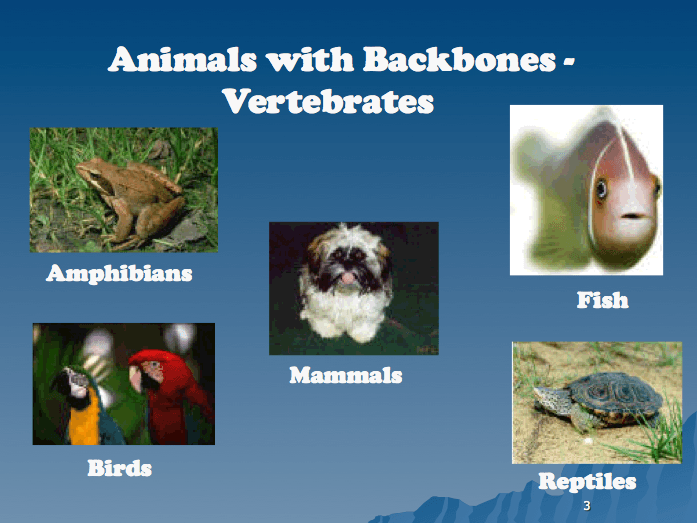
Mammals, fish, birds, reptiles and amphibians are all ___.
Vertebrates
Invertebrates
Fish
Polychordates
True or false: Animals are multicellular and Eukaryotic
True
False
Animals can be grouped into two large categories called _______________ and _____________.
Fish and Mammals
Invertebrates and Mammals
Vertebrates and Fish
Vertebrates and Invertebrates
A ____________________ is an animal with a backbone.
Mammal
Chordate
Vertebrate
Invertebrate
About 95% of the animal kingdom is made up of ___________.
Fish
Mammal
Vertebrates
Invertebrates
The ability of an organism to maintain a constant internal environment is called...
Osteoporosis
Periosteum
Homeostasis
Tissue


How many males are carriers?
2
3
4
5
What are the two main types of mutations?
inversion and deletion
genetic and chromosomal
DNA and genetic
somatic and frameshift
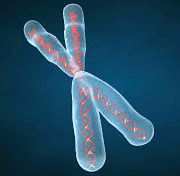
The number of human chromosomes is
23
46
92
64
How many pairs of chromosomes do human cells contain?
23
46
16
32
Genes are found within bands of DNA. Which sentence best describes the function of a gene.
Genes create more DNA for the organism to use later.
Genes create instructions that tell cells which proteins to make.
Genes create chromosomes for organisms to pass down to their offspring.
Which best describes a controversial issue associated with the use of genetically modified crops?
the use of genetically modified crops to increase potential yield
the short term use of genetically modified crops in famine stricken countries
the development of genetically modified crops which are resistant to herbicides
the long term effects which may arise from the use of genetically modified crops
Agriculture
Environmental
Medicine
Mining
Which is the following is NOT one of the six kingdoms?
Animal
Human
Plant
Fungi
In which part of the taxonomy classification levels are the organisms most diverse (least similar)?
Kingdom
Phylum
Genus
Species
In which part of the taxonomy classification triangle are the organisms most similar?
Kingdom
Phylum
Genus
Species
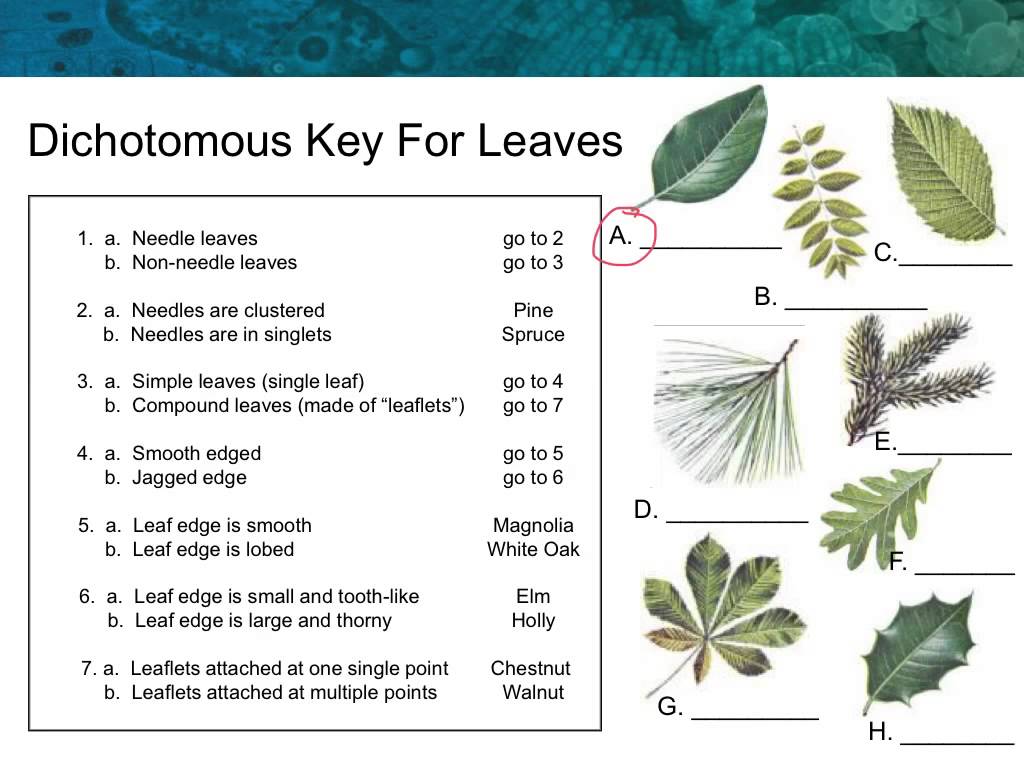
What is a dichotomous key used for in science?
To organize biomes
Classify organisms
Identify bacteria only
None of these


Reorder the following taxonomic Categories from least related to most related
Class
Order
Family
Genus
Species
Which two taxonomic groups give you the scientific name of an organism?
Class & Family
Domain & Kingdom
The common Name
Genus & Species
A __________ is a type of information that causes a reaction or change in an organism.
behavior
migration
stimulus
I wasn't paying attention

A spider making a web is an example of a _______.
stimulus
genetic behavior
innate behavior
learned behavior
________________ behaviors result from an interaction between innate behaviors & past experiences.
Genetic
Hunting
Innate
Learned

This picture is an example of which type of learning?
insight learning
imprinting
classical conditioning
operant conditioning
All animals are...
(select all that apply)
Autotrophs
Heterotrophs
Multicellular
Prokaryotes
Eukaryotes
Vertebrates are more complex than sponges...
because they are bigger.
because they are made of cells.
because they are made of cells, tissues, organs, and organ systems that work together.
because they live longer.
Animals are classified in the domain....
Archaea
Eukarya
Bacteria
Fungi
An endotherm is...
warm-blooded
an internal skeleton
an external skeleton
cold-blooded
What is an endoskeleton?
Fatty Sacs
An internal skeleton
An external skeleton
No skeleton


What type of symmetry does a dog have?
bilateral
radial
asymmetrical
no symmetry

Insects are examples of _________________
vertebrates
mollusks
fish
invertebrates
What is the circulatory system in Echinoderms called?
A complex system
a water based vascular system
a saline based system
a blood based system
What do all arthropods have?
6 legs
8 legs
stiff legs
jointed legs
Describe the body form of a sponge.
A sponge is open at the bottom and closed at the top.
A sponge is closed at the bottom and open at the top.
What does porifera mean?
sponge
having holes
water flows through
dead animal
What does "having an open circulatory system" mean?
the blood can leave the body
the animal doesn't have a heart
the blood is not contained in blood vessels
the blood is blue in color
What kingdom do invertebrates such as the Porifera and Cnidaria belong?
Plantae
Porifera
Animalia
Fungi
A type of worm that looks like a thin tube.
flatworm
segmented worm
roundworm
Sessile means:
move from place to place
stay in one place
Which of the following is NOT shared by all arthropods?
appendenges
exoskeleton
vertebrates
segmented bodies
What is NOT part of the insects three body regions?
Head
Neck
Thorax
Abdomen
What two levels make up a scientific name? (a)
All Chordates have (as some point during their development) what three things?
(select all that apply)
notochord
nerve cord
backbone
throat slits
all Chordates have a backbone
True
False
Which of the following is one of the five groups of vertebrates?
worms
reptiles
sponges
insects
Which of the following classes represents a vertebrate with fur or hair?
Birds
Mammals
Arachnids
Reptiles
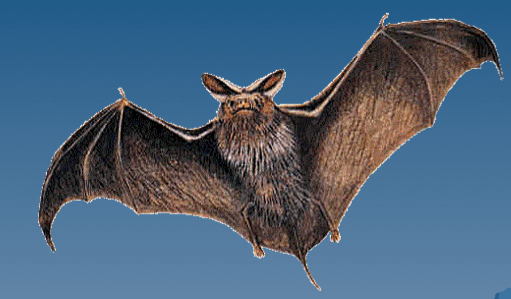
I have fur and I can fly. I feed my young on milk, and have live births. What am I?
Reptile
Bird
Mammal
Fish
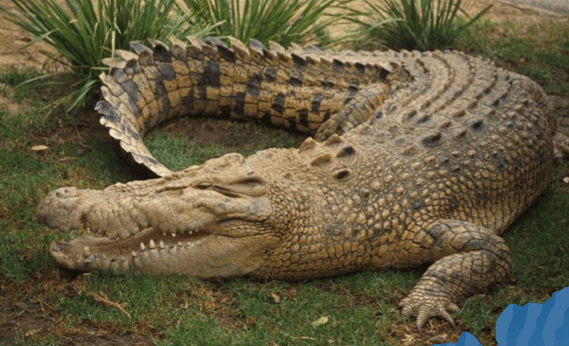
Animals that begin their life in the water and later live on land are called...
Birds
Amphibians
Mammals
Reptiles
How are amphibians and reptiles alike
(select all that apply)
both are cold blooded
both have scaly skin
both lay eggs
both have backbones
Mammals are covered with....
Sand
Hair
Feather
Thorns
What do mammals use to breathe with?
Gills
Skin
Lungs
Blood
A _______ blooded animal uses heat from its surroundings to stay warm.
Warm
Cold
Which of the following IS NOT a major group of fishes?
jawless fishes
respiratory fishes
bony fishes
cartilaginous fishes
Reptiles are adapted to conserve ______.
thick skin
ectotherms
water
lungs
What means "a change in form"?
metamorphosis
photosynthesis
ectothermic
A ________________________ is soft and used for insulation
crop
down feather
bird
gizzard
contour feather
This helps fish to maintain constant depth in the water.
fins
gills
swim bladder
eye
2. What are the stages of complete metmorphosis?
Egg, Nymph, Adult
Egg, Larva, Pupa, Adult
Egg, Larva. Pupa
Egg, Pupa, Adult
Select ALL the vertebrates from the list below:
dog
fish
clam
reptile
lobster
The (a) levels that 2 organisms share, the more similar they are to each other.

