
 Worksheets
Physical Science Review (ESL)
Total questions: 100
Worksheet time: 3hrs 20mins
Name
Class
Date
1.
everything that has mass and takes up space.
a)
Matter
b)
Mass
c)
Volume
d)
Substance
2.

change from a gas to a liquid.
a)
Boiling
b)
Evaporating
c)
Condensing
d)
Particle Diagram
3.
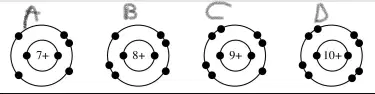
Oxygen is a gas important for life and represents about 21% of Earth’s atmosphere. Which of the following illustrations below best represents a Bohr diagram of an oxygen atom?
a)
A
b)
B
c)
C
d)
D
4.
What are atoms composed of?
a)
Protons and electrons.
b)
Protons, neutrons, and electrons.
c)
Neutrons and electrons.
d)
Ions, elements, and compounds.
5.
What is the mass number and name of an element with 8 protons and 8 neutrons?
a)
16 - Carbon
b)
16 - Oxygen
c)
24 - Oxygen
d)
8 - Neon
6.
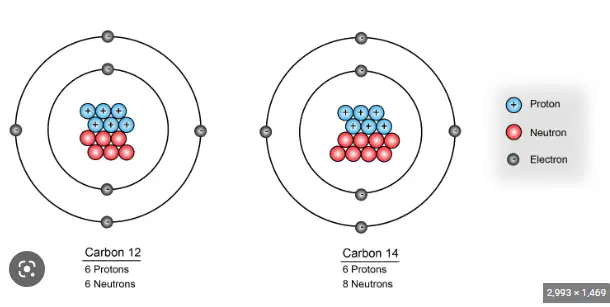
When two atoms of the same element have different masses, they are called ______, and have a different number of ______.
a)
Neutrons; Isotopes
b)
Atoms; Isotopes
c)
Isotopes; Protons
d)
Isotopes; Neutrons
7.
Calcium has the atomic number 20. If it has a mass number of 46, how many neutrons are present?
a)
46
b)
20
c)
26
d)
We cannot tell
8.
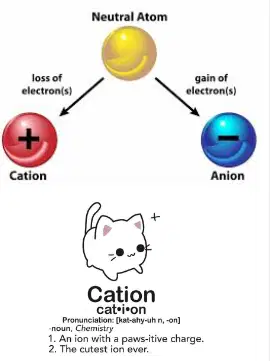
An ion forms when an atom gains or loses
a)
Protons
b)
Neutrons
c)
Electrons
9.

A neutral atom would become an ion that has a charge of 2+ by
a)
Gaining two protons
b)
Losing two protons
c)
Losing two electrons
d)
Gaining two electrons
10.

Equation shows the radioactive decay process. Identify the type of decay.
a)
Gamma Decay
b)
Alpha Decay
c)
Beta Decay
11.

This could be the dot diagram of
a)
P
b)
Ar
c)
Na
d)
B
12.

______________ = an element that has properties of both metals and nonmetals.
a)
Metalloid (Semimetal)
b)
Periods
c)
Group
13.
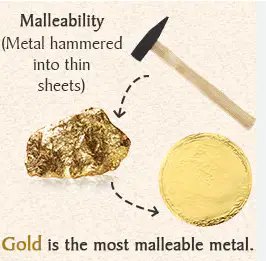
______________ = the ability to withstand hammering and can be made into thin sheets known as foils.
a)
Ion
b)
Luster
c)
Dull
d)
Malleability
14.
The chemical symbol for Carbon is
a)
C
b)
Cb
c)
Ca
d)
Cn
15.
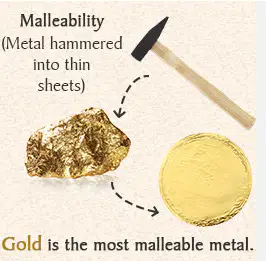
Which of the following is a physical characteristic of a metal?
a)
insulator
b)
malleable
c)
brittle
d)
semiconductor
16.

Look at the periodic table that is provided. Where would nonmetals be located?
a)
to the left of the table
b)
to the right of the table
c)
in the zigzag (staircase) line
17.
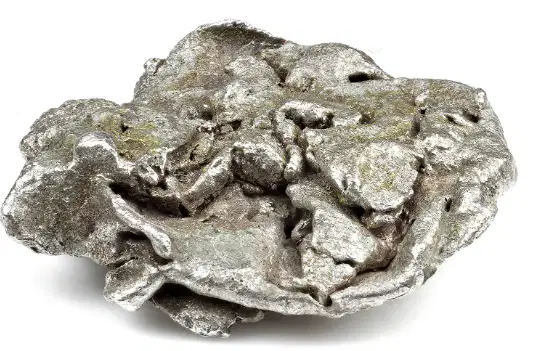
If a student observes a silvery solid that is malleable, good conductor, and ductile it is a...
a)
nonmetal
b)
metal
c)
metalloid
18.
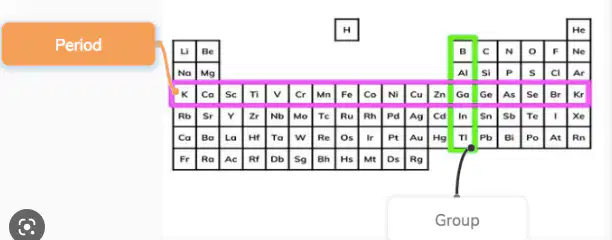
The Periodic Table is organized into _________ and __________.
a)
Atoms, things
b)
Groups, Periods
c)
Groups, metals
d)
Nonmetals, Periods
19.
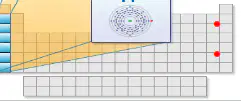
This group is made of the MOST reactive metals.
a)
Transition metals
b)
Metalloids
c)
Alkali Metals
d)
Alkaline Earth Metals
20.

What type of bond is formed when electrons are transferred (stolen, or given) from one atom to another?
a)
Ionic Bond
b)
Covalent Bond
c)
Metallic Bond
d)
Acidic Bond
21.
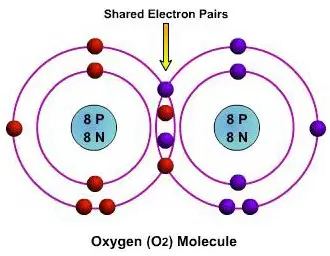
What type of bond forms when atoms share electrons?
a)
Ionic Bond
b)
Covalent Bond
c)
Metallic Bond
22.
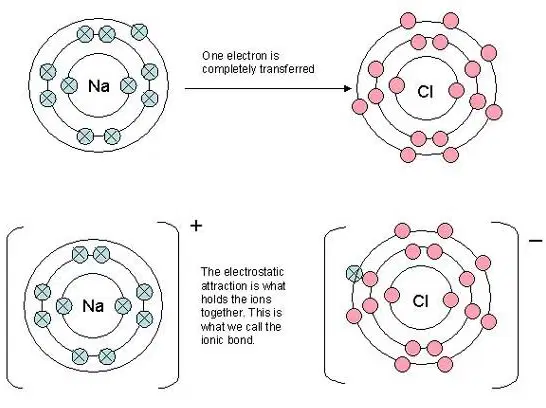
What type of bond forms when metals react with nonmetals?
a)
ionic
b)
covalent
c)
metallic
d)
James
23.

What type of bond forms when a nonmetal reacts with a nonmetal?
a)
ionic
b)
covalent
c)
metallic
d)
James
24.
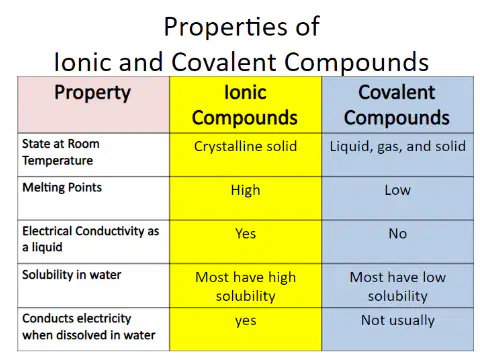
Which type of compound usually has lower conductivity, boiling point, and melting point?
a)
Ionic
b)
Covalent
c)
Metallic
25.
Which of these represents a formula with ionic bonds?
a)
Option 1
b)
Option 2
c)
Option 3
d)
CO
26.
Which of these represents a molecule with covalent bonds?
a)
NaCl
b)
Option 2
c)
CaO
d)
Option 4
27.
Which of these has the highest boiling point because it is ionic?
a)
Option 1
b)
Option 2
c)
NaCl
d)
Option 4
28.

What is the name for ..?
a)
Dilithium oxide
b)
Lithium oxide
c)
Lithium dioxide
d)
Lithium monoxide
29.

Name the compound:
a)
sulfur trioxide
b)
sulfite ion
c)
sulfur oxide
d)
sodium trioxide
30.
The Law of Conservation of Matter
a)
tells how many atoms of an element are contained in one molecule or formula unit.
b)
the starting materials in a chemical reaction
c)
the new substances that are formed in a chemical reaction
d)
A law stating that atoms are not created or destroyed during a chemical reaction.
31.

How many HCl molecules do you need to balance this equation?
a)
1
b)
2
c)
3
d)
4
32.

The following is what type of reaction:
a)
Synthesis
b)
Decomposition
c)
Single Replacement
d)
Double Replacement
33.

the smallest unit of matter that retains all of the chemical properties of an element and cannot be broken down chemically.
a)
Physical Change
b)
Chemical Change
c)
Atom
d)
Molecule
34.
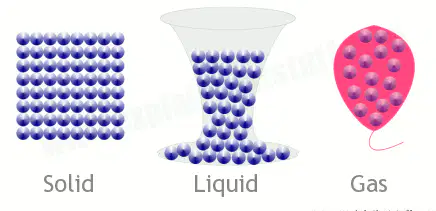
has a definite volume but it takes the shape of a container.
a)
Liquid
b)
Periodic Table
c)
Chemical Formula
d)
Subscript
e)
Solid
35.
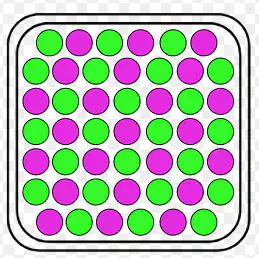
a mixture in which substances are evenly distributed throughout the mixture (all the same throughout).
a)
Homogeneous Mixture
b)
Physical Property
c)
Density
d)
Chemical Property
36.
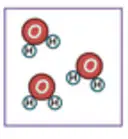
This picture represents:
a)
Element
b)
Compound
c)
Mixture of Elements
d)
Mixture of Compounds
37.
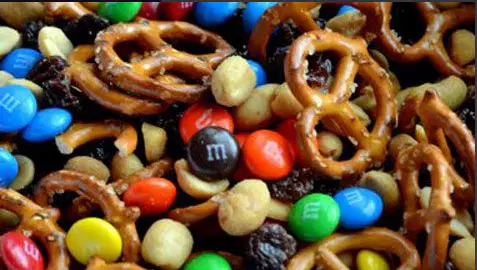
What type of mixture is this?
a)
homogenous mixture
b)
chemical
c)
heterogeneous mixture
d)
solid mix
38.
If you change a substance into a new substance...
a)
Partial Change
b)
Physical Change
c)
Chemical Change
d)
Freezing
39.
Which is NOT a chemical change?
a)
Leaves changing colors in the fall
b)
Iron rusting
c)
Digesting Lunch
d)
Ice Melting
40.
A mixture is made when two or more substances are combined, but they are not combined chemically.
General properties of a mixture:
The components of a mixture can be easily separated.
The components each keep their original properties.
The proportion of the components is variable.
A mixture is the combination of two or more substances that can be easily separated.
True or False?
a)
True
b)
False
41.
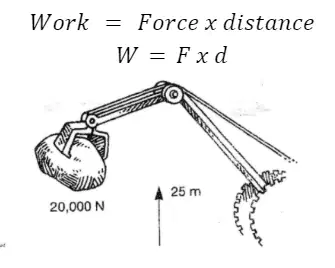
If a crane moves a rock upward for 25 m with a force of 20,000 N, how much work did the crane use?
a)
500,000 J
b)
800 J
c)
45,000 J
d)
5,000 J
42.

____________________ _______________ is a circuit that contains more than one path for current flow.
a)
Friction
b)
Electric charge
c)
Voltage
d)
Parallel Circuit
43.

___________________ is a material that does not allow heat or electrons to move through it easily.
a)
Conductors
b)
Insulator
c)
Fuse
d)
Ammeter
44.
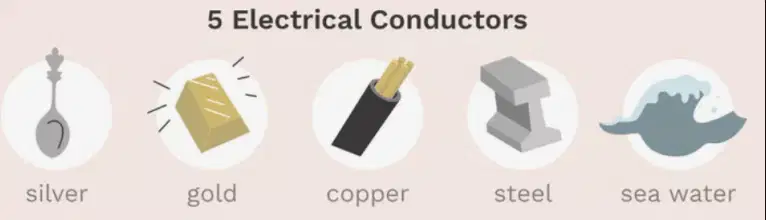
_______________ are materials which allow charges or heat to move through them.
a)
Conductors
b)
Insulator
c)
Fuse
d)
Ammeter
45.

_______________ _________________ is an electric circuit with a single path.
a)
Electrons
b)
Electric current
c)
Series Circuit
d)
Circuit Breaker
46.

_________________ - Charge moves without contact from a charged object to another object through the influence of the first object's electrical field. No charge is actually transferred, the charges within the second object simply rearrange.
a)
Static electricity
b)
Induction
c)
Voltmeter
d)
Magnetic Field
e)
Magnetic Pole
47.
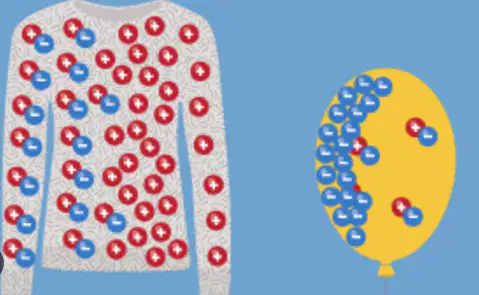
_______________ __________________ is the electric charge which builds up on an object (thus it is not moving and is considered ‘static’).
a)
Static electricity
b)
Induction
c)
Voltmeter
d)
Magnetic Field
e)
Magnetic Pole
48.
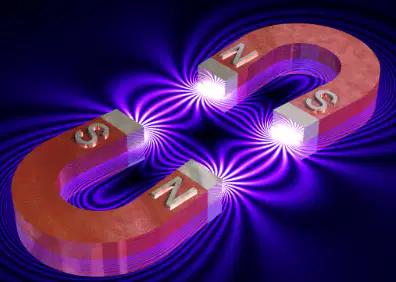
________________ is a property which creates North and South poles in a material.
a)
Electrical Circuit
b)
Resistance
c)
Conduction
d)
Electric force
e)
Magnetism
49.
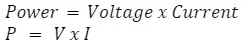
What is the power when a voltage of 220 V pushes a 2-A current through a lightbulb?
a)
440 W
b)
110 W
c)
218 W
d)
222 W
50.

What amount of current flows through a 100 W heater if it is plugged into a 120 V outlet?
a)
12000 A
b)
0.83 A
c)
20 A
d)
1.2 A
51.

What is the voltage needed in a computer circuit if a part gives off energy at 6 W if it uses a current of 0.2 A?
a)
6.2 V
b)
1.2 V
c)
20 V
d)
30 V
52.

A current of 125 amps is flowing through a copper wire with a resistance of 0.021 ohms. What is the voltage?
a)
5952 V
b)
2.625 V
c)
0.000168 V
d)
125.021 V
53.
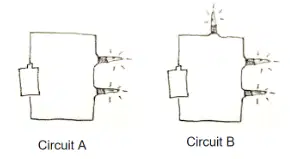
In the two circuits on picture all the light bulbs are exactly the same. Decide if statement is True or False: The bulbs in circuit A will be the same brightness as the bulbs in circuit B.
a)
True
b)
False
54.
Which circuit is an open circuit?
a)
Option 1
b)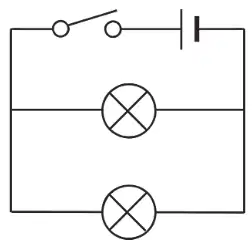
Option 2
55.
Which circuit is a parallel circuit?
a)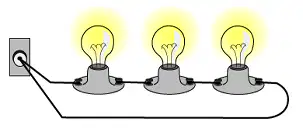
Option 1
b)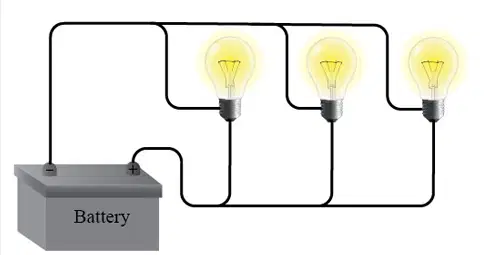
Option 2
56.
Which circuit is a series circuit?
a)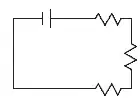
Option 1
b)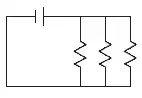
Option 2
57.
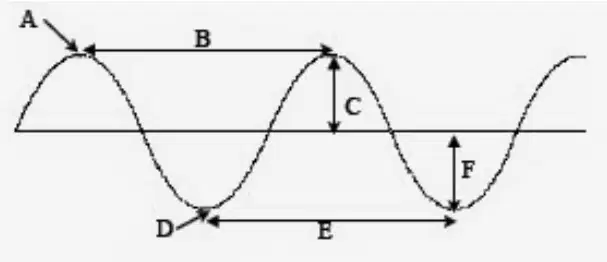
Which letter(s) represents amplitude?
a)
C and F
b)
A and D
c)
B and E
d)
D
e)
A
58.
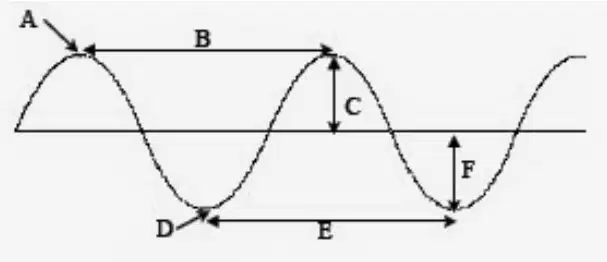
Which letter(s) represents wavelength?
a)
B and E
b)
A and D
c)
D
d)
A
e)
C and F
59.
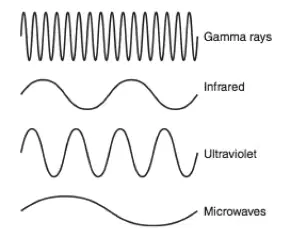
Which wave has the highest frequency?
a)
Gamma rays
b)
Infrared wave
c)
Ultraviolet wave
d)
Microwave
60.
A wave with a frequency of 7 Hz has a wavelength of 1.5 meters. At what speed will this wave travel?
v = f λ
(Where λ is the wavelength, f - frequency, v - velocity)
a)
4.7 m/s
b)
0.2 m/s
c)
10.5 m/s
d)
8.5 m/s
61.
The speed of a wave is 55 m/sec. If the wavelength of the wave is 0.9 meters, what is the frequency of the wave?
f = v/λ
(Where λ is the wavelength, f - frequency, v - velocity)
a)
49.5 Hz
b)
61.1 Hz
c)
54.1 Hz
d)
55.9 Hz
62.
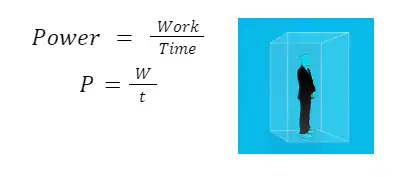
If an elevator motor uses 80,000 J of work in 40 seconds, how much power was applied?
a)
4,000 W
b)
2,000 W
c)
3,200,000 W
d)
0.0005 W
63.
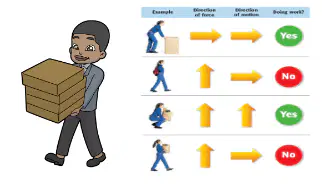
Yes if work exists or No if work doesn’t exist:
A person who is carrying boxes and walking left.
a)
Yes
b)
No
64.
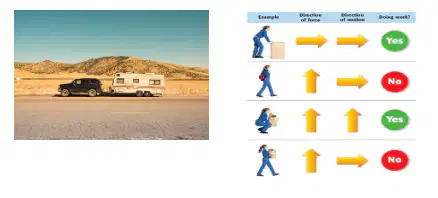
Yes if work exists or No if work doesn’t exist:
A car that pulls a trailer.
a)
Yes
b)
No
65.

________________= a ramp which lengthens a lifting motion.
a)
Inclined Plane
b)
Screw
c)
Wedge
d)
Wheel and axle
e)
Pulley
66.

______________ = a double inclined plane thin at one end.
a)
Wedge
b)
Inclined Plane
c)
Screw
d)
Wheel and axle
e)
Pulley
67.
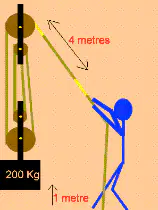
______________= wheels and strings used to spread out weight in lifting.
a)
Pulley
b)
Inclined Plane
c)
Screw
d)
Wedge
e)
Wheel and axle
68.

______________ = a rod with a pivot point.
a)
Lever
b)
Inclined Plane
c)
Screw
d)
Wedge
e)
Wheel and axle
69.
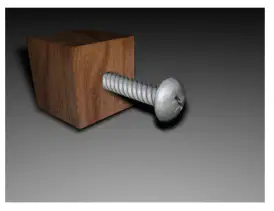
_____________ = an inclined plane wrapped around a pole.
a)
Screw
b)
Inclined Plane
c)
Wedge
d)
Wheel and axle
e)
Pulley
70.
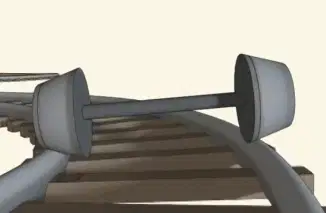
______________________= a circular lever.
a)
Wheel and axle
b)
Inclined Plane
c)
Screw
d)
Wedge
e)
Pulley
71.
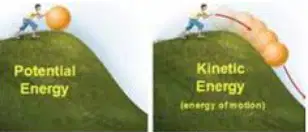
__________ Energy is energy from motion.
a)
Potential
b)
Kinetic
c)
Thermal
d)
Conservation
72.
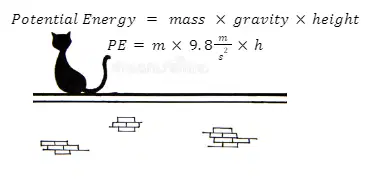
If a 2.8 kg cat is sitting on a 3 meter high wall, what is the potential energy of the cat?
a)
82.32 J
b)
8.4 J
c)
27.44 J
d)
29.4 J
73.
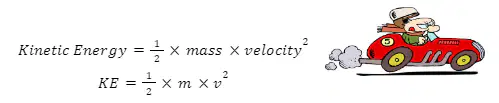
If a 850 kg car is traveling at a speed of 22 m/s, what is the kinetic energy?
a)
411,400
b)
205,700
c)
18,700
d)
9,350
74.
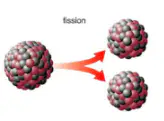
Which type of potential energy is taking place in picture?
a)
Electrical
b)
Gravitational
c)
Nuclear
d)
Chemical
e)
Elastic
75.

Which type of potential energy is taking place in picture?
a)
Electrical
b)
Gravitational
c)
Nuclear
d)
Chemical
e)
Elastic
76.

Which type of potential energy is taking place in picture?
a)
Electrical
b)
Gravitational
c)
Nuclear
d)
Chemical
e)
Elastic
77.
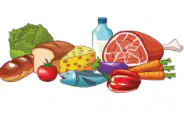
Which type of potential energy is taking place in picture?
a)
Electrical
b)
Gravitational
c)
Nuclear
d)
Chemical
e)
Elastic
78.
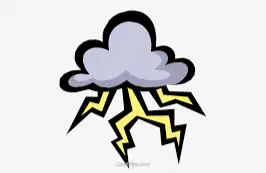
Which type of potential energy is taking place in picture?
a)
Electrical
b)
Gravitational
c)
Nuclear
d)
Chemical
e)
Elastic
79.
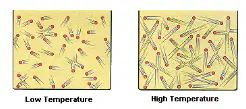
___________= the difference in the amount of heat between two objects. It is the measure of average kinetic energy in molecules. It is measured by a thermometer.
a)
Temperature
b)
Thermal energy
c)
Vibration
d)
Thermometer
e)
Heat
80.
True or false: Total Energy = KE + PE
a)
True
b)
False
81.
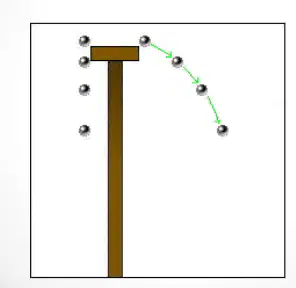
________________________ = g = 9.8 meters/second2
a)
speed
b)
velocity
c)
acceleration
d)
deceleration
e)
acceleration of gravity
82.
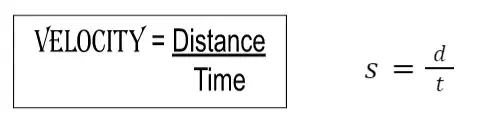
If a dog runs 60 meters in 120 seconds, what is the dog’s speed?
a)
7200 m/s
b)
0.5 m/s
c)
2 m/s
d)
180 m/s
83.

How much time does it take a bus to travel 125 miles if it has a speed of 27.5 miles/hour?
a)
0.22 hr
b)
4.55 hr
c)
97.5 hr
d)
3437.5 hr
84.
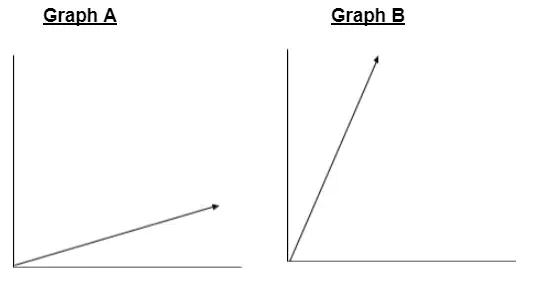
The two graphs show a car going at two different speeds. By looking at the slopes of the graphs, which graph shows the car going faster?
a)
Graph A
b)
Graph B
85.
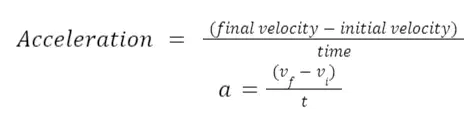
What is the acceleration of a dog which increases speed from 0.15 m/s to 1.6 m/s in 10 seconds?
a)
56 m/s2
b)
6.16 m/s2
c)
0.145 m/s2
d)
6.9 m/s2
86.

Falling objects accelerate at a rate of 9.8 m/s2. An object falls for 2.7 seconds. What will its final speed be?
a)
3.63 m/s
b)
0.28 m/s
c)
12.5 m/s
d)
26.46 m/s
87.
Resistance to change in motion
a)
inertia
b)
Force
c)
tendency
d)
action
e)
resistance
88.

If a crane is lifting a box with a mass of 45 kg with an acceleration of 2.1 m/s2, what force is being applied?
a)
18 N
b)
94.5 N
c)
42.9 N
d)
45 N
89.

If a person is pushing a 20 kg box across the floor with a force of 10 N, what is the acceleration of the box?
a)
0.5 m/s^2
b)
2 m/s^2
c)
10 m/s^2
d)
200 m/s^2
90.

What is the mass of a toy car that is accelerating at 0.25 m/s^2 with a force of 2.1 N?
a)
1.85 kg
b)
2.35 kg
c)
8.4 kg
d)
0.525 kg
91.

A moving child on a skateboard that keeps moving without additional force.
a)
1st Newton’s Law
b)
2nd Newton’s Law
c)
3rd Newton’s Law
92.

Seat belts pushing on the riders of a car. The riders of the car pushing on the seat belts.
a)
1st Newton’s Law
b)
2nd Newton’s Law
c)
3rd Newton’s Law
93.
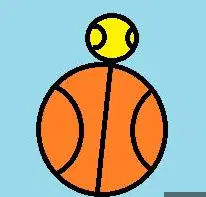
A small force makes the ball have less acceleration than a large force
a)
1st Newton’s Law
b)
2nd Newton’s Law
c)
3rd Newton’s Law
94.
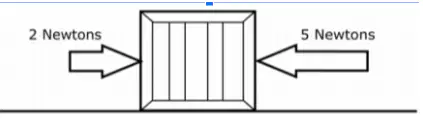
A box and forces are shown below. A box rests motionless on the ground. One student is pushing the box to the right with a force of 2 Newtons. The other student is pushing to the left with a force of 5 Newtons. In which direction and with what type of speed will the box move?
a)
It will move to the left
b)
It will move to the right
c)
It will float in the air
d)
It will not move
95.
Match the description to the graph:
"The car is stopped and not moving."
a)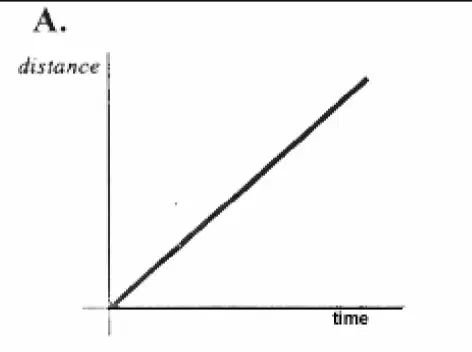
Option 1
b)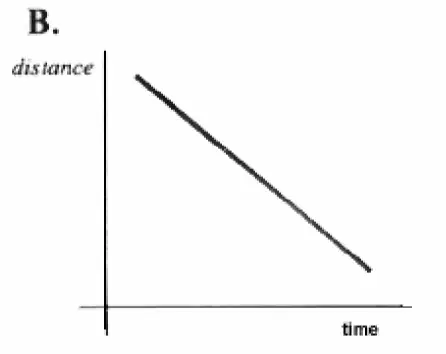
Option 2
c)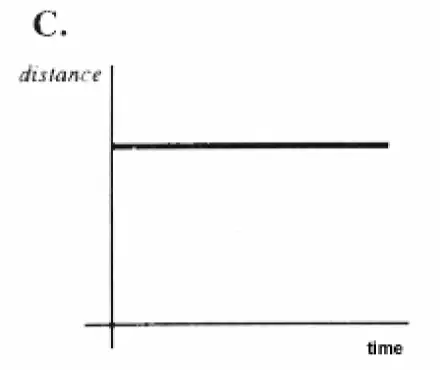
Option 3
d)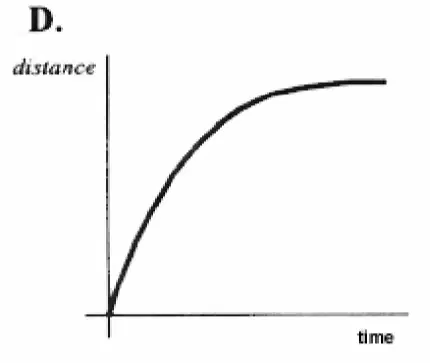
Option 4
96.
Match the description to the graph:
"The car is traveling at a constant speed."
a)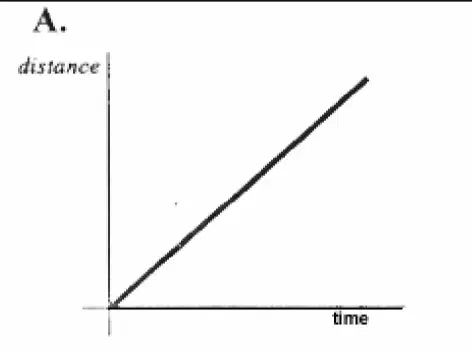
Option 1
b)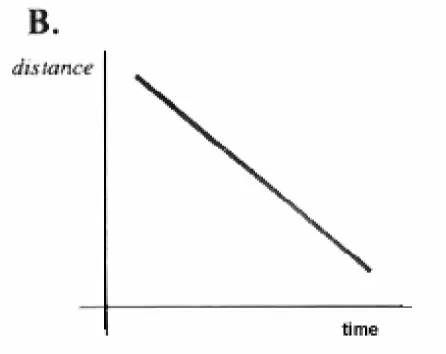
Option 2
c)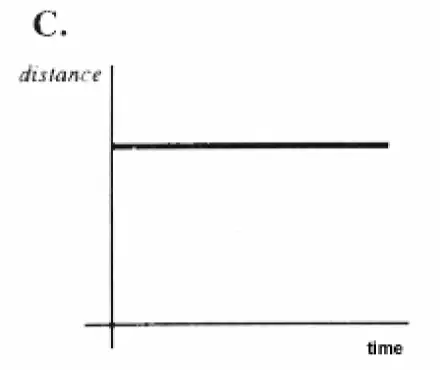
Option 3
d)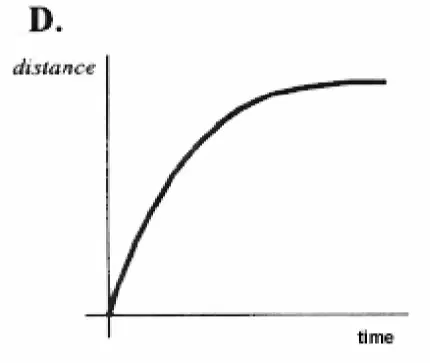
Option 4
97.
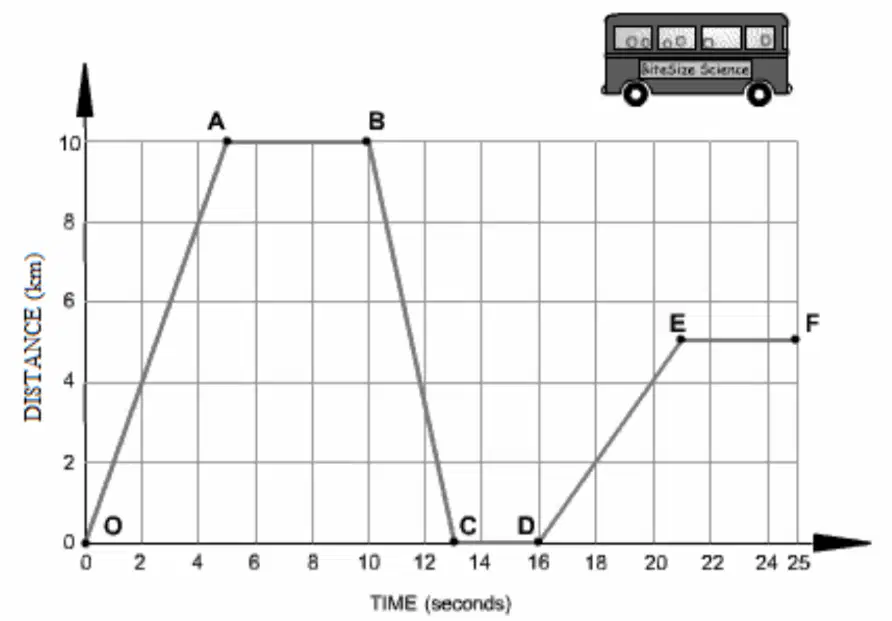
Segment A-B The bus is _________________.
a)
at rest (not moving)
b)
returning (to original position)
c)
moving forward
98.
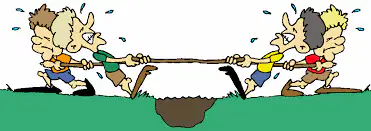
If these teams are pulling with the same amount of force what will happen?
a)
The boys in the green and the orange T-shirt will win.
b)
They will not move at all.
c)
The boys in the yellow and thered T-shirt will win.
d)
Both teams will fall down.
99.
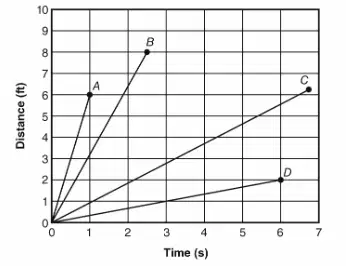
The graph below represents the time and distance traveled by four different toy cars.
Which car went the furthest (very far) distance (ft)?
a)
Car A
b)
Car B
c)
Car C
d)
Car D
100.
Which measurements are necessary for determining the velocity of a moving object?
a)
Distance, time, and direction
b)
Direction, displacement, and distance
c)
Distance, direction, and acceleration
d)
Direction, time, and acceleration
100 %

