
Font size
 Worksheets
biology-9
Total questions: 111
Worksheet time: 2hrs 37mins
When the mRNA sequence leave the nucleus, what organelle does it travel to?
mitochondria
smooth ER
ribosome
vacuole
What does tRNA "transfer"?
amino acids
nucleic acids
nucleotides
AUG
What do amino acids come together to join?
a growing polypeptide chain (protein)
a growing lipid
a growing carbohydrate
a growing nucleic acid
codons are located on __________
mRNA
tRNA
rRNA
snRNA
anti-codons are located on __________
mRNA
tRNA
rRNA
snRNA
How many nucleotides make up a single codon?
3
5
4
1
What sequence of mRNA always begins a new polypeptide chain?
UAG
AUG
GAU
UGA
When these bond together, they form a protein
Amino Acids
Peptide Bonds
Ribose
Nucleotides
During Translation, mRNA is converted into a _______
DNA
Protein
tRNA
rRNA
T A C A G G C C T


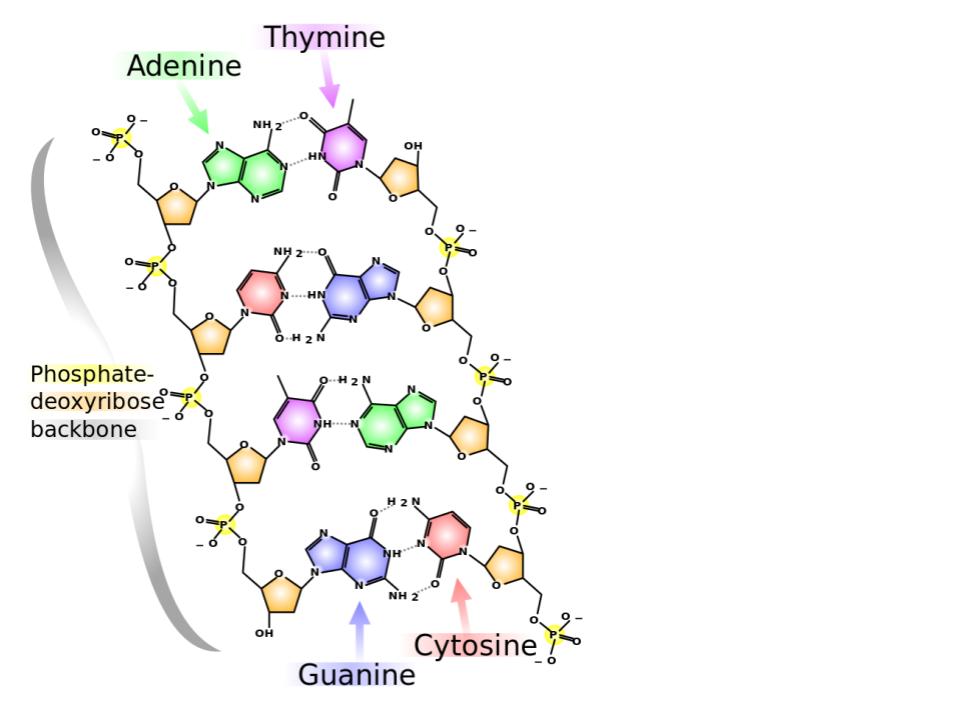
Transcribe the following DNA strand: CTG AAT
GAC TTA
CTG AAT
GAC UUA
CUG AAU

Composed of a sugar, phosphate group, and nitrogenous base. These are the building blocks of DNA.
codon
nucleotide
protein
amino acid

What brings the amino acids to the ribosome to assemble a protein?
DNA

Which organelle is the location where protein is made?
Ribosome
Nucleus
Cytoplasm
Nucleotide
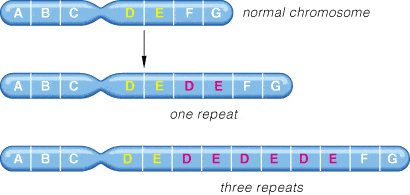
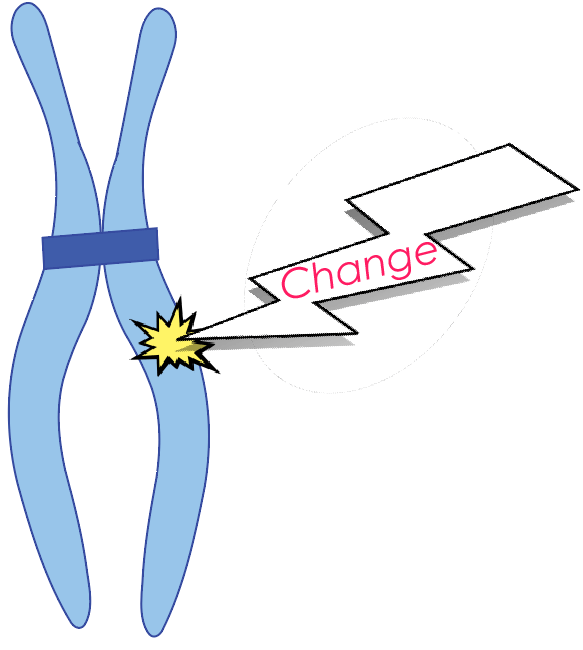
A change in a gene, group of genes or chromosome that results in a change in the proteins
Replication
Mutations
Translation
Transcription

A point mutation where one nucleotide base replaces an original nucleotide base
Inversion Mutation
Chromosomal Mutation
Translocation
Substitution Mutation

A frameshift mutation where a nucleotide base
is removed from the DNA sequence.
Deletion Mutation
Substitution Mutation
Translocation
Silent Mutation

A frameshift mutation where a nucleotide base is added
to the DNA sequence
Insertion Mutation
Deletion Mutation
Substitution Mutation
Chromosomal Mutation

A point mutation where DNA adenine (A)
is replaced by thymine (T) resulting in a single amino acid change during translation(affects blood cell
shape and function)
Encephelitis
Hemophilia
Sickle Cell Anemia
Influenza
Operons are found in which of the following organisms?
Bacteria(prokaryotes)
plants and animals(eukaryotes)
only animals
virsuses
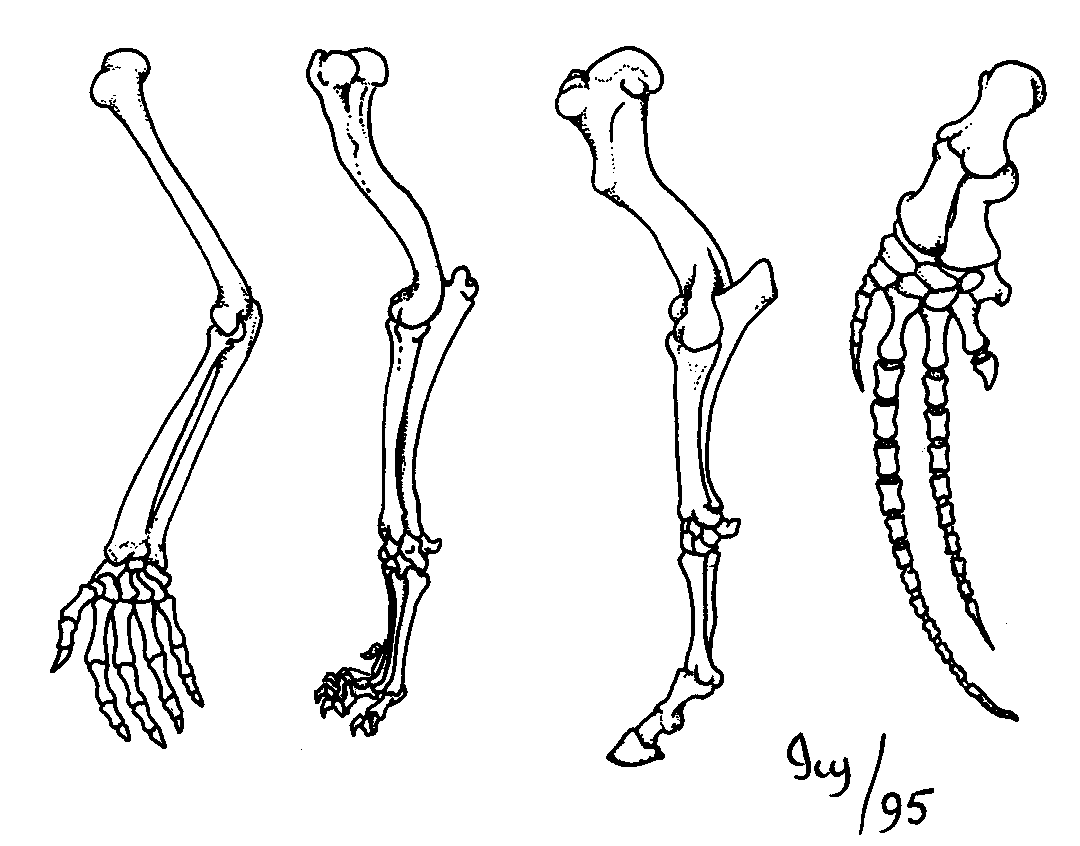
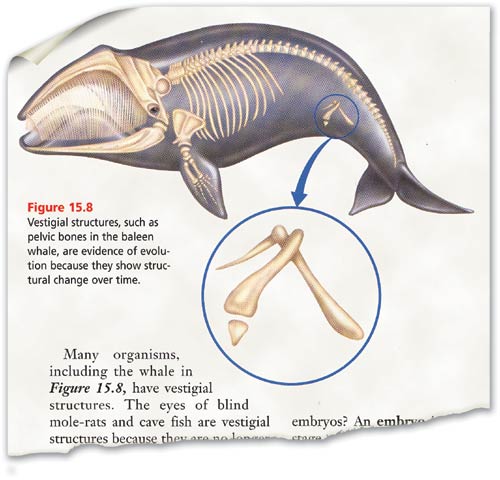

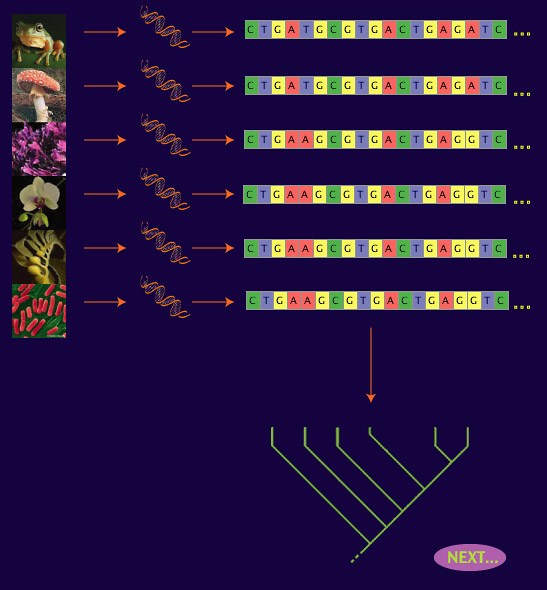

Evolution is
the change in the genetic makeup of a population over successive generations
the variation in genetic makeup or alleles within a population
Genetic Diversity is increased through this process.
Gene Flow
Genetic Drift
All of the genetic information found in a population
population
genetic drift
evolution
gene pool
Select the right word for this definition:
"in biology, changes that happen over time in the gene pool of a population."
evolution
extinction
mutation
a trait that gives an organism an advantage in their particular environment
overproduction
adaptation
selection
variation
have the ability to interbreed.
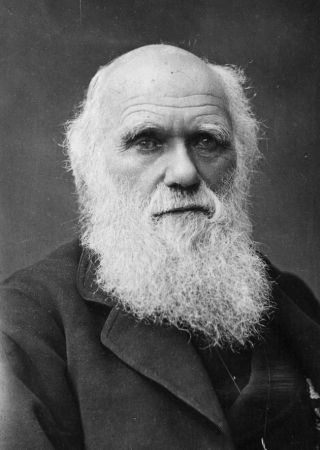
Who developed the theory of evolution?
Charles Darwin
Mike Tyson
George Washington
Patton Manning
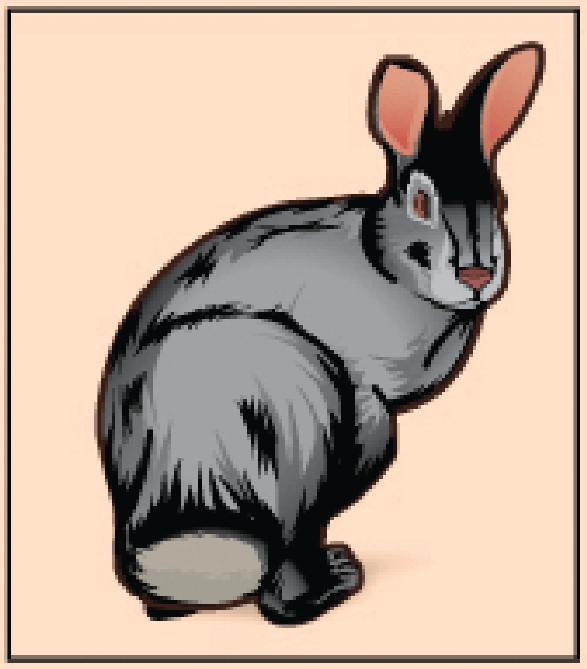
Which of these will be more successful in a cold region with NO snow? (think about the color that will be warmer)

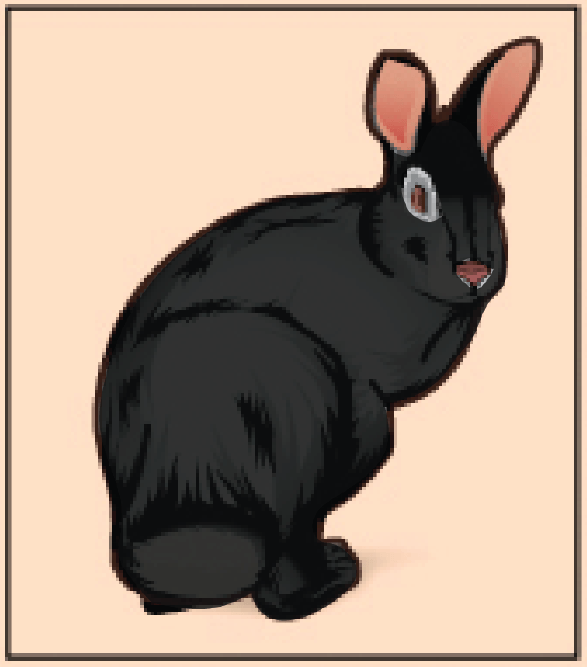
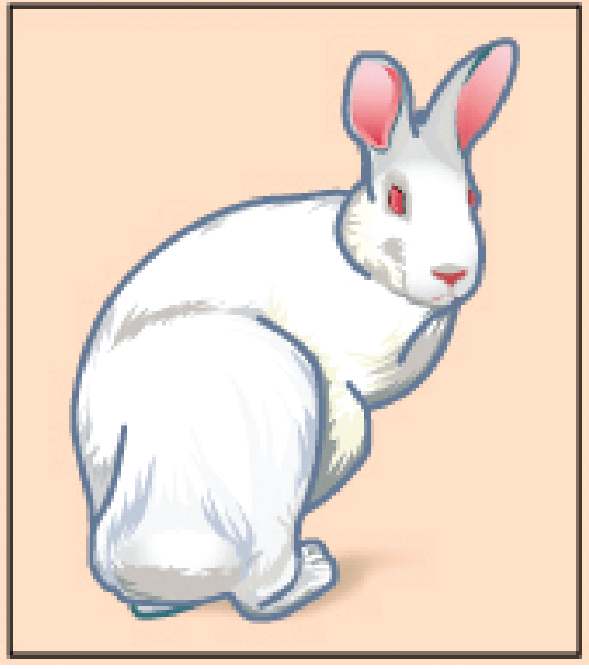

Who am I? I wrote Darwin about my theory of natural selection. He decided to publish his book before I could.
John Hutton
Charles Lyell
Alfred Russel Wallace
John Baptiste LaMarck
Thomas Malthus

Who am I? I wrote about human populations. Darwin built off of my research and came up with the idea of natural selection.
John Hutton
Charles Lyell
Alfred Russel Wallace
John Baptiste LaMarck
Thomas Malthus
The idea that the earth is millions of years old gave Darwin the idea that evolution of species could happen.
John Hutton and Charles Lyell
Thomas Malthus
Alfred Russel Wallace
John Baptiste LaMarck
Which of these is NOT a base in DNA?
Adenine
Uracil
Guanine
Cytosine
Does a prokaryotic cell have a nucleus?
Yes
No
How many hydrogen bonds connect A and T?
1
2
3
4
This enzyme "unzips" DNA during replication.
helicase
polymerase
ligase
amylase
This enzyme adds nucleotides during replication.
helicase
polymerase
ligase
amylase
This enzyme links pieces of newly made DNA - it seals the backbone between Okazaki fragments.
helicase
polymerase
ligase
amylase
The fragments on the lagging strand that are made up of repeating segments of DNA and RNA Primers
okazaki fragments
Primase
Polymerase
unused DNA
DNA polymerase moves in the _________ to ____________ direction
3' to 5'
easiest
5" to 3"
9 to 5
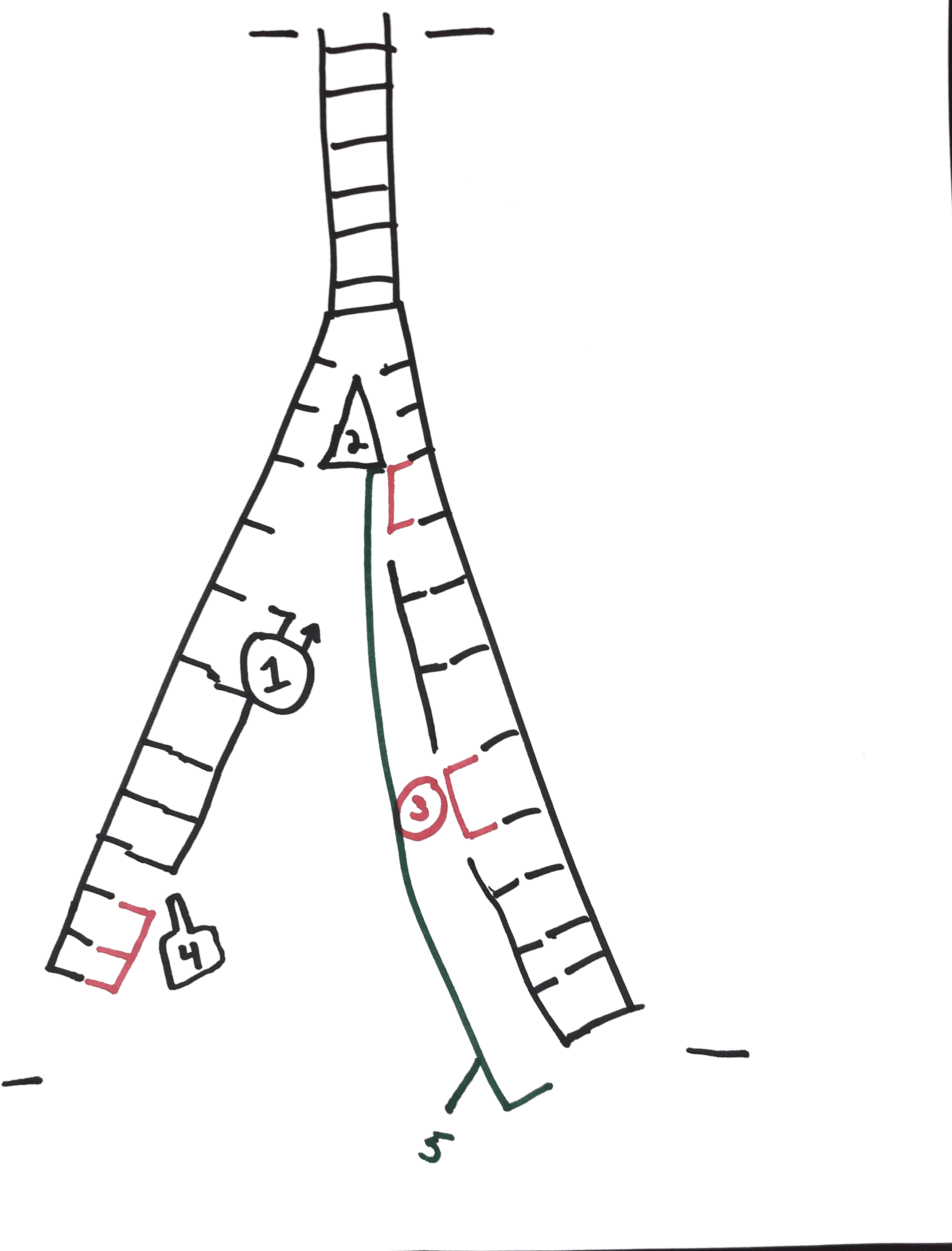
Number 1 in the picture above
Replication
DNA Polymerase
Primase
Ligase
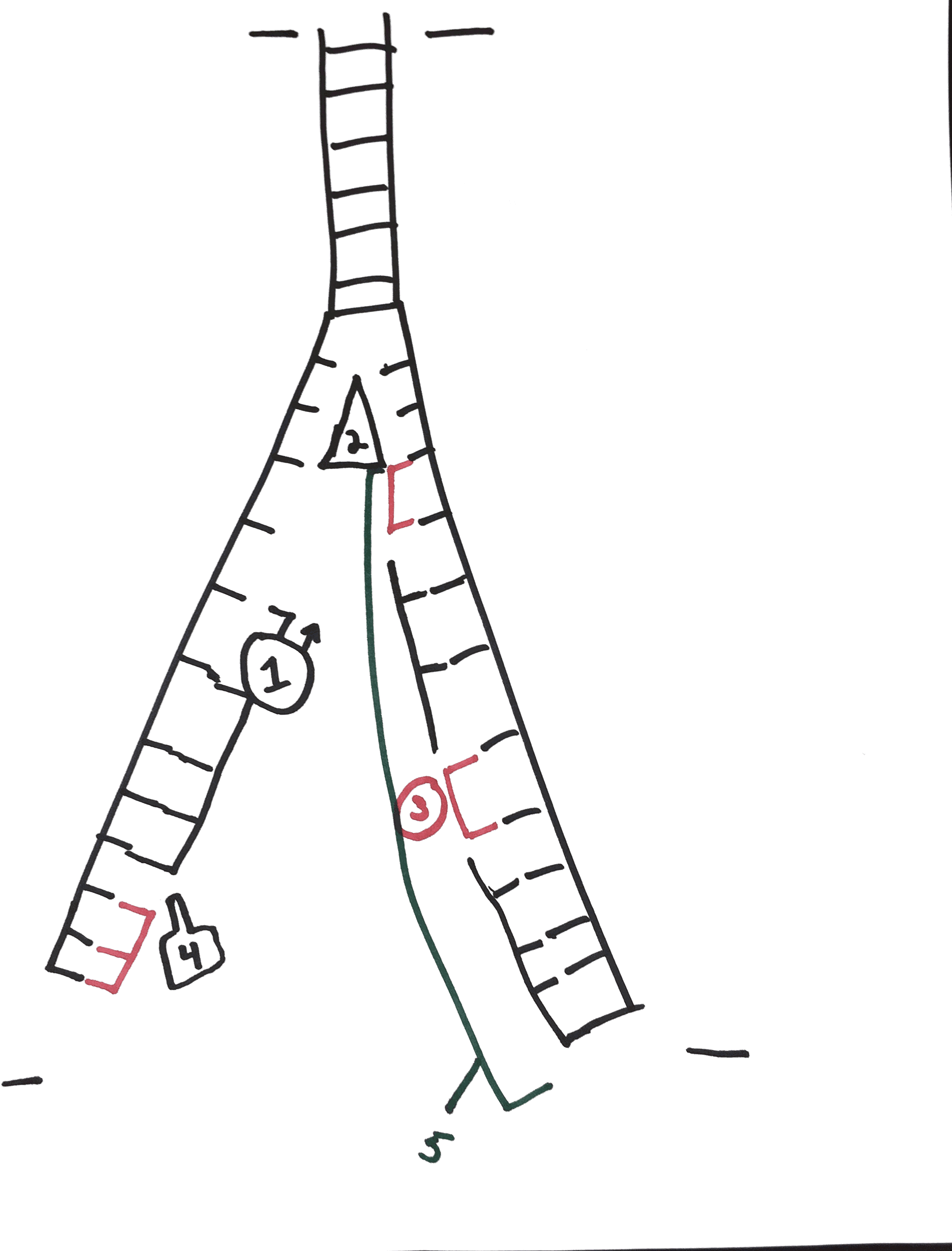
#3 setting Primers
Ligase
Helicase
Polymerase
Primase
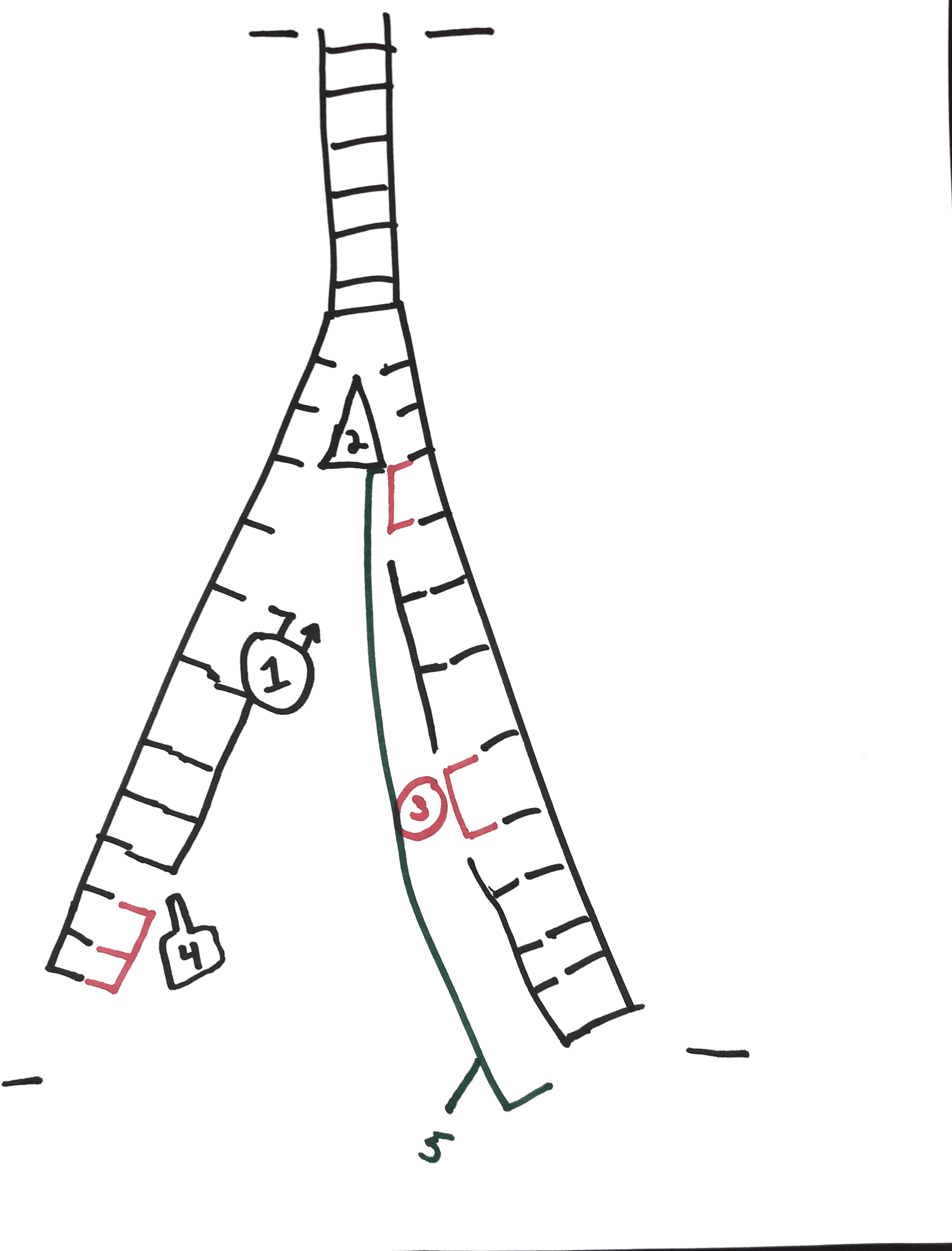
#5
Leading strand
Lagging Strand
Replication fork
Helicase
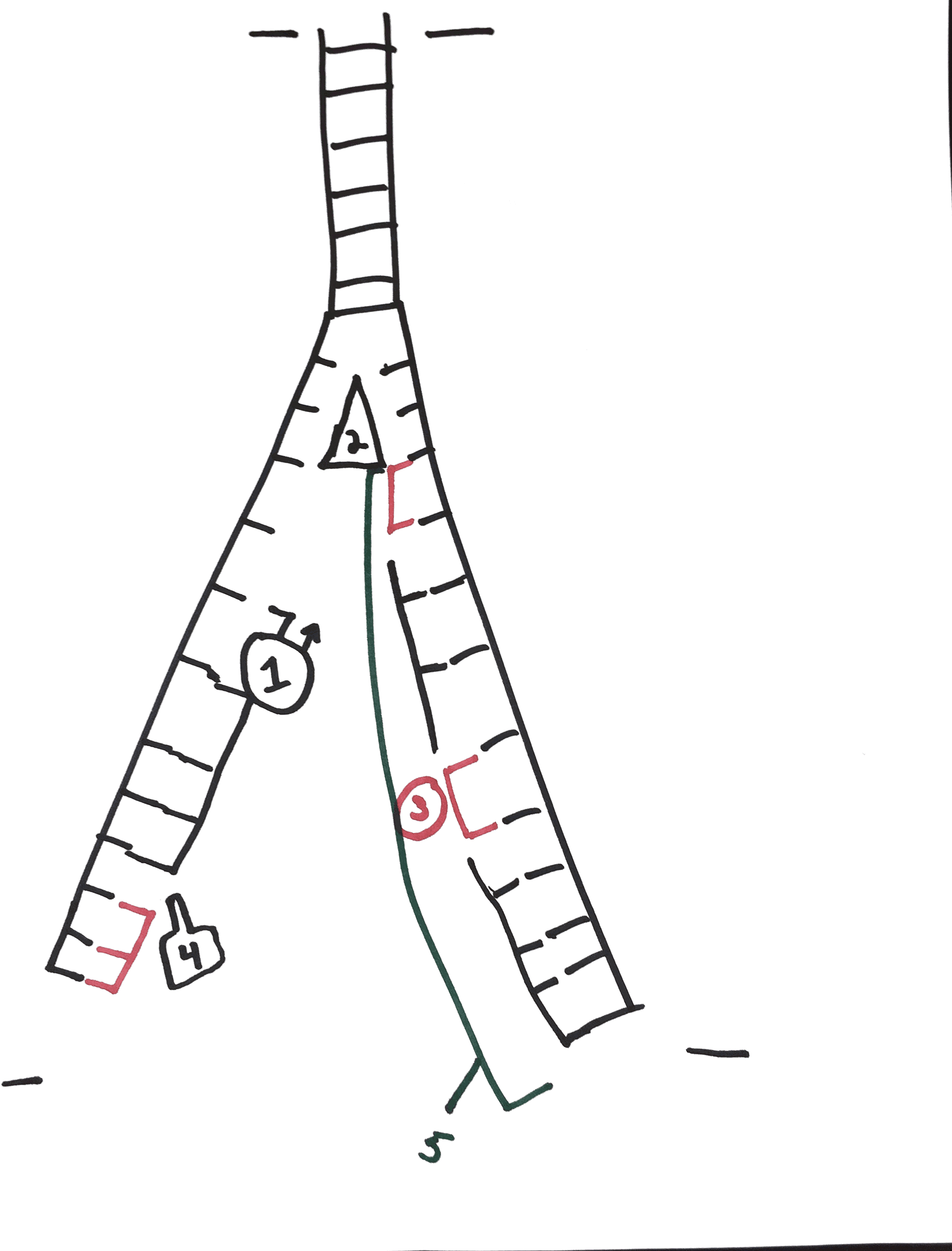
Entire Picture
Lagging Strand
Leading Strand
Replication fork
Okazaki Fragment


True or False? Before cells undergo meiosis they pass through interphase first.
true
false
What is unique to Prophase I- is that the duplicated chromosomes pair up to form _______.
a centrosome
a tetrad
the mitotic spindle
sister chromatids

In which stage of MEIOSIS does crossing over occur? (The exchange of genetic material between chromosomes in a tetrad.)
Anaphase I
Metaphase I
Prophase I
Telophase I
In Metaphase I, tetrads line up along the _______.
mitotic spindle
centrosomes
equatorial plane
contractile ring
In Anaphase II, the _________ separate.
Homologues
Sister Chromatids
Tetrads
Centrioles
Which of the following are CORRECT observations about the differences between MITOSIS and MEIOSIS? (Check all that apply.)
Mitosis produces cells that identical to the parent cell.
Meiosis produces cells that have half the number of chromosomes as the parent cell.
All cells go through INTERPHASE as part of the cell cycle, whether it goes to mitosis or meiosis next.
In both types of cell division, the chromosomes are only duplicated once.
Only in Mitosis, do you see chromosomes pair up to form a tetrad.
The products of MEIOSIS have _______ number of chromosomes.
haploid
diploid
How many cells are formed at the end of Meiosis II?
2
3
4
8
The daughter cells produced by meiosis are also called __________.
somatic cells
stem cells
germ cells
gametes
What is the purpose of meiosis?
to help the organism grow
to repair damaged cells
to heal injuries
to create diversity in offspring

Which phase does the image represent?
Prophase I
Metaphase I
Anaphase I
Telophase I
Amount of A=T and G=C
Chargaff
Franklin
Watson and Crick
Hershey and Chase
What is genetic transformation?
A prokaryotic cell turning into a eukaryotic cell
Foreign DNA being inserted into a plasmid
A host organism taking in foreign DNA
A gene being mutated
The observation that one bacteria can pick up traits from another to change its characteristics or traits.
Transformation
bacteriophage
O. Avery
F. Griffith
Hershey & Chase
A virus that attacks bacteria
Transformation
bacteriophage
O. Avery
F. Griffith
Hershey & Chase
Conducted experiments that use viruses to demonstrate that DNA carries genetic information.
Transformation
bacteriophage
O. Avery
F. Griffith
Hershey & Chase
Conducted experiments that used the process of elimination to determine that DNA is the genetic information.
Transformation
bacteriophage
O. Avery
F. Griffith
Hershey & Chase
What type of bonds holds the sugar phosphate backbone together?
Ionic Bond
Covalent Bond
Hydrogen bond
Bacteriophages are…
Viruses
Prions
Bacteria
Viroids
The bacteriophages infected ____ host cells:
E.Coli
Salmonella typhimurium
Staphylococci
Clostridium tetani
Concentration of ____ is high in proteins
Phosphorus 37
Phosphorus 32
Sulfur
Carbon
Concentration of ____ is high in DNA
Sulfur
Carbon
Phosphorus-37
Phosphorus-32
What was directly quantitatively measured in Hershey and Chase experiment?
Number of bacterium
Radiation concentration
amount of protein
concentration of phosphorus
Created models of DNA
Chargaff
Franklin
Watson and Crick
Hershey and Chase
Alone, R-bacteria caused pneumonia.
true
false
Bacteria can steal genes from other bacteria.
true
false
What type(s) of bacteria did Frederick Griffith work with?
Heat-killed smooth pneumonia
Smooth pneumonia
Heat-killed rough pneumonia
Rough pneumonia
What occurred when Griffith injected a mouse with the rough pneumonia?
The mouse lived
The mouse died
What occurred when Griffith injected a mouse with heat-killed smooth pneumonia?
The mouse lived
The mouse died
What occurred when Griffith injected a mouse with the smooth pneumonia?
The mouse lived
The mouse died

