
 Worksheets
The brain, nervous and endocrine systems
Total questions: 111
Worksheet time: 1hrs 7mins
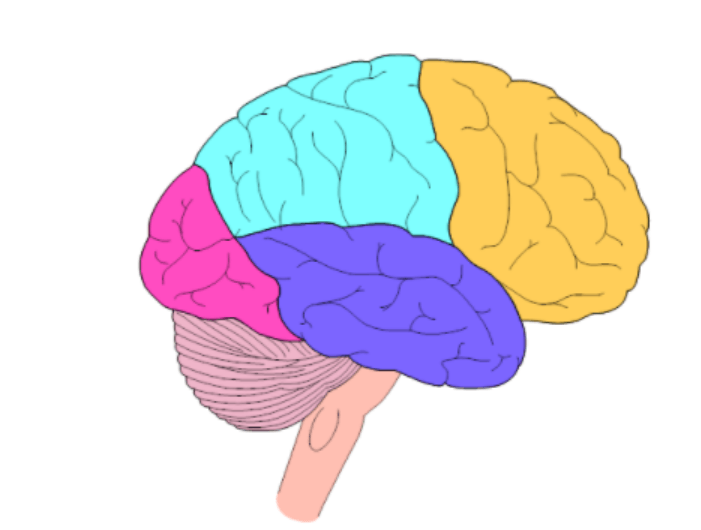
What lobe is orange in this picture?
Frontal
Parietal
Temporal
Occipital
What lobe is bright pink in this picture?
Frontal
Parietal
Temporal
Occipital
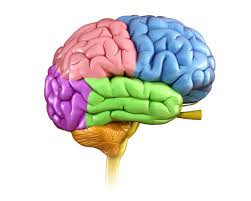
What lobe is green in this picture?
Frontal
Parietal
Temporal
Occipital
What lobe is pink in this picture?
Frontal
Parietal
Temporal
Occipital
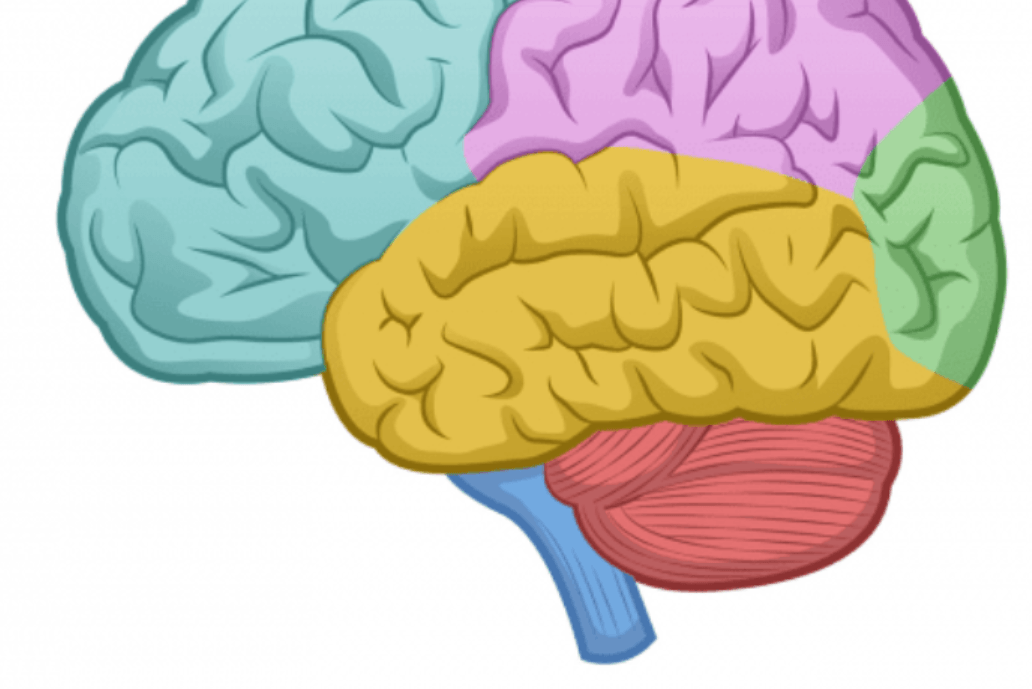
What structure is red in this picture?
Cerebrum
Cerebellum
Brain Stem
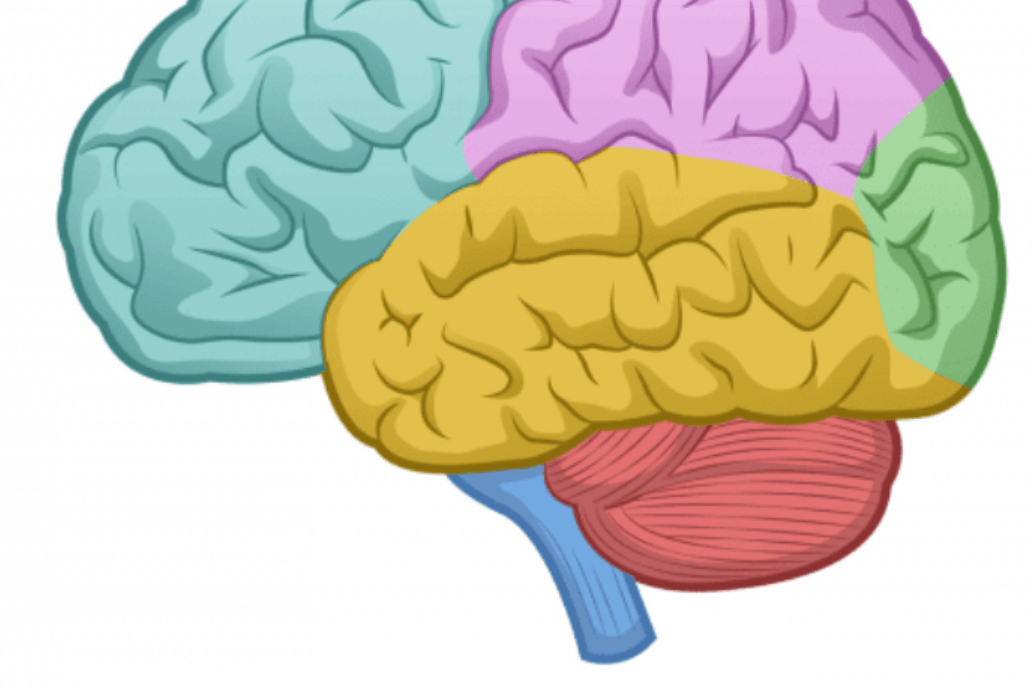
What structure is blue in this picture?
Cerebrum
Cerebellum
Brain Stem
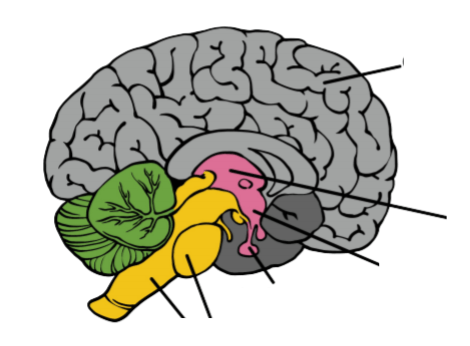
What structure is grey in this picture?
Cerebrum
Cerebellum
Brain Stem

What does the blue lobe do?
Processes your hearing
Processes your vision
Contains your personality
Processes your sense of touch
What does the green lobe do?
Processes your hearing
Processes your vision
Contains your personality
Processes your sense of touch
What does the yellow lobe do?
Processes your hearing
Processes your vision
Contains your personality
Processes your sense of touch
What does the pink lobe do?
Processes your hearing
Processes your vision
Contains your personality
Processes your sense of touch

Which part of the brain controls your blood pressure and heart rate?
brain stem
occipital lobe
cerebellum
frontal lobe

Which part of the brain controls your balance and coordination?
brain stem
occipital lobe
cerebellum
frontal lobe

Why did we dissect a sheep brain? Choose 3.
Similar shape to a human brain
Similar smell to a human brain
Same lobes in the same spot
Sheep lobes do the same functions as human lobes
Same size as a human brain

Who has a bigger frontal lobe?


Who has bigger olfactory bulbs?
Who has a VERTICAL brain stem?
Who has a HORIZONTAL brain stem?
Who has a bigger cerebrum?
Who has a SMALLER olfactory bulb?


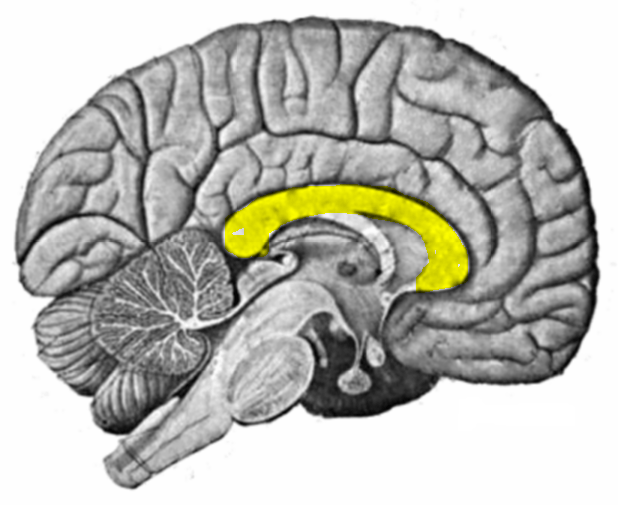


The nerve cells in your body are called neurons. From the picture which part of the neuron is most likely responsible for carrying signals between the dendrite and axon terminal?
soma
axon
Node of Ranvier
Schwann cell


What is the job of your nervous system?
Control the body using electrical signals
Break down food
Get rid of waste
Send messages using chemical signals

What are nerve cells called?
Nervons
Neurons
Morons
Brainons

The central nervous system includes your
Heart and Lungs
Brain and Stomach
Brain and Spinal Cord
Nerve cells not in the brain or spinal cord

The peripheral nervous system includes
Heart and Lungs
Brain and Stomach
Brain and Spinal Cord
Nerve cells not in the brain or spinal cord

Which organ controls your entire body?
Brain
Heart
Stomach
Lungs

Your brain is connected to your body by your
Vertebrae
Spinal Cord
Cerebrum
Cerebellum

Bones that protect your spinal cord are called your
Ribs
Skull
Vertebrae
Spinebrae

Nerve cells do not reproduce or repair themselves.
True
False

What is the job of your endocrine system?
To control the body using electrical signals
To bring oxygen into the body
To pump blood from the heart
To send chemical messages called hormones

Chemicals released by the endocrine system are called
Impulses
Hormones
Glands
Endocrones

Groups of cells that release hormones are called
Organs
Tissues
Glands
Organ Systems

Your pituitary gland controls which of the following?
Sleeping
Metabolism
Body Temperature
Growth

How do your nervous and muscular systems interact?
The brain sends messages telling muscles to contract
Your skull protects your brain
They don't interact
The brain supplies oxygen to muscle cells

Which of the following is NOT a part of the brain?
Cerebrum
Spine
Cerebellum
Brain Stem

How do hormones get to different parts of your body?
They float through air
They don't travel to different parts of your body
They travel in your blood.
They are carried by nerve cells

What is a gland?
A group of organs that work together
The control center of your body
An organ that makes blood
A group of cells that release hormones

A neuron is a
Nerve cell
Hormone
Gland
Organ

What is the likely effect of a broken spinal cord?
The brain and body can't communicate
Nothing. You'll be fine
The person can move, but not feel their body
The person can feel, but not move their body

What is a hormone?
A nerve cell
A chemical released by the endocrine system
An electrical message from the brain
An organ in your body

When your brain sends a signal and you move your arm, what 2 systems are at work?
Nervous and Digestive
Muscular and Respiratory
Digestive and Excretory
Nervous and Muscular

Which body system creates chemicals called hormones?
Endocrine
Respiratory
Nervous
Muscular

Your brain and spinal cord make up your
Peripheral Nervous System
Central Nervous System
Endocrine System
Muscular System

All the nerve cells not in your brain and spine make up your
Central Nervous System
Endocrine System
Peripheral Nervous System
Muscular System

Why is damage to your nervous system often permanent?
Nerve cells reproduce quickly
Nerve cells heal very slowly
It's never permanent
Nerve cells don't reproduce or repair themselves


Which is NOT a function of the nervous system?
responding to information
making blood cells
receiving information on the environment
maintaining homeostasis
A cell that carries information through the nervous system is called a
nerve impulse
nerve
neuron
endocrine gland
These are chemicals that carry a nerve impulse across the gap at the synapse of a neuron to another neuron
enzymes
stimuli
hormones
neurotransmitters
A ______causes and organism to react. The reaction is called a _______
stimulus, response
response, stimulus
impulse, neuron
neuron, impulse

What is 1
axon
synapse
dendrite
cell body

What is 5
dendrite
axon
cell body
axon tip
This is the thinking part of the brain that interprets movements and senses
cerebrum
cerebellum
thalamus
hypothalamus
This coordinates movements and balance
cerebrum
cerebellum
thalamus
hypothalamus
This stores memories
Limbic system
Occipital Lobe
Temporal Lobe
Thalamus
Controls long term changes such as growth
limbic system
endocrine system
nervous system
temporal lobe
When the amount of a particular hormone in the blood reaches a certain level, the endocrine system sends signals that stop the release of that hormone in a process called__________________.
target feedback
endocrine feedback
positive feedback
negative feedback
Tick the correct sentence
The sensory organs receive nerve impulses
The stimuli is send to effector organs
The nerve impulse is send to sensory organs
The response is send to effector organs
Neuron's parts
Impulses, axon, cells body
Cells body, axon dendrites
Synapse, axon, dendrites
Neurotranmiters, cells body, dendrites

To carry out the function of interaction...
Sense organs, circulatory system and locomotor system.
Sense organs, reproductive system and locomotor system.
Sense organs, nervous system and locomotor system.
Sense organs, muscular system and skeletal system.

To transmit messages neurons...
Create electrical signals called nerve impulses.
Join each other from the sense organ to the brain.
Create impulses which are transmitted with the help of the locomotor system
Create electricity all along the nerves.
The brain controls our nervous system. It is protected by the....
Cerebrum
brain stem
Skull
cerebellum
The ________ is the biggest part of the brain.
Cerebrum
Cerebellum
brain system
spinal cord
Influences growth,development, metabolism and helps maintain homeostasis.
Reproductive system
Nervous system
Respiratory system
Endocrine system
The connection between neurons is:
synapses
Synaptic cleft
interneurons
myelin
Nervous system functions
Receives information and prepare responses
Coordinates organs, intellectual and mental functions
Expulses nocives substances
Get oxygen from air
The Nervous System is divided into:
Central Nervous System
Peripheral Nervous System
Central Nervous System
Autonomic Nervous System
Peripheral Nervous System
Somatic Nervous System
Somatic Nervous System
Autonomic Nervous System
The nerve cells in your body are called neurons. From the picture which part of the neuron is most likely responsible for carrying signals between the dendrite and axon terminal?
soma
axon
Node of Ranvier
Schwann cell

