
 Worksheets
Unit 7a Ecology Review
Total questions: 115
Worksheet time: 2hrs 15mins
All of the squirrels, grass, oak trees, and turtles in a forest would be considered a
community.
habitat.
population.
species.
What converts nitrogen gas into a usable form for plants and animals?
bacteria
rain
fungi
car exhaust
Organisms that need nitrogen to survive.
only plants
only animals
only bacteria
all living things
How is nitrogen "fixed" into a usable form for plants?
Through action of bacteria only
Through lightning only
Through action of bacteria and lightning
Through photosynthesis
Gas that makes up 78% of our atmosphere.
Oxygen
Nitrogen
Hydrogen
Carbon Dioxide
Reproduction that involves two cells from different parents unite to produce the first cell of a new organism.
Asexual
Sexual
Budding
Division
Reproduction that only involves one parent and all offspring are identical; for example, binary fission of bacteria or amoebas.
Asexual
Sexual
Division
Addition
The combination of chemical reactions through
which an organism builds up or breaks down
materials as it carries out its life processes is called ...
absorption
metabolism
digestion
consumption
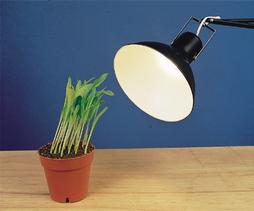
A stimulus can be external or internal.
False
True
Maintaining a stable internal
environment is called
homeostasis
equilibrium
balance
evenness


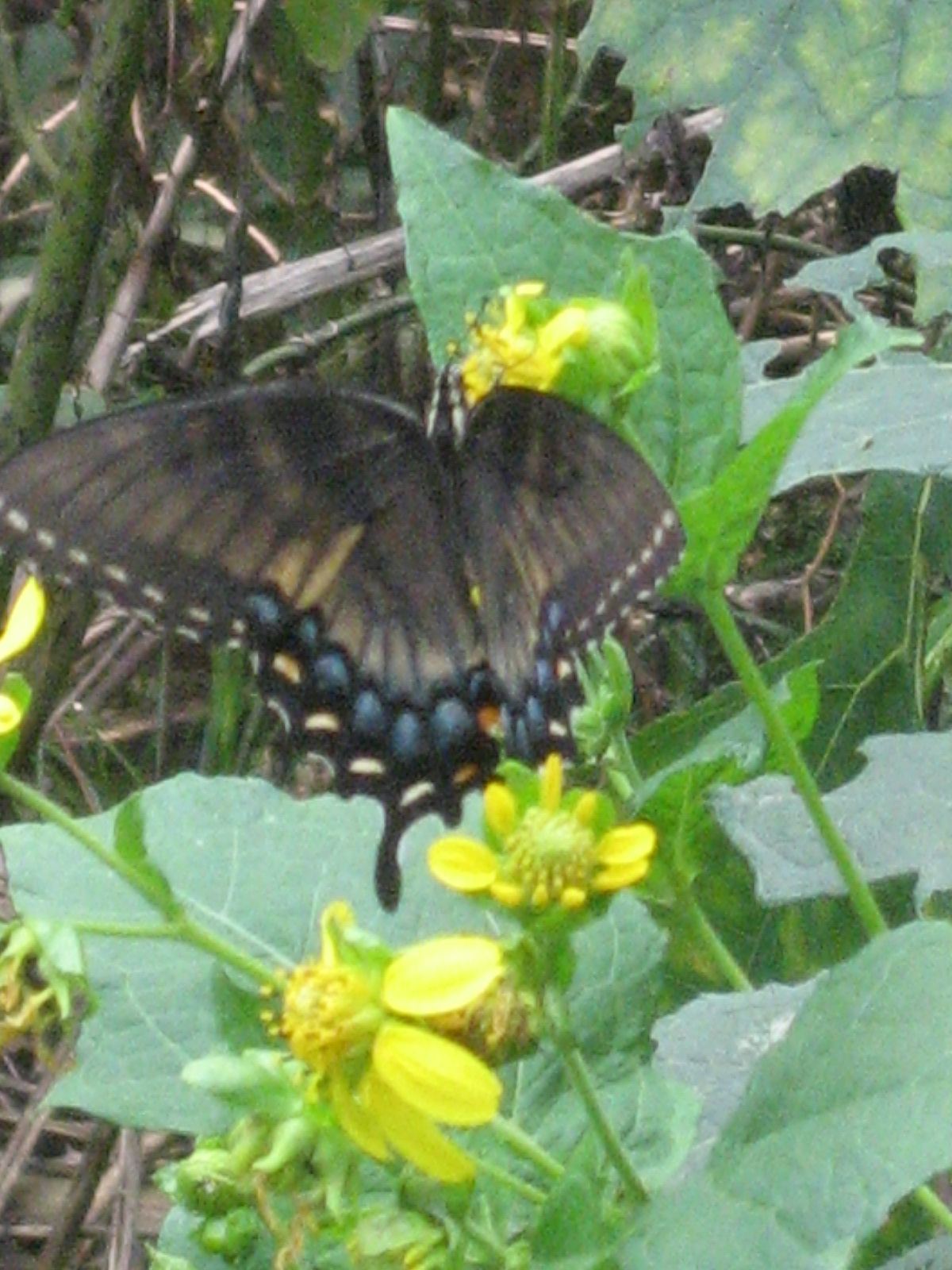
Ctenodiscus crispatus (Mud Starfish)


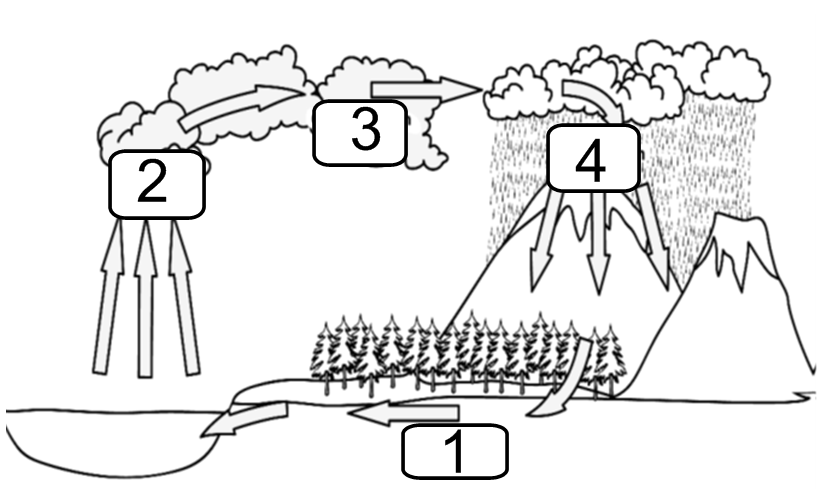
Choose the biological process(es) below that is/are involved in one or more of the geochemical cycles.
Transpiration
Erosion
Nitrogen fixation by bacteria
Animals excreting waste into water
Carbon dioxide (CO2) is returned to the atmosphere primarily by
Consumption
Combustion and cellular respiration
Waste elimination
Photosynthesis
Which of the following is/are a part of the carbon cycle? (Choose all that apply)
Photosynthesis
Transpiration
Burning of fossil fuels
Decomposition of plants and animals
Nitrogen fixation is primarily performed by
Humans
Plants
Animals
Bacteria
Which process in the water cycle requires a living organism in order for it to occur?
Transpiration
Condensation
Evaporation
Precipitation
Which of these organisms is involved in the carbon cycle? Which step is it involved in? What is happening during this process with this organism?
Plants; transpiration; water released by plant re-enters atmosphere
Humans; combustion; burning of different carbon rich materials including fossil fuels
Bacteria; nitrogen fixation, ammonification, nitrification, denitrification; convert atmospheric N to usable N, convert N to ammonia, etc.
Never uses living organisms; no process; no description
Which of these organisms is involved in the water cycle? Which step is it involved in? What is happening during this process with this organism?
Plants; transpiration; water released by plant re-enters atmosphere
Humans; combustion; burning of different carbon rich materials including fossil fuels
Bacteria; nitrogen fixation, ammonification, nitrification, denitrification; convert atmospheric N to usable N, convert N to ammonia, etc.
Never uses living organisms; no process; no description
Which of these organisms is involved in the nitrogen cycle? Which step is it involved in? What is happening during this process with this organism?
Plants; transpiration; water released by plant re-enters atmosphere
Humans; combustion; burning of different carbon rich materials including fossil fuels
Bacteria; nitrogen fixation, ammonification, nitrification, denitrification; convert atmospheric N to usable N, convert N to ammonia, etc.
Never uses living organisms; no process; no description
Humans cannot impact the carbon cycle.
True
False
Humans impact the water cycle by developing the land. (Adding cement and other ground overs)
True
False
Humans can impact the nitrogen cycle by using fertilizers excessively.
True
False
The 6 steps to the water cycle are:
condensation; evaporation; transpiration; runoff; infiltration; precipitation
decomposition; condensation; evaporation; runoff; infiltration; precipitation
nitrogen fixation; condensation; evaporation; transpiration; runoff; precipitation
condensation; decomposition; evaporation; transpiration; precipitation; assimilation



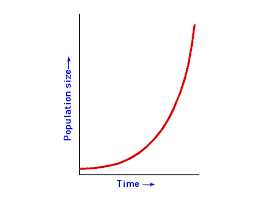
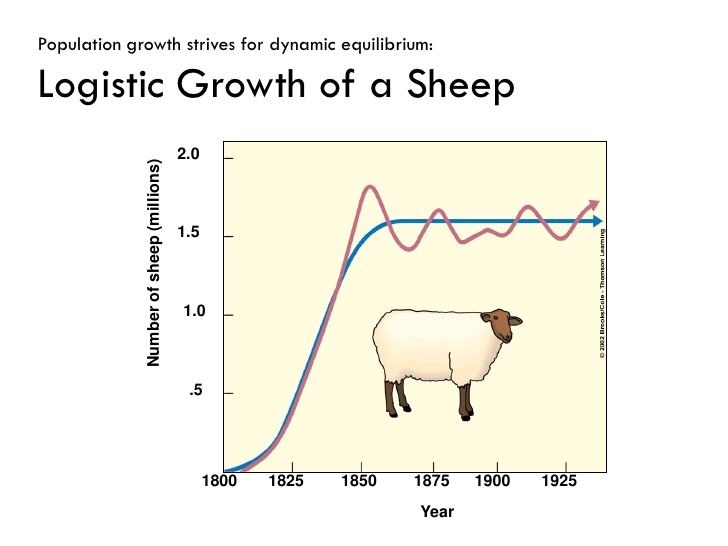
Type of growth occurs when disease and parasites are present...
exponential
J-shaped
predator-prey
logistic


Food, water, sunlight, air, soil are resources that are often __________.
limiting factors
wet
messy
found in rocks
If there is more food than usual in an ecosystem, then...
Populations will stay the same
Populations will decrease
Populations will increase

What would happen if the population of hawks suddenly increased? How would it affect the other organisms in the ecosystem?
The snakes would decrease due to more hawks eating them
All of the population of organisms would increase
The biotic factors in the ecosystem would increase
The hawks predators would decrease
Many fish die due to a drastic change in water temperature.
Density-Dependent
Density-Independent
An extensive drought in the plains threatens wildebeest, giraffe, zebra, and springbok populations.
Density-Dependent
Density-Independent
Which of the following is a density-dependent limiting factor?
human activities
unusual weather
competition
natural disaster
Which of the following would NOT be an example of a density dependent limiting factor?
fire
disease
lack of food
space
Which of the following would NOT be an example of a density independent factor?
predation
tornado
hurricane
fire
Which of the following are examples of a density independent factors?
forest fire
seasonal cycles
storms
disease
Which of the following are density dependent factors?
competition for resources
predation
disease
natural disasters
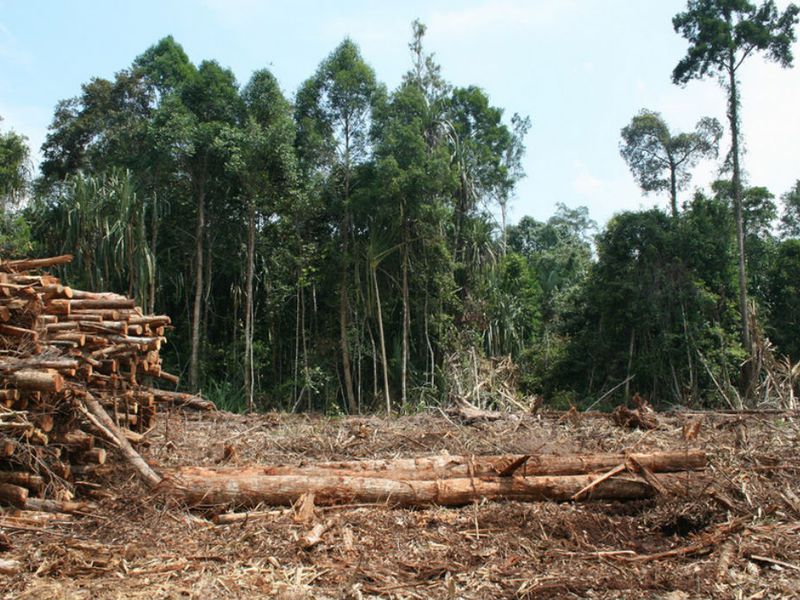
What would human alterations of the environment be considered? Ex. Cutting down the rain forests
Density-independent
Density-dependent
What process occurs when dead plant and animal matter decomposes and nitrogen is released back into the atmosphere?
Assimilation
Fixation
Ammonification
Denitrification
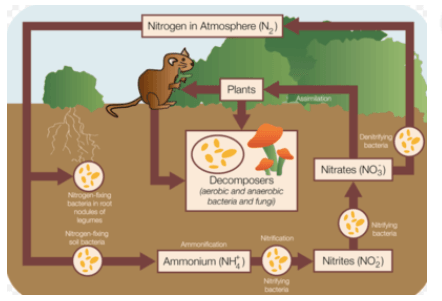
A correct path that nitrogen could take would be
air -> animals -> plants -> bacteria
animals -> air -> bacteria -> plants
bacteria -> air -> plants -> animals
air -> bacteria -> plants -> animals

