Worksheets
Fall Final Exam Review
Total questions: 110
Worksheet time: 1hrs 23mins

Protein

Nucleic acid

Carbohydrate

Lipid
Match the following functions to the biomolecule
Act as hormones
Lipid
Build muscle
Protein
Carry genetic information
Nucleic acid
Energy source (cellular respiration)
Carbohydrate
Which organic molecule would a long-distance runner most likely choose to eat two hours before a race?
A protein, because it builds muscle mass.
A lipid because it provides long term energy storage.
A carbohydrate because it releases energy quickly.
A protein, because it transports oxygen into the blood stream.
What is the function of nucleic acids?
Perform cell's functions/tasks
Fast energy
Energy storage
Alter other biomolecules
Store information for cells
What is the function of lipids?
Perform cell's functions/tasks
Fast energy
Energy storage
Alter other biomolecules
Store information for cells
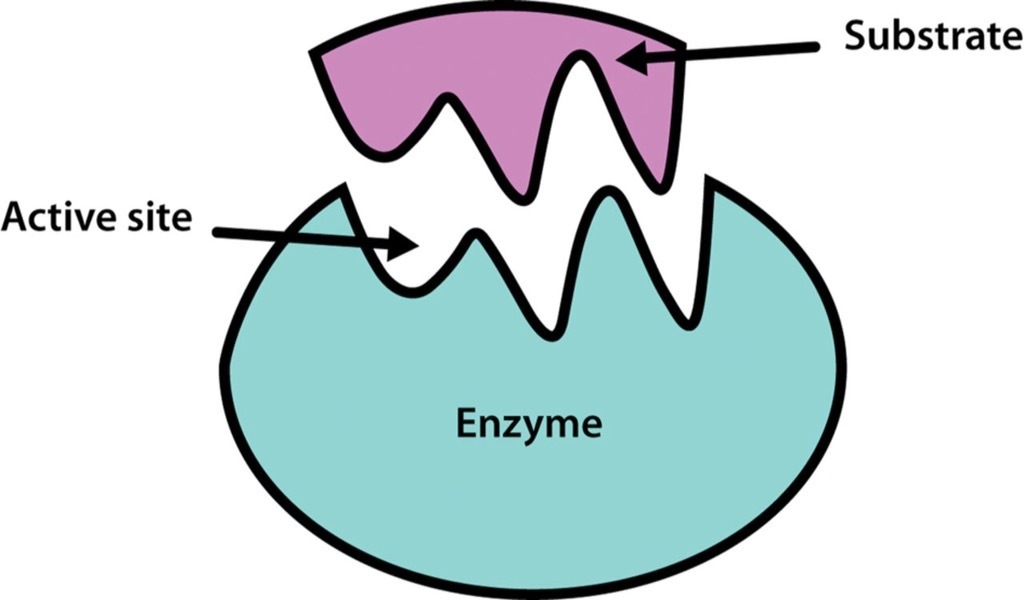
Active site
Enzyme
Substrate
Products
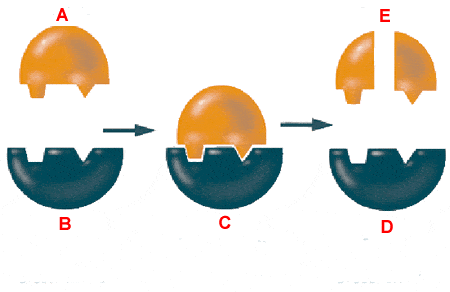
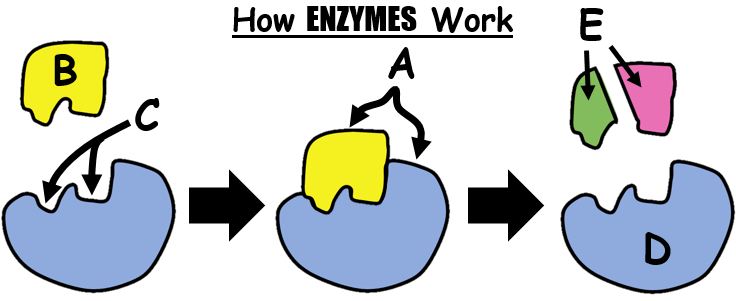
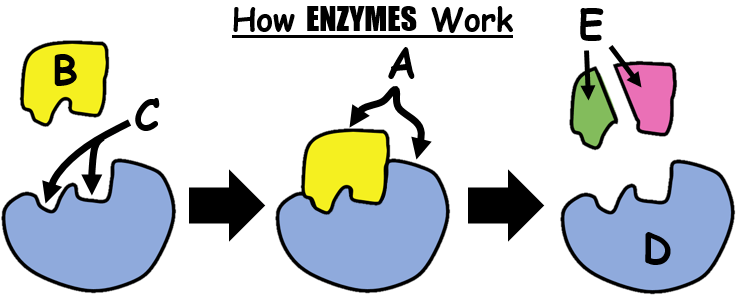
Enzymes catalyze reactions by ___________ activation Energy.

Letter "A" represents the ___________
Prokaryote
Active site
Product
Substrate
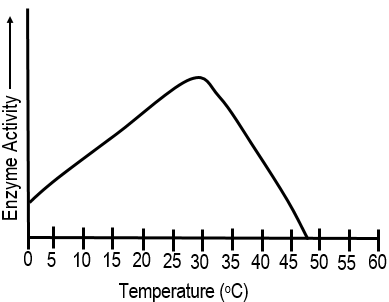
Enzymes can be affect by: (select all that apply)
Temperate
Isotonic solution
pH
Amount of substrate (concentration)

Letter "E" represent the __________
Phospholipids
Active site
Products
Enzyme


Match the biomolecule to its corresponding monomer
Carbohydrate
Monosaccharide
Lipid
Glycerol & Fatty Acids
Proteins
Amino Acids
Nucleic Acids
Nucleotide
Match the monomer to its corresponding polymer
Glycerol & Fatty Acids
Triglyceride
Nucleotide
DNA/RNA
Monosaccharide
Polysaccharide
Amino Acids
Polypeptide
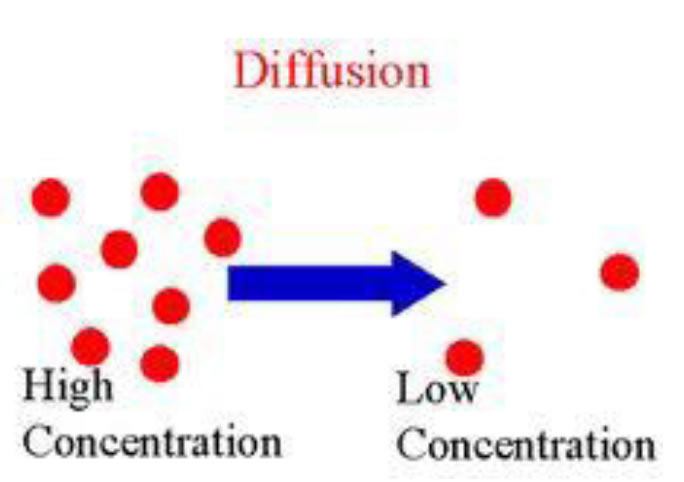
Simple Diffusion
When molecules passively cross the plasma membrane through the phospholipid bilayer
Facilitated Diffusion
When molecules passively cross the plasma membrane through a channel protein
Osmosis
The movement of water across the cell membrane
Endocytosis
Bringing in large materials through the cell membrane into a vacuole.
Exocytosis
Moving larger amounts or large quantities of materials through the cell membrane
Passive transport (a) require energy because it moves (b) the concentration gradient, from (c) .

What is the correct description of the transport in the image?
small molecules crossing the lipid bilayer (diffusion)
large molecules crossing through a protein (facilitated diffusion)
many molecules coming into the cell using a membrane vesicle (endocytosis)
many molecules coming out of the cell using a vesicle to fuse with the membrane (exocytosis)
Organize these options into the right type of transport:
does NOT require energy
requires energy
molecules move WITH the gradient
molecules move AGAINST the gradient
molecules move from high concentration to low
molecules move from low concentration to high
What happens during osmosis?
Movement of small molecules from high concentration to low concentration
Movement of water molecules from an area of high water concentration to an area of low water concentration

Identify the following structure
Phospholipid
Cell
Cell membrane
Protein

Which correctly points to the part of the image that is hydrophobic?
A
B
Which is a picture of a phospholipid bilayer?


Which image best represents facilitated diffusion?


Determine the tonicity


Organize these options into the right categories
Determine the Tonicity
(Each has 1 picture answer and 3 discrilptions)


Cells are in an environment in which solute concentration is high
Cells are in an environment in which solute concentration is low
Cells are in an environment in which solute concentration is the same inside/outside the cell
Water diffuses out of the cell
Water diffuses into the cell
Water diffuses into and out of the cell
Cell shrink / shrivel
Cell swell and can burst (lyse)
Cell is at normal functional size
Match the following

Hypertonic

Hypotonic

Isotonic

Osmosis

Diffusion
ATG TGA CAG

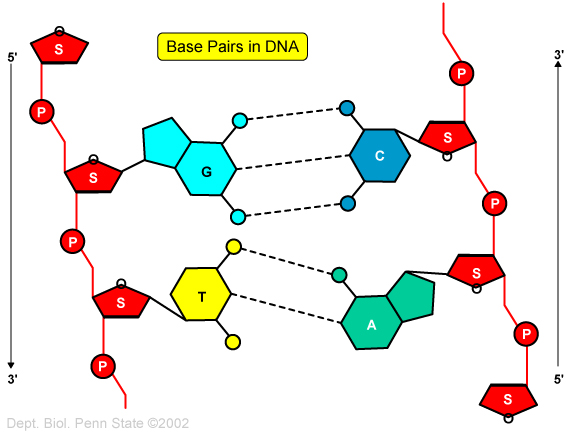
Which enzyme is responsible for adding nucleotides during DNA replication ("The Builder")?

The picture below shows the steps of DNA replication beginning with step one and ending with step three.
Because you are reusing the old, or parent, DNA strand DNA replication is said to be
Semi- Conservative
Semi-discontinuous
Continuous
Fully-Conserveative
DNA strand has the following bases AAGCCA what are the bases on the complementary strand (DNA Replication)
GGCTTA
TTGGGA
CCAGGT
TTCGGT
DNA is unzipped
Primase marks region to begin replication
Polymerase builds complimentary DNA strand
Ligase bonds DNA fragments


Uncontrolled cell division which usually leads to tumors and disease is called:
Metaphase
Cytokinesis
Cancer
Diabetes
What is the purpose the the cell cycle checkpoints?
To repair damaged cells before they enter cell division.
To remove damaged cells from an organism.

What threadlike structures rip chromatids apart and pull them back to the centrioles?
Spindle Fibers
Ribosomes
Zygotes
Centromeres

The result of mitosis is (a) , (b) cells.
two
one
identical
four
similar
different
Using your knowledge of mitosis, reorder the pictures of the phases below into the correct order.
The first step should be on the left side, with the last step being on the right side.


Which of the following is true for both bacteria and viruses?
both contain genetic material
can be killed using antibiotics
have a cell membrane
have a protein coat
Which statement is true about viruses?
Viruses can eat and metabolize food.
Viruses can reproduce only using a host cell.
Viruses can reproduce on their own at any time.
Viruses contain DNA, so they are alive.
The use of what modern technology has cause the rise in resistant bacteria
vaccines
antibiotics
fertilizers
solar panels
One important way to control the spread of viruses in through
the use of vaccines
drinking a lot of tea
the use of other types of bacteria
the use of antibiotics
Which of these is characteristic of both viruses and bacteria?
They get their energy from their environment.
They can reproduce on their own.
They can form crystals and become dormant.
They contain proteins and nucleic acids.
A bacterium reproduces asexually by dividing to form two new bacterial cells. What is the name of the process by which bacteria reproduce?
meiosis
mitosis
budding
binary fission

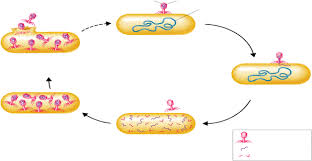
Which viral life cycle kills its host cell by lysing (bursting)?
Lysogenic Cycle
Lytic Cycle
Binary Fission
Conjugation
When a virus attaches to a host, what does it inject into the host
protein coat
Capsid
DNA/ RNA
Envelope
What is a host?
An organism that eats another organism
An organism or a cell that the virus needs to reproduce in
Something that causes harm to the cell
The person that greats you at a resturant

What is the name of this virus
Capsule
Helical
Bacteriophage
Teva (my dog)
A capsid is...
the protein surrounding a virus.
the protein surrounding a bacteria.
the same as a capsule.
None of the other answers are correct.
A disease causing microorganism
Pathogen
Mutation
Antibody
The mutated DNA segment is TTCGCAAG. This is an example of ___ mutation.
GAG-CTC-GAC-AGA
Mutant
GAG CTC-CAC-AGA
Mutation: ATC GCAT
What mutation occurred?
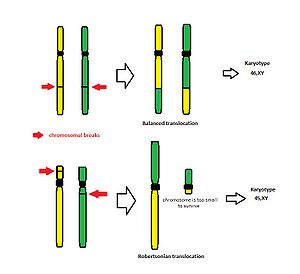

A ______ is a section of DNA that codes for a trait.
gene
genotype
phenotype
gender

The chromosomal mutation shown in the image is a
deletion
duplication
inversion
translocation
What is true of RNA? (select all that apply)
Single Strand
Contains uracil
Ribose Sugar
Deoxyribose Sugar
Which of the following is the complementary mRNA sequence to this DNA strand: AACTGAA
UUGACUU
TTGACTT
AACTGAA
AACUGAA

What is the location in the cell for translation?
Cytoplasm
Nucleus
Lysosome
Golgi apparatus
Match the following terms...
codon
mRNA
anticodon
tRNA
protein synthesis
to make more proteins

In Protein Synthesis,
(a) happens first.
(b) happens last.
mRNA
a message made from DNA
tRNA
carries an amino acid
rRNA
the ribsome where proteins are made

Label this image:
1= (a)
2= (b)
4= (c)
7= (d)

What is the amino acid sequence for the following mRNA strand:
AUG-GAC-UAG
(a)
What is the amino acid sequence for the following mRNA strand:
AGG-UUC-CUG
Write your answer like this: ___-___-___
(a)

What is the amino acid sequence for the following mRNA strand:
CCA-GAG-UAG
Write your answer like this: ___-___-___
(a)
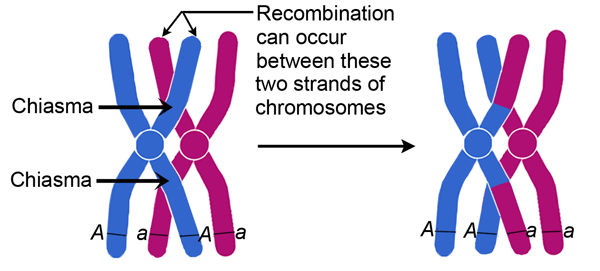
segregation of sister chromatids
condensation and segregation of alleles
mutationin which the DNA content of the gene is altered
crossing - over in which genes are exchanged
In mitosis the (a) daughter cells that are created are (b) . In meiosis the (c) daughter cells that are created are (d)
Select the image that represents meiosis:


The --------------------- cells undergo Mitosis while the --------- undergo Meiosis
(A) Somatic or body ; Gametes
(B) Gametes; Somatic or body cells
(C) Gametes; Gametes
(D) Somatic or Body cells; Somatic or Body cells
The genotype for a yellow plant is...
Match the following combinations of alleles:
Homozygous dominant
DD
Homozygous recessive
dd
Heterozygous
Dd


Which of the choices is homozygous dominant?
BB
Bb
bb
Which of the choices is homozygous recessive?
BB
Bb
bb
Who studied different characteristics of pea plants by cross-pollinating plants?
Gregor Mendel
Albert Punnett
Sir Isaac Newton
David Kuster
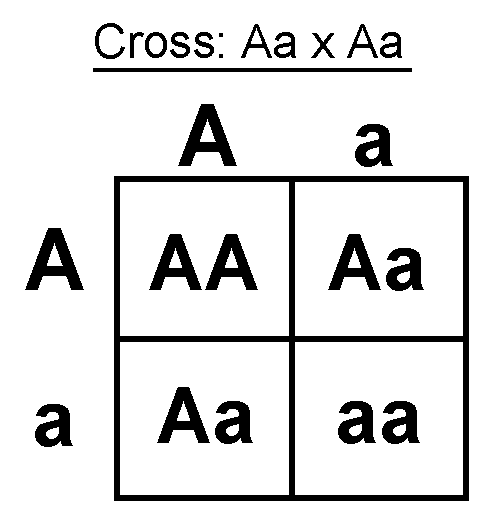
What is the genotypic ratio of the offspring?
3:1
1:3
1:2:1
2:2

The image shown depicts a point mutation. Which of the following categories best describes this mutation?
Missense
Nonsense
Silent
Neutral

A substitution mutation that has no effect
on an amino acid's sequence would be best categorized as:
Insertion Mutation
Translocation
Silent Mutation
Deletion Mutation
Which mutation is likely to have the most severe impact on the protein it codes for?
Silent mutation
Missense mutation
Nonsense mutation
Frameshift mutation