
 Worksheets
Test: Midterm Focus 2.1 to 2.24
Total questions: 106
Worksheet time: 2hrs 21mins
What do you call organisms that can make their own food?
heterotophs
autotrophs
trophies
What is another name to describe an autotroph?
Consumer
Producer

Organisms that cannot make their own food and must get energy from eating other organisms are called...
autotrophs
heterotrophs
plants
Which of the following organisms recycle materials from dead organisms and their waste products?
autotrophs
heterotrophs
scavengers
decomposers
The main difference between photosynthesis and chemosynthesis is:
Photosynthesis gives off carbon doxide, while chemosynthesis gives off oxygen
photosynthesis happens in the dark, while chemosynthesis happens in light
photosynthesis uses chemicals (hydrogen sulfide) to make food, while chemosynthesis uses light
chemosynthesis uses chemicals (hydrogen sulfide) to make food, while photosynthesis uses sunlight
What is the function of ATP in living things?
provides energy for cells
stores genetic information
provides structure in the nucleus

Which bond of the ATP molecule is broken in order to release energy?
A
B
C
D

Which of the following structure is where cellular respiration (Kreb's Cycle and Electron Transport Chain) occurs in the cell?
nucleus
cytoplasm
mitochondria
vacuoles

What type of respiration requires oxygen?
Aerobic
Anaerobic
What type of respiration does not require oxygen?
Aerobic
Anaerobic
Most of the photosynthesis in a leaf occurs in the
mesophyll layer (palisades and spongy layers).
epidermis.
xylem and phloem.
stomates.
Stomates have multiple functions. Select the two answers that best describe what stomates do.
allow carbon dioxide into the leaf
allow oxygen out of the leaf
allow sunlight into the leaf
allow sugars out of the leaf
Control center of the cell (like a brain)
Nucleus
Nucleolus
Cytoplasm
Endoplasmic Reticulum

This is most likely an _________________ cell because it has a nucleus but no cell wall and no chloroplast.
Plant
Animal
Bacteria
Cell

What is the main function (job) of the cell membrane?
To regulate what enters and exits the cell
To support and protect plant cells
To make proteins
To store water and nutrients

Where is DNA stored in a cell?
Lysosomes
Golgi Complex
Ribosomes
Nucleus

What is the fluid inside a cell called?
Endoplasimic Reticulum
Orange Juice
Water
Cytoplasm

This organelle turns the light energy into a simple sugar.
Mitochondria
ER
Chloroplast
Nucleus
You are made up of...
eukaryotic cells
prokaryotic cells
plant cells
bacterial cells

This organelle manufactures food through the process of photosynthesis.
Nucleus
Chloroplast
Mitochondria
Vacuole

This provides structure and support to plant cells.
Plasma Membrane
Chloroplast
Cell wall
Nucleus

A ribosome can be best described as...
a protein factory
a trash collector
the powerhouse of the cell
the brain of the cell

Mitochondria are found in which of the following cells
Bacteria, Plant and Animal Cell
Bacteria only
Animal only
Plant and Animal cells
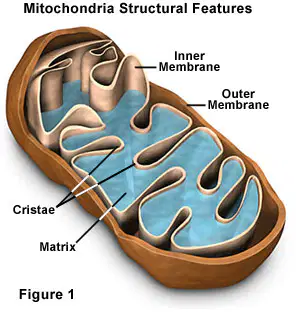
The mitochondria goes through ___________________ to breakdown __________ to produce _________
aerobic respiration, glucose, ATP
anaerobic respiration, glucose, ATP
aerobic respiration, carbon dioxide, glucose
anaerobic respiration, carbon dioxide, glucose
Finish the sentence: A prairie dog is one type of...
environment
habitat
organism
abiotic factor
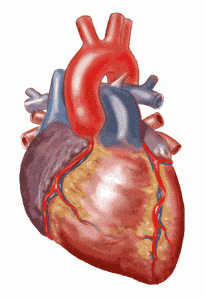
This is a example of ........
cell
organ system
organ
tissue
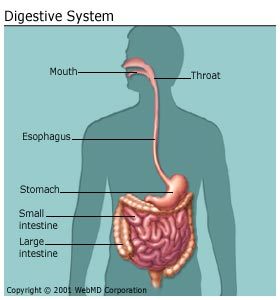
This is a example of........
organ system
cells
organ
tissue
Which of the following is the correct order of organization in living things from most basic (simple) to most complex?
a. Organism, cell, tissue, organ, organ system
a. Organ system, organ, tissue, cell, organism
a. Cell, tissue, organ, organ system, organism
a. Cell, organ, tissue, organ, organism, organ system

What type of biological molecule is shown? HINT: Made of amino acids.
carbohydrate
lipid
protein
nucleic acid

What type of biological molecule is shown?
carbohydrate
lipid
protein
nucleic acid
The most abundant compound in most living things is
sodium chloride
sugar
carbon dioxide
water

Streptococcus, a round cell, is the bacteria that causes strep throat.
Which characteristic of life does this refer to?
Living things need energy
Living things are composed of one or more cells
Living things respond to their environment
Living things grow and reproduce
Living things maintain a stable internal environment
Which type of organic compound makes up sugars and starches?
lipids
proteins
carbohydrates
nucleic acids
Which of the following is NOT a main class of organic compounds? a. proteins b. water c. nucleic acids d. lipids
proteins
water
nucleic acids
lipids
What is the correct ordering of nucleus, chromosome, and gene from smallest to largest?
nucleus, chromosome, gene
nucleus, gene, chromosome
gene, chromosome, nucleus
gene, nucleus, chromosome

Which structures inside of a cell are made of DNA? a. ribosomes b. chromosomes c. proteins
carbohydrates
ribosomes
chromosomes
proteins
What statement used during the scientific method is falsifiable or framed in a way that allows other scientists to prove it false?
hypothesis
observation
question
conclusion
What is a plan for asking questions and testing possible answers?
prediction
hypothesis
observation
scientific investigation
What role do pigments play in photosynthesis?
Make plants green, which is calming
Capture sunlight
Absorb water in roots
Take in CO2


What are electron carrier molecules?
Molecules that transfer high energy electrons to other molecules
Molecules that carry energy from one reaction to another
Molecules that make ATP
Molecules that have little dogs that fit in their purse
Which electron carrier is used in photosynthesis?
NADH / NAD+
ATP / ADP
DLT + CSR 4EVR
You know, that one.
Deep ocean technology has discovered organisms in hydrothermal vents that do not rely on sunlight to survive. What do these organisms use as their energy source?
chemosynthesis
electrical charge
hydropower
thermal heat
Organisms that can live in extreme environments are called:
hooligans
extremists
extremophiles
extremely rare
What generates the heat required to fuel hydrothermal vents?
The sun
Cold seeps
Volcanism
Underwater plants
What types of environments do extremophiles live in? (select all that apply)
very high or low temperatures
very high Salt concentration
room temperature
How are Archaea and Bacteria similar? (Select all that apply)
Prokaryotes (no nucleus)
Unicellular organisms
Have genetic material
Have ribosomes
Can be heterotrophs or autotrophs
Which Kingdom do Tardigrades belong in?
Eubacteria
Fungi
Protista
Animalia
How have Tardigrades adapted to environmental stresses such as a lack of water, surviving extreme cold, and living in salt water?
Anhydrobiosis
Cryobiosis
Osmosisbiosis
All of the above

Tardigrades can survive in
extreme hot and cold temperatures
hydrothermal vents
high levels of radiation
vacuum of space
all of the above!
These are responsible for the absorption of Carbon Dioxide and release of Oxygen from the leaf
Cuticles
Stomata
Phloma
Pores
This is the organelle where the "magic" of photosynthesis occurs
Chloroplast
Chlorophyll
Chlorox
Vacuole
Chlorophyll is the location of which process
Cellular Respiration
Photosynthesis
Glucose Production
Digestion
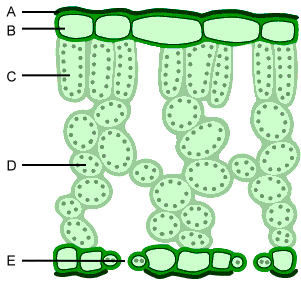
What is letter "A" pointing to?
cuticle
upper epidermis
lower epidermis
palisade mesophyll
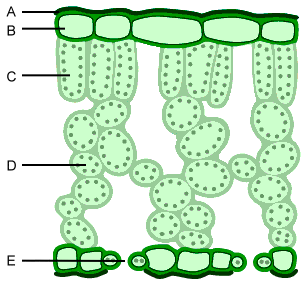
What is letter "D" pointing to?
upper epidermis
palisade mesophyll
spongy mesophyll
bundle sheath
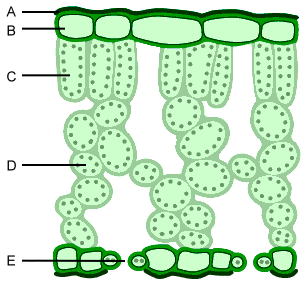
Which of the following is pointing to the "guard cell"?
B
C
D
E
Most of the chloroplast cells are found in the
upper epidermis
pallisade mesophyll layer
lower epidermis
stomata
carries water and minerals from roots to other parts of the plant
xylem
phloem
stoma
guard cell
What is photosynthesis?
Water loss by a plant.
When a photographer takes a photo.
To get your pictures from the photo lab.
The process in which plants make their food.
What does “high concentration area” mean?
Spread out
Tightly packed together
Uncrowded
Spacious
What process occurs when WATER diffuses across a membrane?
endocytosis
mitosis
osmosis
nuclear fission
Why are diffusion and osmosis important to cells?
It allows them to take in materials/substances without using energy.
It allows them to reproduce.
It allows them to absorb sunlight.
It allows cells to use all energy.

The picture is an example of _________________.
isotonic
diffusion
osmosis
active transport
When both inside and outside of a cell have the same amount of water it is said that the cell has reached a state of ___________.
osmosis
equilibrium
diffusion
hypertonic
What does selectively-permeable mean?
Allow certain things to enter and leave the cell
Nothing gets through
The cell lets only large substances through
Passive transport requires ________________
concentration gradients
no energy
motion
energy
Active / passive transport requires energy in the form of ATP.
Active
Passive
Endocytosis / exocytosis is when vesicles release material from the cell.
Endocytosis
Exocytosis
Which type of transport is the movement of molecules AGAINST the concentration gradient?
Active Transport
Passive Transport
Osmosis
Facilitated Diffusion

Which of the following scientists contributed to the cell theory?
Rudolf Virchow, Robert Hooke, Anton van Leuwenhoek
Matthais Schleiden, Theodor Schwann, Rudolf Virchow
Robert Hooke, Theodor Schwann, Anton von Leuwenhoek
Theodor Schwann, Matthais Schleiden, Robert HookeOption 4 (optional)
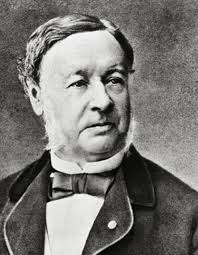
Which of the following scientists concluded that all animals are made of cells?
Rudolf Virchow
Matthais Schleiden
Robert Hooke
Theodor Schwann
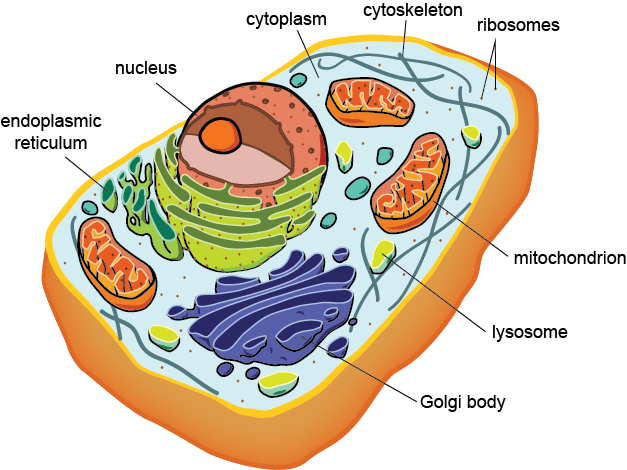
Which of the following statements is not part of the cell theory?
Cells are the basic unit of structure and function in all living things.
All cells are produced from other cells.
Only animal cells are composed of cells.
All living things are composed of cells.
The ___ is the basic unit of sturucture and function of organisms
atom
cell
matter
all other answers are correct
Who looked at cork and named the cell?
Robert Hooke
Van Leeuwenhoek
Robert Brown
Francesco Redi
The Cell Theory states...
atoms create all matter
living things evolve
the cell is the backbone of all matter
cells are the basic unit of structure and organization of organisms

Chloroplast
Mitochondrion
Nucleus
Ribosome
Living things pass on their genetic information to their _________.
Offspring
Food
Friends
Neighbors
True or False: Living things can obtain or make food.
True
False
Organelle that controls all cell activity.
Contains DNA (genetic material).
Known as the boss of the cell, or the control center.
Cell Membrane
Cell Wall
Mitochondria
Nucleus
Permeable means
things can pass through
the concentration levels are different
it is permanent
things are stuck

What is the definition of Semi Permeability?
The movement of materials across the cell membrane that requires NO ENERGY from the cell.
The movement of materials through (or across) the cell membrane
The ability of the cell membrane to allow some things to pass through while preventing other things from passing through.
The movement of molecules from an area of high concentration to a area of low concentration

_______ regulates what enters and leaves a cell.
Cell Membrane
Nucleus
Mitochondria
Cytoplasm
Endocytosis is defined as
the movement of large molecules from the inside of the cell to the outisde of the cell using channel proteins.
the movement of large molecules from the inside of the cell to the outisde of the cell membrane vesciles.
the movement of large molecules from the outside of the cell to the inside of the cell using membrane vesciles.
the movement of large molecules from the outside of the cell to the inside of the cell using channel proteins.
ALL living cells have this in common
Nucleus
Cell Membrane
Cell Wall
Mitochondria
Exocytosis is the movement of
any type of substance from outside the cell to the inside of the cell.
very large substances from outside the cell to the inside of the cell.
any type of substance from inside the cell to the outside.
very large substances from inside the cell to the outside.

In this image, the cell is using which type of molecular transport?
Osmosis
Diffusion
Endocytosis
Exocytosis
Large particles being encased in a vesicle and brought into the cell is an example of
endocytosis
exocytosis
facilitated diffusion
osmosis

This picture represents which type of cellular transport?
passive transport
endocytosis
exocytosis
osmosis

This picture represents what type of cell transport?
endocytosis
exocytosis
osmosis
passive transport
The sodium potassium pump usually pumps
potassium out of the cell
sodium out of the cell
sodium into the cell
both potassium and sodium into the cell
What is the difference between active and passive transport?
Active does not need energy and passive uses ATP (energy)
Active uses ATP (energy) and passive does not need energy
Active stores transport proteins and passive releases
Active uses hormones and passive does not
The sodium-potassium pump usually pumps
only potassium ions and sugar molecules
potassium ions out of the cell
sodium ions into the cell
potassium ions into the cell
Osmosis is the movement of _____ across a membrane.
food
energy
oxygen
water
In passive transport, molecules move from an area of __________ concentration to an area of __________ concentraiton
high, low
low, high
water, salt
active, passive
Permeable means
things can pass through
the concentration levels are different
it is permanent
things are stuck
What is diffusion?
when molecules move
when molecules move from a high concentration to a low.
no movement
molecules move everywhere
Rigid layer that surrounds the cell of plants and some other organisms such as fungi
Cell Wall
Golgi Apparatus
Chloroplast
Cell Membrane
Which organelle helps cleanup the cell
Lysosome
Cytoplasm
Chloroplast
Nucleus
The subunits of proteins are
nucleotides
amino acids
monosaccharides
fatty acids

Starch, cellulose, and glycogen belong to the class of
proteins
lipids
monosaccharides
polysaccharides


How do you test for lipids?
By using Ethanol and water
By using Benedicts solution
By using Iodine

