Worksheets
B - Evolution, Artificial & Natural Selection, & Adaptations
Total questions: 115
Worksheet time: 6hrs 33mins
Natural selection occurs during the lifetime of a single organism.
True
False

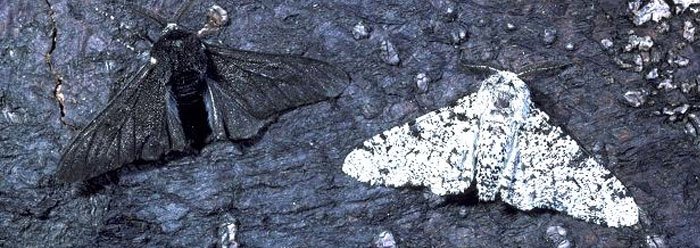
What is most likely to happen to moth populations in the picture shown?
Light moths--hunted easily, dark moths--population increase
Dark moths--hunted easily, dark moths--population increase
Light moths--hunted easily, light moths--population increase
Lights moths will change their color to match dark moths.
How do you "win" at natural selection?
survive
go extinct
survive & reproduce

Due to pollution, a pond becomes darker over time. Which trait variation became more common?
light fish
dark fish
The better adapted organisms survive to pass traits along to offspring.
Evolution
Natural Selection
Extinction
Artifical Selection
They are more likely to survive and reproduce.
They come from dominant alleles.
They come from recessive alleles.
Traits are likely to survive.
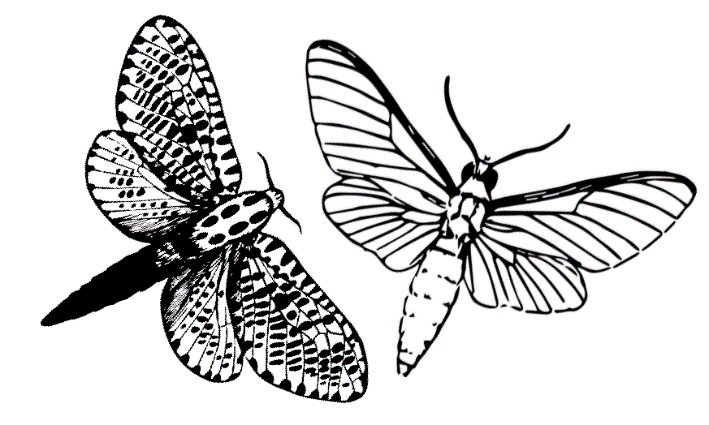
According to natural selection, light colored tree trunks would favor
light colored moths
dark colored moths
red colored moths
red and light colored moths
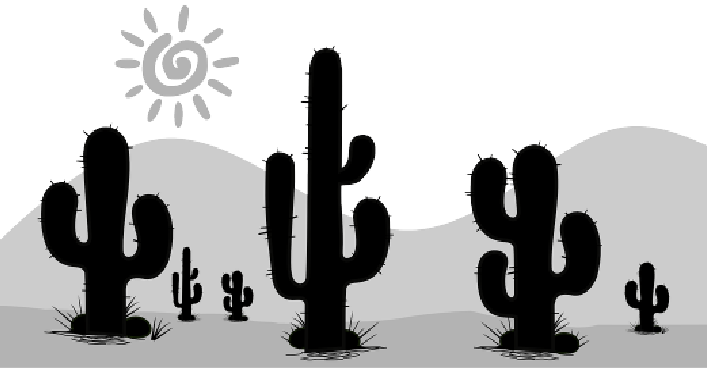
Natural Selection is driven by a change in the environment and survival of the
Earth
Fastest
Fittest
Biggest
Which organisms are most likely to survive & reproduce?
the best adapted
the fastest
the strongest
the most domesticated (tamed)
Change in a population over time that descend from a common ancestor.
Natural Selection
Selective Breeding
Homeostasis
Evolution
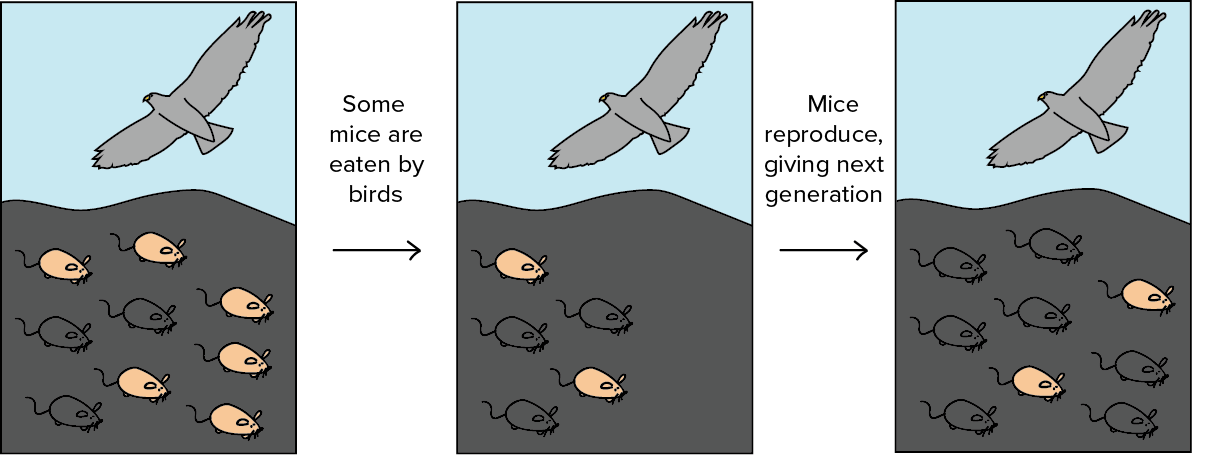
The light mice can reproduce more successfully than the dark mice
The dark mice taste better
Hawks can see the light mice more easily

All rabbits of the same species living in a particular area would be an example of a(n)
population
species
community
ecosystem
The more genetic variation a population has,
the more likely it is for some individuals to
evolve
migrate
survive
mutate
Mutations are important because they bring about
death of the organism in which they develop
genetic variation needed for a population to evolve
benefits for the individual, not for the population
changes in genotype, but not phenotype


Why is competition important for natural selection?
It shows which variations are more successful, allowing the organisms with those variations to survive.
It causes organisms, regardless of which traits they have, to die out, reducing the population size.
It causes organisms to get stronger due to having to outcompete other species.
Competition is not important for natural selection.
Natural Selection
A process -- survival of the fittest
Adaptation
inherited trait that increases chance of survival
Development
A process - cells change from one kind to another
Diversity
variation of life forms
Species
Organisms that can reproduce and produce fertile offspring

Diversity

Natural Selection

Adaptation

Species

Development
A process in nature where traits and organisms that are best adapted to the environment survive and reproduce.
(a)
A variation in a plant or animal that increases it chance of survival in its environment.
(a)
A taxonomic category referring to organisms that can reproduce with one another, have similar characteristics, and have a common gene pool.
(a)
A species could go extinct if:
food becomes more plentiful.
members of the species have adaptations to enhance survival.
the environment changes drastically and no one can adapt.
there is less competition for resources.

What type of environment do you think this data was collected from?
forest with primarily white-bark trees
forest with primarily dark-bark trees
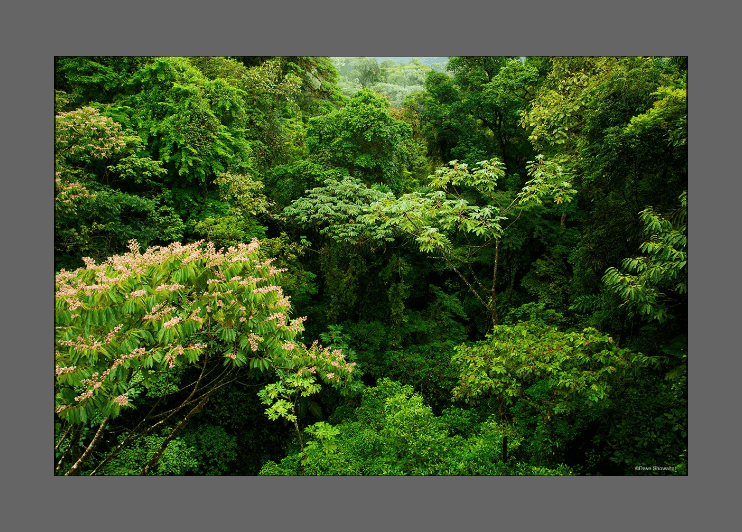
A yellow morph and green morph of an insect lives in the rainforest canopy. You would expect:
the green population to increase and the yellow to decrease
both populations should stay the same
both populations will increase
the green population to decrease and the yellow to increaseThis is a wrong answer
What is a trait?
a color
the quality or characteristic of an organism
the DNA of an organism
when mutatuons cause extra limbs.
In a cold environment what would be some adaptive traits? Sellect all that apply.
thick blubber
thick fur
thin fur
strong muscles
Which of the following is an example of artificial selection?
Gorillas are in the wild and have a baby gorilla.
A group of ants in an ant pile are exterminated by an exterminator.
A black speckled rabbit is a new favorite among children, a white and black rabbit are picked to make black and white baby bunnies.
Wolves in the wild have pups.

White tigers are becoming extinct, to overcome this a male and female white tiger are paired together in captivity to help their population continue to grow. This is an example of:
Natural Selection
Gene Flow
Artificial Selection
Genetic Drift
Differences in traits are called:
natural selection
genetic variations
artificial selection
adaptations
A population of rabbits grows rapidly from one year to the next. Then one year, a disease strikes approximately one fourth of the adult rabbits. The disease remains with the population in the years that follow.
As explained by Darwin’s theory, which of these conditions allows the rabbit population to evolve by natural selection?
The disease affects adult and juvenile rabbits equally.
The disease reduces the ability of the rabbits to reproduce.
Some rabbits are resistant to the disease, and they pass the resistance to their offspring.
No rabbits are resistant to the disease, and all die when the disease strikes them.
Before the invention of the light bulb, Americans burned oil in lamps for light. Whale oil was popular bio-fuel for these
lamps. Ship crews would hunt whales for their oil. They searched for the largest whales they could find so that they could obtain as much whale oil as possible. How mighty decades of whale hunting possibly affect the natural selection of the species?
The whales lost their legs.
The whales became slower.
The whales became smaller.
The whales changed their calls.
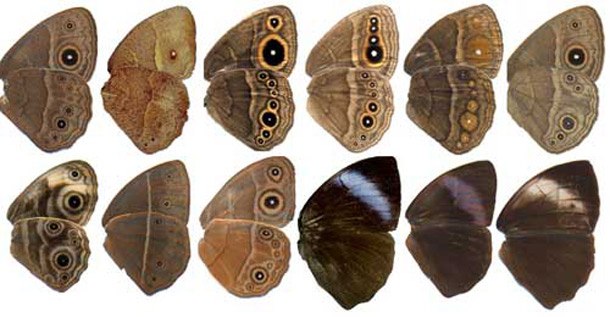
Darwin said that the number of offspring an organism ___________________
stays the same
has is more than can survive
has is less than needed
What is an Abiotic Factor?
A NON-living factor that can affect an ecosystem
A living factor that can affect an ecosystem
The carrying capacity of an ecosystem
What is a Biotic Factor?
The carrying capacity of an ecosystem
A NON-living factor that can affect an ecosystem
A living factor that can affect an ecosystem
Check all of the boxes that show examples of biotic factors.
Rain
Humans hunting
Predators
Wildfire
Check all of the boxes that are examples of abiotic factors.
Prey
Rainfall
A pack of wolves
A tornado
What is a population?
All the organisms living in an area
The living and non-living organisms in an area
A group of the same species living in an area

Beak shape depends on...
where birds live
who they hang out with
diet (fish or seeds)
exercise

A giraffe has a long neck in order to better reach leaves to eat. This is an example of _____.
an adaptation
environment
response
stimulus

which is the learned behavior?
shape of beak
monkey riding bicycle
horse eating hay
snake eating mice

Determine if the traits are structural or behavioral.
Migration
Behavioral because it makes animals move away and find better resources
Hibernation
Behavioral because it allows animals to save energy
Camouflage
Structural because it allows organisms to hide in plain sight
Venom
Structural because it is a chemical defense
Storage of food in bulb
Structural because it allows plants to save energy for later use
What is an example of artificial selection?
Letting dogs choose their own mate
Letting plants pollinate on their own
Crossing a labrador and a poodle to create a labradoodle
Artificial selection is also known as
natural selection
selective hearing
genetic manipulation
selective breeding
When humans select desirable traits to be passed down to offspring
natural selection
artificial selection
Artificial Selection is
a new concept
discovered by Darwin and used ever since
used for thousands of years
a 19th century concept
These cause variations.
mutations
adaptations
a desire to change
breeding
1. Artificial selection has been a big factor in the evolution of:
Dogs
Panda bears
Snakes
Jellyfish

When a farmer breeds only his or her best livestock, the process involved is.......
natural selection
artificial variation
artificial selection
survival of the fittest
An example of selective breeding is
a dog breeder mating 2 dogs to make more dogs
a farmer grows bees to pollinate the plants on his farm
a person pollinates 2 white rose plants to only create white roses
A symbiotic relationship in which both organisms benefit ( ++ )
commensalism
mutualism
parasitism
A symbiotic relationship in which an organism benefits and the other organism is hamed. ( + - )
commensalism
mutualism
parasitism
A symbiotic relationship in which one organisms benefits and the other organism is unaffected. ( + 0 )
commensalism
mutualism
parasitism
A close long term association between two or more species.
carry capacity
limiting factor
symbiosis
A long term change that takes place in two species because of their close interactions with one another, causing them to effect one anothers evolution.
limiting factor
carrying capacity
coevolution
mutualism
commmensalism
parasitism
Eyes that can see in the dark is a(an) _______ inherited by nocturnal animals.
adaptation
acquired trait
learned ability
Evolution, symbiosis, cells come from other cells, and plate tectonics are all examples of scientific...
hypotheses
theories
laws

Abiotic Factor
nonliving factors (soil, pollution, natural disasters, climate)
Biotics Factor
Living factors (plants and animals)
Habitat
is a place where a particular population lives (anthills, squirrel nests, beaver dams, etc)
A(n) __________________ includes all the living and non-living factors in an area.
ecosystem
population
community
biosphere
An organisms role in it's environment is its-
habitat
niche
trophic level
biotic factors
True or False:
No two organisms can occupy the exact same niche a the exact same time
True
False
Decomposer
This is an organism that breaks down and gains nutrients from dead organisms.
Predator
This is an animal that lives by preying on other animals.
Producer
This is an organism that supplies matter and energy, also known as an autotroph.
Consumer
This is an organism that relies on other organisms for its food and energy supply; heterotroph
Parasite
This is an organism which feeds on, but usually does not kill, a larger organism


What is a niche?
Where an organism lives.
An organisms role, or job, within its ecosystem.
What an organism eats.
What is a Niche of a honeybee?
Pollenating Flowers
A Honeycomb
Eating other insects.
Swimming.
Reorder the following from least to greatest (from left to right).
organism
population
community
ecosystem
biome
North America's "duck factory"
mountains
Prairie pothole region
coral reef
tundra
taiga
prairie pothole region
prairie wetland
biotic
living
abiotic
nonliving
dynamic
moving
static
NOT moving
Where is the prairie pothole region?
northern plains of the US
southwest part of US
east coast
Florida
This biome covers 70% of the Earth’s surface.
Ocean
Rainforest
Temperate deciduous forest
Boreal forest (Taiga)
This biome is near the equator.
Temperate deciduous forest
Grassland
Rainforest
Desert

What is this picture describing?
It is describing natural selection.
It is describing direct competition between flamingos and ducks.
It is describing abiotic factors of the tundra.
It is describing the niche of each bird.


Which two organisms are the most closely related according to their DNA sequence?
Critter A--> ATG CTT TTC CCG TTA
Critter B--> ATC CTT TTC CCG TTA
Critter C--> ATG CTA TAG GCG TAA
Critter A and B
Critter A and C
Critter B and C
They are all equally related

Which of the following is considered a behavioral adaptation?
Wolves hunting in packs
Long trunks of elephants
Birds wings that allow them to fly
The white underbelly of a shark