wayground logo

Free Printable Worksheets

Font size

S
M
L
XL
Worksheets

Semester 1

Total questions: 119

Worksheet time: 2hrs 22mins

Name
Class
Date
1.
All living things are made of...
a)
atoms 
b)
cells 
c)
bacteria 
d)
plants 
2.
Where is the DNA found in a prokaryotic cell? 
a)
floating around in the cytoplasm 
b)
in the nucleus 
3.
What type of cell has a nucleus? 
a)
eukaryotic
b)
prokaryotic 
4.
Under a microscope, what kind of cells lack membrane-bound internal organelles?
a)
Prokaryotes
b)
Eukaryotes
c)
Plants
d)
Animals
5.
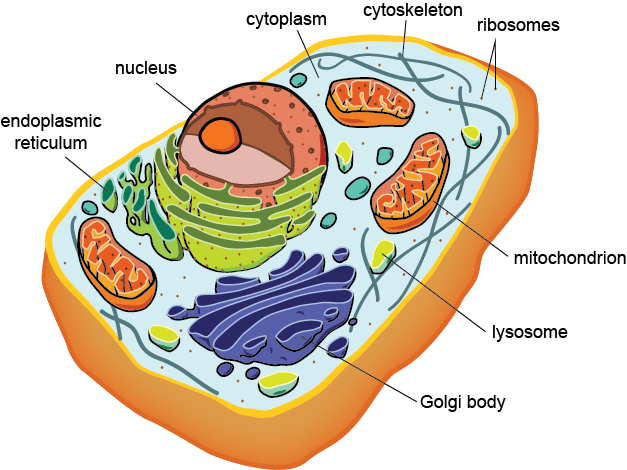
The picture illustrates a
a)
Prokaryotic Plant Cell
b)
Prokaryotic Animal Cell
c)
Eukaryotic Plant Cell
d)
Eukaryotic Animal Cell
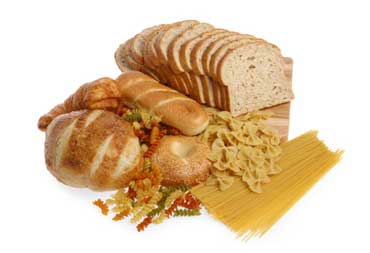
6.
control, read, and direct the cell using DNA instructions
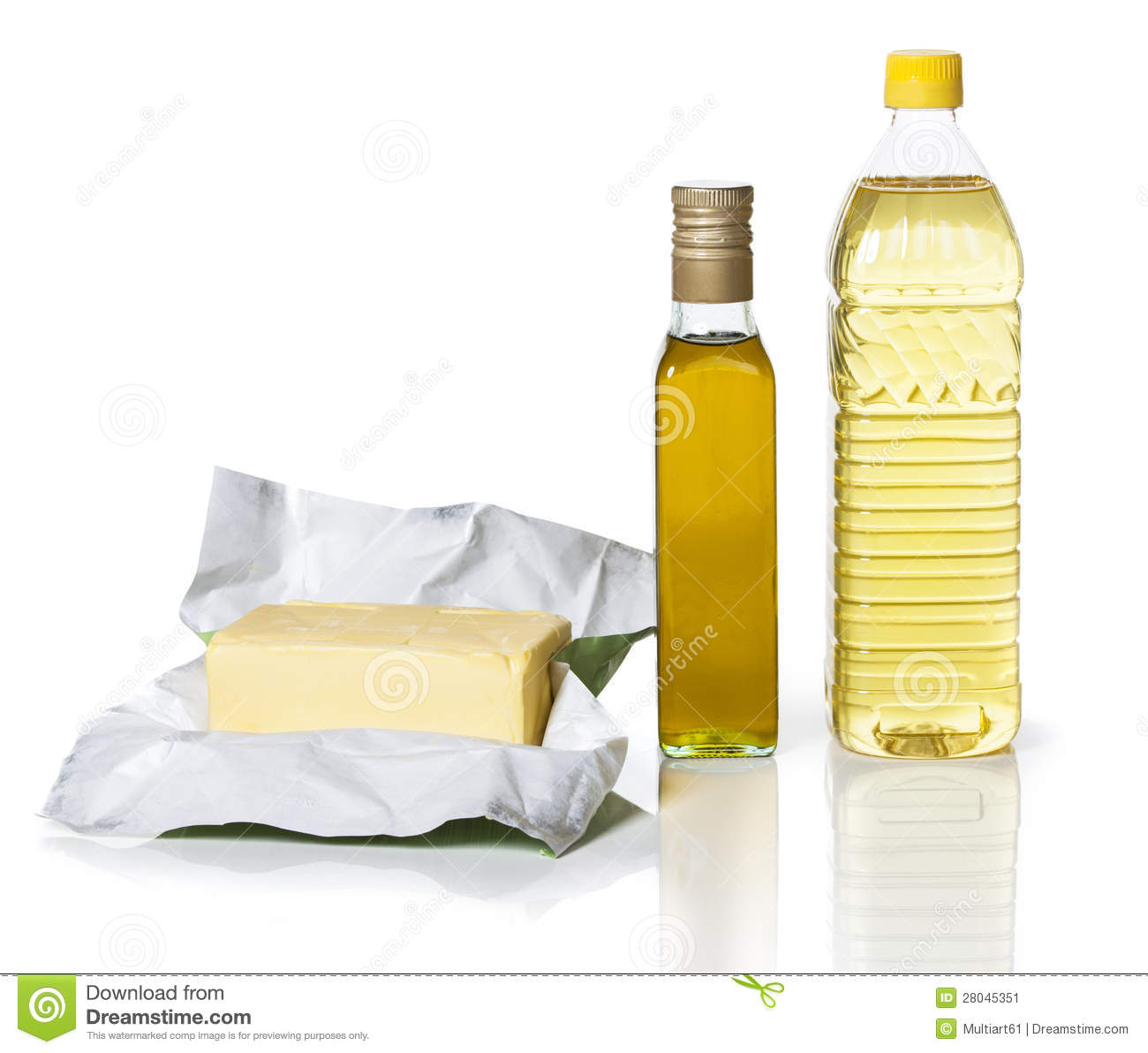
a)
nucleus
b)
mitochondria
c)
endoplasmic reticulum
d)
lysosome
7.
Controls what enters/leaves a cell
a)
cell membrane
b)
Nuclear membrane
c)
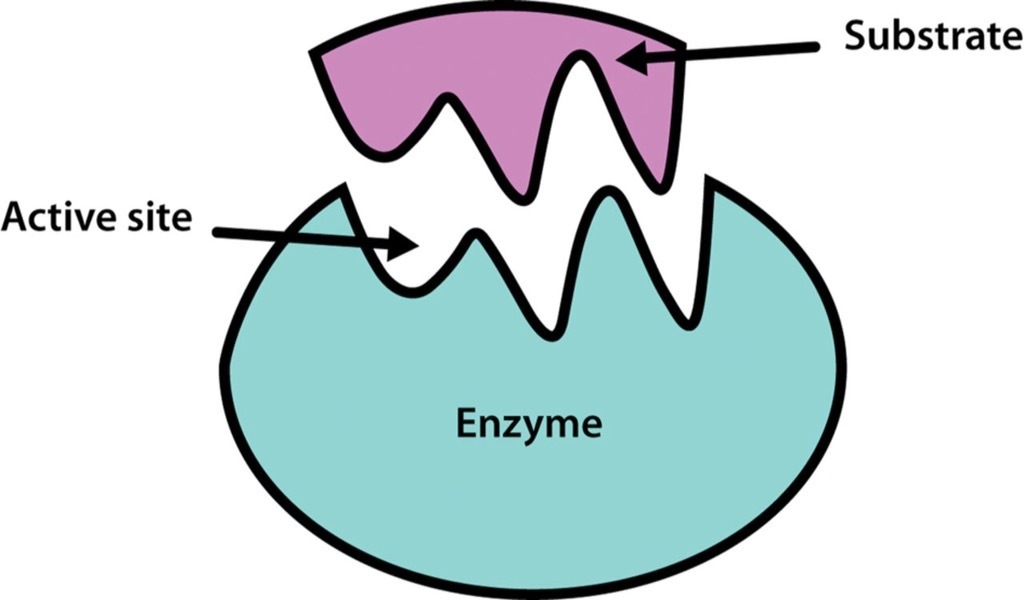
cell wall
d)
cytoplasm
8.
stiff, protective outer layer of plant cells
a)
cell membrane
b)
nuclear membrane
c)
cell wall
d)
cytoplasm
9.
releases energy for cells to use, most common in animal cells
a)
mitochondria
b)
ribosomes
c)
lysosomes
d)
nucleolus
10.
Amino acids link together to form proteins. In which organelle would this process occur?
a)
Lysosome
b)
Ribosome
c)
Centriole
d)
Mitochondria
11.
packages proteins for delivery
a)
Endoplasmic reticulum
b)
ribosomes
c)
golgi apparatus
d)
lysosomes
12.
collect sunlight which it converts to sugars
a)
chloroplasts
b)
cytoplasm
c)
cell wall
d)
mitochondria
13.
hold/store water, mainly found in plant cells
a)
nuclolus
b)
ribosomes
c)
golgi bodies
d)
vacuoles
14.
break down (digest) worn out cell parts, mostly in animal cells
a)
cytoplasm
b)
lysosomes
c)
mitochondria
d)
vacuoles
15.
jello-like material, fills the space between cell organelles, is where many chemical reactions occur
a)
cytoplasm
b)
chromatin
c)
chloroplast
d)
cell membrane
16.
Transportation network for the cell, moves materials around in the cell
a)
Lysosome
b)
Nuclear Membrane
c)
Endoplasmic Reticulum
d)
Centriole
17.
What am I?
a)
mitochondria
b)
lysosomes
c)
chloroplast
d)
endoplasmic reticulum
18.
What am I?
a)
cell wall
b)
mitochondria
c)
cytoplasm
d)
chloroplast
19.
What am I?
a)
vacuole
b)
ribosome
c)
endoplasmic reticulum
d)
golgi apparatus
20.
What am I?
a)
Nucleus
b)
Golgi Body
c)
Mitochondrion
d)
Plasma Membrane
21.
"Water Loving"
a)
Hydrophobic
b)
Hydrophilic 
c)
Hydroelectric 
d)
Hydroloric
22.
"Water Fearing" 
a)
Hydrophobic
b)
Hydrophilic 
c)
Hydroelectric 
d)
Hydroloric
23.
___________ have 2 functions in the cell membrane.
1.) They act like gatekeepers, only let certain things in. 
2.) Enzyme receptors embedded in the membrane.
a)
Carbohydrates 
b)
Proteins 
c)
Phospholipids 
d)
Cholesterol
24.
___________ form the two layers of the cell membrane. 
a)
Carbohydrates 
b)
Proteins 
c)
Phospholipids 
d)
Cholesterol
25.
Look at the cross section of a cell membrane of a eukaryotic cell. H+ ions are being pumped from a low concentration to a high concentration. How do you describe this type of transport across the cell membrane?
a)
active transport
b)
passive transport
c)
facilitated diffusion
d)
co-transport
26.
The diffusion of water across a selectively permeable membrane is called 
a)
active transport
b)
facilitated diffusion
c)
osmosis
d)
phagocytosis
27.
During diffusion molecules tend to move 
a)
   up the concentration gradient
b)
 from an area of lower concentration to an area of higher concentration
c)
 in a direction that doesn’t depend on concentration
d)
 down the concentration gradient
28.
Which of the following is NOT a cell theory.
a)
All non-living things are made of cells
b)
All cells come from pre-existing cells
c)
Cells are the basic unit of structure and function of all living things
29.
Which of the following statements is not part of the cell theory?
a)
Cells are the basic unit of structure and function in all living things.
b)
All cells are produced from other cells.
c)
Only animal cells are composed of cells.
d)
All living things are composed of cells.
30.
All cells are produced ____________.
a)
From pre-existing and deceased cells
b)
from other pre-existing cells
c)
Cells can come from anywhere, as long as there is the sun.
31.

A(n) ____________ forms when two nonmetals share a pair of electrons.

a)

covalent bond

b)

ionic bond

c)

cation bond

d)

anion bond

32.

A(n) ___________ forms when two oppositely charged ions come together.

a)

cation bond

b)

covalent bond

c)

ionic bond

d)

anion bond

33.

A(n) ______________ is a positively charged atom.

a)

anion

b)

proton

c)

cation

d)

electron

34.

A(n) ______________ is a negatively charged atom.

a)

cation

b)

proton

c)

electron

d)

anion

35.

A(n) _____________ is made of two or more elements bonded together. (may be same or different)

a)

compound

b)

valence shell

c)

molecule

d)

atom

36.

___________________ are electrons on the outermost energy level.

a)

Ions

b)

Valence Electrons

c)

Molecules

d)

Compounds

37.

_____________ is a substance that releases hydrogen ions into a solution.

a)

A base

b)

A cation

c)

An acid

d)

An anion

38.

_____________ is a substance that releases hydroxide ions into a solution.

a)

A cation

b)

An anion

c)

An acid

d)

A base

39.

_____________ are pure substances that cannot be broken down into simpler kinds of matter.

a)

Elements

b)

Atoms

c)

Compounds

d)

Cells

40.

________________ is a positively charged part of an atom.

a)

A neutron

b)

An electron

c)

An element

d)

A proton

41.

________________ is a negatively charged part of an atom.

a)

A neutron

b)

An element

c)

An electron

d)

A proton

42.

Electrons can be found in the nucleus of an atom.

a)

True

b)

False

43.

A neutron weighs _______________.

a)

-1 amu

b)

0 amu

c)

1 amu

d)

2 amu

44.

A proton has a positive charge.

a)

True

b)

False

45.

Which of the following ARE part of the "6 elements that make up all living things?" Mark all the apply.

a)

Phosphorous

b)

Potassium

c)

Sulfur

d)

Nitrogen

e)

Carbon

46.

A cell is the most basic unit of matter.

a)

True

b)

False

47.

An element is determined by the number of ______________ (also known as the atomic number).

a)

electrons

b)

neutrons

c)

ions

d)

protons

48.

Iron has an atomic number of 26 and an atomic weight of 56. How many neutrons does iron have?

a)

26

b)

36

c)

56

d)

30

49.

"Substance x" has a pH of 4 while "substance z" has a pH of 11. Which is the stronger acid?

a)

Substance Z

b)

neither is an acid

c)

they are equally strong

d)

Substance X

50.

How many electrons can fit in the 3rd energy shell?

a)

2

b)

8

c)

18

d)

12

51.

A solution that is an Acid is going to release ______________ into the solution.

a)

Hydroxide

b)

Electrons

c)

Hydrogen Ions

d)

Hydronium Ions

52.

Everything that is made of atoms is mostly _______________.

a)

Carbon

b)

Protons

c)

Electrons

d)

Empty Space

53.

H+ + OH- = _________

a)

H2O

b)

HHO

c)

HOH

d)

HO

54.

How many neutrons are there in Beryllium?

a)

4

b)

9

c)

5

d)

6

55.
What biomolecule do enzymes belong to? 
a)
Carbohydrate
b)
Lipid
c)
Nucleic Acid
d)
Protein
56.
Which biomolecule is found in pasta and bread?
a)
Lipid
b)
Protein
c)
Nucleic Acid
d)
Carbohydrate
57.
Which biomolecule is a main source of quick energy?
a)
Nucleic Acid
b)
Protein
c)
Lipid
d)
Carbohydrate
58.
Which biomolecule is found in fats, oils, and waxes and is a source of long-term energy
a)
Proteins
b)
Nucleic Acid
c)
Lipids
d)
Carbohydrate
59.
What is the function of a nucleic acid?
a)
Stores genetic information
b)
Stores energy
c)
Quick source of energy
d)
Builds structures
60.
Carbon, Hydrogen, Oxygen and Nitrogen are elements in what biomolecule?
a)
Carbohydrate
b)
Lipid
c)
Protein
d)
Nucleic acid
61.
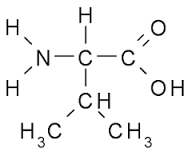
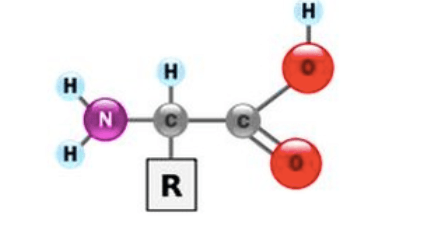
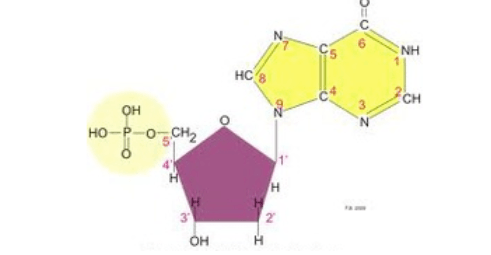
Which biomolecule is this a picture of?
a)
Protein
b)
Nucleic Acid
c)
Lipid
d)
Carbohydrate
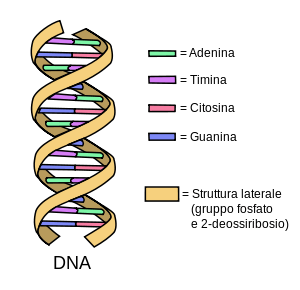
62.
Which biomolecule is this a picture of?
a)
Protein
b)
Nucleic Acid
c)
Lipid
d)
Carbohydrate
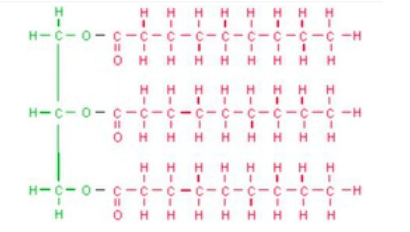
63.
Which biomolecule is this a picture of?
a)
Protein
b)
Nucleic Acid
c)
Lipid
d)
Carbohydrate
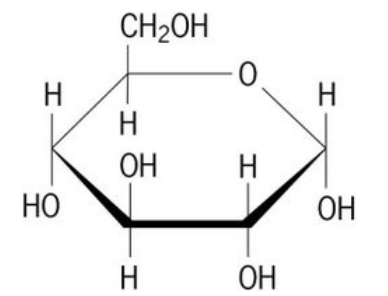
64.
Which biomolecule is this a picture of?
a)
Protein
b)
Nucleic Acid
c)
Lipid
d)
Carbohydrate
65.
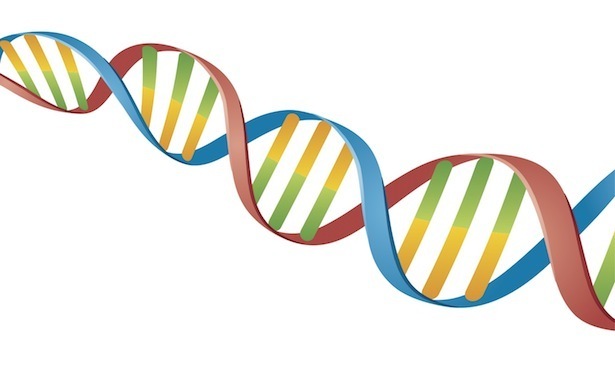
Which biomolecule is made of nucleotides and contain you DNA?
a)
Carbohydrate
b)
Lipids
c)
Protein
d)
Nucleic Acid
66.

Which biomolecule helps form muscles?

a)

Nucleic Acid

b)

Carbohydrate

c)

Protein

d)

Lipids

67.
Which biomolecule is responsible for insulation and energy storage?
a)
Protein
b)
Nucleic Acid
c)
Lipid
d)
Carbohydrate
68.
Which biomolecule has sugars and starches?
a)
Lipids
b)
Proteins
c)
Carbohydrates
d)
Nucleic Acid
69.
What type of molecule is this?
a)
Nucleic acid
b)
Protein
c)
Carbohydrate
d)
Lipid
70.
What elements are common to all 4 biomolecules?
a)
Carbon, hydrogen, nitrogen
b)
Carbon, Nitrogen, Phosphorus
c)
Carbon, Hydrogen, Oxygen
d)
Carbon, Hydrogen, Phosphorus
71.
A monomer is ...
a)
a single atom
b)
a building block for polymers
c)
a single element
d)
is an inorganic molecule
72.
Enzymes are considered to be 
a)
Lipids
b)
Carbohydrate
c)
Protein
d)
Nucleic Acid
73.
What is the purpose  of an enzyme?
a)
give permission for the reaction
b)
raise activation energy
c)
speed up reactions
d)
control how many reactions occur
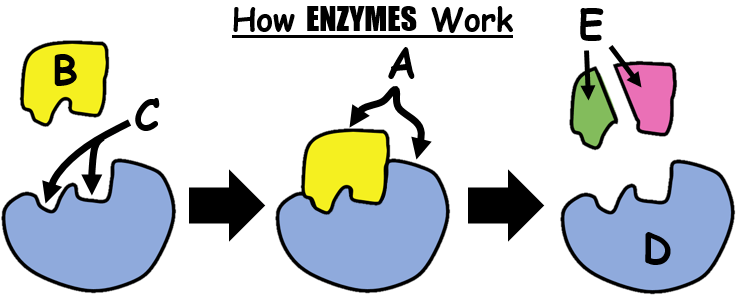
74.
Letter D...
a)
active site
b)
enzyme
c)
substrate
d)
products
75.
This is referred to as the energy currency of the cell
a)
ADP
b)
ATP
c)
Mitochondria
d)
Nucleus
76.
This molecule contains three phosphate groups
a)
ADP
b)
ATP
c)
Mitochondria
d)
Nucleus
77.
This molecule contains two phosphate groups
a)
ADP
b)
ATP
c)
Mitochondria
d)
Nucleus
78.
This process releases chemical energy from sugars and other carbon-based molecules to make ATP when oxygen is present.
a)
photosynthesis
b)
light-independent reaction
c)
cellular respiration
d)
light-dependent reaction
79.
Cellular respiration takes place in the
a)
nucleus
b)
cytoplasm
c)
ribosomes
d)
mitochondria
80.
Glucose is broken down during which process
a)
Krebs cycle
b)
Calvin cycle
c)
Glycolysis
d)
Photosynthesis
81.
This is the first step of cellular respiration
a)
Glycolysis
b)
Lactic Acid Fermentation
c)
Alcoholic Fermentation
d)
Aerobic Respiration
82.
This means that oxygen is needed
a)
anaerobic 
b)
aerobic
83.
This means that oxygen is not needed
a)
anaerobic 
b)
aerobic
84.
The reactants of photosynthesis are
a)
sugar and water.
b)
sugar and oxygen.
c)
carbon dioxide and water.
d)
carbon dioxide and oxygen.
85.
Which statement about photosynthesis is correct?
a)
Plants get the energy they need for photosynthesis from water.
b)
Plants get the energy they need for photosynthesis from soil.
c)
Plants get the energy they need for photosynthesis from sunlight.
d)
Plants do not require energy to perform photosynthesis.
86.
What are the products of photosynthesis?
a)
Carbon dioxide and water
b)
Carbon dioxide and oxygen
c)
Glucose and oxygen
d)
Glucose and water
87.
Which of the following is the correct equation for PHOTOSYNTHESIS?
a)
6CO2 + 6H2O --> 6O+ C6H12O6
b)
6CO+ C6H12O6 + 6H2O --> O
c)
6O2 + 6H2O --> 6CO+ C6H12O6
d)
C6H12O6 + 6O2 ---> 6H2O + 6CO2 
88.
What gas is released by plants during photosynthesis?
a)
sulfur
b)
carbon dioxide
c)
oxygen
d)
hydrogen
89.
What is one of the reactants of cellular respiration?
a)
energy
b)
glucose
c)
carbon dioxide
d)
water
90.
Which of the following structure is where cellular respiration occurs in the cell?
a)
nucleus
b)
cytoplasm
c)
mitochondria
d)
vacuoles
91.
What are the reactants in the equation for cellular respiration?
a)
oxygen and lactic acid
b)
carbon dioxide and water
c)
glucose and oxygen
d)
water and glucose
92.
What is the correct equation for cellular respiration?
a)
6O2 + C6H12O6 -> 6CO2 + 6H2O + Energy
b)
6O2 + C6H12O6 + Energy -> 6CO2 + 6H2O
c)
6CO2 + 6H2O -> 6O2 + C6H12O6 + Energy
d)
6CO2 + 6H2O + Energy -> 6O2 + C6H12O6
93.
What is cellular respiration?
a)
the breakdown of glucose  to release ATP
b)
the breakdown of glucose to release NADH
c)
the breakdown of glucose to release FADH
d)
the breakdown of glucose to release carbon
94.
What is one of the reactants of cellular respiration?
a)
energy
b)
glucose
c)
carbon dioxide
d)
water
95.
______________ produces the most ATP.
a)
photosnthesis
b)
aerobic respiration
c)
anaerobic respiration
d)
glycolysis
96.

Which of the following is not a product of the light dependent reaction?

a)

NADPH

b)

ATP

c)

ADP

d)

O2

97.

What is not a reactant in the light-independent reaction?

a)

CO2

b)

NADPH

c)

ATP

d)

NADP+

98.

At the end of Glycolysis how much ATP is made (not netted)

a)

2

b)

4

c)

3

d)

32

99.

The Kreb's cycle turns _______ into ________, ___________, and _________

a)

ATP, NADH, Pyruvate, FADH2

b)

Pyruvate, NADH, ATP, FADH2

c)

NADH, ADP, FADH2, Pyruvate

d)

Glucose, ATP, NADPH, FADH2

100.
What phase of mitosis is occuring in the picture?
a)
Prophase
b)
Metaphase
c)
Cytokinesis
d)
Telophase
101.
What is the first phase of Mitosis?
a)
Prophase
b)
Metaphase
c)
Anaphase
d)
Telophase
102.
In which phase does the cell spend most of it's life?
a)
Interphase
b)
Nuclear Division
c)
Telophase
d)
Mitosis
103.
Why do we need meiosis?
a)
To double the number of chromosomes going into sex cells
b)
To halve the number of chromosomes going into sex cells
c)
To triple the number of chromosomes going into sex cells
d)
To not change the number of chromosomes going into sex cells
104.
The result of meiosis is:
a)
two diploid cells
b)
two haploid cells
c)
four diploid cells
d)
four haploid cells
105.
The chromosomes that pair up during meiosis, are called __________ chromosomes.  
a)
homozygous 
b)
asexual
c)
homologous
d)
genes
106.
A human zygote should have _____ chromosomes inside.
a)
46
b)
23
c)
92
d)
64
107.
This picture shows which process? 
a)
mitosis
b)
meiosis
c)
the cell cycle
108.
During what stage does the G1, S and G2 phases happen?
a)
Interphase
b)
M phase
c)
Mitosis
d)
Cytokinesis
109.
During what phase of the cell cycle is DNA replicated?
a)
G1 phase
b)
S phase
c)
G2 phase
d)
M phase
110.
Why would it be important to replicate DNA before a cell divides in mitosis or meiosis?
a)
In order for genetic information to be transferred into daughter cells.
b)
In order for the cell to be able to increase in size.
c)
In order for the DNA to be contained in the nucleus.
d)
In order for the cell to re-order the DNA sequencing in the new cells.
111.

In the following structure, the circled item is a

a)

chromosome

b)

chromatid

c)

centromere

d)

chromatin

112.
Put the following stages of mitosis in order: anaphase, prophase, metaphase, and telophase. 
a)
prophase, metaphase, telophase, anaphase
b)
prophase, anaphase, metaphase, telophase
c)
prophase, metaphase, anaphase, telophase
d)
prophase, telophase, metaphase, anaphase
113.

specialized process during which the number of chromosomes is reduced by half, this is a type of cell division

a)

Mitosis

b)

Meiosis

c)

Pedigree

114.
Structure (b) is a ____.
a)
chromosome
b)
chromatid
c)
centromere
115.
What phase of mitosis is pictured?
a)
Metaphase
b)
Telophase
c)
Prophase
d)
Anaphase
116.
In which type of cells will mitosis occur?
a)
egg cells
b)
sperm cells
c)
jail cells
d)
Body cells except the sperm and egg cells
117.
How many daughter cells are produced from meiosis ?
a)
10
b)
6
c)
4
d)
2
118.
Humans have how may chromosomes ?
a)
112
b)
46
c)
8
d)
67
119.
In Meiosis if the parent cells has 40 chromosomes, then how many will the daughter cells have 
a)
40
b)
10
c)
20
d)
18