Worksheets
Post-Test: Environmental Science Summer School
Total questions: 135
Worksheet time: 5hrs 35mins


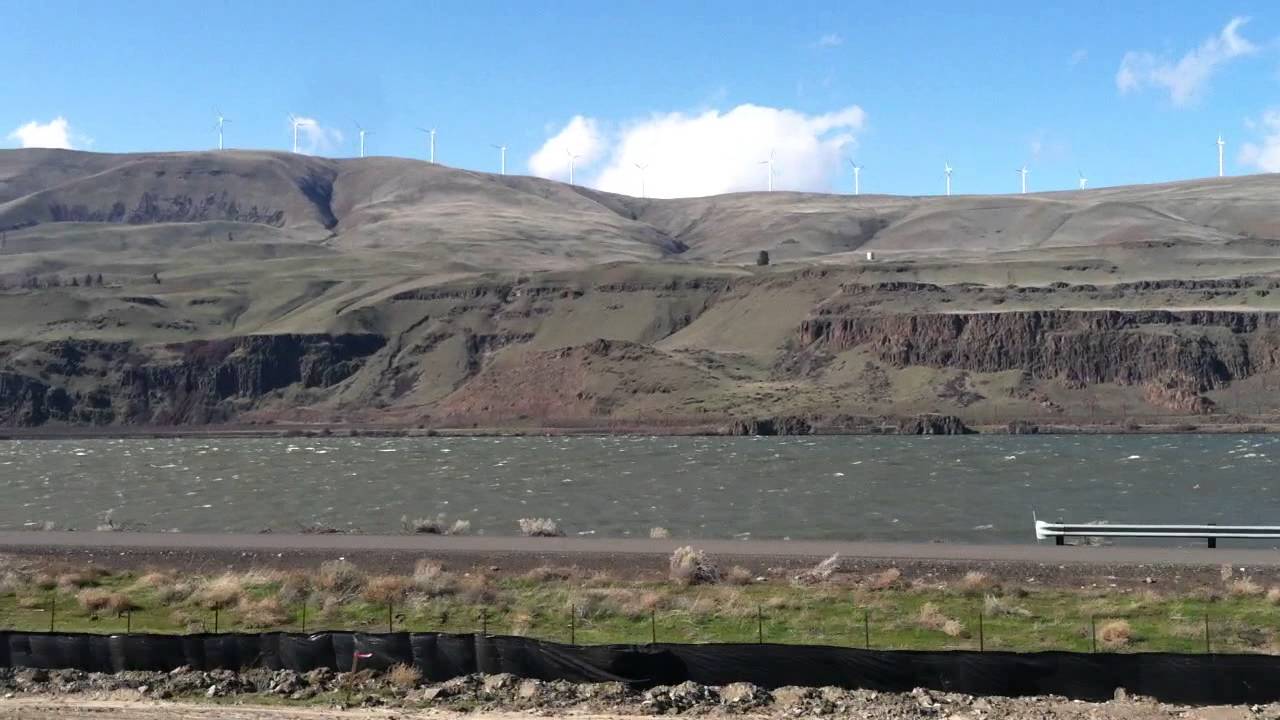
A natural resource that is naturally formed much more slowly than we use it is called
renewable
nonrenewable
sustainable
ecological
Which of the following is an example of a nonrenewable natural resource?
wind energy
natural gas
geothermal energy
sunlight
What is the term for organisms, including plants and algae, that create their own food?
consumers
producers
legumes
decomposers
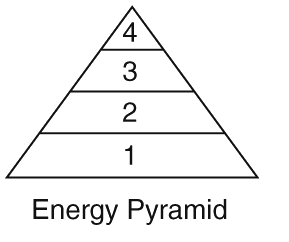
Level 1 on the pyramid
Producers
Primary Consumer
Secondary Consumer
Tertiary Consumer


Which animal was an extremely valuable resource for all Native American tribes?
Deer
Buffalo
Rabbit
Dogs
What is the name of the first national park established in the United States?
Yosemite
Zion
Yellowstone
Glacier
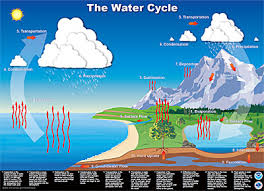
Which of the following best describes primary succession?
Volcano wipes out ecosystem that gradually grows back from ash covered soil
Volcano creates a new island of rock that must break down to form an ecosystem
Forest fire burns down forest that must bounce back over time
Tornado destroys a crop that must slowly grow back over time.
The need for more cropland has led to the ______________________ of large wooded areas.
Deforestation
Conservation
Rotation farming
Tilling
Finite
Without limits
Having limits
What resource is finite?
Wind
Solar energy
Coal
Infrared radiation is associated with
microwaves
ultraviolet
X-rays
heat
Which molecules interact with infrared radiation, warming Earth? Select all that apply.
N
O
CO2
CH4
Which molecules to not interact with infrared radiation? Select all that apply.
N
O
CO2
CH4
Sea surface temperatures have been
Increasing
Decreasing
Staying the same
Which pollutant is NOT typically found in the air surrounding CAFOs?
Ammonia
Hydrogen Sulfide
Cinnamon
Methane

What is this a picture of?
Something disgusting
Pea soup?
Harmful algal bloom (HAB)
What nutrients are responsible for eutrophication in water? Select all that apply.
Carbon
Nitrogen
Oxygen
Phosphorous
Most energy in the United States comes from...
Renewable sources
Nonrenewable sources
35% of electricity production in the US is from...
Natural gas
Coal
Hydropower
Solar
This electricity source has very few CO2 emissions.
Natural gas
Coal
Petroleum
Nuclear
Excess nitrogen and phosphorous in waterways can cause
Eutrophication
CAFOs
Asthma
I know we've talked about this...
What does WONC stand for?
What's On the Nature Channel?
Water Oxygen Nitrogen Carbon
Water On New Compost
I've never heard of this.
The dog's name in The Biggest Little Farm was...
Molly
Greasy
Emma
Todd
1.1 An individual living thing is a/an __________.
habitat
ecosystem
organism
population
1.1 All of the living and nonliving things in an area that interact with each other are called a/an ______.
community
habitat
population
ecosystem

1.1 In the mountain river ecosystem pictured above, what would be an abiotic factor?
trees
swans
grasses
water
1.2-1.3 Which biome, because of its climate, has the largest number of species of plants and animals?
tundra
desert
tropical rainforest
pine forest
1.10 Invasive species have a negative impact on...
the ecosystem
the economy
Both the ecosystem and the economy
None of these
2.1-2.2 Process in which individuals that have favorable variations and are better adapted to their environment, survive and reproduce more successfully than those less well adapted (survival of the fittest)
Evolution
Natural Selection
Artificial Selection
Resistance
2.3 Globally, the leading cause of biodiversity loss is
invasive species
poaching and overharvesting
pollution
habitat change and loss
2.4-2.5 Succession that occurs in an area with NO SOIL
ecological succession
primary succession
secondary succession
pioneer speciles
2.4-2.5 The first organisms that appear in an ecological community
ecological succession
primary succession
secondary succession
pioneer speciles

2.6-2.8 Biotic or abiotic things that control the size of a population
Limiting factor
density- dependent factor
density- independent factot
tolerance
3.3-3.4 An organism that uses an outside source of energy like the sun to create energy-rich food molecules.
Consumer
Producer
Decomposer
Parasite
3.3-3.4 An organism that obtains energy by eating other organisms.
Consumer
Producer
Decomposer
Detriov
3.3-3.4 The efficiency of energy transfer from a lower trophic level to the next highest level is roughly
1%
10%
100%
1000%
3.3-3.4 What is the original source of almost all energy in most ecosystems?
carbohydrates
sunlight
water
carbon
3.3-3.4 What is the term for each step in the transfer of energy and matter within a biological community?
energy path
food web
trophic level
food pyramid
4.3 Pollutants are removed or changed chemically before they leave factory smokestacks by a(n)
chlorofluorocarbon
scrubber
inversion
catalytic converter
5.2 Which type of mining is associated with disturbing more land?
Surface mining
Subsurface mining
Ocean mining
Placer mining

5.5 Another word for farming
agriculture
technology
specialization
shrine
5.5-5.8 The need for more cropland has led to the ______________________ of large wooded areas.
Deforestation
Conservation
Rotation farming
Tilling
5.6-5.8 How can the planting of new trees help reduce climate change?
Trees help create breezes.
Trees release moisture that cools the atmosphere.
Trees take in carbon dioxide from the atmosphere during photosynthesis.
Trees block the release of greenhouse gases from soil.
6.2 Fresh water makes up what percent of the Earth's water?
5%
10%
4%
3%
6.3 An underground layer of rock or sediment that holds water
watershed
groundwater
permeability
aquifer
6.3 The largest watershed in the United States is
Mississippi River
Delaware River
Colorado River
Cooper River
6.4 What nutrients are responsible for eutrophication in water? Select all that apply.
Carbon
Nitrogen
Oxygen
Phosphorous
6.4 __________________ pollution is harder to control, because it can't be traced back to a single source
point-source
nonpoint-source
6.5 It refers to the removal of salt from ocean water
dam
reservoir
salination
desalination
7.1 Which of the following is an example of a nonrenewable natural resource?
wind energy
sunlight
natural gas
geothermal energy
7.1 Carbon-containing fuels, or fossil fuels, formed millions of years ago from the remains of
gases in the atmosphere
chlorofluorocarbons
living organisms
volcanic eruptions
7.1-7.2 Energy can be classified into..
Renewable and non renewable
Natural and non renewable
Renewable and Natural
All of them
7.2 A home is built with clear glass panels that allow sunlight to pass through. This is an example of
Active solar
Passive solar
Parabolic collector
Photovoltaic Cells
7.3-7.4 Which human activity contributes the most carbon dioxide to the atmosphere?
fishing
breathing
burning fossil fuels
farming
7.4 The collection of materials that can be broken down and reprocessed to make new items is
composting
incinerating
e-waste
recycling
8.2 During which period in human history were most of our modern environmental problems introduced?
Hunter-gatherer
Agricultural
Industrial Revolution
Biotechnology Era
8.4-8.5 Genetic engineering relies on placing a gene that codes for a desired trait into the __________ of a different organism from the organism where the gene was originally harvested
protein
amino acid
helix
genome
8.6-8.8 Sprawl increases carbon dioxide emissions by
generating more factories.
increasing the need to drive.
resulting in more tree growth.
expanding the use of public transportation.
8.6-8.8 What term describes a social movement dedicated to protecting the natural world from undesirable changes brought about by human actions?
the environment
environmentalism
ecological footprint
environmental science
9.1-9.3 Gases such as water vapor and carbon dioxide that trap heat near Earth are known as
global gases.
greenhouse gases.
proxy gases.
offset gases.
9.1-9.3 What is the definition of "Greenhouse Effect?"
Gases that increase Earth's temperature
when the gases in Earth’s atmosphere trap heat from the Sun and keep the planet warm
the pattern of weather that occurs over time
When our climate changes
9.1-9.3 Increase in which gas is primarily responsible for increased global warming?
Carbon dioxide
Water vapor
Methane
Nitric oxides
9.2 What happens to the temperature if more greenhouse gases are released into the atmosphere?
Temperature goes up
Temperature goes down
1.1 An individual living thing is a/an __________.
habitat
ecosystem
organism
population
1.1 All of the living and nonliving things in an area that interact with each other are called a/an ______.
community
habitat
population
ecosystem
1.1 In the mountain river ecosystem pictured above, what would be an abiotic factor?
trees
swans
grasses
water
1.2-1.3 Which biome, because of its climate, has the largest number of species of plants and animals?
tundra
desert
tropical rainforest
pine forest
1.10 Invasive species have a negative impact on...
the ecosystem
the economy
Both the ecosystem and the economy
None of these
2.1-2.2 Process in which individuals that have favorable variations and are better adapted to their environment, survive and reproduce more successfully than those less well adapted (survival of the fittest)
Evolution
Natural Selection
Artificial Selection
Resistance
2.3 Globally, the leading cause of biodiversity loss is
invasive species
poaching and overharvesting
pollution
habitat change and loss
2.4-2.5 Succession that occurs in an area with NO SOIL
ecological succession
primary succession
secondary succession
pioneer speciles
2.6-2.8 Biotic or abiotic things that control the size of a population
Limiting factor
density- dependent factor
density- independent factot
tolerance
3.3-3.4 An organism that uses an outside source of energy like the sun to create energy-rich food molecules.
Consumer
Producer
Decomposer
Parasite
3.3-3.4 An organism that obtains energy by eating other organisms.
Consumer
Producer
Decomposer
Detriov
3.3-3.4 The efficiency of energy transfer from a lower trophic level to the next highest level is roughly
1%
10%
100%
1000%
3.3-3.4 What is the original source of almost all energy in most ecosystems?
carbohydrates
sunlight
water
carbon
3.3-3.4 What is the term for each step in the transfer of energy and matter within a biological community?
energy path
food web
trophic level
food pyramid
5.6-5.8 How can the planting of new trees help reduce climate change?
Trees help create breezes.
Trees release moisture that cools the atmosphere.
Trees take in carbon dioxide from the atmosphere during photosynthesis.
Trees block the release of greenhouse gases from soil.
6.4 What nutrients are responsible for eutrophication in water? Select all that apply.
Carbon
Nitrogen
Oxygen
Phosphorous
7.1 Which of the following is an example of a nonrenewable natural resource?
wind energy
sunlight
natural gas
geothermal energy
7.1 Carbon-containing fuels, or fossil fuels, formed millions of years ago from the remains of
gases in the atmosphere
chlorofluorocarbons
living organisms
volcanic eruptions
7.1-7.2 Energy can be classified into..
Renewable and non renewable
Natural and non renewable
Renewable and Natural
All of them

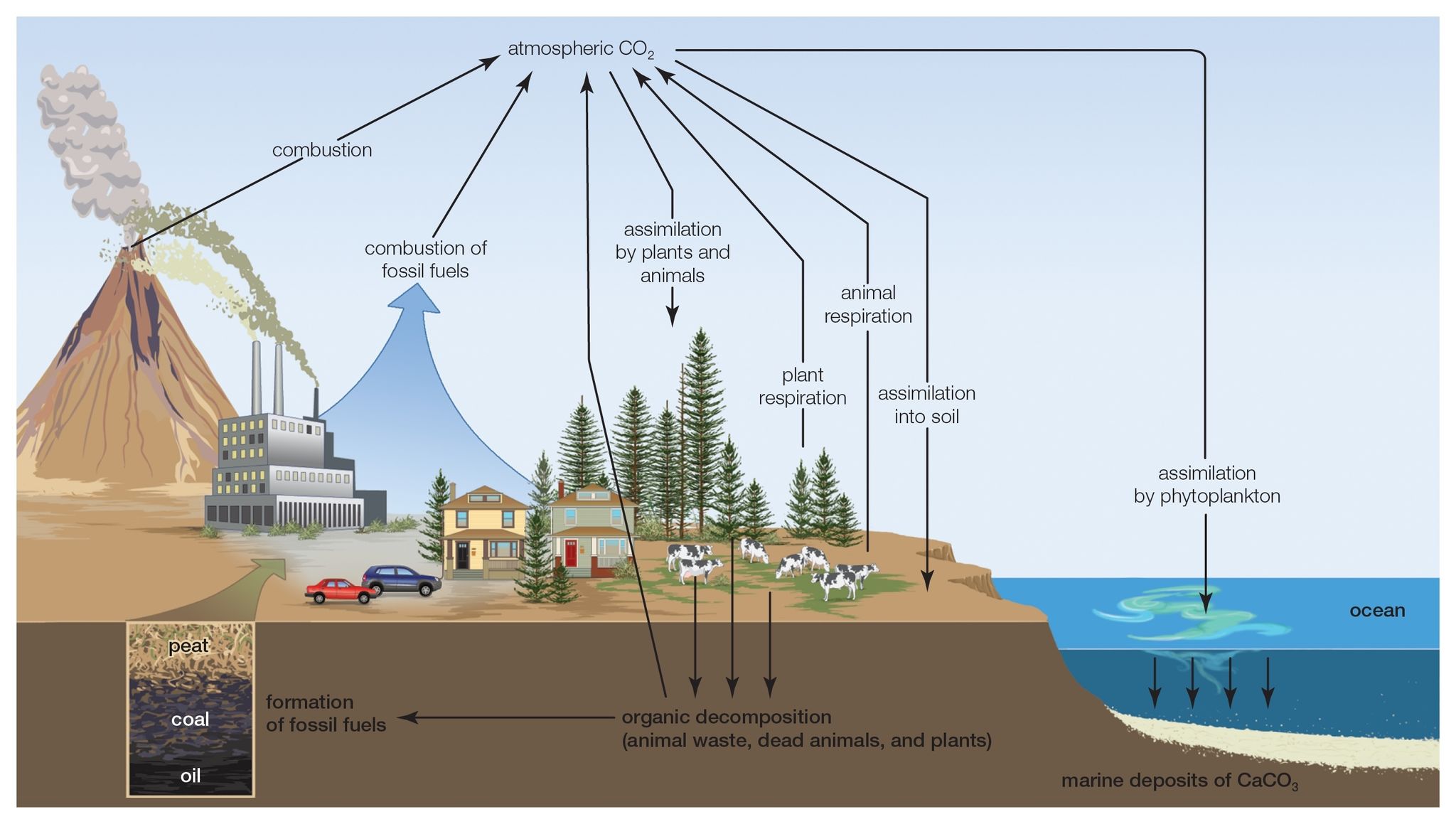
Which of the following absorb carbon dioxide from the atmosphere?
Plants
The ocean
Sedimentary rocks
all of these

Which one of these does not add CO2 to the atmosphere?
cooking with gas
planting trees
burning wood
riding in a bus
A _______________ is any process or activity through which an element is released into the atmosphere.
Sink
Source
Bucket
Location
A ____________ is a reservoir that takes up a chemical element and stores it for a long period of time.
Sink
Source
Bucket
Location
What is a greenhouse gas?
A gas that helps plants grow
Any gas in the atmosphere
A gas that absorbs solar radiation allowing the Earth to stay at a livable temperature
A gas that can only be harmful and poisonous
How is the ocean involved in the carbon cycle?
Aquatic plants absorb CO2 to perform photosynthesis
The surface of the ocean absorbs and dissolves CO2
Certain aquatic plants take in carbon to make their shells
The ocean releases carbon that was stored in the remains of dead organisms
All of the options are correct
What types of organisms need carbon to survive?
Insects
Plants
Mamals
All types of organisms
How does a cow transfer carbon to other parts of the environment?
It releases CO2 through respiration
It releases carbon as waste
it transfers carbon to humans when we eat it
all of the answers are correct
Energy flows through an ecosystem and is transferred as ____________, but chemical elements are ____________.
light, heat
heat, lost
light, gained
heat, recycled
Which of the following is NOT a SOLID form of carbon in the carbon cycle?
Diamond
Plants
Coal
Carbon Dioxide
Choose the correct process described: Acid rain dissolves minerals trapped in rocks and washes them to surface waters
Burial and subduction
Weathering and erosion
Diffusion
Respiration
Choose the correct process described: A chemical combination of a carbon based fuel with oxygen that produces heat or light and releases CO2
Photosynthesis
Burial and subduction
Respiration
Combustion
Choose the correct process described: Plants and animals break down sugars and metabolize them into CO2 , water and ATP for energy
Respiration
Photosynthesis
Combustion
Volcanic eruptions
Which gas makes up 78% of our atmosphere?
Oxygen
CO2
Nitrogen
Water vapor
Which nitrogen cycle process breaks down atmospheric nitrogen (N2) and combines it with hydrogen or oxygen using bacteria or lightning strikes
Nitrogen fixation
Ammonification
Nitrification
Dentrification
After living organisms use nitrogen, decomposer bacteria convert it back to ammonia for plants to use through this process
Nitrogen fixation
Ammonification
Nitrification
Dentrification
This process converts ammonia into nitrites and nitrates for plants to use
Nitrogen fixation
Ammonification
Nitrification
Dentrification
Nitrogen compounds are converted back into atmospheric N2 by bacteria and burning of fossil fuels through this process
Nitrogen fixation
Ammonification
Nitrification
Dentrification