
 Worksheets
Cellular Respiration/Photosyntheis
Total questions: 138
Worksheet time: 2hrs 31mins

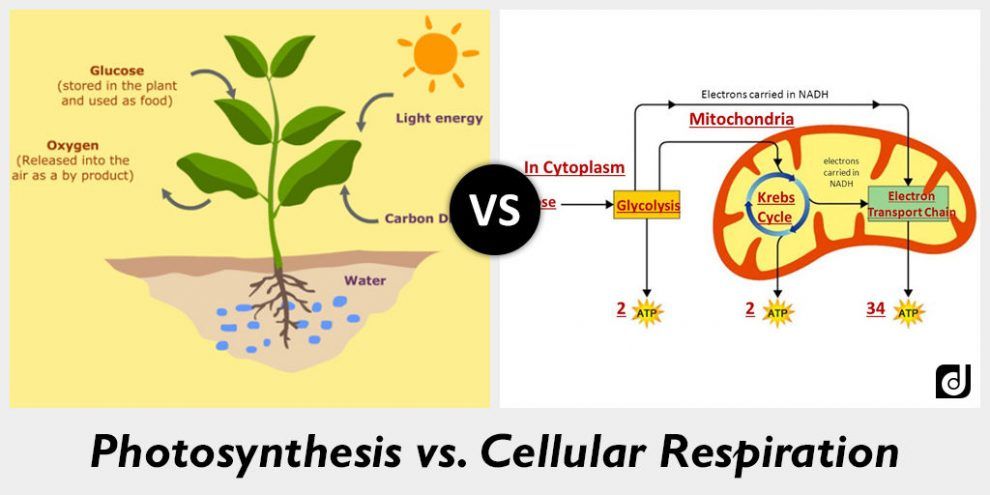
Which of the following structure is where cellular respiration (Kreb's Cycle and Electron Transport Chain) occurs in the cell?
nucleus
cytoplasm
mitochondria
vacuoles

What is the name of the energy produced during cellular respiration?
ATP
NADH
FADH2
glucose

Where does Glycolysis occur inside the cell? (first step in the overall process)
Cytoplasm
Mitochondria
Chloroplast
Nucleus

What are the products (what is released) of cellular respiration? (Mark all of them!)
oxygen
glucose
carbon dioxide
water
ATP (energy)

Which stage of the cellular respiration process produces the most ATP?
Glycolysis
Acetyl CoA
Kreb's Cycle
Electron Transport Chain
6CO2 + 6H2O + Sunlight --> C6H12O6 + 6O2
is the equation for which of the following processes?
Which unit is used to indicate the amount of energy in food?
ounce
degree
calorie
gram


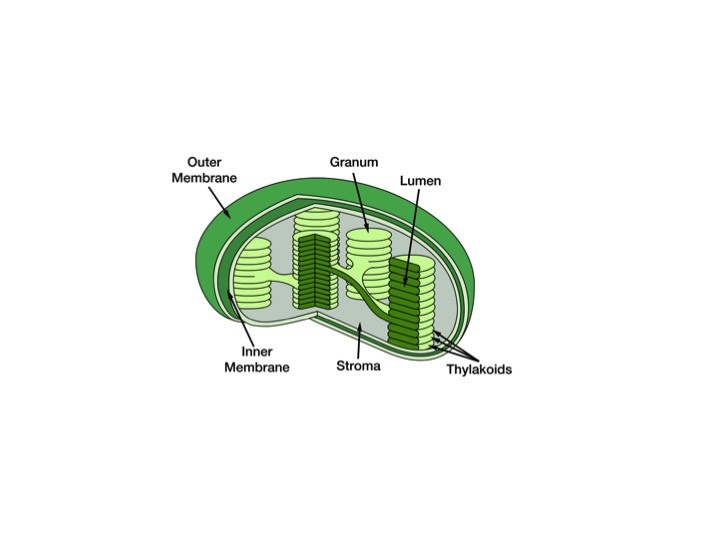
Chloroplasts are...
Structures of animal cells to produce ATP
Organelles where lipids are elaborated
Specialized structures of plants where glucose is made
Waste organelle of plants
Energy in food is measured in ____
Calories per gram
Grams per Calorie
Celsius
Temperature
True or False. All forms of life use ATP Energy for cellular functions.
True
False
Plants (Select all that apply)
Perform photosynthesis
Perform cellular respiration
Lactic Acid Fermentation
Ethanol Fermentation

Free energy is released from ATP when
a phosphate group is added
adenine bonds to ribose
ATP is exposed to sunlight
a phosphate group is removed


Fermentation makes ATP entirely from glycolysis. Since it takes place in the cytoplasm of the cell, the mitochondria are _____________.
inactivated
also involved
not involved
By burning enough glucose, fermentation can regenerate enough ATP for _______ bursts of energy.
prolonged
short
What macromolecule describes glucose?
lipid
protein
nucleic acid
carbohydrate
If there is an increase of oxygen in your body what will happen to cellular respiration?
It will increase
It will decrease

What process does this graph represent?
Fermentation
Photosynthesis
Anaerobic Respiration
Aerobic Respiration

Which answer best explains why letter 'A' uses the most oxygen? (two answers are correct, select both)
Plants need it for photosynthesis
A person is walking
A person is running for their life from 'IT'.
A person is about to be tardy to class and is running to make it on time for the donut party in TA

(C6 H12 O6) is the chemical formula for which important molecule?
Glucose
Amylase
Sucrose
Maltose

Which step utilizing electrons to accept phosphates make the most ATP? (36-38ATP)
Glycolysis
Kreb's Cycle
Electron Transport Chain
Photosynthesis
Oxidation is....
Gain of electrons
Loss of electrons
Both the loss and gain of electrons
None of these
Reduction is....
Gain of electrons
Loss of electrons
Both the loss and gain of electrons
None of these
In a reaction, copper is reduced; its number of electrons has:
Increased
Decreased
Remained Constant
Varies Randomly

The following is the half equation of a reaction
What is meant by reduction reaction based on the equation?
Electrons are received by chlorine
Electrons are donated by chlorine
Electrons are received by chloride ions
Electrons are donated by chloride ions
In the electron transport chain, Oxygen acts as...
a carrier of electrons, passing electrons down the chain
a reducing agent
the final electron acceptor
a coenzyme
When protons are pumped outside the matrix, across the inner membrane...
water is made
a concentration gradient of H+ ions (protons) is created
NADH gets reduced
CO2 is produced
The electrons that are transferred through the electron transport chain initially belonged to
NADH
FADH2
ATP
Oxygen
NADH and FADH2
The movement of protons (H+ ions) through ATP synthase occurs from the...
matrix to the intermembrane space
matrix to cytoplasm
intermembrane space to the matrix
intermembrane space to the cytoplasm
cytoplasm to the intermembrane space
True or False: Water is produced as a byproduct during this stage of cell respiration.
True
False
The process that enables ATP synthase to function is...
endocytosis
active transport
pinocytosis
osmosis
diffusion
Hydrogen ions are pumped from the __________ to the ___________.
matrix; intermembrane space
intermembrane space; matrix
matrix; cytoplasm
intermembrane; cytoplasm
How many ATP produced for each NADH that enter the electron transport chain from Kreb's cycle?
1
2
3
4
The effect of increased levels of hydrogen ions in the intermembrane space of the mitochondria is
Increase ATP production
Decreased levels of oxidative phosphorylation
Increased levels of water in intermembrane space
Decreased levels of chemiosmosis
As electrons travel down the electron transport chain, they release
ADP
Energy
ATP
Hydrogen ion
ATP synthesis by ATP synthase is driven by
H+ movement
electron movement
NADH movement
FADH2 movement
If the ETC was blocked by cyanide what would happen?
the mitochondrion would over heat
excessive NAD+ would build up in the cells and blood
oxygen levels would decrease
NADH and FADH2 would be in high levels
What does FADH2 and NADH bring to the electron transport chain?
Oxygen
Water
Electron
ATP
In the absence of oxygen, ____ follows glycolysis.
the link reaction
the citric acid cycle
fermentation
the calvin cycle
Which of the following processes creates the most ATP during aerobic cellular respiration?
glycolysis
fermentation
electron transport chain
Citric acid cycle

Which of the following is not true?
Cellular respiration...
happens only in animals.
results in 36-38 ATP.
converts food to energy.
consists of glycolysis, citric acid cycle, oxidative phosphorylation.

Please indicate the correct equation(s) for Cellular Respiration. (More than 1)
Glucose + Oxygen --> Carbon Dioxide + Water + Energy
C6H12O6 + O2 --> CO2 + H2O + ATP
Carbon Dioxide + Water + Energy --> Glucose + Oxygen
C6H12O6 + 6 O2 --> 6 CO2 + 6 H2O + ATP

How many C atoms does acetyl CoA contain?
1
2
3
4
The products of the link reaction are
pyruvate and carbon dioxide
carbon dioxide and co-enzyme A
carbon dioxide, acetyl coA and NADH
NADH and carbon dioxide
The purpose of the Kreb's Cycle is to:
Convert Acetyl CoA into CO2 while creating a small amount of ATP and electrons in the form of NADH and FADH2
Convert glucose to pyruvate while creating a small amount of ATP & electrons
Receive electrons and create large amounts of ATP through oxidative phosphorylation.
Reduce Pyruvate to Acetyl CoA and produce some electrons.

Structure E is _____.
FAD
ATP
NAD+
CO2
Structure A is _____.
CoA
ATP
NAD+
CO2
Structure B is _____.
CoA
ATP
NAD+
CO2
Structure C is _____.
NADH
ATP
NAD+
CO2
Structure G is _____.
NADH
FADH
NAD+
FAD
How many ATP molecules are synthesized from 4 ADP molecules?
2
4
6
1
Glycolysis requires oxygen
True
False
After the NAD+ receives electrons, what does it change to?
ATP
NADH
ADP
How many ATP molecules are required to start glycolysis?
Four
Three
Two
One
Finish the phrase: “As the bonds in glucose are _______ and rearranged, energy is __________.”
broken, released
built, trapped
broken, trapped
built, released
Which of these is a reactant of glycolysis?
pyruvic acid
oxygen
glucose
Glycolysis DOES NOT need ATP to occur.
True
False
Glycolysis has the potential to produce lots of energy very quickly.
True
False

