
 Worksheets
End of Year Science
Total questions: 98
Worksheet time: 8hrs 10mins
How long does it take for the Earth to make a complete revolution on its orbit?
one day
one month
one week
one year
Which of these is strongly responsible for the changes of the season on Earth?
position of the moon
tilt of Earth on its axis while revolving around the sun
temperature of the sun
distance to Mars
Which of the following is true?
The sun revolves around the Earth while Earth is rotating.
Earth rotates on its axis as it revolves around the sun.
Earth revolves once a month as it revolves around the sun.
Earth completes one rotation in 365 days.

The spin of the Earth is what gives us __________.
day and night
sun

When part of the Earth faces the sun, it is __________.
night time
day time
When part of the Earth faces AWAY from the sun, it is __________.
night time
day time

What happens when the area in which you live tilts (leans) AWAY from the sun?

True or False: Stars are always in the sky even though you can't see them during the day.
True
False
Which best describes why some constellations are visible in the Northern Hemisphere, but not in the Southern Hemisphere?
because Earth revolves around the Sun
because atmospheres are different
because the Sun's brightness makes them hard to see
because Earth's magnetic field keeps them fixed
The Sun, Moon, and stars all appear to move across the sky because ___.
Earth rotates around an axis
the Sun, Moon, and stars travel around Earth once each day
Earth revolves around the Sun
it takes 365 days for the Sun to make one trip around Earth
A shadow can give you the following information (choose 3):
the day of the week
the position of the sun
where east and west are
the time of day
In the morning your shadow points
to the east
to the north
to the west
to the south
In the afternoon your shadow points
to the north
to the south
to the east
to the west
What happens to shadows throughout they day?
The length of shadows decreases throughout the day.
The length of shadows decreases and then increases throughout the day.
The length of shadows increases throughout the day.
The length of shadows does not change throughout the day.
What time of day will the sun be directly overhead?
9:00am
12:00pm
9:00pm
12:00am
What are shadows like during a sunrise?
Shadows are long and point west
Shadows are short and point west
Shadows are short and point directly south.

Which position of the sun could cause the shadow?
Position 1
Position 2
Position 3
Position 4

Where will the tree's shadow be?
A
B
C
What is it called when water changes from a liquid to a water vapor?
EVAPORATION
PRECIPITATION
TRANSPIRATION
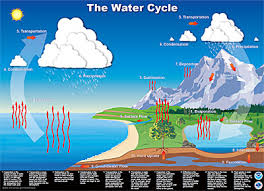


Water in its gas form is called ____________________,
water vapor
precipitation
ice
air

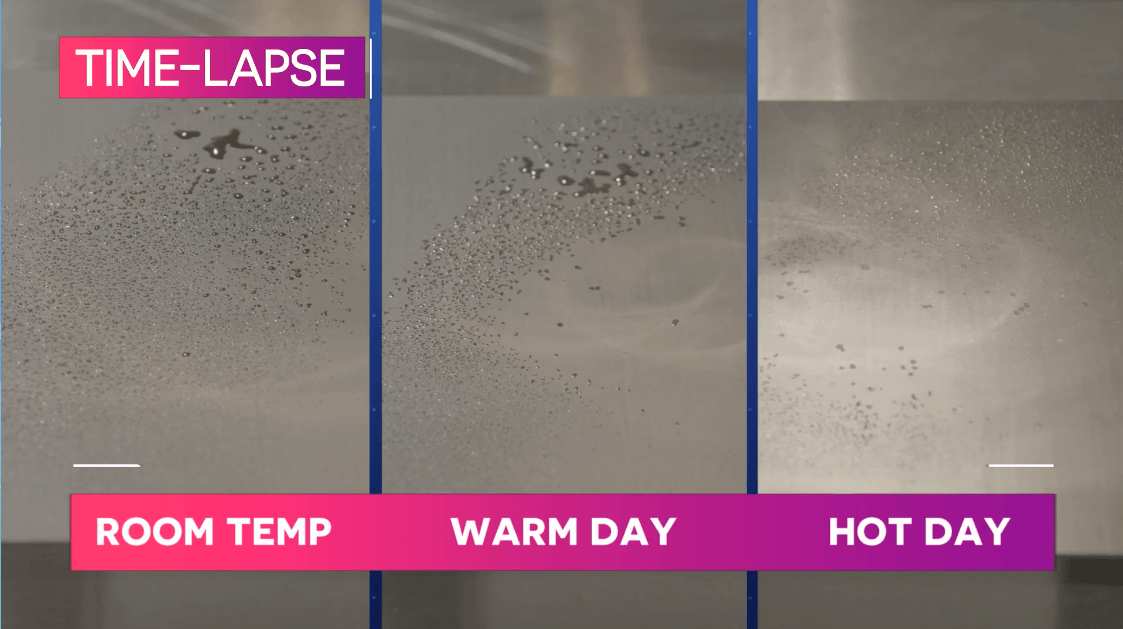

What is Label C?
Sublimation
Evaporation
Infiltration
Condensation

Label A
condensation
precipitation
evaporation

What is the correct label for letter C?
Water Vapor
Rain & Snow
Surface Runoff
Transpiration

Which number is representing infiltration?
2
4
6
8
Which meaning goes with the Latin prefix Atmo-
Living things
Air
Land
Water
Which meaning goes with the Latin prefix Bio-
Living Things
Air
Land
Water
Which meaning goes with the Latin prefix Hydro-
Living Things
Air
Land
Water
Which meaning goes with the Latin prefix Geo-
Living Things
Air
Land
Water

Which sphere is "A"
Atmosphere
Geosphere
Biosphere
Hydrosphere

Which sphere is "B"
Atmosphere
Geosphere
Biosphere
Hydrosphere
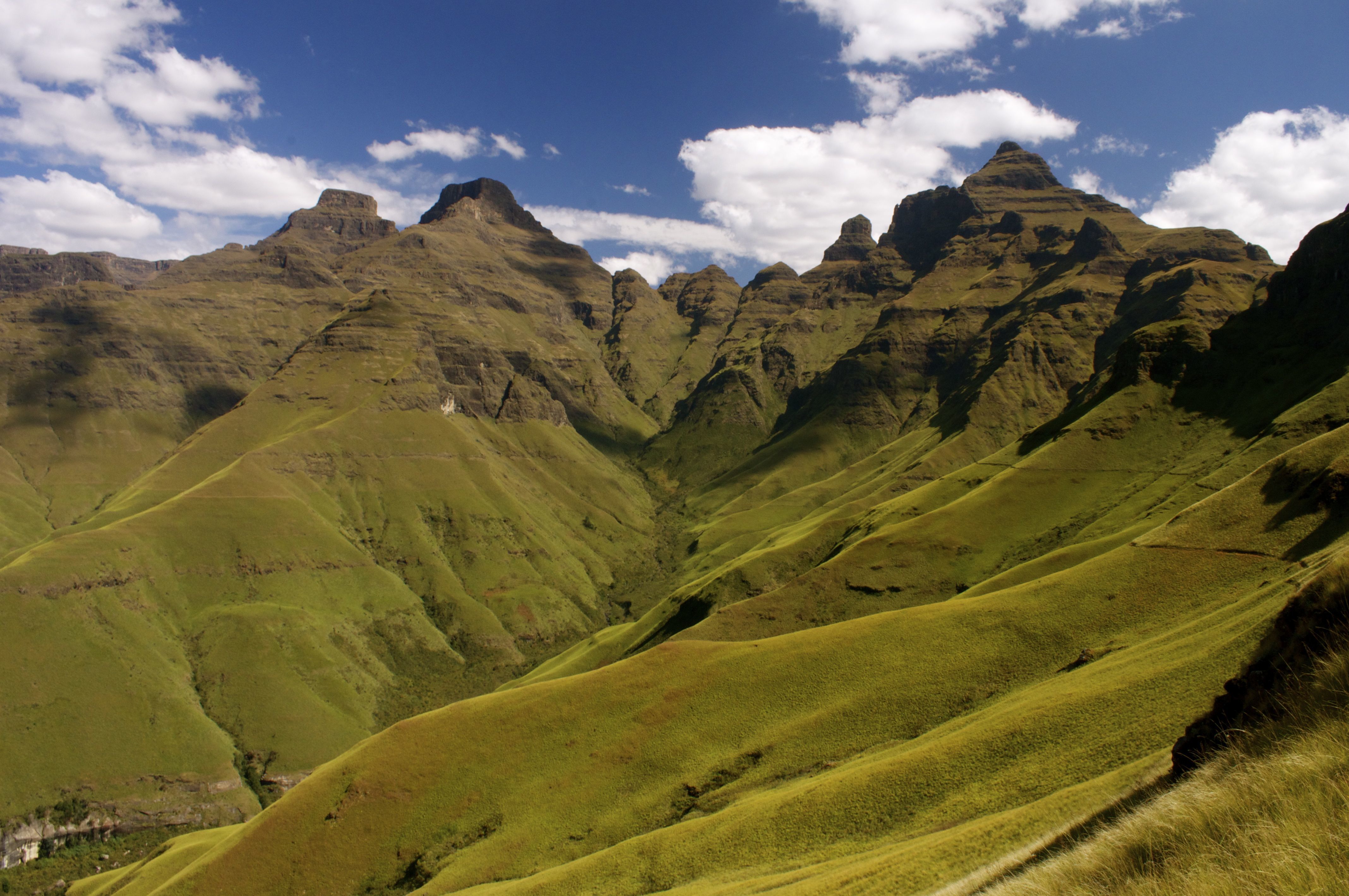
Most of the earth's FRESH water is contained where?
Lakes
Rivers
Glaciers
Oceans


Imagine humans, part of the biosphere, have built this dam. The water in the lake behind the dam seeps in the ground. Some of the water flows over the dam and is converted into energy. Some water evaporates into the air. What spheres does the water, or hydrosphere, interact with in this example?
geosphere and atmosphere
atmosphere and biosphere
cryosphere and atmosphere
aesthenosphere and cryosphere

Plants (__________) draw water (___________) and nutrients from the soil (___________) and release water vapor into the atmosphere.
biosphere; hydrosphere; geosphere
hydrosphere; biosphere; geosphere
biosphere; atmosphere; hydrosphere
cryosphere; biosphere; hydrosphere
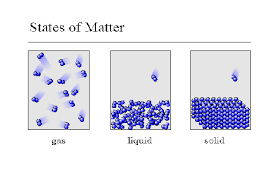
Particles move faster and speed up when:
Matter is heated
Matter is cooled
Particles cannot spread out and speed up
Particles slow down and move closer together when:
Matter is heated
Matter is cooled
Particles cannot slow down and move closer
This state of matter takes the shape of its container
Solid
Liquid
Gas
Which of these is true of ALL matter?
Matter takes up space
Matter has mass
Both of these
Neither of these
Cookies expand and get bigger in the oven because particles of matter:
Move closer together
Move farther apart
Cookies do not get bigger in the oven
In order to a solid to change into a liquid, matter must be
Heated
Cooled
When mixing 5 grams of salt with 10 grams of water, the total mass of the ingredients after mixing will:
Increase (go up)
Decrease (go down)
Stay the same
What describes how much matter is in an object?
volume
density
mass
weight
Which of the following best describes the particles of a solid?
The particles are far apart and moving slowly.
The particles are closely packed and vibrate in place.
The particles are far apart and moving fast.
The amount of space something takes up
Relative Density
Matter
Volume
Mass
When a substances changes from a solid to a gas, this is known as:
Deposition
Sublimation
Evaporation
Condensation
Liquid to Gas
Condensation
Evaporation
Sublimation
The ability of a substance to dissolve is referred to as...
density
solubility
malleability
electrical conductivity
A characteristic that can be observed or measured such as color, state, or hardness is referred to as a...
Physical property
Chemical property
Physical change
Chemical change
Which characteristic of a substance is considered a chemical property?
its boiling point
its reactivity
its density
its conductivity
a characteristic of matter you observe as it reacts or changes into a different substance
physical property
chemical property
periodic table
conglomerate
the ability of a type of matter to burn easily
flammability
rust
solubility
conductivity
Which set of properties, intensive or extensive, are based on the size of a sample?
intensive
extensive
What kind of physical property is this? Color
intensive
extensive
This is a type of mixture where one substance dissolves into another
Solution
Miscibility
Compound
Solubility
The substance that does the dissolving
Solute
Solvent
Solution
Miscibility
The substance getting dissolved
Solvent
Solute
Solution
Mixture
What are mixtures?
different materials placed together but keeping their own properties
a mixture in which substances spread out evenly and will not settle
the substance in a solution that has the greatest amount
the substance in a solution that has the least amount
What is the best method of separation for removing sand from water?
Sifting
Sorting
Evaporation
Magnetic attraction
Filtration
magnet
paper filter
strainer
evaporation

Muddy water is filtered using filter paper and filter funnel. The mud stays on the filter paper.
Why does the mud stay on the filter paper?
The mud reacts with the filter paper.
The particles of mud are too large to pass through the holes in the filter paper.
The particles of the water stop the mud going through.
The particles of water make the filter paper wet.
If you wanted to make pure drinking water from sea water, what process would you use?
Filtration
Distillation
Evaporation

Which of the following is a method of separating solutions?
hand seperation
filtering
screening
evaporation
A method of separation in which a machine spins at high speeds to separate substance by their densities.
Distillation
Centrifugation
Chromatography
Magnetism
The method of separating mixtures that where a liquid or gas passes through the particles. The particle separate in layers based on their speed of travel.
Chromatography
Centrifugation
Filtration
Distillation

What does the number 22 represent?
atomic number
chemical symbol
element name
atomic mass
All substances are made of ________.
proteins
compounds
elements
water
Which describes how elements are arranged in the periodic table today?
by increasing atomic mass
by increasing atomic number
by chemical name
by chemical symbol

The chemical symbol in this element box is
26
Fe
Iron
55.845
The order of elements in the periodic table is based on the number of _______ in the nucleus.
electrons
protons
neutrons
atomos
The periodic Table lists all the ________________in order.
letters
elements
symbols
groups
Which of the following are true about atoms? (Mark only one answer)
Atoms have no mass
Atoms are mostly empty space
Most of the space in atoms is taken up by the nucleus
Electrons have more mass than protons or neutrons
Mixtures are different than pure substances because mixtures-
have lower boiling points
can be separated physically
are less dense than pure substances
contain only one type of atom

