
 Worksheets
AP Unit 1 Review
Total questions: 137
Worksheet time: 5hrs 31mins
What kind of molecule is water?
Ionic
Polar Covalent
Nonpolar Covalent
Metallic
Which of the following can water NOT dissolve?
Salt
Sugar
Oil
Baking Soda
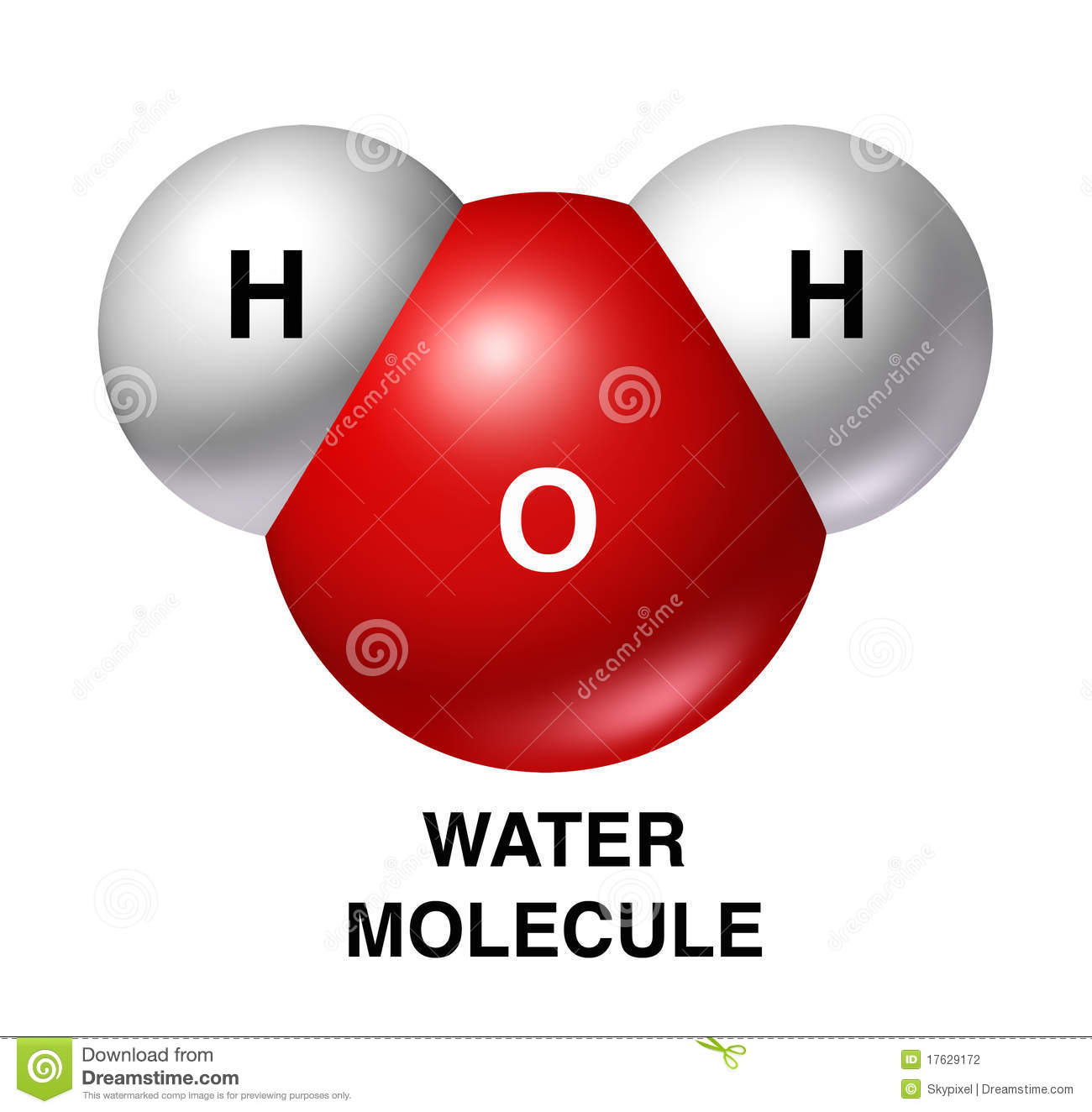
Which part of a water molecule has a Positive Charge?
The Hydrogen
The Oxygen
The Top
The Bottom
Which of the following can water NOT dissolve?
Ionic Compounds
Polar Compounds
Nonpolar Compounds
What is the correct chemical formula for water?
H2O
HO2
H2O2
2H1O
Which of the following is an example of COHESION?
water sticking to water
water sticking to glass
oil sticking to plastic
hydrogen sticking to oxygen
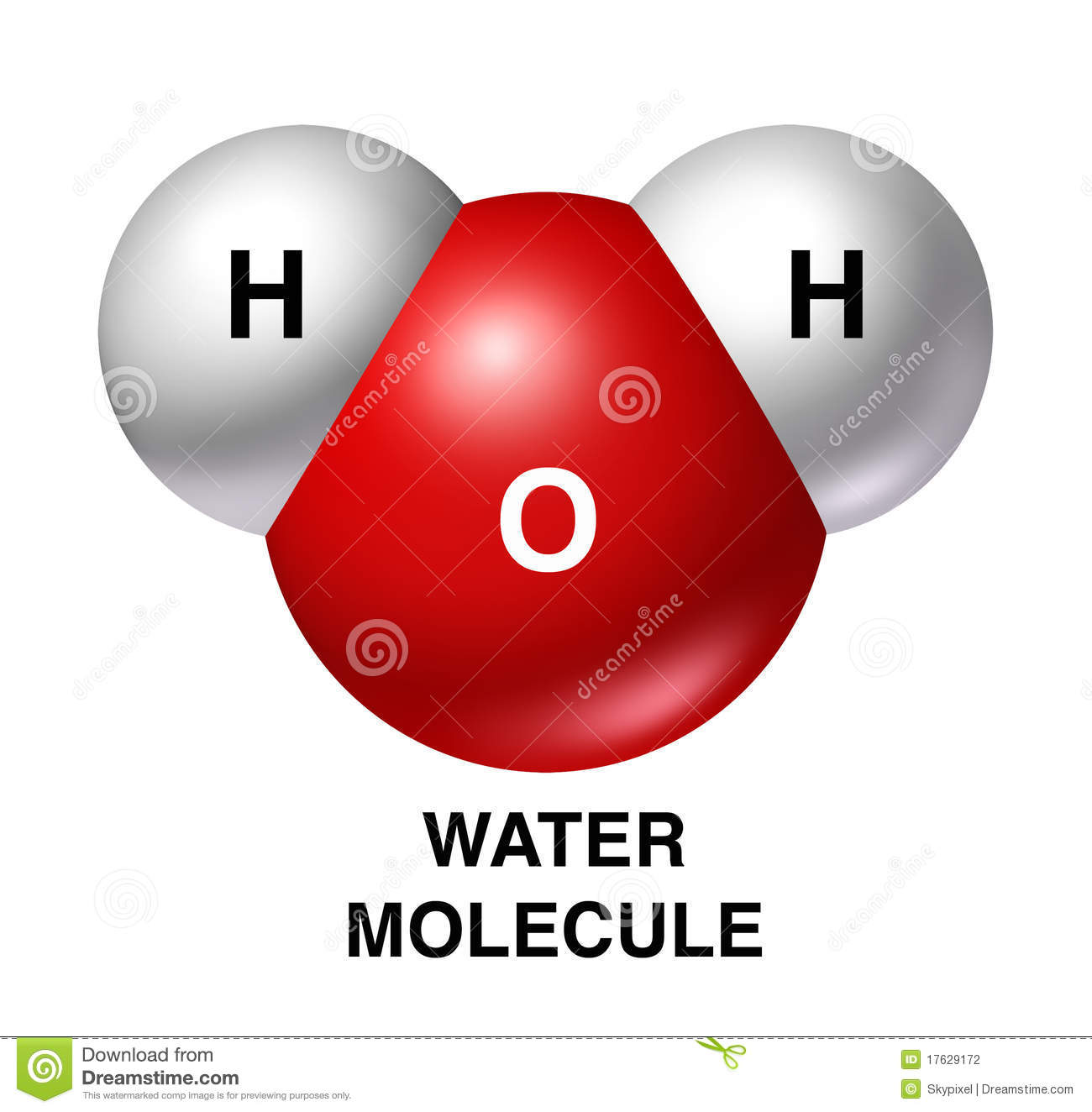
Which part of a water molecule has a Negative Charge?
The Hydrogen
The Oxygen
The Left
The Right
Water is polar. What does that mean?
it is a molecule with opposite charges on opposite ends
it is a molecule with no charge
it is a molecule with identical charges on opposite ends
it is a molecule with too many protons
Water sticks well to many materials. What term relates to this property of water?
cohesion
adhesion
density
surface tension
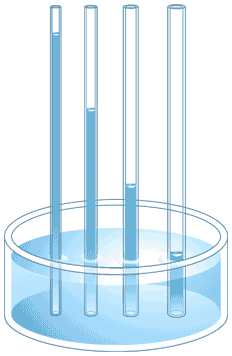
What is the term for water's ability to defy gravity and climb up a tube?
Capillary Action
Specific Heat
Universal Solvent
Magic
At what temperature does water Freeze?
0o C
100o C
32o C
-273o C

A water strider can skate along the top of a pond because:
covalent bonds result in water cohesion (surface tension)
hydrogen bonds result in water cohesion (surface tension)
water striders have adapted to take advantage of water cohesion
water striders are afraid of water and avoid it
At what temperature does water Boil?
0o C
100o C
32o C
212o C
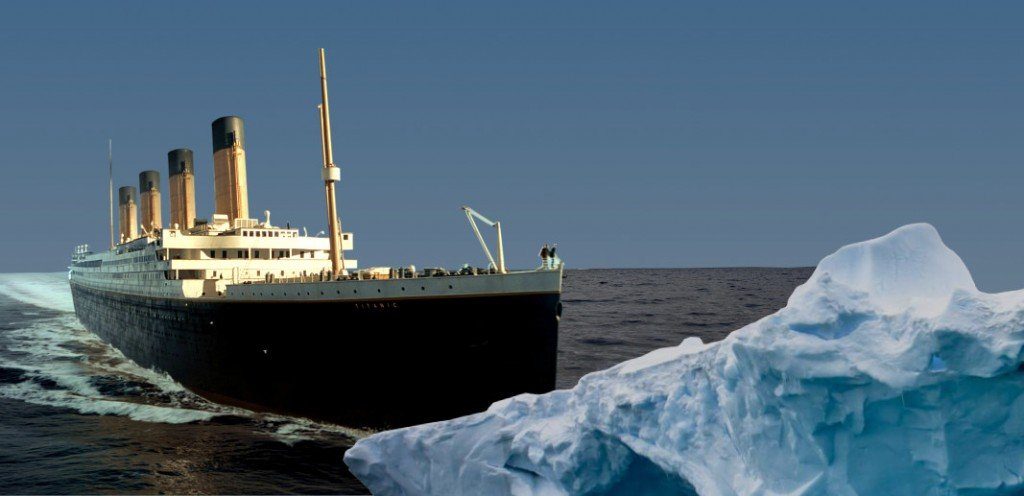
Why does ice float?
water expands when it freezes, making ice less dense than water
water compacts when it freezes, making ice more dense than water
hydrogen bonds in water push the ice to the surface
ice is afraid of water, and avoids it
Bonds between multiple water molecules are called ____________.
Hydrogen Bonds
Covalent Bonds
Ionic Bonds
Water Bonds
Bonds that hold a water molecule together are called ____________.
Covalent Bonds
Ionic Bonds
Hydrogen Bonds
Water Bonds

There are partial charges within a water molecule which cause water to have special properties. This makes water a ________ molecule.
Polar
Nonpolar
Hydrophobic
Ionic
When water rises up a thin straw or moves up a tree from the roots to the leaves, it is called _____________.
Capillary Action
Surface Tension
Heat of Vaporization
Density of Water
Water is liquid at room temperature and takes a lot of energy (heat) to reach the boiling point and turn to a vapor. What is this called?
Heat of Vaporization
Cohesion
Heat of Fusion
Surface Tension
Very light insects can sit on top of water because of
Water's High Heat of Vaporization
Surface Tension
Water's High Specific Heat
Capillary Action
The Earth is surrounded by a atmosphere made of water vapor. Which property allows us to consider Earth a "Goldilocks" planet based on this information.
High Specific Heat Capacity
Adhesion
Cohesion
Heat of Fusion
Why does ice float?
As water freezes, the molecules move farther apart (expands) and the density decreases.
As water freezes, the hydrogen bonds mix with air and create buoyancy.
As water freezes, the bonds break, making it float.
As water freezes, the molecules move closer together, causing the density to increase.
What makes water a universal solvent?
It is a polar molecule that can form hydrogen bonds, allowing it to dissolve many substances.
It is a nonpolar molecule that can form hydrogen bonds, allowing it to dissolve many substances.
It is a polar molecule with a low specific heat, allowing it to dissolve many substances.
It is a nonpolar molecule with a low specific heat, allowing it to dissolve many substances.
When it rains, water will stick to your clothes and get them wet. What property is this an example of?
Cohesion
Adhesion
High Specific Heat Capacity
Surface Tension
What property allows water molecules to stick to each other to form drops?
Cohesion
Adhesion
Surface Tension
Capillary Action
Why is it important that water has a high heat of vaporization and high specific heat capacity?
If they were lower, water would change temperatures and evaporate much faster.
If they were lower, there would be too much water on the Earth.
The properties allow for the rapid change of temperature and vaporization of water.
These properties allow water to freeze at high temperatures.

What is a polar covalent bond.
An ionic bond in which electrons are not shared equally.
A covalent bond in which electrons are not shared equally within a molecule
A covalent bond where protons are not shared equally within a molecule
An ionic bond where protons are not shared equally within a water molecule.

Hydrogen bond
weak attraction between two molecules (ex: water to water) that is formed due to positive and negative charges attracting
Strong attraction between two molecules.
Weak attraction between two molecules that is formed due to charges repelling.
Strong attraction due to repelling of charges.

Capillary Action
Tendency of a liquid in a tube to decrease
Tendency of a solid to dissolve
Tendency of a gas to condense
the tendency of a liquid in a tube to rise

hydrophobic
water absorption
Water evaporating
Water fearing
Water saturation

hydrophilic
Repelled by water
Attracted to water
on top of water
anti water

Cohesion
repelling of molecules of the same substance
Saturation of molecules
attraction between molecules of the same substance

Adhesion
An attraction of water molecules
A repulsion of water molecules
Repulsion between molecules of different substances
An attraction between molecules of different substances

Surface Tension
A measure of the surface strength of a liquid
A measure of the strength of a liquid
A measure of the strength of a solid
A measure of the surface strength of a gas

Solute
A substance that does not dissolve.
A substance that is a solid, even in water.
A substance that solutes for a job well done :)
A substance that is dissolved in a solution.

Solvent
A solid substance that does not dissolve
A liquid substance capable of dissolving other substances
A gas that condenses
A solid substance that dissolves.

Acid
any substance that forms H+ ions in solution (pH less than 7)
Any substance that forms H+ ions in solution (pH greater than 7)
Neutral on the pH system

Base
A substance that is neutral on a pH system
a substance that produces hydroxide ions in solution (pH more than 7)
a substance that produces less hydroxide ions in a solution (pH less than 7)
What you step on in baseball.
Which macromolecule is primarily responsible for enzyme catalysis, cell structure, and immune response?
Carbohydrates
Proteins
Lipids
Nucleic acids
Which macromolecule serves as a long-term energy storage molecule, insulation, and component of cell membranes?
Proteins
Carbohydrates
Nucleic acids
Lipids
Nucleic acids play a crucial role in:
Enzyme function
Energy storage
Hereditary information
Lipid synthesis
How does the R group of an amino acid affect the folding of a protein?
It determines the protein's color.
It affects the protein's solubility.
It determines the protein's pH.
It influences the protein's 3D structure and function.
Which elements are commonly found in carbohydrates?
Carbon, hydrogen, oxygen
Carbon, hydrogen, nitrogen
Carbon, oxygen, phosphorus
Carbon, sulfur, nitrogen
Which elements are present in nucleic acids?
Carbon, hydrogen, oxygen, nitrogen, phosphorus
Carbon, oxygen, nitrogen, phosphorus
Carbon, sulfur, phosphorus
Carbon, hydrogen, oxygen
Lipids are characterized by their high content of which elements?
Carbon and hydrogen
Carbon, nitrogen, and oxygen
Carbon, oxygen, and sulfur
Carbon, hydrogen, and phosphorus
What process breaks down macromolecules into their smaller subunits?
Dehydration synthesis
Hydrolysis
Transcription
Translation
Which macromolecule commonly contains phosphorus?
Carbohydrates
Proteins
Nucleic acids
Lipids
The building blocks of proteins are:
Amino acids
Nucleotides
Monosaccharides
Fatty acids
The building blocks of nucleic acids are:
Amino acids
Nucleotides
Monosaccharides
Fatty acids
What are the four main types of macromolecules required by living organisms?
Sugars, fats, minerals, water
Proteins, lipids, carbohydrates, nucleic acids
Vitamins, enzymes, water, sugars
Amino acids, minerals, vitamins, nucleotides
What is the main function of carbohydrates in living organisms?
Storing genetic information
Providing energy
Catalyzing chemical reactions
Building cell membranes
Proteins are composed of which elements?
Carbon, hydrogen, oxygen, nitrogen
Carbon, hydrogen, nitrogen, sulfur
Carbon, nitrogen, phosphorus, hydrogen
Carbon, sulfur, oxygen, hydrogen
How are macromolecules formed?
Through dehydration synthesis (condensation) reactions
Through hydrolysis reactions
Through nucleotide base pairing
Through oxidation-reduction reactions
Which macromolecules typically contain nitrogen?
Carbohydrates
Proteins
Nucleic acids
Lipids
Which macromolecule often contains sulfur?
Carbohydrates
Proteins
Nucleic acids
Lipids
What are the primary functions of proteins in living organisms?
Long-term energy storage
Transmitting genetic information
Catalyzing chemical reactions
Providing structural support
What significant role do lipids play in?
Storing and transmitting genetic information
Acting as enzymes in metabolic reactions
Providing immediate energy
Forming cell membranes and insulation
Which of the following is a function of nucleic acids in living organisms?
Storing and transmitting genetic information
Catalyzing metabolic reactions
Providing immediate energy
Forming cell membranes

A substance that cannot be decomposed into simpler substances by chemical means - made up of the same atoms
atom
element
molecule
organism

A group of two or more atoms that are bonded together
elements
isotopes
molecules
essential elements of life

An atom that has a different number of neutrons than the standard for that element.
element
isotope
molecule
organism

(No Charge)

Na2CO3

Which of the following describes covalent bonds?
Bonds form because of opposite charges
electrons are shared to fill outer electron shells
Electrons are transferred between atoms
Covalent bonds are magical
What is the greatest number of valence electrons an atom can have?
2
3
8
12
TRUE OR FALSE:
Hydrogen bonds are very strong interactions between two atoms.
True
False
When is an ionic bond formed?
when electrons are shared
when protons are shared
when oppositely charged atoms gain or lose electrons
when oppositely charged atoms gain or lose a proton

What makes carbon so important to life?
bonding properties
its place on the Periodic Table
it is a reactant in all chemical reactions
it is an enzyme

What gives water so many important properties for life?
adhesion and cohesion
the amount of carbon in each molecule
energy released exothermically
hydrogen bonds give it polarity

What makes a chemical reaction?
matter is conserved
breaking and forming of chemical bonds
when products form reactants
when you do a lab
What are the smallest basic units of matter?
molecules
atoms
elements
7th graders
Exothermic reactions
absorb more energy than they release
are cold
do not use bond energy for activation
release more energy than they absorb

Which of the following solutions has the highest Hydrogen ion concentration?
a solution with a pH of 1
a solution with a pH of 4
a solution with a pH of 7
a solution with a pH of 10
A catalyzed reaction
increases the products made
uses less activation energy to get started
has a slower reaction rate
uses more reactants throughout the reaction
Enzymes act on
products
proteins
amino acids
substrates
Atoms that share electrons are
in a covalent bond
in an ionic bond
are usually salts
always metals

What are the reactants in this chemical equation?
CH4 and 2O2
carbon and oxygen
CO2 and 2 H2O
water and methane
Activation energy
is the term for the amount of energy in each reactant
helps the enzyme to increase the rate of the reaction
is the term for the amount of energy that needs to be added for a chemical reaction to start
is the term for the amount of energy released by the reaction after it starts
What are the 4 types of carbon-based molecules in organisms?
carbohydrates, lipids, fatty acids, and monomers
polymers, monomers, acids, bases
adhesion, cohesion, evaporative cooling, and high specific heat
nucleic acids, proteins, lipids, and carbohydrates
What are proteins made of?
amino acids
monosaccharides
nucleic acids
fatty acids
Which carbon-based molecule includes sugar and starches?
carbohydrates
lipids
proteins
nucleic acids
What is the primary function of DNA?
to make nucleic acids
long term energy storage
store genetic information
to function as RNA

What are the products in this chemical reaction?
calcium and oxygen
Ca and CaO
2Ca and O2
2CaO

What is happening in this picture?
an enzyme is binding a substrate together to form a product
an enzyme is breaking down a substrate to release new products
the active site of the enzyme does not fit the substrate
a change in pH has damaged the enzyme

The building blocks of most living things contain the element
carbon
nitrogen
calcium
sodium
Changes in the pH, temperature, enzyme concentration, and/or substrate concentration can negatively affect
the activation energy of chemical reactions
the bond energy released by reactants in a reaction
the efficient function of an enzyme or catalyzed reaction
the polarity of water used for evaporative cooling


What are the smallest basic units of matter?
molecules
atoms
elements
7th graders
Fe + O2 -> Fe2O3

Which step? "I was right!: Touching the cheese makes the cheese moldy."
make a hypothesis
draw a conclusion
experiment

The flower is 8 cm tall.
qualitative data
quantitative data

The center of the flower is yellow and fuzzy.
qualitative data
quantitative data
1 gram = ______________ milligrams
1
10
100
1,000
Large bodies of water, such as lakes and oceans, do no quickly fluctuate in temperature. What is the reason behind this phenomenon?
Water is an acid
Water has a high heat capacity
Water is a universal solvent
Water acts as a base
Water is essential for life. Its special properties make water the single most important molecule in plant life. Which of the following properties of water enables it to move from the roots to the leaves of plants?
Water expands as it freezes
Water is an excellent solvent
Water exhibits cohesive behavior
Water is able to moderate temperature
Why does water move from the roots to the leaves of plants?
Water is pushed by solutes
Water is pulled by gravity
Capillary action pulls the water molecules like a chain
Water's cohesion causes it to "pull" towards the leaves
What property of water helps to moderate Earth’s temperature and even our constant internal body temperature?
Cohesion
Adhesion
Density
Specific heat capacity
A water strider can skate along the top of a pond because:
Low surface tension of water
Hydrogen bonds result in water cohesion (surface tension)
Covalent bonds result in water cohesion
Water striders have adapted to take advantage of water cohesion
Why does ice stay at the top of oceans instead of sinking to the bottom?
Ice is colder than liquid water
Ice is less dense than liquid water
Ice is more dense than liquid water
Ice is warmer than liquid water
Water is often called the “universal solvent” because many substances can be dissolved in water. What property of water allows it to be such a universal solvent?
Purity
Polarity and cohesion
High heat capacity
Expansion upon freezing
Any compound that removes H+ ions to an aqueous solution and measures more than 7 on the pH scale:
Base
Solvent
Acid
Solute
Why does ice float?
As water freezes, it expands and its density decreases.
As water freezes, air becomes trapped between the hydrogen bonds of water molecules.
As water freezes, it takes up more hydrogen from the atmosphere, causing it to have greater buoyancy (floating ability).
As water freezes, it takes up more oxygen from the atmosphere, causing it to have greater buoyancy.
Substance in a solution that dissolves the other substance and is present in the greater amount:
Solute
Acid
Solution
Solvent
The ability of water molecules to stick together is called:
Adhesion
Cohesion
Transpiration
Solvency
Water is polar because:
The molecule has two poles, at which it is colder than the other regions of the molecule.
The water molecule is neutral
The unequal sharing of electrons gives the water molecule a slight negative charge near its oxygen atom and a slight positive charge near its hydrogen atoms.
The unequal sharing of electrons gives the water molecule a slight negative charge near its hydrogen atoms and a slight positive charge near its oxygen atom.
The bonds within a water molecule are:
Polar covalent
Hydrogen
Ionic
Non-polar covalent
Any compound that donates H+ ions to an aqueous solution and measures less than 7 on the pH scale:
Acid
Base
Solvent
Solute
Which of the following is a function of a carbohydrate?
Provides long term energy to body
Supports the body in building structures necessary for survival
Provides short term energy to the body
Gives the body instructions for how to build our body's structures
Which of the following best describes a situation where the body needs more protein?
When in need of energy for sprinting
When weight lifting
When in need of energy for a marathon
How can you tell the difference in the structure of carbohydrates and lipids?
Both have Carbon, Hydrogen, and Oxygen. Carbohydrates have ring structures and Lipids have line structures
Both have Carbon, Hydrogen, and Oxygen. Lipids have ring structures and Carbohydrates have line structures
Carbohydrates have more carbon than Lipids
Both have Carbon, Hydrogen, and Oxygen. Lipids additionally have Nitrogen
A scientist is analyzing different biomolecule structures. They notice an influx of Phosphorus. Which biomolecule are they looking at?
Lipids
Protein
Carbohydrate
Nucleic Acid
Which of the following best compares the structures of lipids and carbohydrates?
Both are made up of monosaccharide monomers, but lipids are hydrophobic and carbohydrates are hydrophilic.
Both consist of carbon, hydrogen, and oxygen, but carbohydrates have repeating structural units and lipids do not.
Both contain carbon and hydrogen, but carbohydrates also contain oxygen and lipids contain nitrogen.
Both have a carbon backbone, but lipids also have an amino group and carbohydrates have a carboxylic acid group.
Some proteins catalyze biochemical reactions. If a genetic defect prevented a protein catalyst from being produced, which of the following do you predict would happen in the cell?
The cell would find a different type of protein to catalyze the reaction.
The reaction the protein catalyzes would proceed very slowly or not at all.
The reaction the protein catalyzes would only occur in some places in the cell.
The reverse reaction of the one the protein catalyzes would begin to proceed.
As food travels through the digestive system, it is exposed to a variety of pH levels. The stomach has a pH of 2 due to the presence of hydrochloric acid (HCl), and the small intestine has a pH ranging from 7 to 9. HCl converts pepsinogen into pepsin, an enzyme that digests proteins in the stomach. Which of the following most likely happens to pepsin as it enters the small intestine?
It becomes inactive
It begins to replicate
Its shape changes to engulf large proteins
Its activity increases to ingest more proteins

