
 Worksheets
Biology Unit 1 Test Review
Total questions: 49
Worksheet time: 36mins

___________a molecule that is present in all living cells and that contains the information that determines the traits a living thing inherits and needs to live.
Cell
Stimulus
Homeostasis
DNA
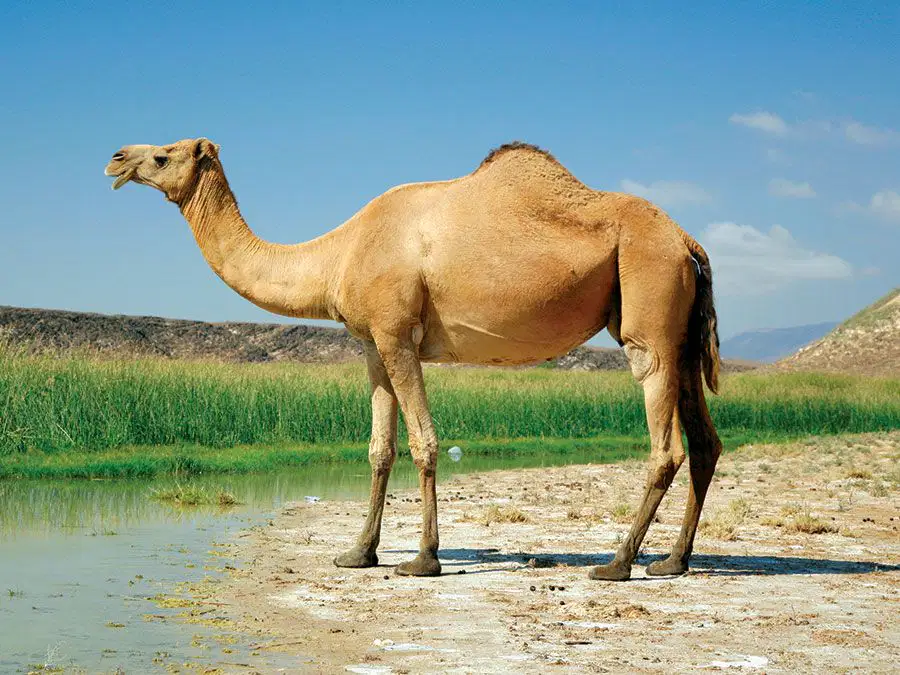
All living things maintain homeostasis

All living things have DNA
Living things are made up of units called
(a)
Which is an example of an organism? (select all that apply)
a virus
Bonds between multiple water molecules are called (a) bonds
Bonds that hold a water molecule together are called (a) bonds.

There are partial charges within a water molecule which cause water to have special properties. This makes water a ________ molecule.
Polar
Nonpolar
Hydrophobic
Ionic
Hydrogen
When water rises up a thin straw or moves up a tree from the roots to the leaves, it is called _____________.
Capillary Action
Surface Tension
Heat of Vaporization
Density of Water
Very light insects can sit on top of water because of
Water's High Heat of Vaporization
Surface Tension
Water's High Specific Heat
Capillary Action
The Earth is surrounded by a atmosphere made of water vapor. Which property allows us to consider Earth a "Goldilocks" planet based on this information.
High Specific Heat Capacity
Adhesion
Cohesion
Heat of Fusion
Why does ice float?
As water freezes, the molecules move farther apart (expands) and the density decreases.
As water freezes, the hydrogen bonds mix with air and create buoyancy.
As water freezes, the bonds break, making it float.
As water freezes, the molecules move closer together, causing the density to increase.
What makes water a universal solvent?
It is a polar molecule that can form hydrogen bonds, allowing it to dissolve many substances.
It is a nonpolar molecule that can form hydrogen bonds, allowing it to dissolve many substances.
It is a polar molecule with a low specific heat, allowing it to dissolve many substances.
It is a nonpolar molecule with a low specific heat, allowing it to dissolve many substances.
When it rains, water will stick to your clothes and get them wet. What property is this an example of?
Cohesion
Adhesion
High Specific Heat Capacity
Surface Tension
What property allows water molecules to stick to each other to form drops?
Cohesion
Adhesion
Surface Tension
Capillary Action
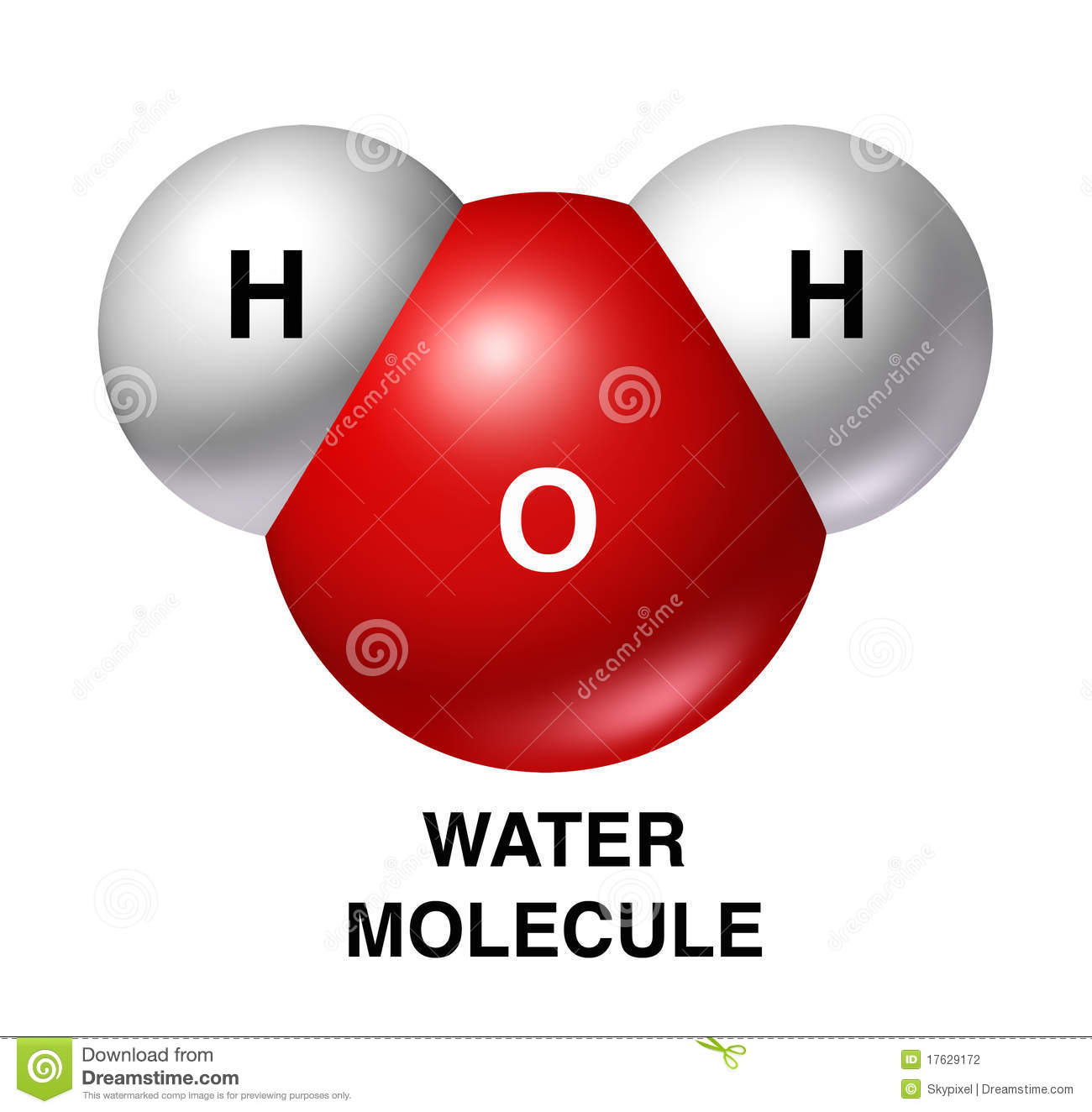
Which part of a water molecule has a Positive Charge?
The Hydrogen
The Oxygen
The Top
The Bottom
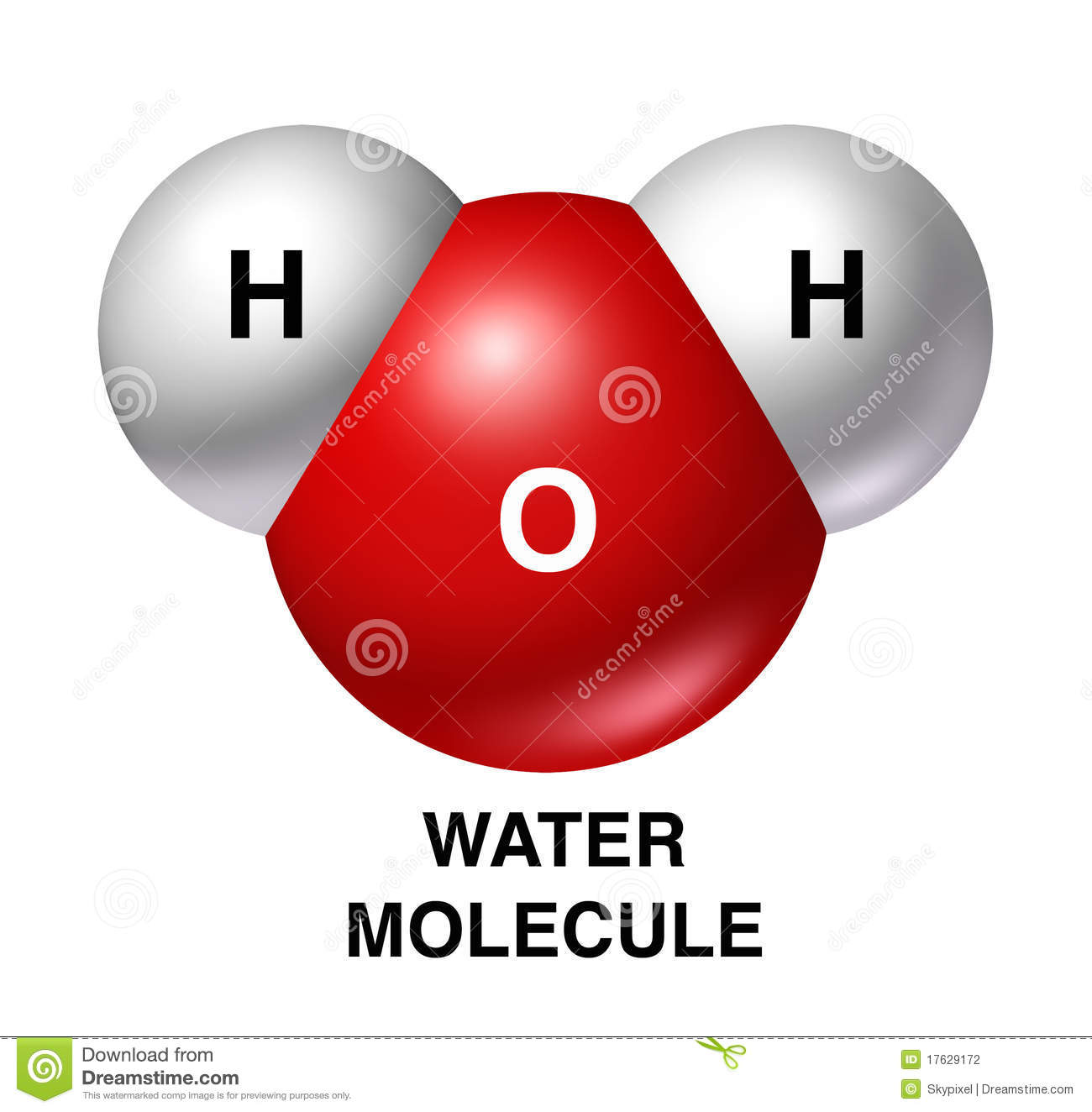
Which part of a water molecule has a Negative Charge?
The Hydrogen
The Oxygen
The Left
The Right
Which of the following can water NOT dissolve?
Ionic Compounds
Polar Compounds
Nonpolar Compounds
Dense Compounds
Solid Compounds
Which of the following is the CORRECT list of water's properties?
Read Carefully!
adhesion, cohesion, high specific heat, universal solvent
adhesion, cohesion, low specific heat, universal solvent
adhesion, no cohesion, low specific heat, universal solute
no adhesion, cohesion, high specific heat, universal solute

You body sweats to help prevent you from overheating. How does water regulate temperature?
it lets heat pass through it
it absorbs a lot of heat, then decreases in temperature
it absorbs a lot of heat, but only increases a little in temperature
heat is afraid of water and avoids it
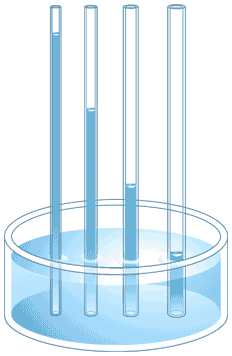
What is the term for water's ability to defy gravity and climb up a tube?
Capillary Action
Specific Heat
Universal Solvent
Magic
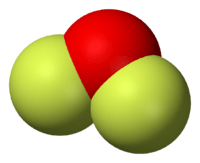
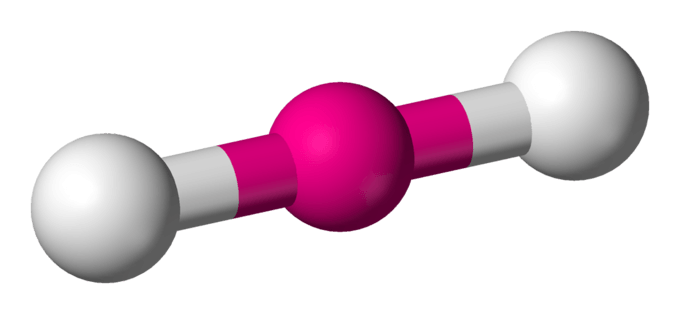
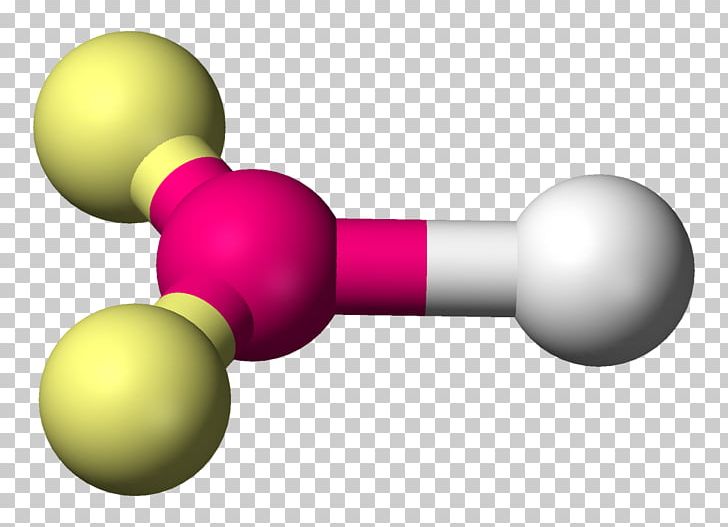
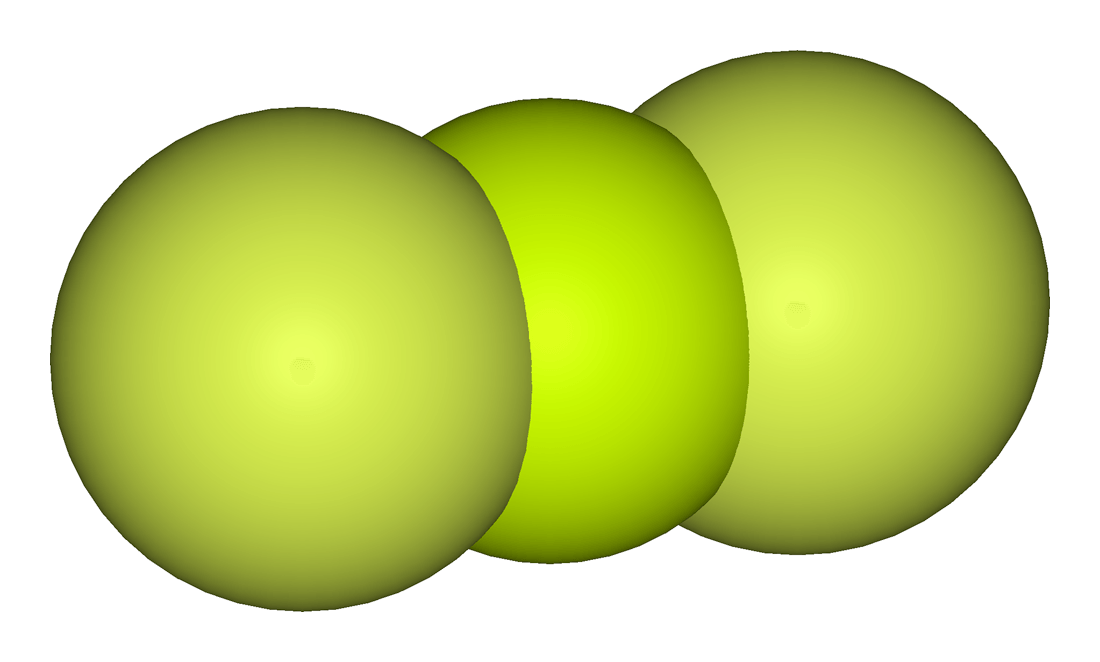
Which of the following is the correct molecular structure for water, H2O?
What two parts of the classification system are used for the naming of organisms?
Domain and Kingdom
Genus and Species
Class and Family
Kingdom and Phylum
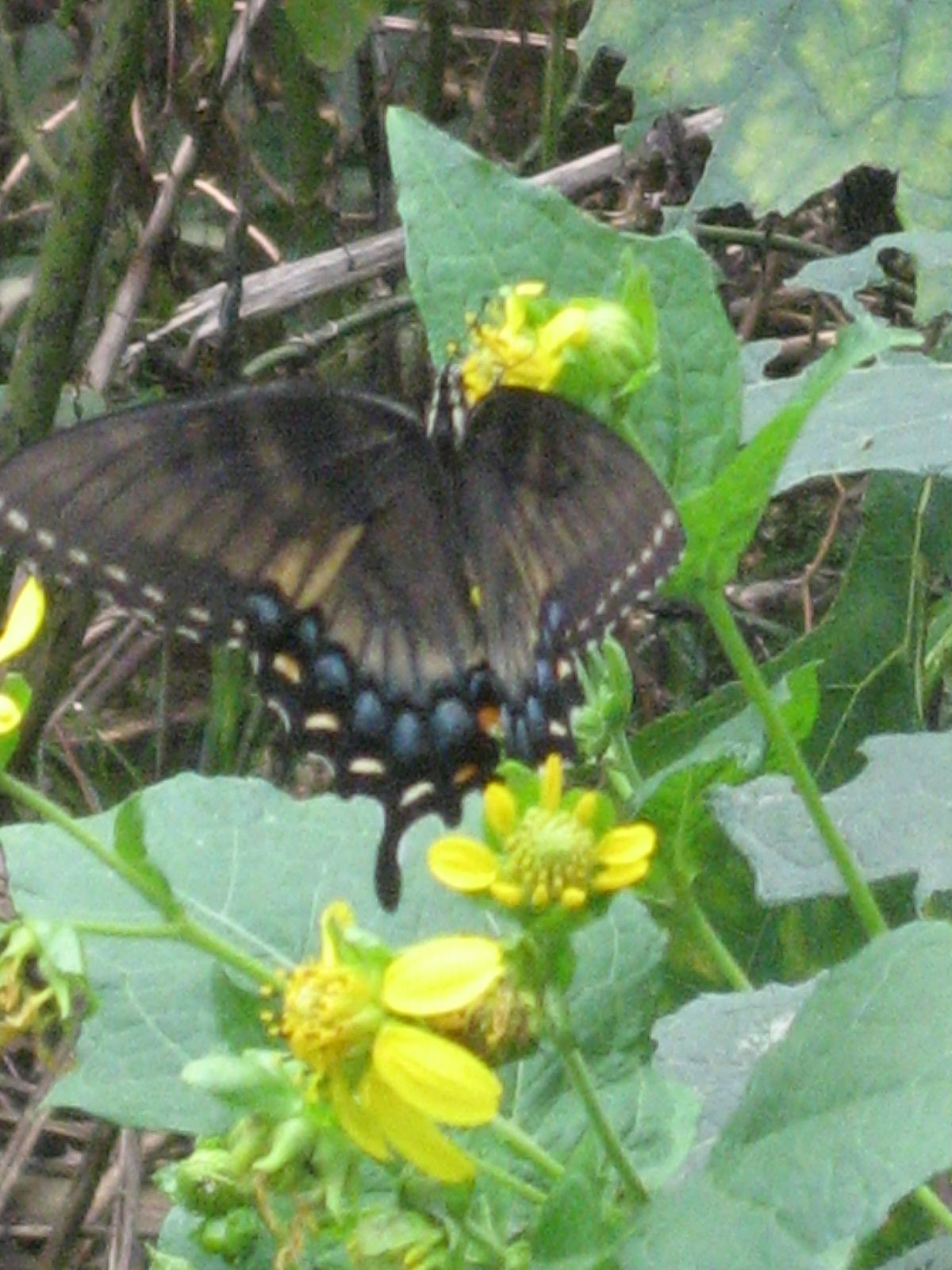
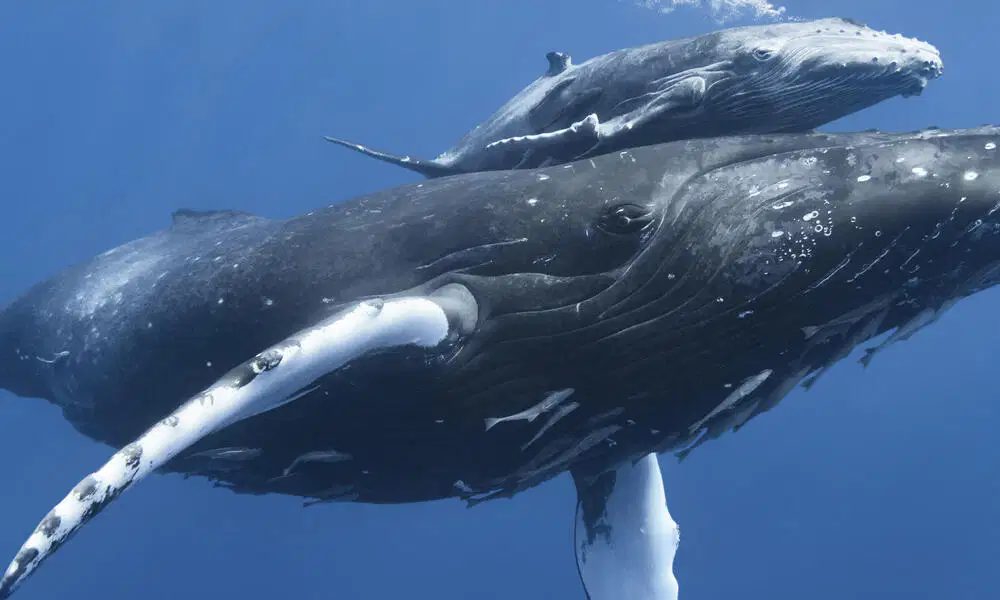
An organism made up of more than one cell would be called:
(a)
An example of an unicellular organism would be (select all that apply):

fungi

bacteria

spider

human

yeast
consumers are...
heterotrops
autotrophs

Viruses can only reproduce inside a host cell.
True
False

Unicellular organisms that lack a nucleus and other cellular organelles are known as...
Prokaryote
Eukaryote
Heterotroph
Autotroph

Humans are made of _ cells
(a)
Of the following classifications , the largest or most inclusive is
Order
Family
Class
Phylum
deoxyribonucleic acid is also known as
(a)
The information you collect while doing your experiment is called
conclusions
data
hypotheses
procedures
The variable that is being measured or observed is called the _______________. Hint: this is the variable that is the result or effect
independent variable
dependent variable
control variable
What is a constant/control in an experiment?
Things that do not change in a experiment. It's the variable that stays the same. You can have many variables stay the same.
It's the variables that the scientist changes in the experiment
It's the variables that are being measured in an experiment

What is the dependent variable of the graph?


