Wayground logo

Free Printable Worksheets

Font size

S
M
L
XL
Worksheets

Unit 1 Test Review Practice

Total questions: 100

Worksheet time: 2hrs 42mins

Name
Class
Date
1.

The maintenance of constant internal conditions (like temperature) in an organism

a)

Species

b)

Adaptation

c)

Homeostasis

d)

Evolution

2.

The study of life is known as

a)

anatomy

b)

biology

c)

chemistry

d)

physics

3.
This is the losing or the gaining of electrons.
a)
Covalent Bonding
b)
Hydrogen Bonding
c)
Cohesion
d)
Ionic Bonding
4.
This is the SHARING of electrons.
a)
Adhesion
b)
Cohesion
c)
Covalent Bonding
d)
Ionic Bonding
5.
The smallest particle of matter that can retain the chemical properties of carbon is a carbon...
a)
molecule. 
b)
atom.
c)
macromolecule.
d)
element.
6.
A substance that is composed of only one type of atom is called a(n)...
a)
compound.
b)
element.
c)
cell.
d)
molecule.
7.
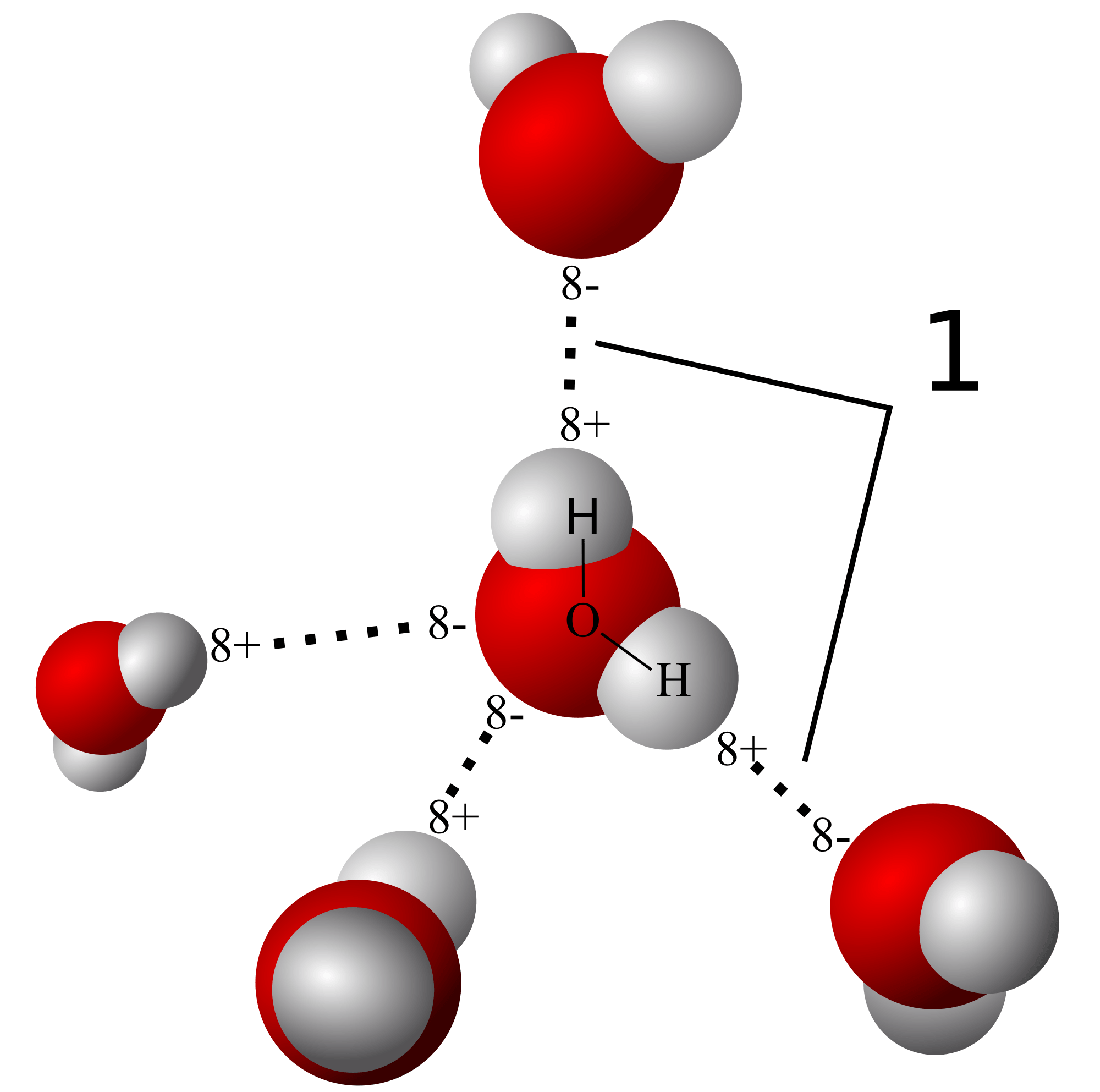
Attractions between water molecules are called...
a)
covalent bonds.
b)
polar bonds.
c)
ionic bonds.
d)
hydrogen bonds.
8.
Which are most closely related to proteins?
a)
amino acids
b)
nucleotides
c)
monosaccharide
d)
sugars
9.
The two types of nucleic acids are...
a)
RNA and ATP
b)
DNA and ATP
c)
DNA and RNA
d)
ATP and TAP
10.

A cell is the basic unit of the structure and function of all living things

a)

True

b)

False

11.

Which correctly describes the smallest amount of an element?

a)

Atom

b)

Molecule

c)

Compound

d)

Proton

12.

What are the building blocks of matter?

a)

Atoms

b)

Protons

c)

Cells

d)

Neutrons

13.

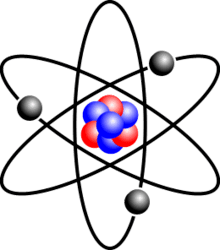
Which subatomic particle has a negative charge in the atom?

a)

proton

b)

neutron

c)

electron

d)

quark

14.

Which of the following does not have an electrical charge?

a)

Neutron

b)

Electron

c)

Neuron

d)

Proton

15.

What are atoms composed of?

a)

Protons and electrons.

b)

Protons, neutrons, and electrons.

c)

Neutrons and electrons.

d)

Ions, elements, and compounds.

16.

What charge does an atom have when it GAINS electrons?

a)

Positive

b)

Negative

c)

Neutral

17.

Where is the proton located?

a)

In the very dense nucleus

b)

Floating around in the negative electron cloud

c)

In the loose nucleus

d)

In the positive electron cloud

18.

A(n) ______is formed when 2 atoms share electrons.

a)

covalent bond

b)

ionic bond

c)

Atom

d)

Cell

19.

A collection of two or more atoms in a defined arrangement is a(n) ...

a)

atom

b)

ion

c)

molecule

20.

A molecule is held together by ...

a)

"The Force"

b)

chemical bonds

c)

rubber cement

d)

glue

21.

In the compound C9H12, there are (a)   atoms of carbon.

22.

Which particles are found within an atom?

a)

protons

b)

positrons

c)

neutrons

d)

neutrinos

e)

electrons

23.

What is an element?

a)

A pure substance that is made up of one kind of atom.

b)

Two atoms bonded together.

c)

Two or more different types of atoms bonded together.

d)

An molecule with an unequal distribution of charge.

24.

What are atoms composed of?

a)

Protons and electrons.

b)

Protons, neutrons, and electrons.

c)

Neutrons and electrons.

d)

Ions, elements, and compounds.

25.
Large bodies of water do not quickly fluctuate in temperature. Why?
a)
Water is a solvent.
b)

Water has a high specific heat capacity.
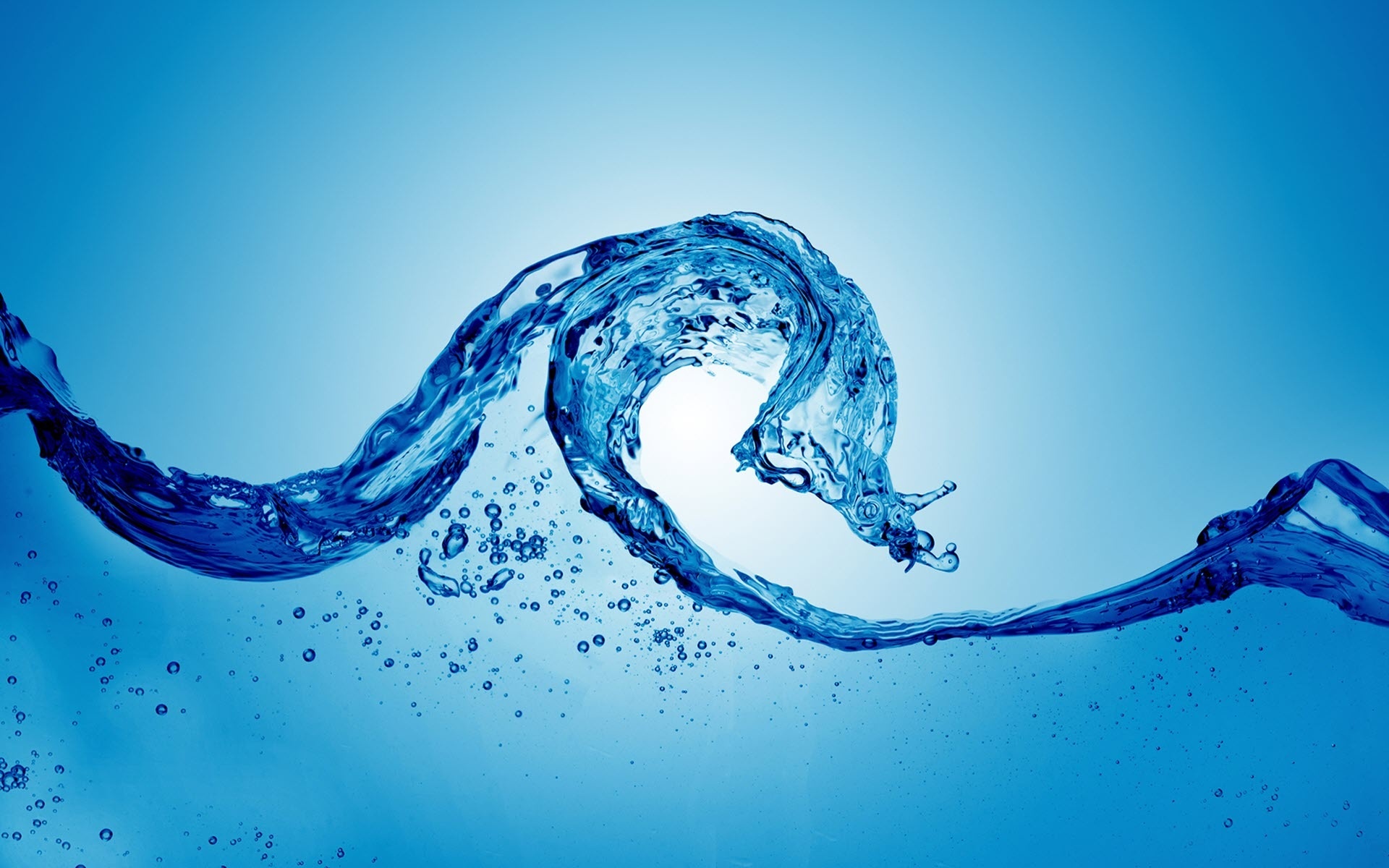
c)
Water acts as a buffer.
d)
Water is non-polar.
26.
Water striders can walk across the surface of calm water. Their feet push the surface of the water down slightly, but they do not break the surface. Why?
a)
The insects are light enough so they do not break the hydrogen bonds holding the water molecules together
b)
The insects actually use their wings to hover slightly above the water’s surface and they only skim it with their feet.
c)
The insect’s feet are non-polar, so they are repelled by the polar water molecules and are pushed away from the water’s surface.
d)
The insects are small enough to see the individual water molecules, so they are able to step carefully from one molecule to the next
27.
What two elements make up water?
a)
Helium and oxygen
b)
Hydrogen and oxygen
c)
helium and carbon
d)
oxygen and carbon
28.
What word describes when water is attracted to other substances?
a)
cohesion
b)
adhesion
c)
capillary action
d)
surface tension
29.
Attractions between water molecules are called
a)
Covalent bonds
b)
Ionic bonds
c)
Polar bonds
d)
Hydrogen bonds
30.
Why does ice float?
a)
As water freezes, it expands and its density decreases.
b)
As water freezes, it takes up more hydrogen from the atmosphere, causing it to have a greater buoyancy.
c)
As water freezes, air becomes trapped between the hydrogen bonds of water molecules.
d)
As water freezes, it takes up more oxygen from the atmosphere, causing it to have a greater buoyancy.
31.
Water is polar because...
a)
The unequal sharing of electrons gives the water molecule a slight negative charge near its oxygen atom and a slight positive charge near its hydrogen atoms.
b)
The molecule has two poles, at which the it is colder than other regions of the molecule.
c)
The unequal sharing of electrons gives the water molecule a slight negative charge near its hydrogen atoms and a slight positive charge near its oxygen atom.
d)
The water molecule is neutral.
32.

How many hydrogen atoms are in a water molecule?

a)

5

b)

1

c)

2

d)

0

33.
Which types of compounds dissolve easily in water?
a)
Polar and Nonpolar
b)
Polar and Ionic
c)
Nonpolar and Ionic
d)
Covalent and Nonpolar
34.

The bond that holds the Oxygen and Hydrogen atoms together in a water molecule is a ________ bond.

a)

polar ionic

b)

Hydrogen

c)

polar covalent

d)

Weak

35.

_________ bonds form between ions.

a)

ionic

b)

covalent

c)

hydrogen

d)

polar

36.
What is the chemical formula for water?
a)
H20
b)
h2o
c)
H2O2
d)
H2O
37.

The most common monomer of Lipids are....

a)

monosaccharides

b)

Amino Acids

c)

Fatty Acids

d)

Nucleotides

38.

Which answer means "water fearing"?

a)

Hydrophobic

b)

Hydrophilic

c)

Hydraulic

d)

Aquaphilic

39.

The monomers of Carbohydrates are....

a)

monosaccharides

b)

Amino Acids

c)

Glycerol & Fatty Acids

d)

Nucleotides

40.

The monomers of Proteins are....

a)

monosaccharides

b)

Amino Acids

c)

Glycerol & Fatty Acids

d)

Nucleotides

41.

The monomers of Nucleic Acids are....

a)

monosaccharides

b)

Amino Acids

c)

Glycerol & Fatty Acids

d)

Nucleotides

42.

Which property of water means water sticking to other water molecules?

a)

Adhesion

b)

Cohesion

c)

Surface Tension

d)

Polarity

43.

Which property of water means water sticking to another type of molecule?

a)

Adhesion

b)

Cohesion

c)

Surface Tension

d)

Polarity

44.

Which monomer is not part of nucleic acid?

a)

Nitrogenous Base

b)

Phosphate

c)

Amino Acid

d)

Deoxyribose sugar

45.

Poly means...

a)

Many

b)

Three

c)

One

d)

Any

46.

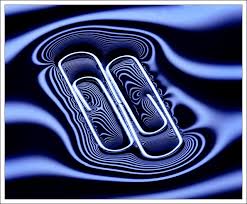
The "tightness" across the surface of water as a result of the molecules attracting one another is what enables paper clips to float on the surface. This phenomenon is called__________.

a)
adhesion
b)

cohesion

c)
surface tension
d)
polarity
47.
Which statement explains why water molecules stick together?
a)
both sides are negative
b)
one side has a positive charge and the other side has a negative charge
c)
one side has a negative charge adn the other side has a neutral charge
d)
both sides are positive
48.
molecule in which opposite ends have opposite electric charges
a)
cohesion
b)
polar molecule
c)
hydrogen bond
d)
solution
49.
Which of the following is LEAST likely to dissolve in water?
a)
nonpolar fats and oils
b)
polar sugar molecules
c)
salt made of a positive sodium ion and a negative chloride ion
d)
all of the substances will dissolve easily in water
50.
A proton is a _____ charged particle.
a)
Negatively
b)
Positively
51.

Water is a polar molecule. Which portion of water has a negative charge?

a)

the hydrogens

b)

the oxygen

c)

both

d)

neither

52.
Surface tension is caused by ...
a)
strong cohesion between water molecules
b)
strong adhesion between the water molecules
c)
condensation
d)
water cycle
53.

Which letter represents hydrogen?

a)

A

b)

B

c)

C

d)

D

54.

What is the charge on the hydrogen atom?

a)

Positive

b)

Negative

55.

What is the charge on the oxygen atom?

a)

Positive

b)

Negative

56.
What is the function of nucleic acids?
a)
store genetic information
b)
store energy (long-term)
c)
store energy (short-term)
d)
build skin, hair, nails, muscles
57.
Which macromolecule stores energy, insulates us, and makes up the cell membrane?
a)
lipids
b)
proteins
c)
carbohydrates
d)
nucleic acids
58.
All polymers are made up of...
a)
monosaccharides
b)
monomers
c)
proteins
d)
None of these
59.
What are the monomers of DNA?
a)
glycerols
b)
amino acids
c)
fatty acids
d)
nucleotides
60.

Enzymes belong to which class of macromolecules?

a)

lipids

b)

carbohydrates

c)

proteins

d)

nucleic acids

61.

DNA belongs to which class of macromolecules?

a)

proteins

b)

nucleic acids

c)

carbohydrates

d)

lipids

62.

Glucose belongs to which class of macromolecules?

a)

proteins

b)

lipids

c)

nucleic acids

d)

carbohydrates

63.
The element _______is found in all of the organic compounds.
a)
Iron
b)
Nitrogen
c)
Carbon
d)
Oxygen
64.
This is one job proteins do NOT have in the body
a)
storing genetic information
b)
structure
c)
speed up chemical reactions
d)
transport things through cell membrane
65.
Another name for fats and oils
a)
proteins
b)
sugar
c)
lipids
d)
nucleic acids
66.
The word saccharide means:
a)
sugar
b)
glucose
c)
sweetener
d)
carbohydrate
67.
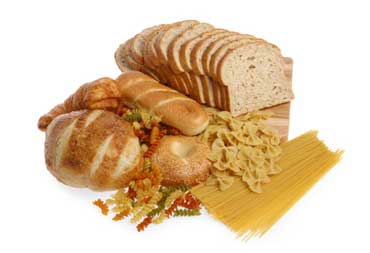
Which biomolecule is found in pasta and bread?
a)
Lipid
b)
Protein
c)
Nucleic Acid
d)
Carbohydrate
68.
Ionic Bonding involves...
a)
The transfer of protons
b)
The transfer of nuetrons 
c)
The transfer of electrons
d)
None Of the above
69.
What happens when the sodium atom loses an electron?
a)
It become negatively charged 
b)
It become positively charged
c)
none
70.
Covalent compounds
a)
Share electrons
b)
transfer electrons
c)
contain a sea of electrons
d)
conduct electricity
71.
What happens when an atom gain an electron?
a)
Neutral(no charge)
b)
Positive charge
c)
Negative charge
72.

Electrons have a _____ charge

a)

positive

b)

negative

c)

neutral

73.

What makes neighboring water molecules stick together?

a)

opposite charges on neighboring molecules

b)

sharing electrons between molecules

c)

ionic bonds

74.

Which of the following can water NOT dissolve?

a)

Ionic Compounds

b)

Polar Compounds

c)

Nonpolar Compounds

75.

the variety of species in an ecosystem is called

a)

biogeography

b)

biodiversity

c)

resilience

d)

resistance

76.
High biodiversity is 
a)
having a lot of the same organism.
b)
having a few of the same organism.
c)
having a lot of variety of different organisms.
d)
only having one of each organism. 
77.

A substance is found to have the following characteristics:


Very bitter taste

Feels slippery to the touch

Produces OH- ions when dissolved in water


In what category would the substance be classified?

a)

acid

b)

base

c)

enzyme

d)

fatty acid

78.
Which of the following statements is correct?
a)
Blue litmus paper turns red when placed in a base.
b)
Red litmus paper turns blue when placed in a base.
c)
Blue litmus paper stays blue when placed in an acid.
d)
Red litmus paper stays red when placed in a base.
79.
Ranging from 0 to 14, a pH value indicates how acidic or basic a solution is.  Which of these pH values would be a strong acid?
a)
2
b)
6
c)
9
d)
13
80.
What is the pH of water?
a)
0
b)
4
c)
7
d)
14
81.
Williams collected a rain sample and measured its pH to be 5.6.  What does this mean?
a)
the rain water is a weak base
b)
the rain water is neutral
c)
the rain water is a strong acid
d)
the rain water is a weak acid
82.
What does a pH of 1 indicate about a liquid?
a)
it is a very strong base
b)
it is a weak base 
c)
it is a weak acid
d)
it is a strong acid
83.
Litmus paper can tell you if a solution is acidic, neutral or basic by changing color when placed in a solution.  If you test a base with litmus paper, it will turn ____________.
a)
purple
b)
red
c)
blue
d)
pink
84.
Which of these pH values would indicate that a solution is a weak base?
a)
4
b)
5.6
c)
8
d)
13
85.
When dissolved in water, acids produce:
a)
bases
b)
salts
c)
hydrogen ions
d)
hydroxide ions
86.
Any substance that produces hydroxide ions in water is known as _____________.
a)
an acid
b)
a hydrogen ion
c)
a base
d)
a neutral
87.

Stronger acids have a pH closer to...

a)

7

b)

14

c)

0

d)

9

88.

Weaker bases have a pH closer to...

a)

8

b)

14

c)

0

d)

4

89.

Which of the following is an example of acid?

a)

Shampoo

b)

liquid soap

c)

oven cleaner

d)

orange juice

90.
In the equation,          2Mg + O2 ---> 2MgO, which are the reactants?
a)
Mg and O
b)
MgO
c)
Mg and MgO
d)
O and MgO
91.
The left side of the equation below is called
a)
Products
b)
Reactants
92.
The right side of the equation below is called the
a)
products
b)
reactants
93.

What is the activation energy in a reaction?

a)

The energy needed for products to be formed

b)

The energy needed to break products into reactants

c)

The minimum energy needed to make products

d)

The minimum energy needed by reactants for them to react

94.

What does a catalyst do?

a)

Speeds up reactants

b)

Speeds up a chemical reaction

c)

Speeds up products

d)

Speeds up particles

95.

What do you call a biological catalyst?

a)

Product

b)

Reactant

c)

Biological reaction

d)

Enzyme

96.

During a reaction a catalyst.....

a)

is used up

b)

is not used up

c)

does not have an impact

d)

slows the reaction

97.

How does a catalyst speed up a reaction?

a)

Increases temperatures

b)

Increases activation energy

c)

Decreases activation energy

d)

Decreases temperature.

98.

What type of reaction is this?

a)

Exothermic

b)

Endothermic

c)

Kinetic

d)

Potential

99.
What type of reaction is shown in the photo?
a)
Exothermic
b)
Isothermic
c)
Endothermic
d)
None of the  above
100.

A student mixed two chemicals to allow them to react. The temperature before the reaction was 25 ° C. The temperature after the reaction was 18° C. Which of the following is true?

a)

It is an exothermic reaction

b)

It is an endothermic reaction