
Font size
 Worksheets
Exam Review Part 2
Total questions: 57
Worksheet time: 30mins
Some carbon skeletons contain double bonds
True
False

How many carbons and hydrogens are there in this carbon skeleton?
7 carbons
9 hydrogens
6 carbons
12 hydrogens
5 carbons
6 hydrogens
8 carbons
5 hydrogens
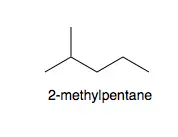
How many carbons are there in 2-methylpentane?
3 carbons
6 carbons
5 carbons
7 carbons

What type of isomer is this?
Cis-trans isomer
Enanitomers
Structural isomer
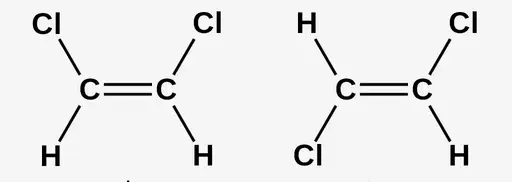
What type of isomer is this?
Structural isomer
Cis-trans isomer
Enantiomer
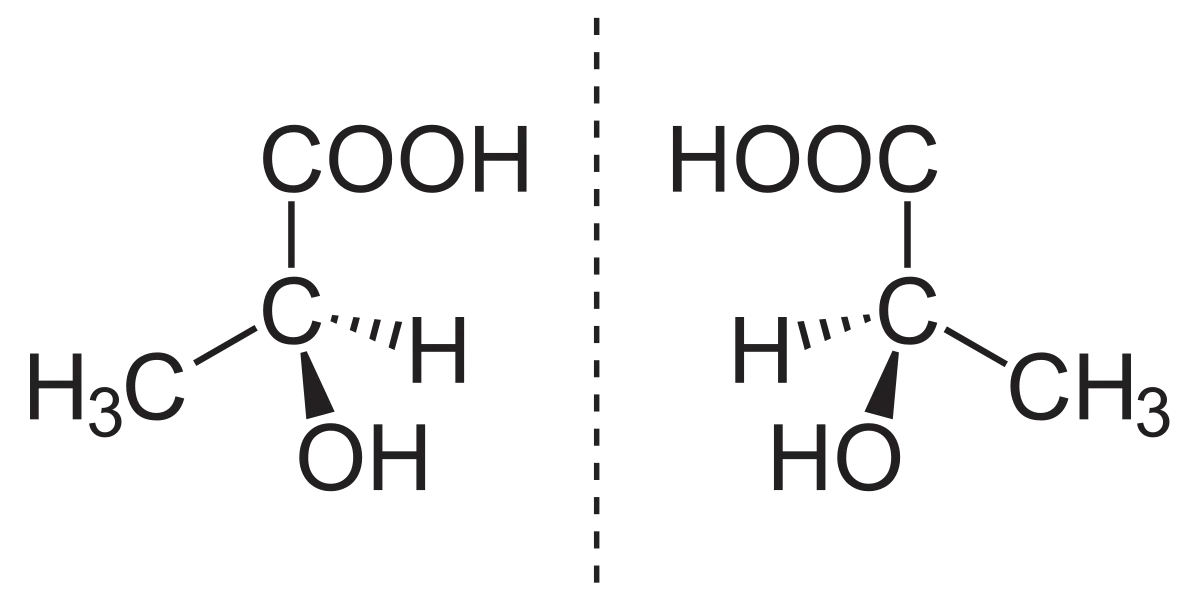
What type of isomer is this?
Cis-trans isomer
Structural isomer
Enantiomer
Which of the functional groups are nonpolar?
Hydroxyl group
Carboxyl group
Phosphate group
Methyl group
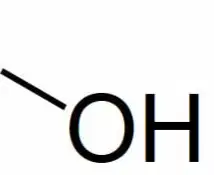
Name the functional group
Carboxyl group
Amino group
Sulfhydryl group
Hydroxyl group

Name the functional group
Hydroxyl group
Methyl group
Carbonyl group
Carboxyl group

Name the functional group
Carbonyl group
Amino group
Phosphate group
Hydroxyl group

Name the functional group
Carboxyl group
Amino group
Methyl group
Carbonyl group

Name the functional group
Hydroxyl group
Phosphate group
Sulfhydryl group
Amino group

Name the functional group
Sulfhydryl group
Carbonyl group
Phosphate group
Methyl group

Name the functional group
Hydroxyl group
Carboxyl group
Methyl group
Amino group
What are the 4 macromolecules?
Lipids
Carbohydrates
Nucleic acids
Proteins
All of the above
What are the monomers of Carbohydrates
Amino acids
Monosaccharides (glucose)
Nucleotides
None of the above
True or false: dehydration synthesis is breaking of covalent bonds by the addition of water
True
False
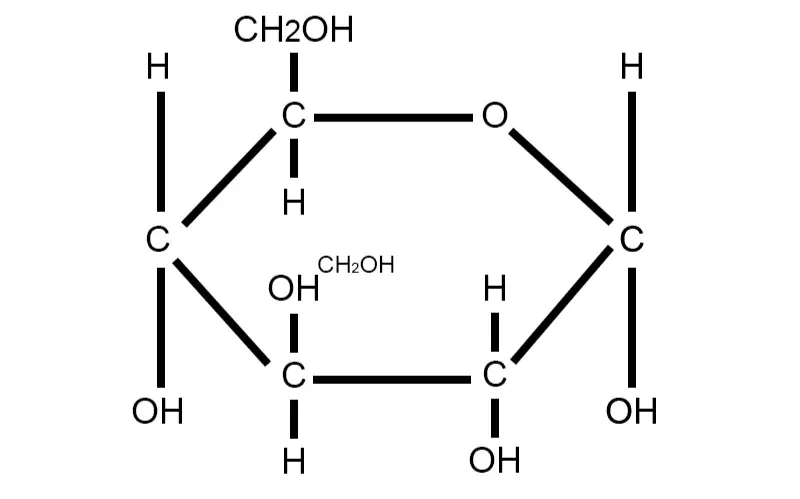
Identify the image
Amino acid
Nucleotide
Lipid
Glucose
What type of bond is a glycosidic linkage?
Covalent bond
Hydrogen bond
True of False: A disaccharide is formed when dehydration synthesis joins two monosaccharides
True
False
What type of polysaccharide is starch?
Structural polysaccharide
Storage polysaccharide
Glycogen is a storage polysaccharide found in which organism?
Humans and certain types of animals
Plants
What type of polysaccharide of is cellulose?
Storage polysacchride
Structural polysaccharide
The covalent bonding of two molecules to each other through the loss of water
Hydrolysis
Dehydration synthesis
True or False: Lipids are hydrophilic
True
False

Is this a unsaturated fat or a saturated fat?
Unsaturated Fat
Saturated Fat

Is this a saturated fat or a unsaturated fat?
Unsaturated fat
Saturated fat
Which is NOT an example of an unsaturated fat?
Fish fats
Canola oil
Butter
Olive oil
Which part of a the phospholipid is polar & hydrophilic, and which part is nonpolar & hydrophobic?
Polar, Hydrophilic
Nonpolar, Hydrophobic
True or False: The sex hormones testosterone and estradiol are lipids
True
False
What type of lipid is cholesterol?
Fat
Phospholipid
Steroid
What are the monomers of proteins called
Nucleotides
Amino acids
Monosaccharides
What two functional groups can be found in an amino acid?
Methyl group
Hydroxyl group
Phosphate group
Amino group
Carbonyl group
Amino group
Amino group
Carboxyl group
True or False: The R group/Side chain is the only thing that will vary in an amino acid
True
False
What type of covalent bond hold the amino acids together in a protein?
Glycosidic linkage
Peptide bonds
Phosphodiester linkages
What are the monomers that make up a Nucleic acid?
Monosaccharides
Nucleotides
Amino acids
The polymer of nucleic acids are called
Polysaccharides
Polypeptides
Polynucleotides

Identify the Image
Which macromolecules contains this monomer?
Carbohydrate
Lipid
Nucleic Acid
Lipid
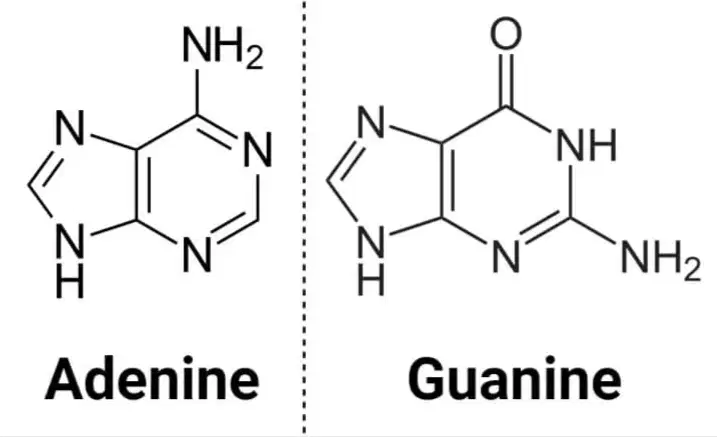
Are these nitrogenous bases pyrimidines or purines?
Purine
Pyrimidine

Are these nitrogenous bases purines or pyrimidines?

Is this pentose sugar deoxyribose or ribose?
The 3' end of the polynucleotide is the end with the free
Phosphate group
Hydroxyl group
The 5' end of the polynucleotide is the end with the free
Phosphate group
Hydroxyl group
The nitrogenous bases in DNA have what type of bond in between them?
Covalent bond
Hydrogen bond
True or False: The sugar-phosphate backbone in DNA run in the same direction.
True
False
Adenine (A) is always with _______. Guanine (G) is always with ________.
(a)
In an ionic bond, after the transfer of the electron what charge does the atom that gains the electron have, and what charge does the one the loses the electron have?
Rank the bonds from strongest to weakest:
Hydrogen bonds, Ionic bonds, Covalent bonds, and Van der Waals
Covalent bonds, Ionic bonds, Hydrogen bonds, and Van der Waals
Ionic bonds, Hydrogen bonds, Covalent bonds, Van der Waals
Ionic bonds, Covalent bonds, Hydrogen bonds, Van der Waals
Hydrogen bonds, Ionic bonds, Van der Waals, Covalent bonds
What type of cell lacks a nucleus and has no membrane bound organelles?
What is the purpose of cholesterol in the plasma membrane?
What is the purpose of the Golgi apparatus
modify, sort, and package proteins and lipids for secretion or delivery to other organelles.
is involved in both protein and lipid synthesis?
Which organelles are not involved in the endomembrane system?
Mitochondria, chloroplasts, peroxisomes
Which nitrogenous base is NOT included in DNA?
What is the sequence of the central dogma?
True or False: RNA is double stranded
Where does the initiation of transcription begin?

