wayground logo

Free Printable Worksheets

Font size

S
M
L
XL
Worksheets

1st Nine Weeks Exam Review Study Guide

Total questions: 103

Worksheet time: 1hrs 12mins

Name
Class
Date
1.

What type of bonding does this picture show?

a)

Ionic

b)

Covalent

2.

What type of bonding does this picture show?

a)

Ionic

b)

Covalent

3.

Valence electrons are shared

a)

Ionic bonds

b)

Covalent bonds

4.

Valence electrons are transferred

a)

Ionic bonds

b)

Covalent bonds

5.

The chemical bond between a non-metal and another non-metal will be a ________ bond.

a)

metal

b)

ionic

c)

covalent

d)

polar

6.

The chemical bond between a metal and a non-metal will be a _____ bond.

a)

metal

b)

ionic

c)

covalent

d)

polar

7.

Carbon and Oxygen will make a ___________ bond.

a)

ionic

b)

covalent

c)

metallic

8.

Sodium and Bromine will make a _____ bond.

a)

ionic

b)

covalent

c)

metallic

9.

MgO

a)

ionic

b)

covalent

c)

metallic

10.

NaCl

a)

ionic

b)

covalent

c)

metallic

11.

CaO

a)

ionic

b)

covalent

c)

metallic

12.

KCl

a)

ionic

b)

covalent

c)

metallic

13.

H2O

a)

ionic

b)

covalent

c)

metallic

14.

C6H12O6

a)

ionic

b)

covalent

c)

metallic

15.

CH4

a)

ionic

b)

covalent

c)

metallic

16.

CO2

a)

ionic

b)

covalent

c)

metallic

17.

NH3

a)

ionic

b)

covalent

c)

metallic

18.

S02

a)

ionic

b)

covalent

c)

metallic

19.

KI

a)

ionic

b)

covalent

c)

metallic

20.

KF

a)

ionic

b)

covalent

c)

metallic

21.
Which of the following properties of water enables it to move from the roots to the leaves of plants?
a)
Water expands as it freezes.
b)
Water is an excellent solvent.
c)
Water exhibits cohesive behavior.
d)
Water moderates temperature.
22.
What property of water allows it to be such a versatile solvent that it is often called the "universal solvent?"
a)
Purity
b)
Polarity and cohesion
c)
High heat capacity
d)
Expansion upon freezing
23.
Large bodies of water do not quickly fluctuate in temperature. Why?
a)
Water is a solvent.
b)
Water has a high heat capacity.
c)
Water acts as a buffer.
d)
Water is non-polar.
24.
Water striders can walk across the surface of calm water. Their feet push the surface of the water down slightly, but they do not break the surface. Why?
a)
The insects are light enough so they do not break the hydrogen bonds holding the water molecules together
b)
The insects actually use their wings to hover slightly above the water’s surface and they only skim it with their feet.
c)
The insect’s feet are non-polar, so they are repelled by the polar water molecules and are pushed away from the water’s surface.
d)
The insects are small enough to see the individual water molecules, so they are able to step carefully from one molecule to the next
25.
What two elements make up water?
a)
Helium and oxygen
b)
Hydrogen and oxygen
c)
helium and carbon
d)
oxygen and carbon
26.
What word describes when water is attracted to other substances?
a)
cohesion
b)
adhesion
c)
capillary action
d)
surface tension
27.
Why can water have no net charge but have slight charges in different parts of the molecule?
a)
The oxygen end is slightly negative and the hydrogen end is slightly positive
b)
The hydrogen end is slightly negative and the oxygen end is slightly positive
c)
The hydrogen and oxygen ends change in polarity
d)
Because it is hydrophobic
28.
Attractions between water molecules are called
a)
Covalent bonds
b)
Ionic bonds
c)
Polar bonds
d)
Hydrogen bonds
29.

The attraction that causes water to form drops is called ________________.

a)
adhesion
b)
capillary action
c)
cohesion
d)
surface tension
30.
Why does ice float?
a)
As water freezes, it expands and its density decreases.
b)
As water freezes, it takes up more hydrogen from the atmosphere, causing it to have a greater buoyancy.
c)
As water freezes, air becomes trapped between the hydrogen bonds of water molecules.
d)
As water freezes, it takes up more oxygen from the atmosphere, causing it to have a greater buoyancy.
31.
Water is polar because...
a)
The unequal sharing of electrons gives the water molecule a slight negative charge near its oxygen atom and a slight positive charge near its hydrogen atoms.
b)
The molecule has two poles, at which the it is colder than other regions of the molecule.
c)
The unequal sharing of electrons gives the water molecule a slight negative charge near its hydrogen atoms and a slight positive charge near its oxygen atom.
d)
The water molecule is neutral.
32.
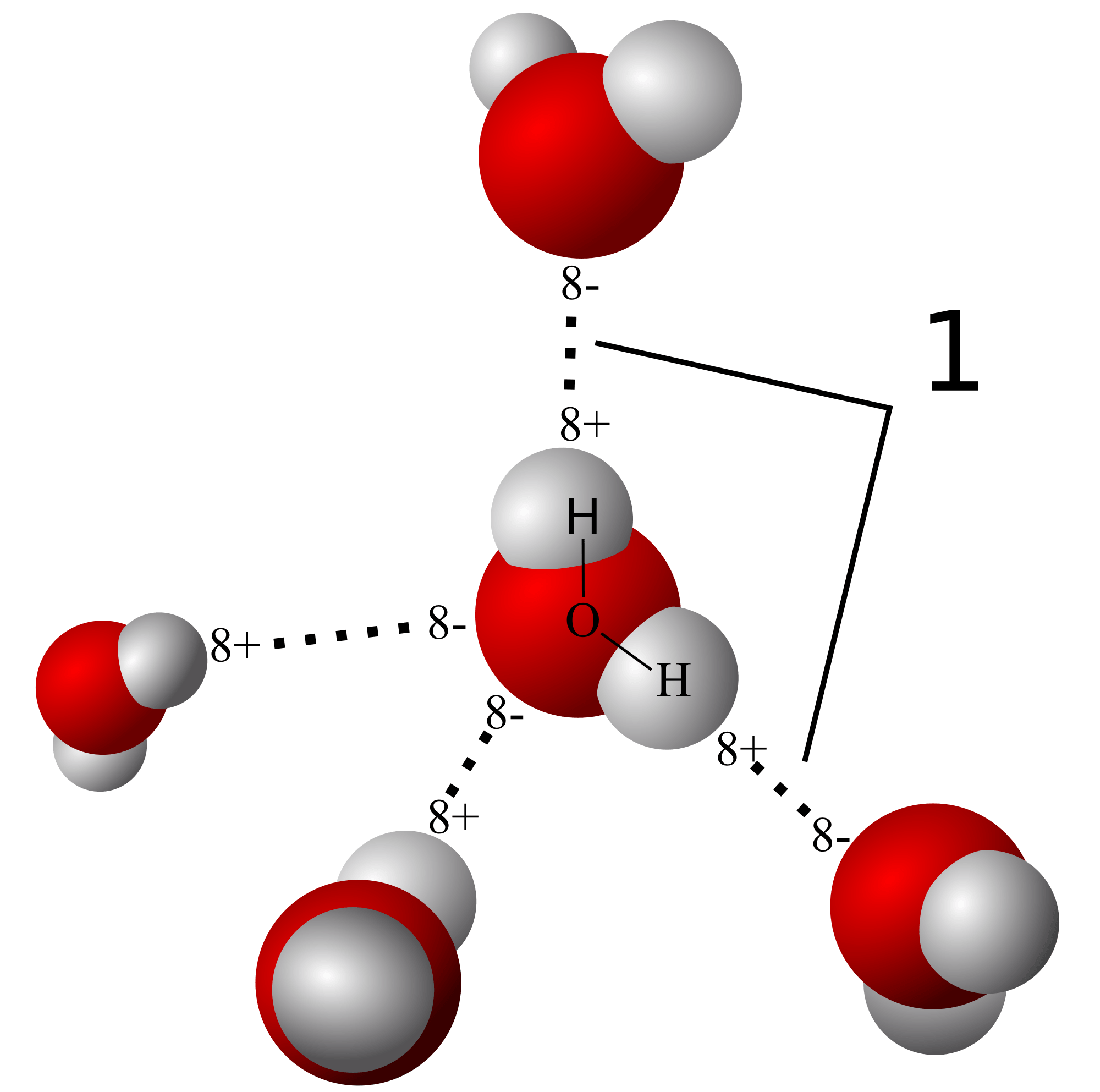
Hydrogen bonding, where the positive ends of water molecules attract the negative ends of other water molecules, cause....
a)
water molecules to repel each other
b)
water molecules to stick together
c)
water molecules to spread out
d)
water molecules to change state easily
33.

If the beaker is filled with water, which of the inks is soluble in water?

a)

A

b)

B

c)

None of the inks are soluble in water.

d)

Both of the inks are soluble in water.

34.

Which explanation BEST describes why water moves up the paper in this experiment?

a)

The specific heat of water is greater than the cohesion between the water molecules.

b)

Adhesion to the paper is higher than the cohesion between the water molecules.

c)

The polarity of water makes the water molecules stick to the ink on the paper.

d)

The water molecules form a tight curve at the surface.

35.

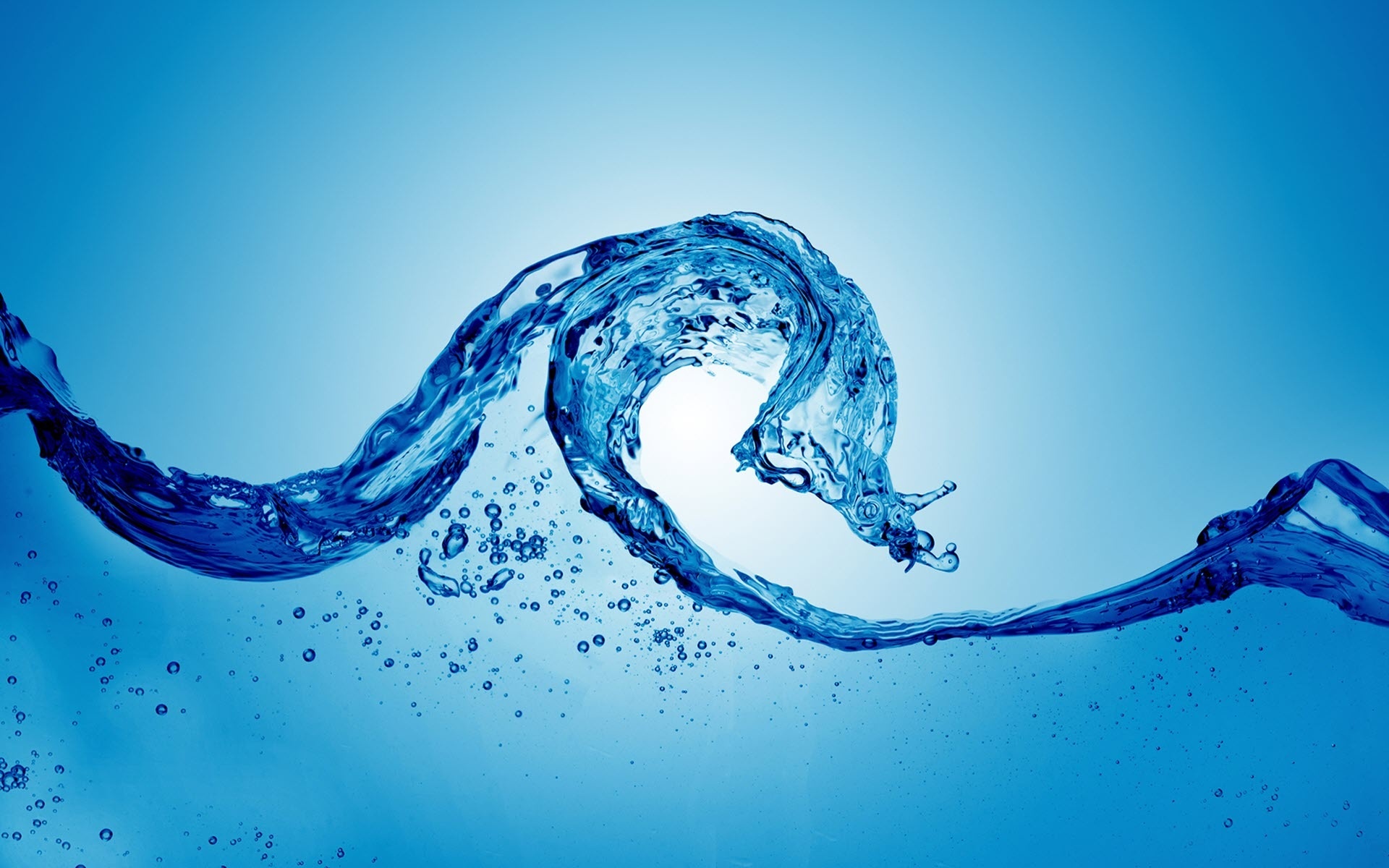
Which property of water is observed in this photograph?

a)

surface tension

b)

high specific heat

c)

cohesion

d)

capillary action

36.

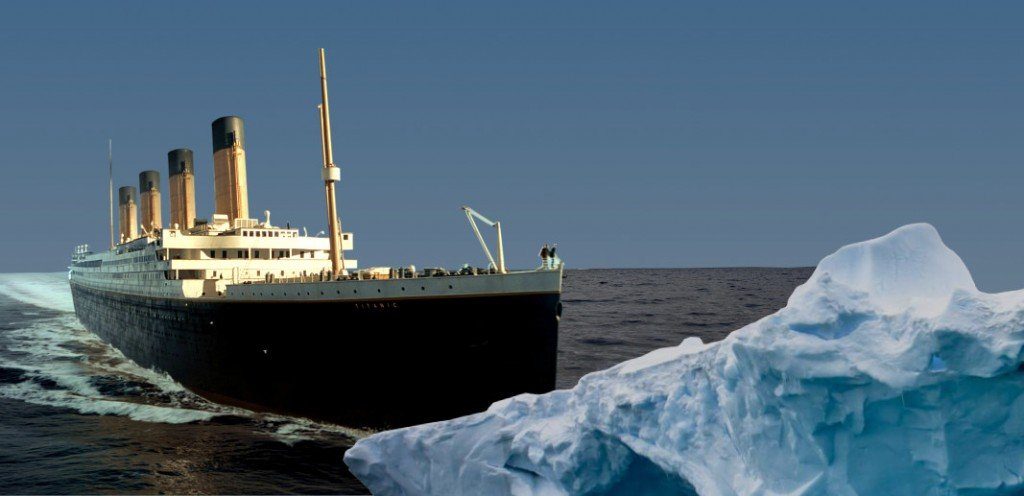
Which property of water is visible in this photo?

a)

surface tension

b)

high specific heat

c)

less dense as solid

d)

capillary action

37.

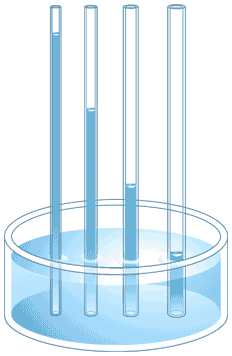
In this photo, water is demonstrating which property?

a)

adhesion

b)

surface tension

c)

high specific heat

d)

capillary action

38.

Adhesion is an attraction between molecules of different substances, true or false?

a)

T

b)

F

39.

Water's ___________gives it the ability to dissolve both ionic compounds and other polar molecules.

a)

Polar Bears

b)

Liquidity

c)

Polarity

d)

Swimability

40.

Sugar is considered to be a ___________ molecule because it will dissolve in water.

a)

polar covalent

b)

ionic

c)

nonpolar covalent

d)

super

41.

Which of the following can water NOT dissolve?

a)

Salt

b)

Sugar

c)

Oil

d)

Baking Soda

42.

Which of the following can water NOT dissolve?

a)

Ionic Compounds

b)

Polar Compounds

c)

Nonpolar Compounds

43.

What is the correct chemical formula for water?

a)

H2O

b)

HO2

c)

H2O2

d)

2H1O

44.

Which of the following is an example of COHESION?

a)

water sticking to water

b)

water sticking to glass

c)

oil sticking to plastic

d)

hydrogen sticking to oxygen

45.

Which of the following is the CORRECT list of water's properties?

Read Carefully!

a)

adhesion, cohesion, high specific heat, universal solvent

b)

adhesion, cohesion, low specific heat, universal solvent

c)

adhesion, no cohesion, low specific heat, universal solute

d)

no adhesion, cohesion, high specific heat, universal solute

46.

You body sweats to help prevent you from overheating. How does water regulate temperature?

a)

it lets heat pass through it

b)

it absorbs a lot of heat, then decreases in temperature

c)

it absorbs a lot of heat, but only increases a little in temperature

d)

heat is afraid of water and avoids it

47.

Water sticks well to many materials. What term relates to this property of water?

a)

cohesion

b)

adhesion

c)

density

d)

surface tension

48.

What is the term for water's ability to defy gravity and climb up a tube?

a)

Capillary Action

b)

Specific Heat

c)

Universal Solvent

d)

Magic

49.

Why does ice float?

a)

water expands when it freezes, making ice less dense than water

b)

water compacts when it freezes, making ice more dense than water

c)

hydrogen bonds in water push the ice to the surface

d)

ice is afraid of water, and avoids it

50.

A water strider can skate along the top of a pond because:

a)

covalent bonds result in water cohesion (surface tension)

b)

hydrogen bonds result in water cohesion (surface tension)

c)

water striders have adapted to take advantage of water cohesion

d)

water striders are afraid of water and avoid it
51.
Which element has a mass number of 93?  
a)
Zirconium
b)
Silicon
c)
Njobium
d)
Antimony
52.
Which element has 82 neutrons?  
a)
gold
b)
cerium
c)
bromine
d)
radium
53.
Which element has 37 protons?  
a)
rubidium
b)
iridium
c)
phosphorus
d)
bismuth
54.
Which element has 15 electrons?  
a)
arsenic
b)
phosphorus
c)
oxygen
d)
nitrogen
55.
Which of the following elements is not one of the most commonly found elements in organisms?  
a)
lithium
b)
carbon
c)
hydrogen
d)
oxygen
56.
True/False   Lead is heavier than francium.  
a)
True
b)
False
57.
Which element has 6 electrons?  
a)
nitrogen
b)
hydrogen
c)
phosphorus
d)
carbon
58.
Which element has 20 protons?  
a)
neon
b)
potassium
c)
calcium
d)
silicon
59.
Which element has 74 neutrons?  
a)
arsenic
b)
tungsten
c)
iodine
d)
silver
60.
Which of the following elements does not need to be ROUNDED UP to find the mass number?  
a)
strontium
b)
argon
c)
silicon
d)
boron
61.
Which of the following elements has an average atomic mass of 69.723?  
a)
nitrogen
b)
gallium
c)
selenium
d)
bromine
62.
Which of the following elements has an average atomic mass of 55.845?  
a)
silver
b)
oxygen
c)
krypton
d)
iron
63.
Which of the following elements has the element symbol Hg?  
a)
halfnium
b)
mercury
c)
tin
d)
sulfur
64.
Which of the following elements has an element symbol of Ag?  
a)
aluminum
b)
actinium
c)
silver
d)
lead
65.
Which element has the smallest average atomic mass?  
a)
helium
b)
lithium
c)
hydrogen
d)
oxygen
66.
What does the word organic mean?
a)
has nitrogen
b)
has sulfur
c)
has carbon
d)
has oxygen
67.
Which of the following is NOT a biomolecule?
a)
Water
b)
Nucleic Acid
c)
Protein
d)
Lipid
68.
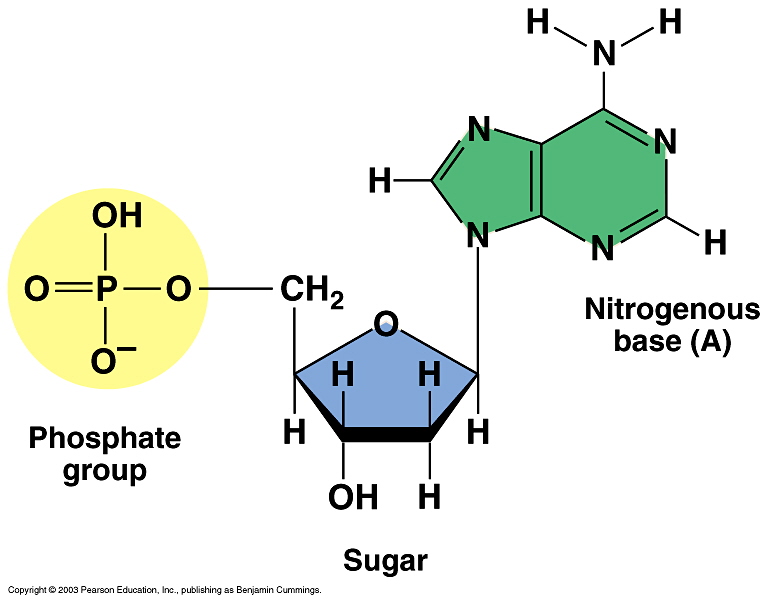
Identify the biomolecule
a)
Carbohydrate
b)
Lipid
c)
Protein
d)
Nucleic Acid
69.
Identify the biomolecule
a)
Lipid
b)
Protein
c)
Carbohydrate
d)
Nucleic Acid
70.
Which biomolecule is the key source of energy?
a)
Lipid
b)
Protein
c)
Carbohydrate
d)
Nucleic Acid
71.
A monomer is ...
a)
a single atom
b)
a building block for polymers
c)
a single element
d)
is an inorganic molecule
72.
What is the monomer for a protein?
a)
Monosaccharide
b)
Triglyceride
c)
Amino Acid
d)
Nucleotide
73.
The more bonds a molecule has, the more....
a)
water is stored
b)
force is stored
c)
energy is stored
d)
oxygen is stored
74.
Identify the biomolecule
a)
Nucleic Acid
b)
Protein
c)
Lipid
d)
Carbohydrate
75.
The process that builds molecules by removing water to bind them together is
a)
Hydrolysis
b)
Protein Synthesis
c)
Dehydration Synthesis
d)
Lysis
76.
Which foods are high in protein?
a)
Meats, cheeses, milk, eggs
b)
Breads, pasta, grains
c)
Butter, oil, lard
d)
Apples, Bananas, Grapes
77.
What is the functions of lipids?
a)
Quick source of energy
b)
Builds muscles, skin, enzymes
c)
Stores genetic information
d)
Stores energy, insulation, protection
78.
Which of the following is an example of a nucleic acid?
a)
Glucose
b)
Phospholipid
c)
Enzymes
d)
DNA
79.
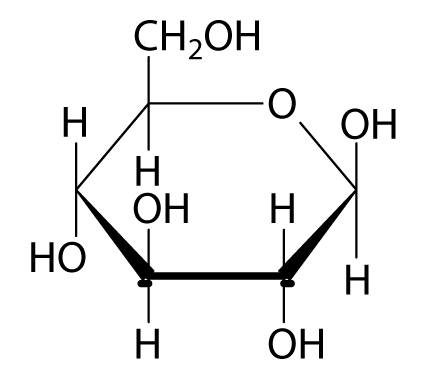
Identify the biomolecule
a)
monosaccharide
b)
disaccharide
c)
polysaccharide
d)
glycogen
80.
Identify the biomolecule
a)
Protein
b)
Lipid
c)
Carbohydrate
d)
Nucleic Acid
81.
Which foods are a good energy source?
a)
Meats, Yogurt, Cheese
b)
Ice Cream, Candy, Cookies
c)
Fruits, Vegetables, Whole Grains
d)
Butter, Lard, Oil
82.
What is the function of a nucleic acid?
a)
Stores genetic information
b)
Stores energy
c)
Quick source of energy
d)
Builds structures
83.
The chemical reaction that breaks down a molecule by adding water is
a)
Dehydration Synthesis
b)
Hydrophobia
c)
Hydrolysis
d)
Dehydration
84.
This biomolecule would be used for
a)
Building enzymes
b)
Storing energy
c)
Key source of energy
d)
Storing genetic information
85.
Lipids are made of
a)
monosaccharides
b)
amino acids
c)
glycerol and 3 fatty acids
d)
nucleotides
86.
Nucleotides are monomer for
a)
Nucleic Acids
b)
Proteins
c)
Carbohydrates
d)
Lipids
87.
Which examples are a sources of energy?
a)
Starch, cellulose, glycogen
b)
Valine, Histidine, Cysteine
c)
DNA, RNA
d)
Unsaturated and Saturated Fats
88.
Connects monomers to form a polymer
a)
Dehydration synthesis
b)
hydrolysis
89.
Produces water as a by-product
a)
Dehydration synthesis
b)
Hydolysis
90.
Breaks up polymers, forming monomers
a)
dehydration synthesis
b)
hydrolysis
91.
Water is used to break bonds between polymers
a)
dehydration synthesis
b)
Hydrolysis
92.
Joins amino acids to form a protein
a)
Dehydration synthesis
b)
hydrolysis
93.
Occurs when polysaccharides are digested to form monosaccharides
a)
Dehydration synthesis
b)
hydrolysis
94.
Nucleic Acids breaks up to form nucleotides
a)
Dehydration synthesis
b)
Hydrolysis
95.
The process of removing water in order to form a bond between monomers is called....
a)
Dehydration Synthesis
b)
Hydrolysis
96.
The following figure is illustrating
a)
Dehydration Synthesis
b)
Hydrolysis
97.
The following figure is illustrating
a)
Dehydration Synthesis
b)
Hydrolysis
98.
The following figure is illustrating
a)
Dehydration Synthesis
b)
Hydrolysis
99.
The following figure is illustrating
a)
Dehydration Synthesis
b)
Hydrolysis
100.

What is the primary function of carbohydrates in the body?

a)

Energy storage

b)

Insulation and protection

c)

Building muscles and skin

d)

Storing genetic information

101.

Which of the following is a type of protein?

a)

Enzyme

b)

Glycerol

c)

Nucleotide

d)

Monosaccharide

102.

What is the process of forming a polymer from monomers called?

a)

Dehydration Synthesis

b)

Hydrolysis

c)

Polymerization

d)

Monomerization

103.

Which biomolecule is responsible for storing and transmitting genetic information?

a)

Protein

b)

Lipid

c)

Carbohydrate

d)

Nucleic Acid