
 Worksheets
Scientific Lab Practices Test Review
Total questions: 88
Worksheet time: 2hrs 12mins
What is a hypothesis?
A hypothesis is a conclusion drawn from a single observation.
A hypothesis is a random guess with no basis in evidence.
A hypothesis is a proposed explanation or prediction that can be tested through experimentation or observation.
A hypothesis is a proven fact that does not require any testing.
What is the purpose of a conclusion in a scientific experiment?
To summarize findings and determine if the hypothesis was supported or rejected.
To provide a detailed explanation of the experimental procedure.
To propose new hypotheses for future experiments.
To present additional data that was not included in the results.
What is a control group in an experiment?
A control group is a group that is not exposed to the independent variable being tested.
A control group is a group that is exposed to the independent variable being tested.
A control group is a group that is exposed to all variables being tested.
A control group is a group that is not exposed to any variable being tested.
What are variables in the scientific method?
Factors that can be changed or manipulated in an experiment to test their effect on the outcome.
Factors that are only used in qualitative research.
Factors that are not relevant to the experiment.
Factors that cannot be changed or manipulated in an experiment.
What is the importance of experimental design in scientific research?
Experimental design is important in scientific research because it helps ensure reliable and valid results.
Experimental design is not important in scientific research.
Experimental design only applies to certain types of scientific research.
Experimental design is only important for experienced scientists.
Which step of the scientific method involves making predictions based on the hypothesis?
Prediction
Observation
Experimentation
Conclusion
What is the difference between independent and dependent variables?
The independent variable is the outcome of the experiment, while the dependent variable is the cause.
The independent variable is manipulated by the researcher, while the dependent variable is measured or observed and is affected by the independent variable.
The dependent variable is manipulated by the researcher, while the independent variable is measured or observed and is affected by the dependent variable.
The dependent variable is controlled by the researcher, while the independent variable is influenced by external factors.
Why is it important to have a control group in an experiment?
To increase the sample size and improve the statistical significance.
To ensure that the experiment is fair and unbiased.
To make the experiment more interesting and engaging for participants.
To provide a baseline for comparison and determine the effects of the treatment.
What is the difference between qualitative and quantitative research?
Qualitative research focuses on numerical data, while quantitative research focuses on descriptive data.
Qualitative research is based on observations and interviews, while quantitative research is based on statistical analysis.
Qualitative research is more objective, while quantitative research is more subjective.
Qualitative research is used for experiments, while quantitative research is used for surveys.
What is the purpose of a hypothesis in a scientific experiment?
To summarize findings and determine if the conclusion was supported or rejected.
To provide a detailed explanation of the experimental procedure.
To propose new hypotheses for future experiments.
To present additional data that was not included in the results.
Which step of the scientific method involves analyzing the data collected during the experiment?
Observation
Analysis
Experimentation
Conclusion
What is the significance of peer review in scientific research?
Peer review helps ensure the quality and validity of research findings.
Peer review is not important in scientific research.
Peer review only applies to certain types of scientific research.
Peer review is only important for experienced scientists.
What is an experimental group in an experiment?
An experimental group is a group that is not exposed to the independent variable being tested.
An experimental group is a group that is exposed to the independent variable being tested.
An experimental group is a group that is exposed to all variables being tested.
An experimental group is a group that is not exposed to any variable being tested.
How many significant figures does this measurement have?
9.340 kg
(a)
Round 1.00059832 to 4 significant figures.
(a)
Round 890.6319 to 3 significant figures.
(a)
Round 0.0529 to 1 significant figure.
(a)
Round 0.0529 to 1 significant figure.
(a)
How many significant figures does this measurement have?
75,000.0 mm
(a)
How many significant figures does this measurement have?
0.00903 hm
(a)
How many significant figures does this measurement have?
250 m
(a)
What is an independent variable?
the variable that changes because another variable changes
independent variables are only found on pie charts.
a variable most often found on the y-axis
the variable the experimenter manipulates or has control over
The variable that is measured throughout the experiment is the ________________
Hint: What you are testing and change as a result of your testing.
Controlled Variable
Responsive Variable
Dependent Variable
Independent Variable
What do we put at the top of a graph?
X axis
data table
title
nothing


What would the INDEPENDENT variable be in an experiment testing which paper airplane design goes the furthest when thrown?
the paper used
the paper airplane design
the distance of each plane's flight
how hard the plane is thrown
What would the DEPENDENT variable be in an experiment testing which paper airplane design goes the furthest when thrown?
the paper used
the paper airplane design
the distance of each plane's flight
how hard the plane is thrown
What would the CONTROL variable be in an experiment testing which paper airplane design goes the furthest when thrown?
the paper used
the paper airplane design
the distance of each plane's flight
how time it takes to lang
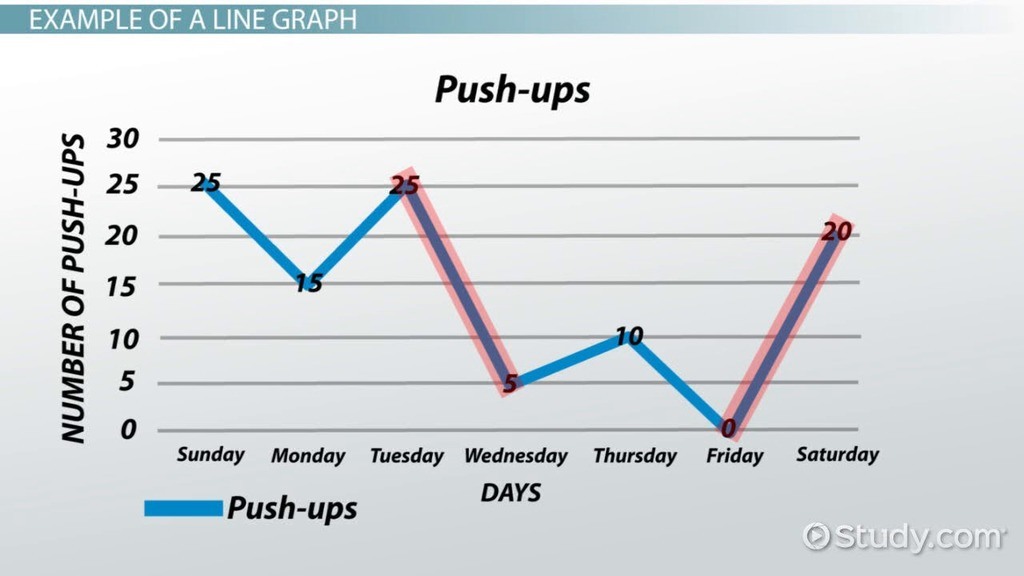
What type of graph shows change over time?


Describe the trend shown in the graph.
As the volume decreases, the mass stays the same.
As the mass decreases, the volume increases.
As the volume increases, the mass increases.
As the mass increases, the volume stays the same.

What conclusions can you draw from this graph?
The deer population went down over time.
The deer population went up over time.
The deer population went up quickly, then down, but then stayed the same.
There are less deer because of hunters
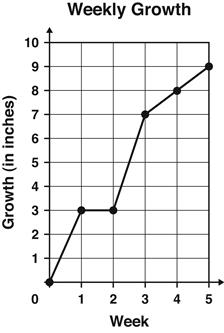
The graph shows the number of inches a plant grew each week.
Between which 2 weeks did the plant grow the MOST?
Week 1 and Week 2
Week 2 and Week 3
Week 3 and Week 4
Week 4 and Week 5


the pie chart shows the different types of vehicles involved in road accidents in a city last years.
which type of vehicles had the highest number of road accidents last year?
Motorcycle
Cars
Good Vehicles
Buses


What is used to measure, heat, and mix large amounts of liquids?
beaker
flask
test tube
graduated cylinder

Which equipment heats objects with an open flame?
hot plate
thermometer
bunsen burner
beaker

This is used to pour lab materials into an object with a small opening
scoop
funnel
bunsen burner
goggles

This is used to clean test tubes
test tube brush
ruler
forceps
test tube

stopper
forceps
tripod stand
test tube holder

funnel
test tube
balance
forceps

hat rack
scale
thingamabob
test tube rack

A bowl and club used for grinding
erlenmyer flask
test tube
mortar and pestle
petri dish

Used to find the mass of an object
meter stick
digital scale
petri dish
triple beam balance

Used on a scale to protect the scale from chemicals
weigh boat
plastic cup
paper plate
battle bus
What is a claim?
Answers a question or problem
long and detailed paragraph
Explains why something happened
What is evidence ?
Answers a question
Anything you see, hear or read or experience that causes you to believe something is true.
Long and detailed paragraph
What is reasoning?
Answers a question
Explaining how evidence supports a claim
Used to prove something true or false
What is an example of a claim?
Mrs. Bailey likes Star Wars
In the fall, because of changes in the length of daylight and changes in temperature, the leaves stop their food-making process.
The data shows that when leaves are taken away from sunlight, they change colors.
Peanut butter is a terrific snack.
Claim
Evidence
Evidence is your __________________
Proof
Question
Reasoning
Reasoning shows ______________ and _______________
Questions and problems
How and why
Evidence and reasoning
An author's statement that can be argued and proven with evidence is ______
claim
evidence
reasoning
theme
The sentence that explains how or why the evidence supports a claim is ______
claim
evidence
reasoning
theme
A reader MUST agree with the authors claim to be able to identify it in a text.
TRUE
FALSE
What is a claim?
Answers a question or problem
long and detailed paragraph
Explains why something happened
What does CER stand for?
Create Evaluate Respond
Consider Evidence Relevant
Claim Evidence Reasoning
Cause Examine Real-life

