wayground logo

Free Printable Worksheets

Font size

S
M
L
XL
Worksheets

Final Science Q1_Gr 5

Total questions: 143

Worksheet time: 3hrs 48mins

Name
Class
Date
1.

science equipment equipped with three beams used for measuring mass

a)
b)
c)
d)
2.
What are these?
a)
flasks
b)
test tubes
c)
beakers
d)
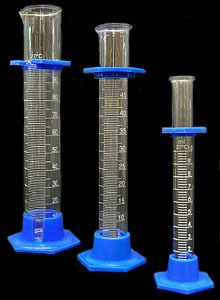
graduated cylinders
3.
What are these?
a)
flasks
b)
test tubes
c)
graduated cylinders
d)
beakers
4.
What is this?
a)
striker
b)
eye dropper
c)
tongs
d)
goggles
5.
Identify the equipment shown here:
a)
graduated cylinder
b)
Erlenmeyer flask
c)
beaker
d)
volumetric flask
6.
Name the tool pictured
a)
Pipette
b)
Eye dropper
c)
Tqeezer
d)
Forceps
7.
a)
smock
b)
apron
c)
cover up
d)
goggles
8.
a)
hot plate
b)
electronic balance
c)
bunsen burner
d)
scales
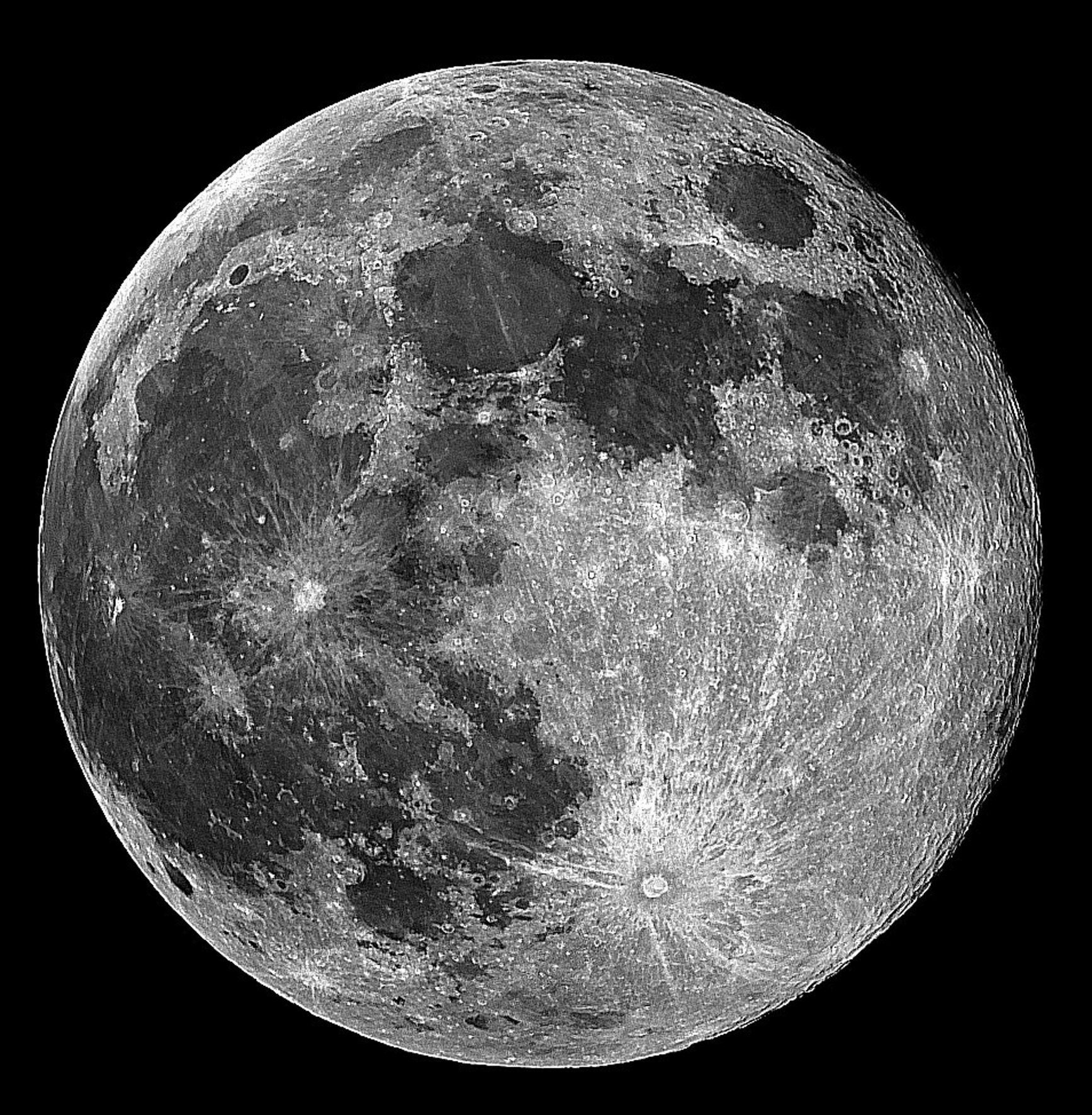
9.
This piece of lab equipment is called a ______________.
a)
test tube
b)
meter stick
c)
scale
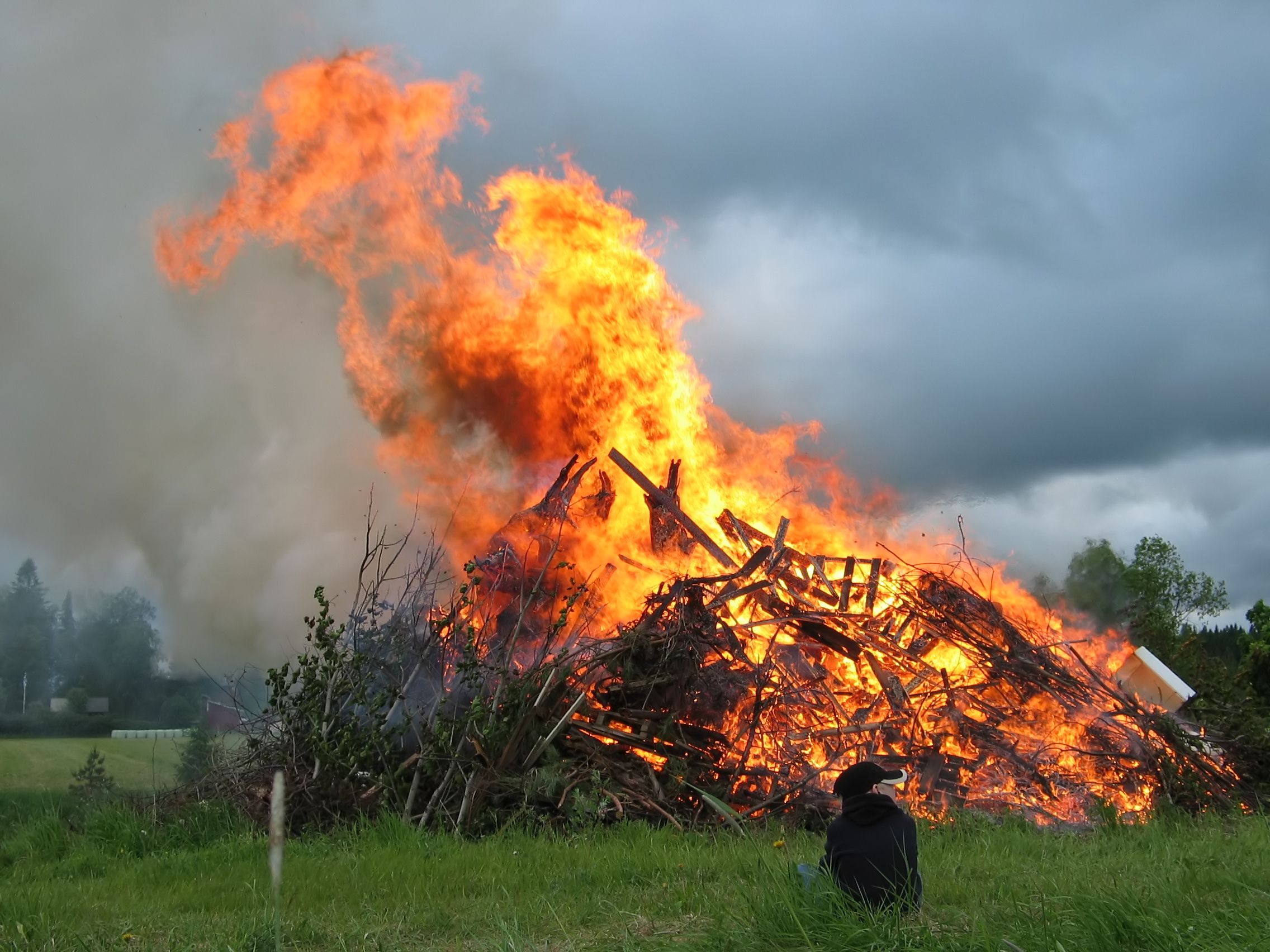
d)
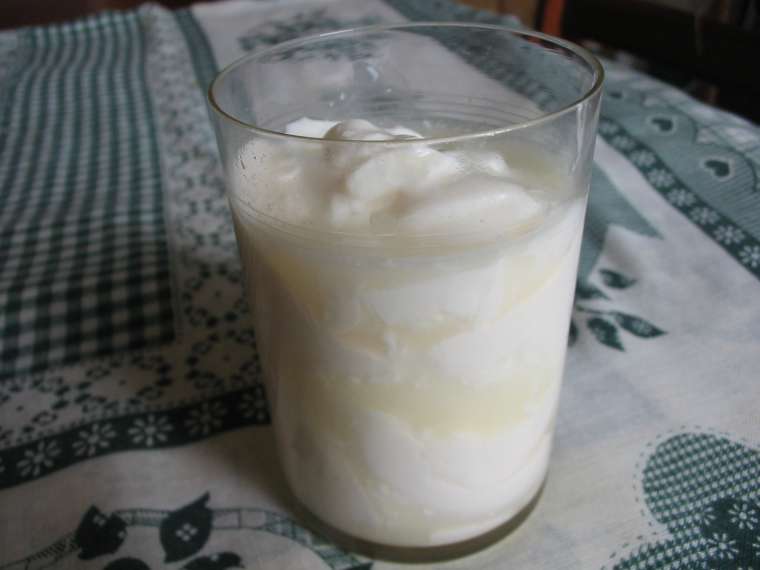
thermometer
10.
The _______________ measures temperature.
a)
triple beam balance
b)
spring scale
c)
graduated cylinder
d)
thermometer
11.
What is measured with a graduated cylinder?
a)
Passage of time
b)
Distance from one thing to another
c)
Weight of an object
d)
Volume of liquid
12.
The _________________ is used to measure length in centimeters.
a)
meter stick
b)
thermometer
c)
spring scale
d)
triple beam balance
13.
What is special about graduated cylinders?
a)
They hold large quantities of liquid safely
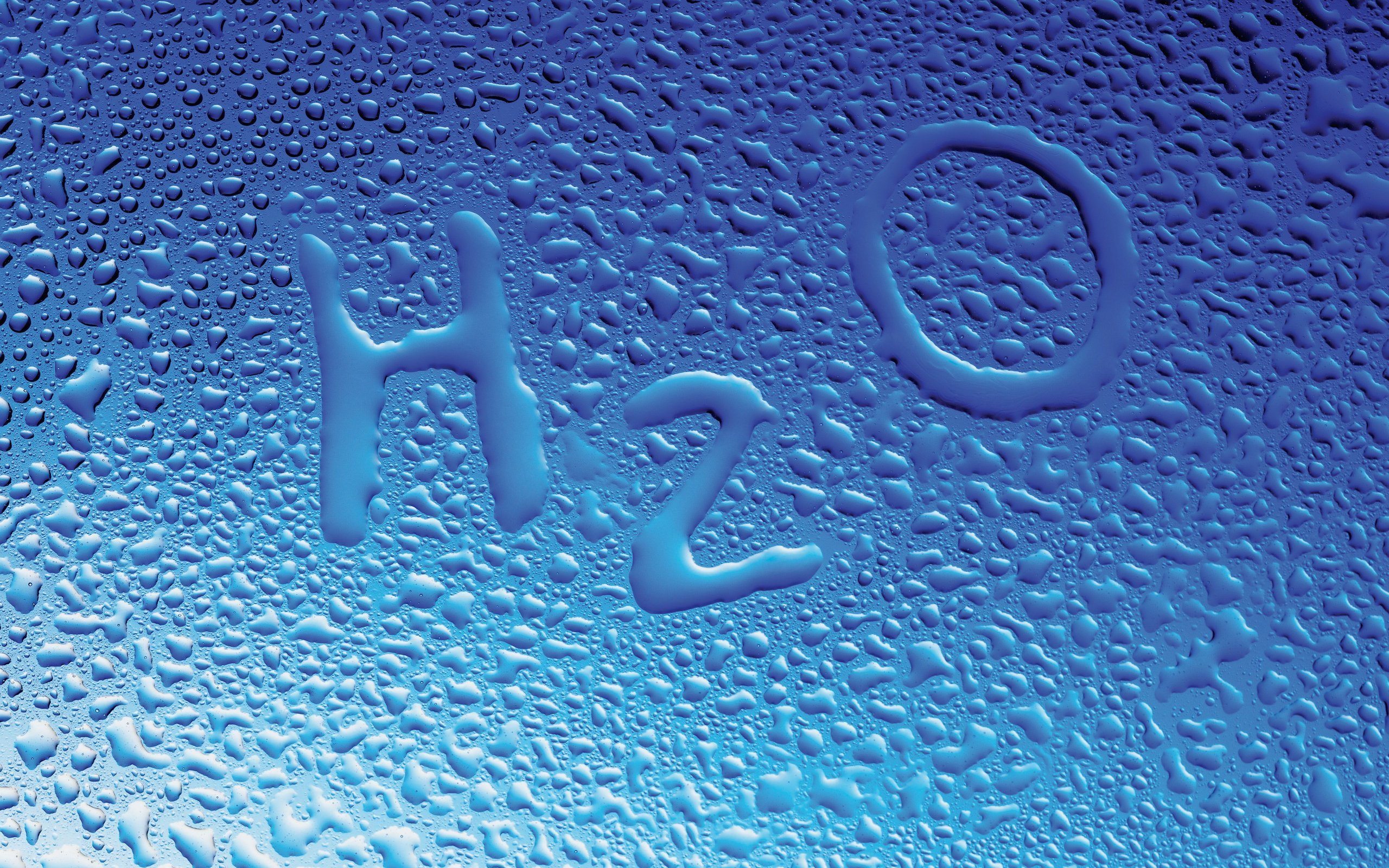
b)
They measure small amounts very accurately. We use them when precision is important.
c)
They allow us to examine the liquid, we use them when looking for suspended solids.
d)
They are easily heated. We use graduated cylinders to heat liquids
14.
What is used to protect your eyes from chemicals, broken glass, and fire?
a)
Fire blanket
b)
Eye wash
c)
Goggles
d)
Flask
15.
Identify this piece of equipment.
a)
magnifying glass
b)
coverslip
c)
slide
d)
microscope
16.
What is used to measure time?
a)
Stopwatch/timer
b)
Thermometer
c)
Meter stick
d)
Test tube clamp
17.
What is this item? 
a)
Petri Dish
b)
Forceps
c)
Graduated Cylinder
d)
Test Tube
18.
These items are used to protect your hands.
a)
Safety glasses
b)
Safety gloves
c)
Safety net
d)
Safety beakers
19.
Name this item. 
a)
Telescope
b)
Thermometer
c)
Eye Wash
d)
Pipette Pump
20.
What is used to measure time?
a)
Stopwatch/timer
b)
Thermometer
c)
Meter stick
d)
Test tube clamp
21.
Name this object
a)
test tube rack
b)
test tube holder
c)
wire holder
d)
utility clamp
22.
What tool is used to measure weight or force?
a)
spring scale
b)
balance
c)
hand lens
d)
tape measure
23.
Name the tool.
a)
spring scale
b)
hand lens
c)
graduated cylinder
d)
ruler
24.
Name the tool.
a)
balance
b)
spring scale
c)
thermometer
d)
hand lens
25.
What does a meter stick measure in?
a)
yards
b)
centimeters
c)
feet
d)
inches
26.

A tool which can help see tiny objects and living organisms making them look bigger.

a)

Kaleidoscope

b)

Microscope

c)

Periscope

d)

Telescope

27.

He made the very first microscope.

a)

Marcello Malpighi

b)

Antonie Van Leeuwenhoek

c)

Robert Hooke

d)

Zacharias Janssen

28.

Part of the compound microscope that the specimen in focus appears larger.

a)

Mechanical Parts

b)

Illuminating Parts

c)

Magnifying Parts

d)

Powerful Parts

29.

Holds the glass slide in place.

a)

eyepiece 

b)

stage

c)

stage clips

d)

base

30.

He made the first observations of single-celled organisms

a)

Marcello Malpighi

b)

Antonie Van Leeuwenhoek

c)

Robert Hooke

d)

Zacharias Janssen

31.

Allows the movement of the tube and LPO upwards or downwards.

a)

aperture

b)

bodytube

c)

coarse adjustment knob

d)

fine adjustment knob

32.

It is where the mounted slide is placed.

a)

eyepiece 

b)

stage

c)

stage clips

d)

base

33.

Part of the compound microscope that is used to support and adjust other parts.

a)

Mechanical Parts

b)

Illuminating Parts

c)

Magnifying Parts

d)

Powerful Parts

34.

Magnifies the object being viewed.

a)

diaphragm

b)

draw tube

c)

objectives

d)

stage

35.

He created powerful lenses that could see bacteria in a drop of water.

a)

Albert Einstein

b)

Anton van Leeuwenhoek

c)

Marcello Marphigi

d)

Robert Hooke

36.

Revolves and carries different objectives.

a)

arm

b)

base

c)

revolving nosepiece

d)

pillar

37.

Which two parts of the light microscope magnify the image of an object?

a)

eyepiece and mirror

b)

eyepiece and objective

c)

objectives and mirror

d)

objectives and diaphragm

38.

It is the lens through which you look through.

a)

eyepiece

b)

base

c)

revolving nosepiece

d)

stage condenser

39.

Part of the microscope which supplies light and regulate light towards the focus specimen.

a)

Mechanical Parts

b)

Illuminating Parts

c)

Magnifying Parts

d)

Powerful Parts

40.

Controls the amount of light.

a)

base

b)

diaphragm

c)

revolving nosepiece

d)

stage condenser

41.

He is known as the father of microscopic anatomy who discovered taste buds and red blood cells. He used microscope to see capillaries.

a)

Marcello Malpighi

b)

Antonie Van Leeuwenhoek

c)

Robert Hooke

d)

Zacharias Janssen

42.

What is the function of the mirror?

a)

It reflects light up the microscope.

b)

It captures light from the wall

c)

It refracts light.

d)

It bends light.

43.

If your teacher asks you to move a microscope to table, how do you carry it?

a)

I will carry the microscope with 2 hands, left supporting the base, and right hand grasping the arm firmly.

b)

I will carry the microscope with 1 hand.

c)

I will carry the microscope with 2 hands, right supporting the base, and left hand grasping the arm firmly.

d)

I will carry the microscope with 2 hands, right supporting the arm, and left hand grasping the bodytube firmly.

44.

What will be the total magnification if the eyepiece lens is 10X and the objective lens is 40X?

a)

4x

b)

40x

c)

400x

d)

4000x

45.

Which objective lens should you start on to locate an image?

a)

Scanner

b)

Low Power Objective (LPO)

c)

High Power Objective (HPO)

d)

Oil Immersion Objective (OIO)

46.
What is the last part of the scientific method where you tell if your hypothesis is correct or not?
a)
question
b)
hypothesis
c)
conclusion
d)
variable
47.
What is the second step in the scientific method that is a prediction about what you think will happen in the experiment?
a)
question
b)
hypothesis
c)
conclusion
d)
operational definition
48.
What do you call an observation that uses numbers?
a)
quantitative
b)
qualitative
c)
inference
d)
control
49.
What is an explanation or an interpretation of an observation?
a)
conclusion
b)
inference
c)
hypothesis
d)
problem
50.
What shows how a particular variable is going to be measured?
a)
quantitative observation
b)
qualitative observation
c)
control group
d)
operational definition
51.
What do you call the step by step plan for an experiment?
a)
the question
b)
the hypothesis
c)
the procedure
d)
the control
52.
What is the variable that  you change in an experiment? (also called the manipulated variable)
a)
independent variable
b)
dependent variable
c)
controlled variable
53.
What is the standard to which the outcome of an experiment is compared?
a)
the hypothesis
b)
the conclusion
c)
the control
d)
the inference
54.
What variable is the difference in the results of the experiment? (also called the responding variable)
a)
independent variable
b)
controlled variable
c)
dependent variable
55.
How many variables should you test at a time in an experiment?
a)
one
b)
two
c)
three
d)
four
56.
What is an observation made using only the five senses?
a)
an inference
b)
a question
c)
a quantitative observation
d)
a qualitative observation
57.
What is the first step in the scientific method?
a)
Make a prediction
b)
Ask a question
c)
Make a conclusion
d)
Gather data
58.
What do you call the variables that you keep the same in an experiment?
a)
responding variables
b)
manipulated variables
c)
controlled variables
59.
What is the term for information that we obtain through our senses or by using scientific tools or measurements?
a)
inference
b)
observation
c)
question
d)
controls
60.
You look up at the sky and the sky is blue.  This is an
a)
observation
b)
inference
61.
A boy sitting next to you has tears in his eyes so you think he is sad because he forgot his homework.  This is an
a)
observation
b)
inference
62.
A girl is lying on the side of the road and there is a bicycle near her so you think she fell off her bike.  This is an
a)
observation
b)
inference
63.
Last week we heard a loud sound in the hallway.  This was an
a)
observation
b)
inference
64.
There are 20 students in this class.  This is a(n)
a)
inference
b)
qualitative observation
c)
quantitative observation
d)
hypothesis
65.
The sky looks cloudy outside.  This is a
a)
Qualitative observation
b)
Quantitative observation
c)
inference
66.

Which of the following are considered residual non-biodegradable waste?

a)

fruits and vegetable scraps

b)

bottle, aluminum, paper

c)

ceramics, worn-out rags, disposable diapers

d)

stoves, refrigerators, washing machines

67.

Which is NOT a method of waste management?

a)

Reducing and reusing

b)

Waste disposal

c)

Waste storage

d)

Burning trash

68.

Which of the non-biodegradable wastes are residuals?

a)

aluminum

b)

candy wrappers

c)

hard plastics

d)

bottles

69.

Which of the following biodegradable wastes are kitchen wastes?

a)

hard shells (nut shells)

b)

fish/fowl

c)

fruit scraps

d)

seeds

70.

Waste that naturally breaks down or decomposes in a reasonable amount of time by the action of decomposers and microorganisms.

a)

Biodegradable Waste

b)

Non-biodegradable Waste

c)

Hazardous Waste

71.

Type of wastes that are dangerous or potentially harmful to the health of the people and to the environment.

a)

Biodegradable Waste

b)

Non-biodegradable Waste

c)

Hazardous Waste

72.

Waste that cannot be broken down into their base compound by microorganisms in a reasonable amount of time.

a)

Biodegradable Waste

b)

Non-biodegradable Waste

c)

Hazardous Waste

73.

Which of the following describes a safe community?

a)

There is peace and order in the community.

b)

There is good waste and garbage disposal system.

c)

The members of the community treat each other fairly.

d)

The air and water supply of the community are clean.

74.

Which is the process of turning used or waste materials into new, useful products?

a)

composting

b)

recycling

c)

reducing

d)

reusing

75.

Which non-biodegradable wastes are recyclables?

a)

cartoons

b)

used/worn-out rags

c)

styrofoam

d)

soiled tissue paper

76.
The amount of space something takes up.
a)
matter
b)
mass
c)
volume
d)
element
77.
Anything that has mass and takes up space.
a)
volume
b)
matter
c)
solid
d)
temperature
78.
The measure of the energy of motion in the particles of matter, which we feel as how hot or cold something is.
a)
matter
b)
gas
c)
temperature
d)
atomic theory
79.
The state of matter in which a substance has a definite volume but no definite shape.
a)
gas
b)
liquid
c)
solid
d)
matter
80.
The state of matter in which a substance does not have a definite shape or volume.
a)
element
b)
compound
c)
gas
d)
liquid
81.
The process in which new substances are formed during  a chemical change.
a)
reaction
b)
solution
c)
matter
d)
volume
82.

The particles in a solid are...

a)

loose and have high energy

b)

tightly packed and have very little energy

c)

move freely and have lots of energy

d)

I dont know Ms. Turner, I didnt take notes

83.

The particles in a gas are...

a)

loose and have high energy

b)

tightly packed and have very little energy

c)

move freely and have lots of energy

d)

I dont know Ms. Turner, I didnt take notes

84.
How is density calculated? 
a)
volume divided by mass
b)
mass divided by volume
c)
putting the object on a scale
d)
melting the object
85.
Jack has a rock. The rock has a mass of 14g and a volume of 2cm3. What is the density of the rock?
a)
7 mL
b)
7 g/cm3
c)
28 g/cm3
d)
1/7 g/cm3
86.
The density of this material is 2 g/cm3.
There are 24 cm3  Find the total mass.
a)
12 grams
b)
48 grams
c)
12 g/cm3
d)
48 g/cm3
87.
What is the volume of the fish?
a)
18.0 cm3
b)
6.0 cm
c)
38.0 cm3
88.
Why would you weigh less on the moon compared to Earth?
a)
less air
b)
less sunlight
c)
more gravitational pull
d)
less gravitational pull
89.
If Earth's mass was cut in half, what would happen to your mass?
a)
increase because gravitational force increases
b)
decrease because gravitational force decreases
c)
decrease because gravitational force increases
d)
nothing, mass is not affected by gravitational force
90.
Sal is studying the solar system. He makes a physical model using different-sized foam balls to represent the planets. Which best describes why a physical model is a useful tool for studying the solar system?
a)
Solar system models can be used to study a system that is too big to study directly.
b)
A model of the solar system eliminates the need for scientists to study the solar system directly.
c)
A model of the solar system provides an exact replica of the actual solar system, so scientists can experience what each planet is like.
d)
A model of the solar system can provide more data about the solar system than direct observations.
91.
SOLUBILITY is when a substance....
a)
Has the ability to melt
b)
Has the ability to disappear 
c)
Has the ability to sink
d)
Has the ability to dissolve in water
92.
_________________________ is a measure of the average kinetic energy of the particles in a material.
a)
thermal
b)
friction
c)
temperature
d)
expansion
93.
An inflated balloon is placed in a refrigerator. Which statement describes the movement of the gas particles in the balloon?
a)
The particles move more slowly and become closer together.
b)
The particles move more slowly and become further apart.
c)
The particles move faster and become closer together.
d)
The particles move faster and become further apart. 
94.

What physical property do rocks, tinfoil and copper all have in common?

a)

State of matter

b)

Conductivity

c)

Density

d)

Malleability

95.

Someone added a powder chemical to a solution and started mixing it, after several minutes the person couldn’t see the particles of the powder in the solution. If the professor asked the person to classify this powder, how will the person classify it?

a)

Insoluble

b)

Soluble

c)

Aqueous

d)

Diluted

96.
Is wood burning a physical or chemical change?
a)
Physical 
b)
Chemical
97.
Is milk going sour a physical or chemical change?
a)
Physical 
b)
Chemical
98.
Is Gatorade powder dissolving in water physical or chemical change?
a)
Physical 
b)
Chemical
99.
Is mold growing on cheese a physical or chemical change?
a)
Physical 
b)
Chemical
100.
Is making orange juice a physical or chemical change?
a)
Physical 
b)
Chemical
101.
Is sharpening a pencil a physical or chemical change?
a)
Physical 
b)
Chemical
102.
Is copper tarnishing a physical or chemical change?
a)
Physical 
b)
Chemical
103.
Is the formation of the grand canyon a physical or chemical change?
a)
Physical 
b)
Chemical
104.
Which of the following IS a clue that a chemical change has occurred? 
a)
State of matter change
b)
Size Change
c)
Change in temperature
d)
Shape change
105.

Which of the following is not a clue that a chemical reaction has taken place?

a)

Changing size

b)

Changing color

c)

A gas being formed

d)

Formation of a precipitate

106.
A solid piece of chocolate is melted and changed to liquid form. Which property of the piece of chocolate will remain the same?
a)
Texture
b)
Temperature
c)
Shape
d)
 Mass
107.
Freezing Juice?
a)
Physical Change
b)
Chemical Change
108.
Fizzing, foaming, and burning are all examples of
a)
Chemical change
b)
Physical change
109.
Photosynthesis is an example of a
a)
physical change
b)
chemical change
110.
Dissolving sugar in water is an example of a 
a)
physical change
b)
chemical change
111.
Which is a physical change?
a)
melting ice
b)
burning wood
c)
rotting food
d)
rusting iron
112.
Which is a physical change?
a)
digesting food
b)
burning natural gas
c)
exploding firework
d)
chopping onions
113.
Which is a chemical change?
a)
freezing fruit juice
b)
slicing a potato
c)
boiling water
d)
copper metal turning green
114.
Which of the following describes a precipitate?
a)
a liquid forms when a block of metal is heated
b)
a solid forms when one liquid is poured into another
c)
a gas forms when a solid is placed in a liquid
d)
bubbles form when an acid is poured on a rock
115.
Exploding Fireworks?
a)
Physical Change 
b)
Chemical Change 
116.

Which of the following will rust when it is wet?

a)

a ball

b)

a nail

c)

a paper

d)

a pencil

117.

What happens to chopped potatoes when exposed to oxygen?

a)

It turns white

b)

It turns brown

c)

It turns red

d)

Nothing happens

118.

Which part of the air is needed to sustain a fire?

a)

nitrogen

b)

oxygen

c)

hydrogen

d)

carbon dioxide

119.

What causes rust to form?

a)

reaction of iron to heat

b)

reaction of iron to force

c)

reaction of iron to oxygen

d)

reaction of iron to cold weather

120.

Which of the following is NOT an example of combustion?

a)

fireworks

b)

lighting a match

c)

rusting of metal

d)

burning wood

121.

What chemical reaction below produces heat and light?

a)

rusting

b)

digestion

c)

combustion

d)

respiration

122.

What will happen if water will be exposed to a very low temperature?

a)

It will melt

b)

It will freeze

c)

It will evaporate

d)

Nothing will change

123.

Check all the items that shows physical change.

a)

drying of clothes

b)

grilling of meat

c)

boiling of water

d)

stretching of rubber band

124.

According to your "My Planet Diary" lesson on page 14, at what temperature does water begin to boil in celsius?

a)

212 degrees

b)

115 degrees

c)

100 degrees

d)

when you see the bubbles

e)

when the water is really hot

125.

Butter on a hot pancake is an example of?

a)

Freezing

b)

Melting

c)

Condensation

d)

Freezing

126.

Water turning into ice is an example of?

a)

Condensation

b)

Freezing

c)

Melting

d)

Evaporation

127.

What is happening to the icicles?

a)

They are freezing

b)

They are melting

c)

They are condensing

d)

They are evaporating

128.

When thermal energy is decreased in a liquid and freezing occurs, what state of matter does the liquid change into?

a)

Gas

b)

Solid

129.

Melting occurs as a specific temperature is known as the _________ __________.

a)

boiling point

b)

melting point

c)

freezing point

d)

absolute zero

130.

During sublimation, particles of a solid....

a)

do not pass through the liquid state as they form a gas.

b)

do not pass go and collect $200.

c)

do pass through the liquid state as they form a gas.

d)

change from a warm liquid to a cold liquid or similar to snowcones.

131.

What is the definition of sublimation?

a)

when the surface particles of a liquid gain enough energy that they form a gas

b)

the process of a liquid changing into a mist

c)

when the surface particles of a solid gain enough energy that they form a gas

d)

the process of a solid changing to a liquid
132.

The phase when the reverse of vaporization or the change in state from a gas to a liquid is called...

a)

evaporation

b)

precipitation

c)

condensation

d)

sublimation

133.

Vaporization that place both below and at the surface of a liquid is known as....

a)

boiling

b)

boiling point

c)

boiling water

d)

boiling decimal

e)

All of the above

134.
Temperature at which a solid state changes to a liquid state
a)
boiling point
b)
melting point
c)
freezing point
d)
absolute zero
135.
The change of state from a gas to a liquid
a)
condensation
b)
deposition
c)
evaporation
d)
sublimation
136.
What are the three states of matter?
a)
texture, volume, mass
b)
density, volume, mass
c)
solid, liquid, gas
d)
density, color, volume
137.
What is a solid?
a)
Solids have their own shape and size.
b)
Solids take the shape of their container.
c)
Solids spread out to fill space.
138.
Solids have a definite _______________.
a)
smell
b)
shape
c)
picture
d)
sound
139.
Liquid matter takes the shape of _______.
a)
a gas
b)
water
c)
a pet
d)
Its container
140.
This state of matter does not have a definite size or shape.
a)
gas
b)
toys
c)
solid
d)
milk
141.
What is an example of gas?
a)
crayons
b)
paper
c)
soda
d)
air
142.

What state of matter is this picture?

a)

Solid

b)

Liquid

c)

Gas

d)

ALL of the above

143.

The temperature at which a liquid turns into a solid is its . . .

a)

melting point

b)

boiling point

c)

condensation point

d)

freezing point