
 Worksheets
U2T2 Biology Quiz
Total questions: 102
Worksheet time: 1hrs 7mins
A disease caused by a pathogen/micro-organism.
alcoholism
lifestyle disease
infectious disease
appendicitis
Any agent that causes a disease.
germ
pathogen
micro-organism
all of the above (different terms that mean the same thing)
The method in which a disease is contracted or the way a person becomes infected.
symptom
transmission
treatment
prevention
The physical or psychological changes caused by a disease.
symptom
transmission
treatment
prevention
The management and care of a disease or disorder.
symptom
transmission
treatment
prevention
The actions taken to decrease the chance of getting a disease or condition.
symptom
transmission
treatment
prevention
An organism that lives on or in it's host to survive.
bacteria
fungus
parasite
virus
A microscopic, single celled microorganism that thrives in diverse environments. Can be helpful and harmful to humans.
parasite
bacteria
fungus
virus
A microscopic agent that causes infection and requires a host to replicate.
bacteria
virus
parasite
fungus
A group of spore-producing organisms that can be harmless or infectious.
bacteria
virus
fungus
parasite
The response to an infection. Causes the area to redden, swell, and feel warm.
Fever
Mucus
Dilation
Inflammation
Chemical that causes the blood vessels around the infection to dilate (expand) so that more blood can flow to the infection
Stomach acid
Mucus
Epithelial cells
Histamines
Which is NOT considered FIRST line of defense?
Helper T-Cells
Skin
Hair
Mucous Membranes
What is phagocytosis?
WBCs
When a cells eat other cells
When a cell collapses
When a cell releases nutrients
The innate immune system is...
Always working and doesn't require any special preparation
Needs to be "primed" before it can work to its full effectiveness
Very specific and only defends against a specific pathogen
Not very effective at preventing intruders
This sticky fluid traps any pathogens that try and get in our body
Mucous Lining
Blood
Stomach Acid
Skin
Cells that provide a physical barrier to resist pathogen invasion, as well as secrete protective substances to discourage the accumulation of pathogens.
Macrophages
White blood cells
Epithelial cells
Helper T Cells


A super bug is a
flying cockroach
bacteria immune to antibiotics
bacteria susceptible to antibiotics
disease such as ringworm
A major virus able to be vaccinated against.
rabies
acne
cancer
An outbreak of a disease in a area is called a
epidemic
pandemic
TEOTWAWKI
A major and very deadly outbreak that spreads rapidly across the world is called a
epidemic
pandemic

When someone’s immune system overreacts to something harmless it’s called:
Overreactus maximus
An allergy
A sneeze
The measles
The healthy human immune system responds to pathogens with both specific and nonspecific processes. Which of the following models represents a nonspecific response?


A 3 month old baby contracts a virus called whooping cough (pertussis) after receiving the first of a sequence of 3 necessary DPT vaccines designed to prevent 3 diseases (diphtheria, pertussis, and tetanus). The vaccines are given at 2, 4, and 6 months of age to allow the body to develop specific immunity against these diseases. After the infant recovered from the disease, the doctor informed the parents that from now on the infant would only need the DT (diphtheria, tetanus) part of the vaccine. Why does the infant only need the DT vaccine?
The infant had the first of a series of vaccines which caused the disease
The infant had the pertussis disease and has already produced antibodies against the disease.
The infant had the first of a series of vaccines which protected him from getting the disease.
The infant had the pertussis disease and will get diphtheria in the future.

An immune response that occurs in the human body is shown above. This activity helps to do which of the following?
Produce antibiotics to control disease
Provide protection against a specific pathogen
Provide protection against all types of pathogens
Eliminate harmful gene alterations
Some examples of external defenses are...Pick all that applies.
Skin
Mucus
Inflammation
Saliva
Sweat
If a person has already had chicken pox, why do they generally not get sick a second time?
Memory B and T cells activate the immune system before the virus has a chance to make you sick
Natural killer cells recognize the pathogen quicker
Your 1st line of defense does a better job
Means: "programmed cell death"
Natural Killer Cell
Mitosis
Apoptosis
CD4 and CD8
Helper T Cells activate which of the following?
Cytotoxic T Cells
B Cells
Macrophages
Natural Killer Cells
What cell marker is used by white blood cells to start a Cell Mediated Repsonse?
An antigen
An Antibody
A MHC
None of the above

Which is the correct order of defense when first injured?
Humoral--> Innate --> adaptive --> physical barrier
physical barrier --> adaptive --> cell mediated --> humoral
physical barrier --> internal innate--> humoral--> cell mediated
What process starts Cell Mediated Response
Phagocytosis
Apoptosis
Inflammation
Barriers
Cell Mediated Response directly destroys the Foreign Body
True
False
Which of the following of a similarity between Cell Mediated & Humoral
They both use Helper T-Cells
They both attack antigens
They both kill via apoptosis
They use killer t-cells to destroy infected body cells
What is the immune system’s first line of defense?
Helper T cells
Skin and mucous membranes
Heart and lungs
What is the immune system’s second line of defense?
Inflammatory Response
Immune Response
Bottom of feet
What type of cells assist with allergic and inflammatory responses?
Helper T cells
Blood Cells
Mast Cells
How does the release of histamine affect the blood vessels?
The blood vessels contract
The blood vessels dilate and leak
The blood vessels lengthen
What is the function of macrophages?
Consume Pathogens
Replicate pathogens
Release pathogens
Which term best describes something that the body recognizes as non-self?
Antibody
White blood cell
Antigen
What is the immune system’s third line of defense?
Non-adaptive response
Inflammatory response
Adaptive response
How does the cytotoxic T cell fight pathogens?
It causes cells to undergo apoptosis
It causes cells to take in pathogens
It causes cells to turn toxic
Which cell participates in the cell mediated response and the humoral response?
Bacteriophage cell
Helper T cell
Helper B cell
Which type of cell has the ability to make antibodies?
Macrophage cells
Helper T cells
Helper B Cells
Which type of cell keeps a memory of the type of antigen they were exposed to?
Memory cells
Antibiotic cells
Pathogenic cells
What do vaccines introduce to the body?
Memory cells
Inactivated or weakened pathogen
Inflammatory response
Which of the following is the first line of defense that prevents foreign material from entering the body or blood freely?
Phagocytes
NK cells
Interferons
Physical barriers
What category of immune response would sneezing fall under?
Innate Immunity
Acquired Immunity
Humoral Immunity
Cell Mediated Immunity
Physical barriers for immunity DO NOT include
Skin
Mucous membranes
Hair
Digestive acids

Which of the following is released by mast cells?
Aspartic acid
Tissue
Histamines
Declotting factors
A rise in the level of interferon in the body would suggest which kind of infection?
Parasite
Bacterial infection
Viral infection
Cancer
Which of the following is NOT an effect of inflammation?
Neutrophils accumulate in enclosed tissue space
Additional pathogens are prevented from entering the wound
Pathogens spread away from injury slows down
Local defenses facilitate repairs and regeneration
NK cells are
Able to secrete pus
Able to engulf abnormal cells
Able to lyse abnormal cells
Unable to recognize cancer cells

What is a neutrophil?
A free macrophage
A microphage
A fixed macrophage
A monocyte
What are lysozymes?
Destructive enzymes
Regenerative enzymes
Simple monomers
Parasitic enzymes
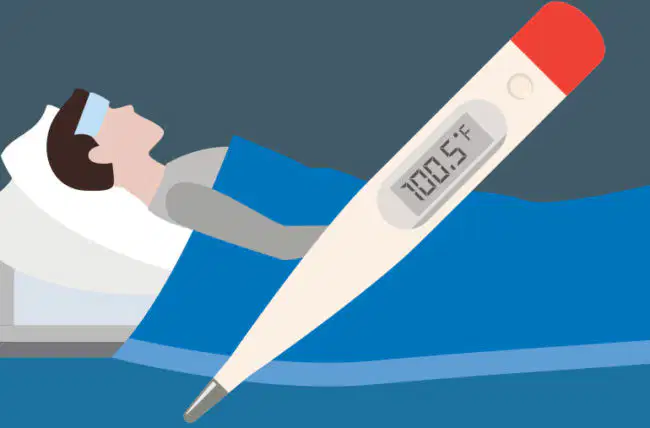
Fever is MOST beneficial to
The hypothalamus
The body’s metabolism
The necrosis of cells
The inhibition of viruses and bacteria
Select all that apply. What are the three main contributors to disease occurence?
Environment
Agent
Human
Host
Pollen
the manner of development of a disease
pathogenesis
etiology
pathology
virulancy
Capacity of agent to enter and multiply in host and produce infection or disease
incidence
virulence
infectivity
pathogenicity
Capacity of disease to cause disease in infected host
infectivity
virulence
taxogenicity
pathogenicity
New cases of a disease
incidence
toxigenicity
infectivity
pathogenicity
Severity of disease
incidence
virulence
pathogenicity
taxogenicity
Ability of agent to survive adverse environmental conditions
antigenicity
resistance
pathogenicity
virulence
An organism or vehicle that transmits the causative agent or disease-causing organism from the reservoir to the host.
host
vector
agent
pathogen
Adhesion is ...
component of appendage on the surface bacteria that helps their adhesion to other cells
a protein that allows a pathogen to colonize the host's body
a protein that allows pathogens to enter cells
a protein produced by pathogens that poisons hosts cells
Colonization factor is ...
component of appendage on the surface bacteria that helps their adhesion to other cells
a protein that allows a pathogen to colonize the host's body
a protein that allows pathogens to enter cells
a protein produced by pathogens that poisons hosts cells
Invasion factor is ...
component of appendage on the surface bacteria that helps their adhesion to other cells
a protein that allows a pathogen to colonize the host's body
a protein that allows pathogens to enter cells
a protein produced by pathogens that poisons hosts cells
A toxin is ...
component of appendage on the surface bacteria that helps their adhesion to other cells
a protein that allows a pathogen to colonize the host's body
a protein that allows pathogens to enter cells
a protein produced by pathogens that poisons hosts cells
A pathogen bound to it's outer membrane and not freely liberated into the surrounding medium is a...
Endotoxin
Exotoxin
A protein produced and released by a pathogen is a...
Endotoxin
Exotoxin
A slime layer (biofilm) is produced by some bacteria to (select the correct response)
Protect them from chemical messengers
Allows large number of bacteria to congregate together
all of these answers

