
 Worksheets
23-24 Earth Science Test Review - OL
Total questions: 100
Worksheet time: 21hrs 44mins
The continents were once a single super-continent and have slowly drifted apart over time.
The continents have always been in their current locations and do not ever move or drift.
The continents were once covered by large continent-sized snow drifts, but they have slowly melted over time.
If you study the continents for too long you will drift off to sleep.
Alfred Wegener thought these two continents looked like puzzle pieces that could fit together.
Africa
South America
North America
Eurasia
Antarctica

Who developed the theory of continental drift in 1910?
Harry Hess
Dmitri Mendeleev
Alfred Wegener
Isaac Newton
What evidence did Wegener use to prove continental drift? (Select ALL that are correct)
Matching plant and animal fossils on separate continents
Matching human remains on separate continents
Matching mountain ranges and coal deposits on separate continents
Matching lakes and rivers on separate contients

According to this map, which fossils have been found in BOTH South America and Africa? (Select ALL that apply)
Cynognathus
Lystrosaurus
Messosaurus
Glossopteris
How did the evidence of coal being found in Antarctica support Wegeners claims about Pangaea and Continental Drift?
Coal forms from tropical plants that only grow in warm areas, so Antarctica must have once been warmer.
Coal forms from ice and snow that that only forms in cold areas, so Antarctica must have always been cold.
Coal forms from tropical plants that only grow in warm areas, so Antarctica must have always been cold.
Coal forms from ice and snow that that only forms in cold areas, so Antarctica must have once been warmer.
Why did other scientists did not believe in Wegener’s theory?
He could not explain how the continents moved
He didn’t have evidence
His data was wrong
He didn’t use the right technology to gather data
Wegener used evidence that the fossils of the same types of plants and animals were found on continents separated by oceans to support his claim about continental drift.
He reasoned that Plants & animals must have been able to:
swim across large oceans between the continents.
fly across large oceans between the continents.
move between the continents because they were joined.
move between the continents across a large bridge.
What types of evidence did Wegener use to support the theory of Continental Drift? (Select ALL answer that are correct)
evidence from land features
evidence from animal fossils
evidence from ancient climates
evidence from plant fossils
evidence from human remains
Wegener's idea of Continental Drift was rejected by geologists because _________.
He used too many pieces of evidence to support the idea.
It is impossible to predict what Earth looked like millions of years ago.
He couldn't explain HOW or WHY the continents moved.
They were afraid of the new idea.
Underwater mountain ranges are called ____________.
deep sea trenches
mid-ocean ridges
seafloor spreading
continental drift
The OLDEST rocks on the seafloor are located?
Closest to the mid-ocean ridge
Farthest from the mid-ocean ridge
The YOUNGEST rocks on the seafloor are located?
Closest to the mid-ocean ridge
Farthest from the mid-ocean ridge
What theory states that the continents were once part of a super continent called Pangaea and have moved slowly to their current locations over hundreds of millions of years.
Oceanic wandering
Land-form Evidence
Continental Drift
Fossil Distribution
What types of evidence did Wegener use to support the theory of Continental Drift? (Select ALL answer that are correct)
evidence from land features
evidence from animal fossils
evidence from ancient climates
evidence from plant fossils
evidence from human remains
Who suggested the theory of seafloor spreading?
Harry Hess
Alfred Wegner
Mrs. Bratton
Albert Einstein
According to Wegener, the continents used to be joined together as one supercontinent known as:
South Africa
Eurasia
Pangaea
Potlopia
How long did it take the continents to move from Pangaea into their current position?
Hundreds of years
Thousands of years
Millions of years
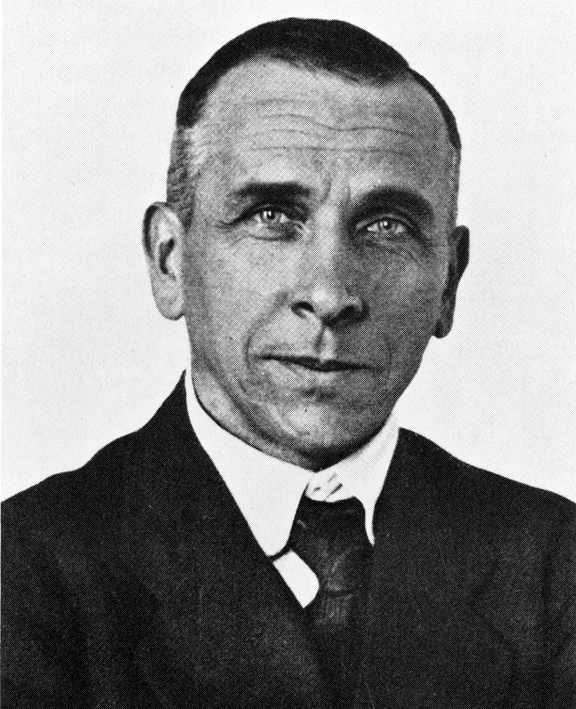
Who is the person credited with developing the theory of continental drift?
Harry Hess
Albert Einstein
Alfred Wegener
Isaac Newton
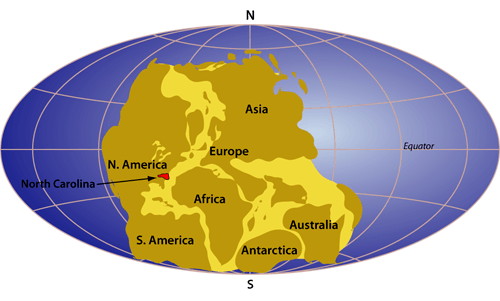
What is this a picture of?
Eurasia
Laurasia
Pangaea
Cornucopia
The youngest seafloor crust is located...
Farthest from the mid-ocean ridges
Closest to the mid ocean ridges
Nearest the continents
On the land
The process of new seafloor forming when magma rises at the mid-ocean ridges and solidifies, pushing older rock away is called _____.
Seafloor Spreading
Continental Drift
Hot magma (melted rock) is ______ dense than the solid crust.
more
Select all the TRUE statements about seafloor spreading
The oldest rocks are located closest to the mid-ocean ridges.
Seafloor spreading explains how mid-ocean ridges are formed.
Seafloor spreading explains how the continents moved apart.
New seafloor is formed at mid-ocean ridges.
What are TWO pieces of evidence for Seafloor Spreading
Youngest rocks are located closest to mid-ocean ridges
Reversals of Earth's magnetic field are recorded by rocks in strips parallel to ridges.
Similar animal fossils are found on continents separated by oceans.
It is very hot in the United States in the summer.

At the Mid-Ocean Ridges you can find:
underwater trees and bushes
deep sea trenches
the oldest crust
the newest crust
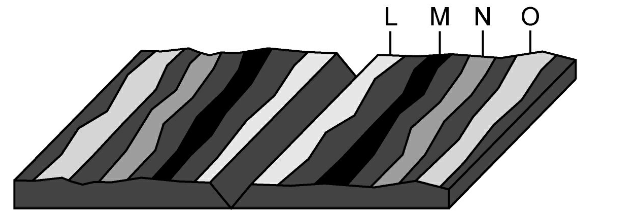
The image shows a diagram of the ocean floor near a mid-ocean ridge. Where would the oldest rock be found?
True or false: The tectonic plates will never stop moving
True
False
Convection currents in the _________ pull the seafloor apart.
Crust
Mantle
Core
What type of plate boundary is formed when two plates move toward each other?
Convergent Boundary
Divergent Boundary
Transform Boundary
Move away from each other
Move toward each other
Slide past each other
Move down into the mantle
A fault is formed by the movement of a __________ plate boundary
Transform
Convergent
Divergent
Volcanic island Arcs form near __________ plate boundaries between two oceanic plates.
Divergent
Convergent
Transform

Two continental plates collide at a convergent boundary
Two oceanic plates pull apart at a divergent boundary
An oceanic plate subducts under a continental plate at a convergent boundary
Two continental plates pull apart at a divergent boundary
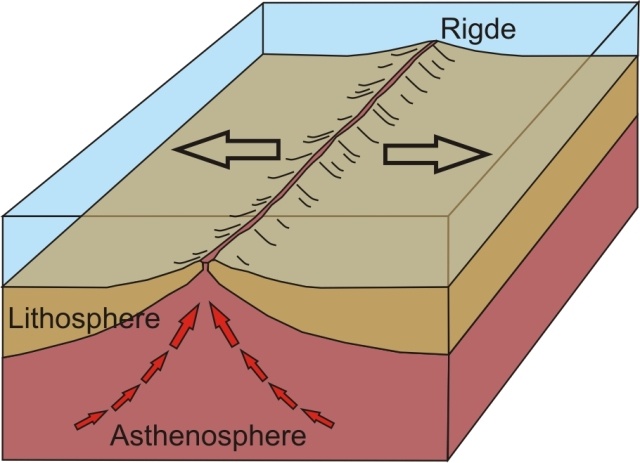
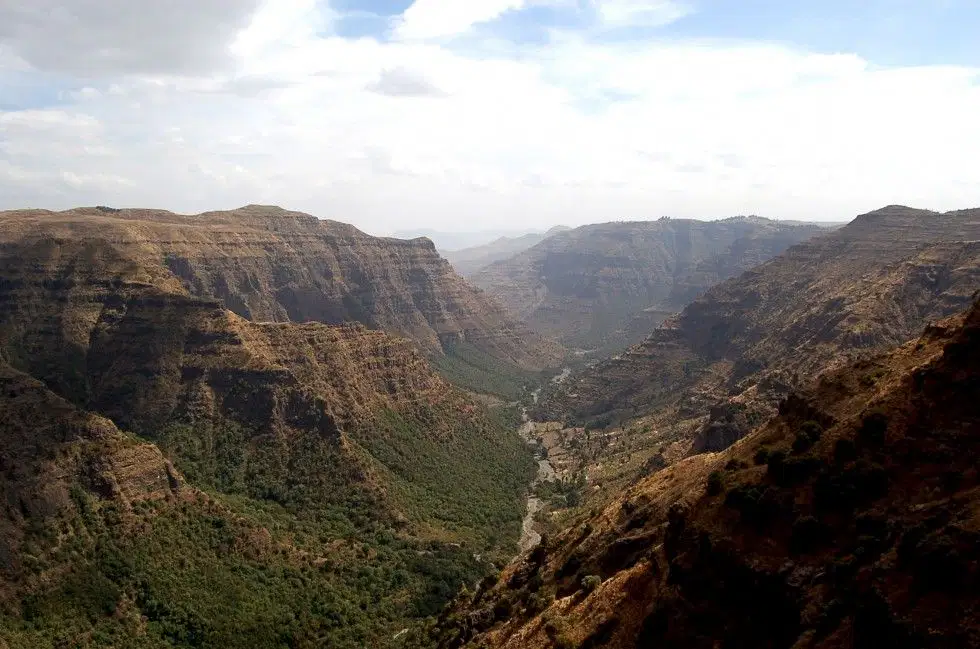
What geologic feature/event would you most likely find at a divergent boundary between two pieces of continental crust?
Mid-Ocean Ridge
Mountain range
Rift Valley
Volcanic Islands

What geologic feature/event would you most likely to find at a convergent boundary between two pieces of continental crust?
Volcanic mountain
Mountain range
Rift valley
Volcanic Island
Old crust is destroyed at what type of boundary?
convergent
divergent
transform
Plates slide past one another at _______ boundaries.

What type of boundary is shown in RED on this map?
Convergent
Divergent
Transform
What type of boundary is shown in BLUE on this map?
Convergent
Divergent
Transform
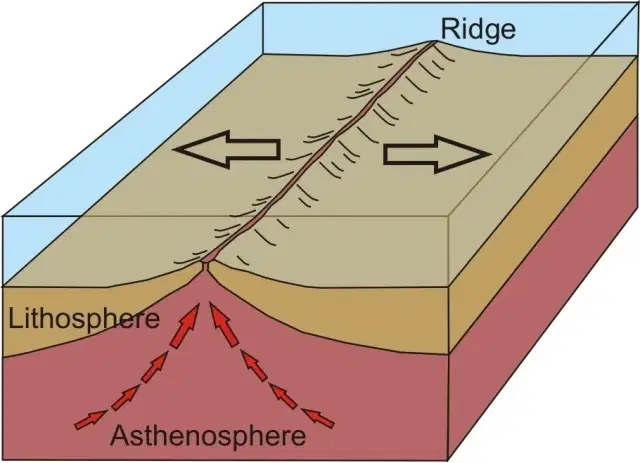
What two types of plates are shown in this model?
Oceanic and Oceanic
Continental and Oceanic
Continental and Continental

This picture shows a volcano being formed due to the subduction of oceanic crust under continental crust.
Which picture has the arrows drawn correctly to show the direction the plates are moving?


A trench is formed at a convergent boundary when one plate slides under another. This is called subduction.
Which picture shows the convection currents moving the correct directions to create a convergent boundary?


What two types of crust are shown here?
Oceanic and Oceanic
Oceanic and Continental
Continental and Continental
Which TWO geologic features are formed at this type of boundary?
Trench
Volcanic Mountain Chain
Volcanic Island Arc
Rift Valley
Mid-Ocean Ridge
Which diagram shows the movement at a plate boundary that would form a mid-ocean ridge?


What type of geologic feature would form here?
Trench
Mountain Range
Fault
Mid-Ocean Ridge

What geologic feature would form here?
Mountain Range
Rift Valley
Volcano
Fault Line
Match the plate boundary to its diagram.

New crust is created

Old crust is destroyed

Crust is cracked but not destroyed

The process that breaks down rocks.
Weathering
Deposition
Erosion

Wind, water, ice or gravity moving rock fragments from one location to another
Weathering
Deposition
Erosion

Sediment settling out (dropping to the bottom) of the water or wind that is carrying it
Weathering
Erosion
Deposition

Fragments of weathered rocks are known as ____.
sediments
deposits
limestones
sandstones

The PHYSICAL breaking down of rocks into smaller pieces is...
Mechanical weathering
Chemical weathering

The breakdown and decomposition of rocks as a result of chemical reactions and processes
Mechanical weathering
Chemical weathering

Water gradually wearing down and smoothing rocks over a long period of time is an example of...
weathering
erosion
deposition

Rain washing away soil from a hillside is an example of...
weathering
erosion
deposition

Waves dropping sand onto land until a beach is formed is an example of...
weathering
erosion
deposition

Acid rain slowly wearing away rock over time is an example of...
weathering
deposition
erosion

Water getting into cracks, freezing, and breaking rocks or pavement apart is an example of...
erosion
weathering
deposition

Over long periods of time, deposition may change the Earth's surface by...
forming new land features.
washing away beaches.
breaking down large rocks in to smaller ones.
moving topsoil.

Muddy water being carried away by a fast-moving river is an example of...
deposition
weathering
erosion

The roots of plant can grow into cracks of rocks and expand breaking the rock.
Weathering
Erosion
Deposition

Wind blowing sand from one location to another is called...
erosion
weathering
deposition
Weathering
Breaking
Erosion
Moving
Deposition
Dropping
Water getting into cracks, freezing, and breaking a rock apart
Weathering
Muddy water being carried away by a fast-moving river
Erosion
Deltas forming at the mouths of rivers
Depositions

Which type of rock is made by small bits of rock, mud, or sand compacted and cemented together?
Sedimentary Rock
Igneous Rock
Metamorphic Rock

Which type of rock is made from lava or magma cooling and hardening?
Igneous Rock
Sedimentary Rock
Metamorphic Rock

Which type of rock is made from a rock being changed by heat and pressure?
Sedimentary Rock
Igneous Rock
Metamorphic Rock

This is a piece of granite. It was formed from magma cooling inside the Earth.
What type of rock is granite?
Sedimentary Rock
Igneous Rock
Metamorphic Rock

Which type of rock is changed by heat and pressure but does NOT melt?
igneous rock
sedimentary rock
metamorphic rock


___________ rocks are formed from layers of sediments.
Metamorphic
Igneous
Sedimentary

Fossils are found in ____________ rocks.
metamorphic
igneous
sedimentary

Tiny bits of weathered rock that can be eroded away are called _________
sediments
magma
deposition

___________________ rock is formed from melted rock, either from magma below Earth's crust or from lava above it
sedmetary
igneous
metamorphic

Which type of rock forms from heat and extreme pressure?
Igneous
Sedimentary
Organic
Metamorphic

Lava which cools on Earth's surface forms an extrusive ____________.
metamorphic rock
sedimentary rock
igneous rock

The three groups of rocks are named for...
How they form
Color
Grain size
Chemical Composition

what is the rock cycle.
molten rock that is stored underground.
rock material that forms where rocks are broken down into smaller pieces.
a process that changes one type of rock into another type of rock.
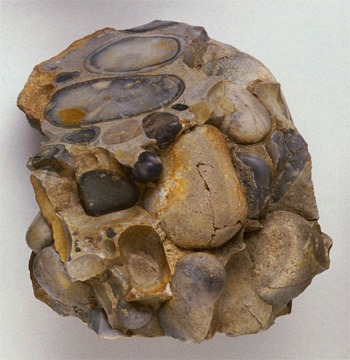
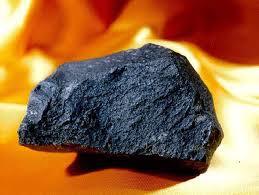

What is melted rock that has formed deep within the Earth called?
Hot Spot
Magma
Lava
Volcano

Wind, water, and ice will breakdown rock into smaller particles. This process is called ____________.
erosion
cementation
deposition
weathering

Wind, water, ice, and gravity carry sediments away. This is called __________.
weathering
deposition
erosion
cementation

Sediment is left behind in layers at the bottoms of rivers, lakes, and oceans. This process is called __________ .
weathering
erosion
melting
deposition
Oil is formed from...
the remains of dead marine (ocean) organisms.
the remains of ancient rocks as they break down under pressure
ancient swamps
All of the dead dinosaurs
Which of the following are renewable resources? (Select all that are correct)
wind
animals
fossil fuels
metals
plants
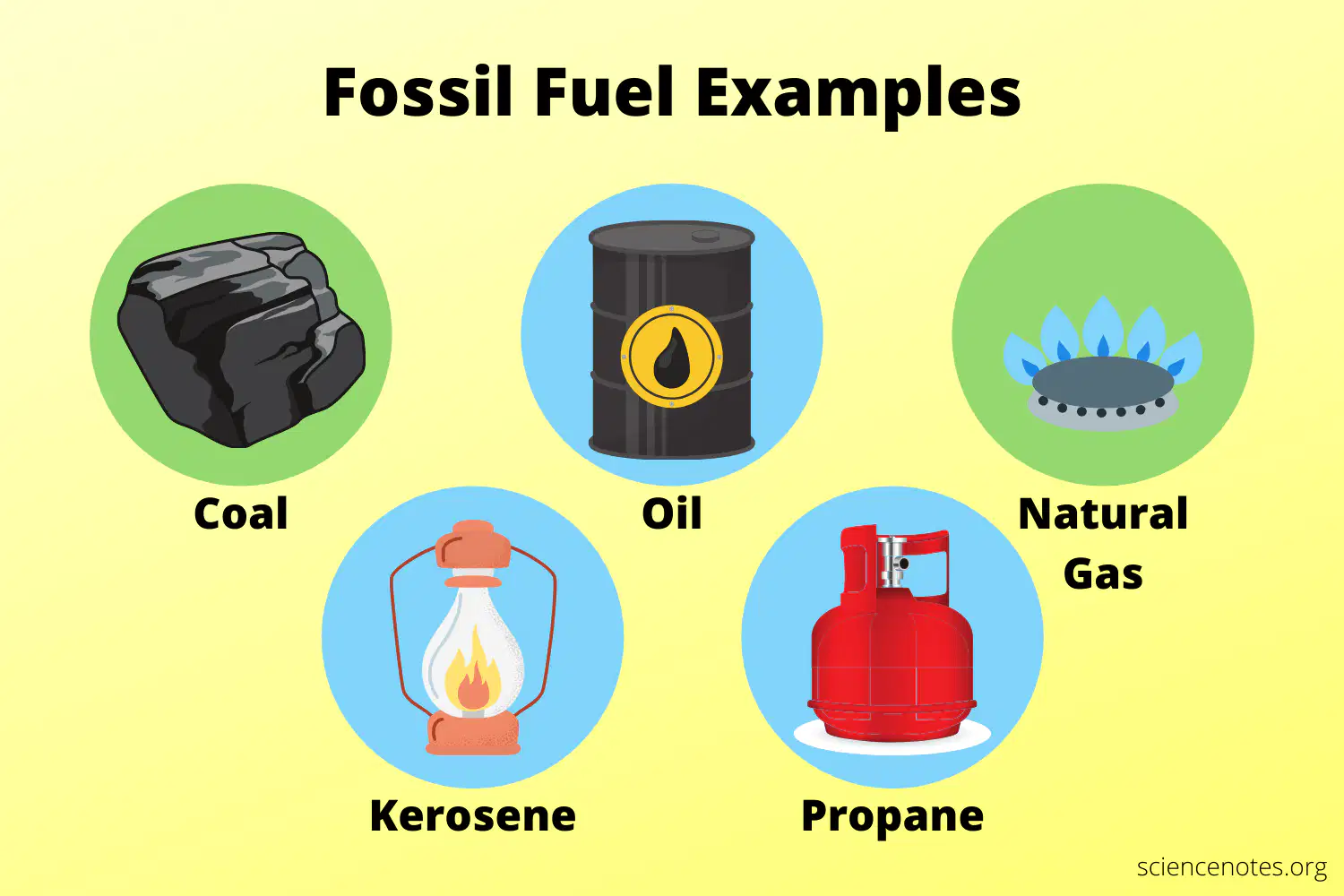
Fossil fuels are nonrenewable because...
they are being made faster than they are being used
they are being used faster than they are being made
they are only found deep underground
they are use to produce heat and light

Millions of years ago, the United States, Europe, Russia, and Australia were swamps filled with many plants. This explains why these areas have large deposits of _______.
Coal
Oil
Natural Gas
Gold
A ________ resource is ANY useful material found in nature.
natural
alternative
renewable
nonrenewable
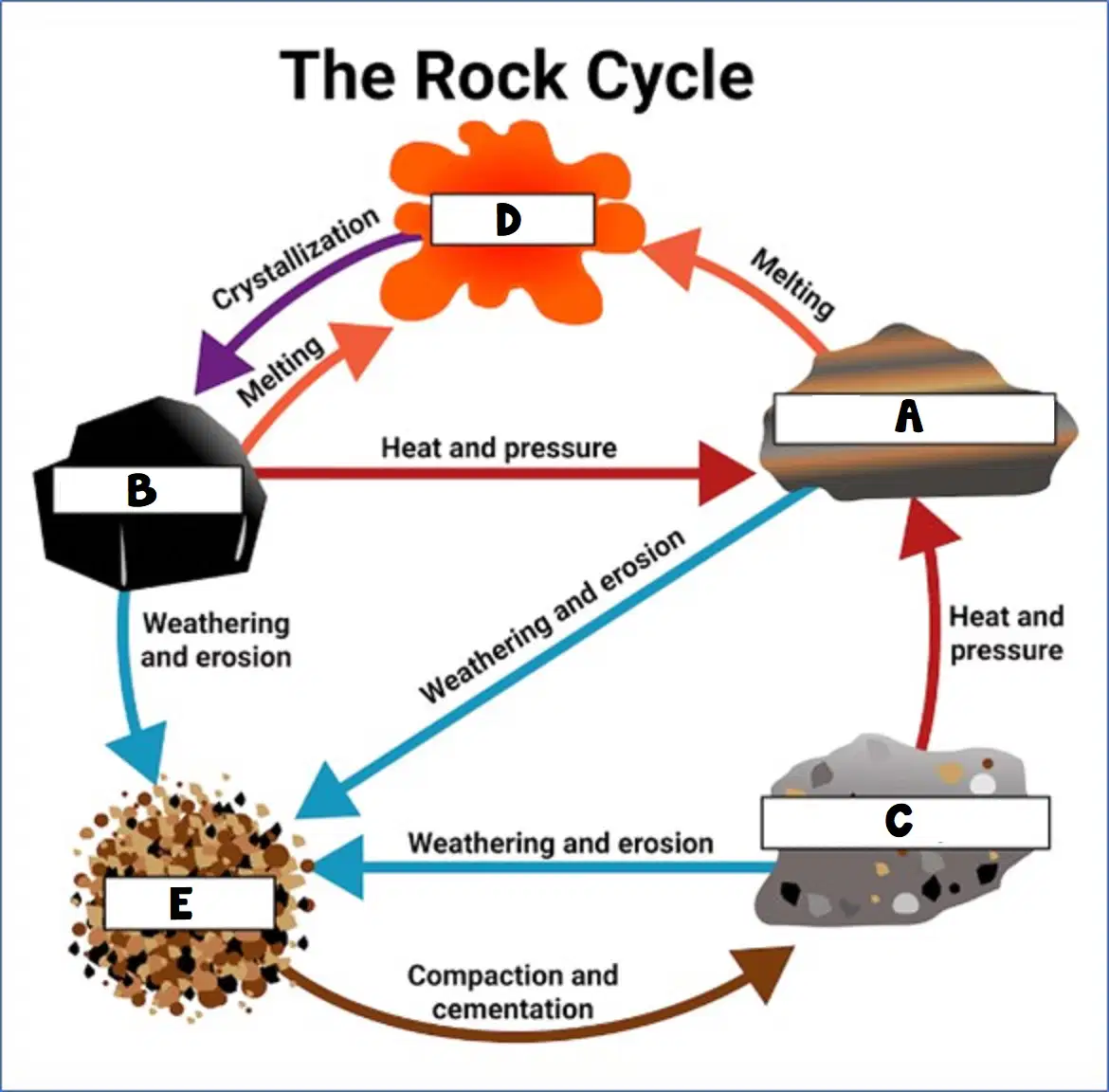
What is represented by the image labeled with the Letter D?
Sedimentary Rock
Metamorphic Rock
Igneous Rock
Magma
Sediments
What is represented by the image labeled with the Letter A?
Sedimentary Rock
Metamorphic Rock
Igneous Rock
Magma
Sediments

What process is labeled with the number 2?
Cooling and Hardening
Melting
Compacting and Cementing
Weathering and Erosion
What process is labeled with the number 5?
Cooling and Hardening
Melting
Compacting and Cementing
Weathering and Erosion
Which numbers represent heat and pressure. Select ALL the correct numbers.
1
2
3
4
5

