
Font size
 Worksheets
Perspective Review Part 1
Total questions: 72
Worksheet time: 18hrs 0mins
Select the word that is not part of the word Insolation.
Convection
Radiation
Solar
Incoming


As the angle of light decreased (when you started to angle the flashlight closer to the paper) what happened to the size of the circle of light?
The size of circle of light increased.
The size of the circle of light decreased
There was no change in the circle of light.

The diagram below represents Earth's orbit around the sun at different times in an Earth year. Locations A, B, C, and D represent Earth on the first day of each season. Which orbit locations represent March and September 21st?
A
B
C
D

Study the diagrams. Which insolation angle location would be receiving the most intense energy?
Location A
Location B
Location C
Insolation
the part of the sun's radiation that is received by Earth
times of widespread glaciation outside of the polar areas
the results of the balance between the total amount of energy an object receives and the total amount of energy it loses.
gases such as carbon dioxide, water vapor, and methane, present in the atmosphere


Which path represents the Sun's path across the sky in Summer?
A
B
Which path represents the Sun's path across the sky in Winter?
A
B
Low Angle sunlight is
more intense, hotter
less intense, cooler
High Angle sunlight is
more intense, hotter
less intense, cooler

Study the diagram. What season for the Northern Hemisphere does the diagram represent?
Winter
Spring/Fall
Summer

Study the diagram. In which hemisphere is the Sun's vertical ray located?
Northern
Southern


What is the term used to describe the motion of the Earth around the Sun?
Resolution
Rotation
Revolution
Round
What does the rotation of the earth cause us to experience?
Seasons
Day and night
Year
Summer
What effect does the tilt of the earth have?
It causes the earth to be farther away from the sun at different times of the year
It changes the angle that the sun strikes the earth in different land areas
When the earth is tilted away from the sun we have day
When the earth is tilted away from the sun we have night
The path Earth follows revolving around the Sun is called ________
Orbit
Axis
Equator
Prime meridian
The reason we have seasons on our planet is because
the tilt of the Earth's axis allows for more direct sunlight in the summer and less direct in the winter.
the Earth's orbit becomes more like an oval to give us different seasons.
seasonal wind patterns carry warmer winds during the summer and colder winds during the winter.
we are closer to the sun during the summer and further during the winter.

As the angle of light decreases, what can be inferred about the temperature?
As the angle decreases, the temperature would stay the same.
As the angle decreases, the temperature would increase.
As the angle decreases, the temperature would decrease.
What is a star?
A hot ball of burning gases that gives off light
A ball of rocky material that orbits a planet
A ball of rock or gas that orbits a star
A big, yellow dot
Stars such as the sun move across the sky
True, the stars and sun revolve in space
False, nothing in space moves; not even the Earth
True, the sun is the only object in space that rotates
False, the sun and stars do not move. They appear to move because of Earth rotating on its axis

Which direction do WE rotate on Earth? (Select 2)
East to West
Counter clockwise
Clockwise
West to East

Since WE rotate West to East, in which direction does the sun appear to rise?
In the East
In the North
In the West
In the South

Since WE rotate West to East, in which direction does the sun appear to set?
In the East
In the North
In the West
In the South

At what time of day is the sun highest in the sky?
9:00 a.m.
11:00 a.m.
12:00 p.m. (noon)
4:00 p.m.
Nebula


What two factors cause the seasons?
Tilt of the moon and rotation around the Earth
Tilt of the Earth and revolution around the sun
Rotation of the moon and rotation of the Earth
What factor causes the sun's path to change?
The date and the latitude
The date and the position of the sun
The position of the moon and the latitude

The diagram represents the apparent path of the Sun as observed at four locations, A through D, on Earth's surface on the same date. The present positions of the Sun represent the same time of day at each location. The zenith (the position directly overhead) is shown for an observer at each location. [Diagrams are not drawn to scale.]
During the course of the day, which location had the greatest intensity of insolation at solar noon?
A
B
C
D

The diagram represents the Sun's apparent paths and the solar noon positions for an observer at 42° N latitude on December 21, September 23, and June 21.
In which direction will sunrise occur on June 21?
north of due west
north of due east
south of due west
south of due east

What season is represented at point D?
Winter
Spring
Summer
Fall
How is it possible that it is nighttime for almost the entire 24 hour day in the winter in Barrow Alaska?
the Earth is flat
it is so cold in Barrow Alaska that it stays dark
the Earth is tilted, so the north pole area is in the shade in the winter
the moon blocks the sun for the winter
What latitude is the north pole at?
0 degrees
90 degrees N
90 degrees S
45 degrees N
What latitude is the equator at?
0 degrees
90 degrees N
45 degrees S
10 degrees

which line of latitude receives the most DIRECT sunlight with a high solar angle of 90 degrees?
90 degrees N
90 degrees S
0 degrees at the equator
none of the above
What would happen if the Earth was not tilted?
Always be day or always night, depending on where you are
The length of a day would be different
We would not have seasons
Tides would be more severe

Which path represents Summer in the Northern Hemisphere?
A
B
C
Temperatures are warmer in the Summer than in the Winter because
We get more hours of daylight and the angle of insolation is higher
We get fewer hours of daylight and the angle of insolation is higher
We get more hours of daylight and the angle of insolation is lower
We get fewer hours of daylight and the angle of insolation is lower
Why does the sun appear brighter and larger than any other star?
It is the smallest star.
It has more gravity than other stars.
It is the largest and brightest star that exists.
It is the closest star to Earth.
What is apparent motion
The way something appears or seems to stay in place.
The way something appears or seems to move.
The way a a spacecraft moves through space.
How things move in zero gravity.

True or False: Although the stars APPEAR to change position, their positions in the universe are NOT changing.
TRUE
FALSE

The stars appear to move from _____ to _____ since the rotation of the Earth is from west to east.
east to west
north to south

Stars in the northern sky seems to circle around _________, the North star.
Polaris
Sirius
Mars
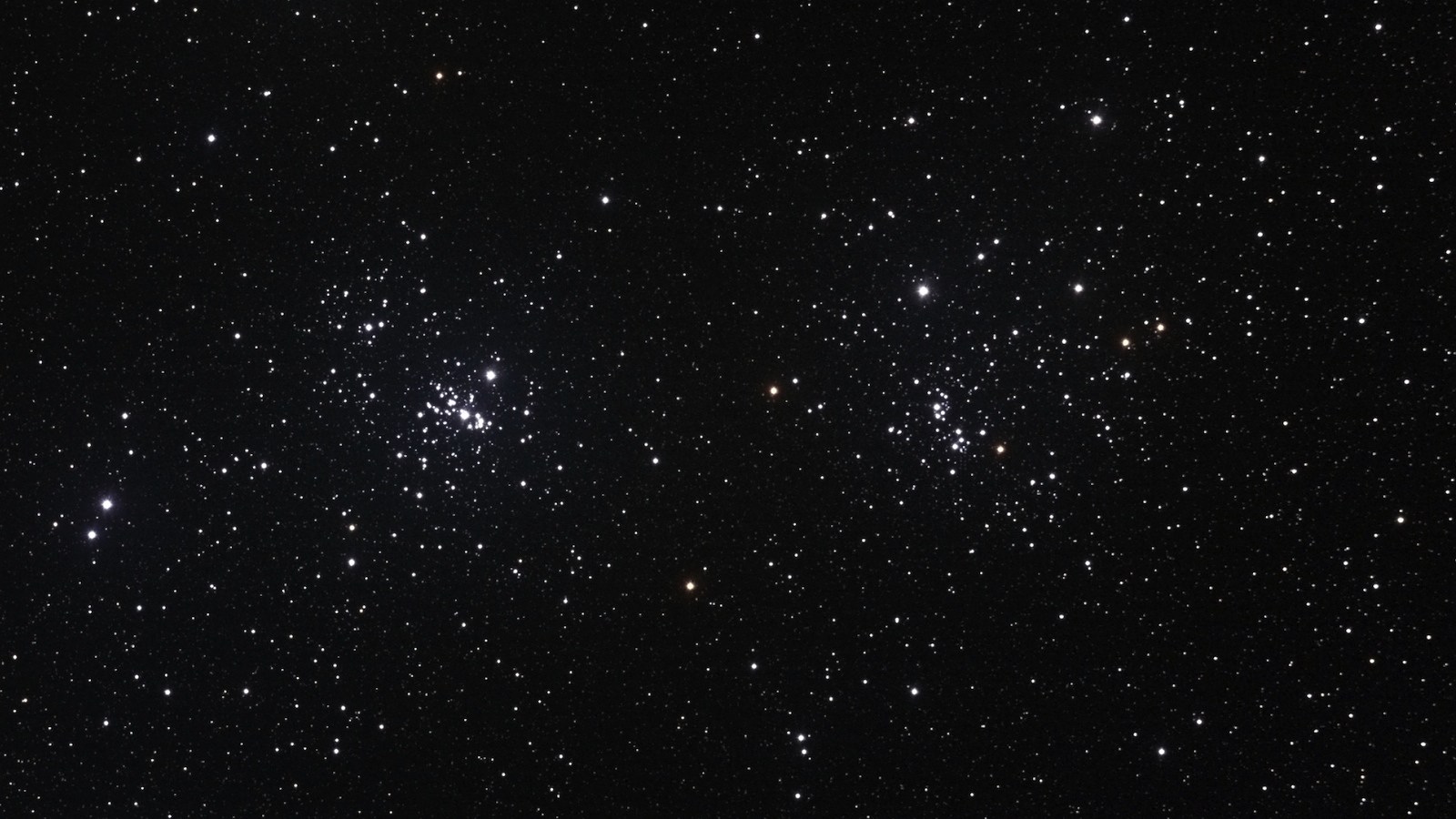
People above the equator in the Northern hemisphere see different constellations than people below the equator in the Southern hemisphere.
True
False

A group of stars in the sky that appear to make a pattern to the viewer.
Constellatoin
Stars
The Zodiac
Globular Cluster

Points of light that appear fixed (don’t move in relation to one another) in the night sky.
Constellation
Planet
Year
Stars

12 constellations that all sit near the ecliptic. Over the course of a year we see all 12 of these constellations make their way through this same part of the sky.
Ecliptic
Solar Plane
Zodiac
Constellation

The path that the sun, planets, moon and zodiac constellations all appear to take across the sky from sunrise in the east to sunset in the west.
Zodiac
Decan
Ecliptic
Varga

Planet is the Greek word for...
"lost"
"friendly"
"wanderer"
"mystery"

Points of light that move relative to the “fixed” stars that don’t.
Planet
Sun
Satellite
Ecliptic

A model that puts the Earth in the center of the solar system. The moon, planets, sun and stars all revolve around the Earth.
Geocentric
Heliocentric
McMillicentric
Cosmology

A model that puts the Sun in the center of the solar system. The Earth is just one of many planets that revolves around the Sun.
Geocentric
Heliocentric
McMillicentric
Cosmology

