
 Worksheets
Grade 7 Science Review
Total questions: 89
Worksheet time: 50mins

Which of the following is NOT an advantage of transpiration
removes excess water
Creates suction pull
Lower plant body temperature
transports food

How do plants breathe?
Through the stem
Through the stomata
Through the chloroplast
What gas is needed in order to perform respiration at the cellular level?
oxygen
carbon dioxide
hydrogen
nitrogen
Cellular respiration takes place in the cells of all organisms.
false
true
Rate of transpiration is low in
.water plants
Forest plant
Desert plant
All of the above
All living organisms respire to get energy from food.
true
false

Jumbled words
tranpirationi
tranpiratoin
transpiration
tiranpition

Who discovered the process of fermentation
Johnes
Pasteur
Buchner

Root of plant also need oxygen to survive?
True
False
Plant can die if overwater?
False
True
plant give a large amount of carbon dioxide in (a)
During respiration, (a) gas enter the plant.

Name this process
respiration
photosynthesis
gaseous exchange
Product of photosynthesis are
carbon dioxide and glucose
oxygen and glucose
water and glucose
Ultimate source of energy for all living organisms is
Plants
Atmosphere
Earth
Sun
Foods synthesized in the process of Photosynthesis by plants is stored as
Starch
Protein
Vitamins
Fats
Which of the following is not necessary for photosynthesis
Chlorophyll
Carbon dioxide gas
Oxygen
Water
In anaerobic respiration, _______ is not required.
ATP
Glucose
Oxygen
None of these
_________ and respiration processes are complementary to each other.
Photosynthesis
Aerobic respiration
Fermentation
Which of these are the products of aerobic respiration?
Oxygen
38 ATP
2 ATP
Water
Carbon dioxide
How do plants breathe?
Through the stem
Through the stomata
Through the chloroplast

When zoom into a leaf, structure as shown. Name B which can open and close for gaseous exchange in plants.
Lenticel
Stoma
Guard cell
Chloroplast
Which of the following is correct about photosynthesis?
Occur during day and night
Use oxygen (Oxygen in)
Produce water
Use carbon dioxide (Carbon dioxide in)
Cellular respiration takes place in the cells of all organisms.
false
true
All living organisms respire to get energy from food.
true
false
Name this process
respiration
photosynthesis
gaseous exchange
Breathing is ...
Breaking down food
Making noise
Inhaling and Exhaling Air
Producing energy from food
Respiration is ...
Breaking down food
Making noise
Inhaling and Exhaling Air
Producing energy from glucose
Which of the following do we NOT use the energy gained through respiration for:
Movement
Growth and Repair
Sleeping
Building new molecules
What is respiration?
A process that releases energy.
A process the uses energy.
A process that uses water.
A process that makes food.
Respiration happens in the chloroplasts.
True
False
Where does respiration happen in the cell?
Mitochondria
Ribosomes
Chloroplasts
Nucleus
What are the reactants of respiration?
Select two answers.
Glucose
Oxygen
Carbon dioxide
Water
What are the products of respiration?
Select two answers.
Glucose
Oxygen
Carbon dioxide
Water
Which organ removes carbon dioxide from the human body?
(a)
Which organ absorbs the glucose for respiration?
Large intestine
Small intestine
Stomach
Liver
Finish the equation:
(a) + Oxygen → Carbon dioxide + Water
What is the energy used for?
Select all the correct answers.
Growth and repair
Muscle contraction
Protein synthesis
Sending nerve impulses
Respiration happens during the day and night in plants.
True
False
Your lungs are ___________ air
My lungs are __________________ air.
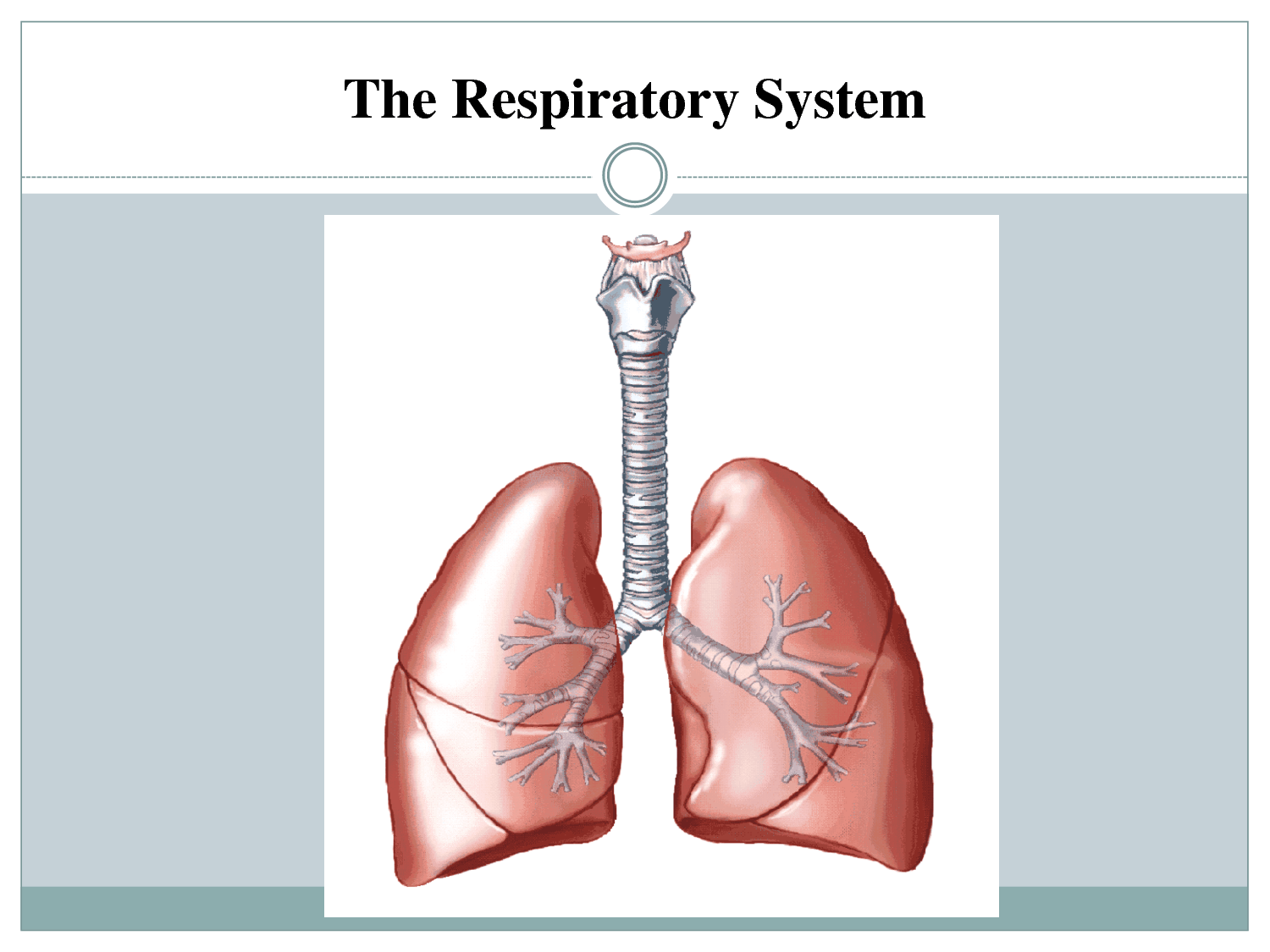
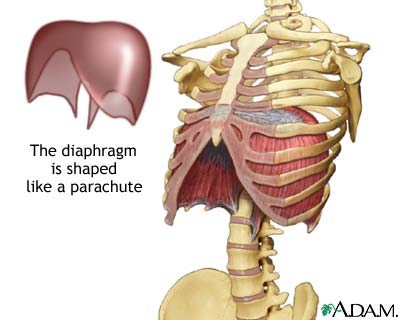
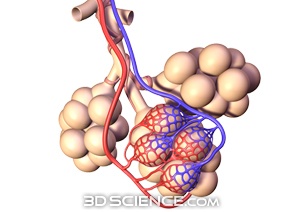
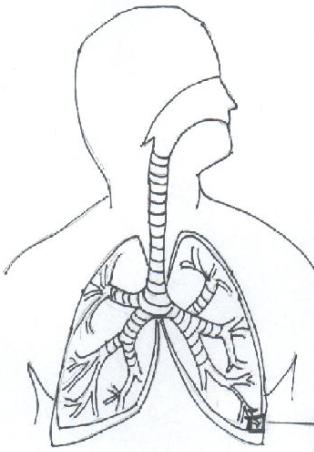
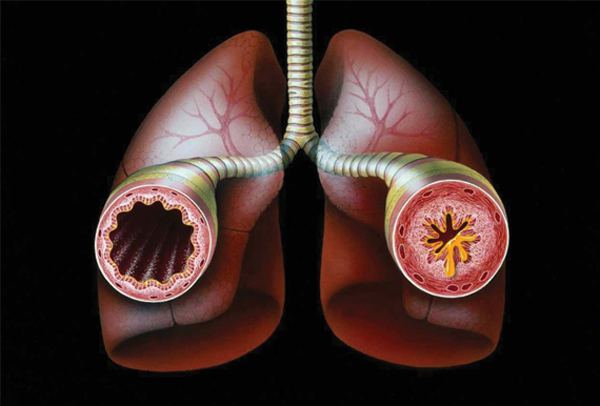
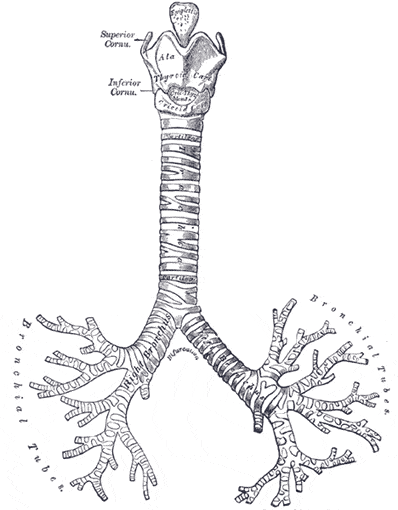
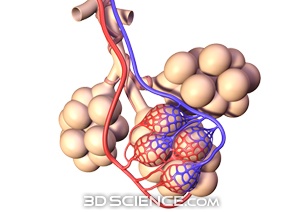

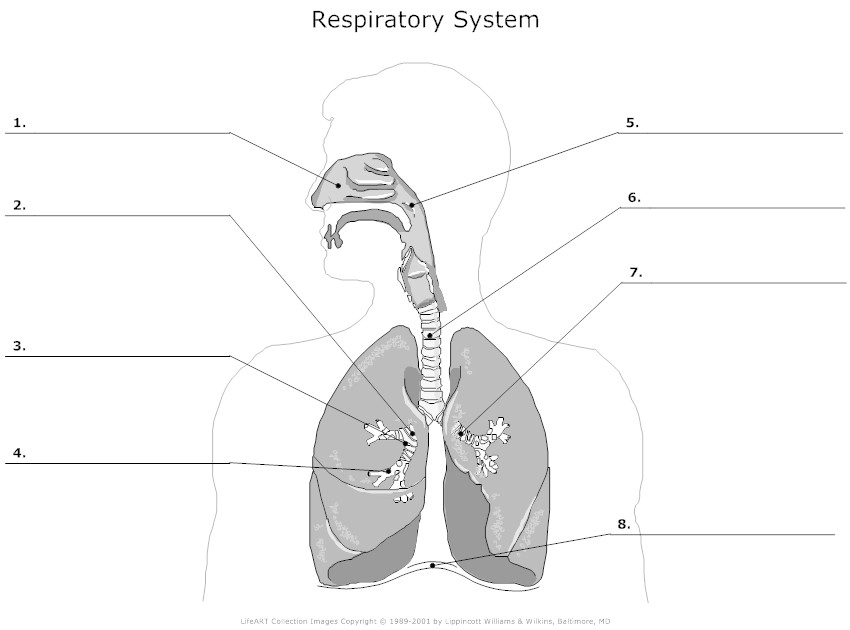
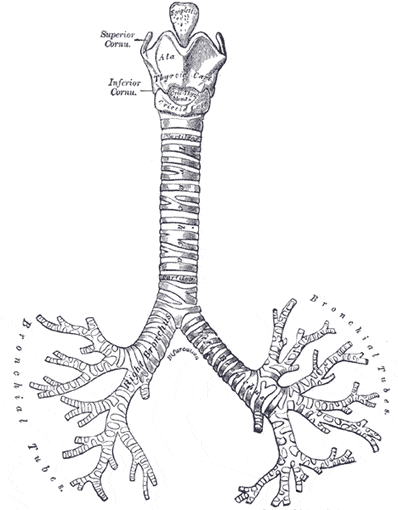
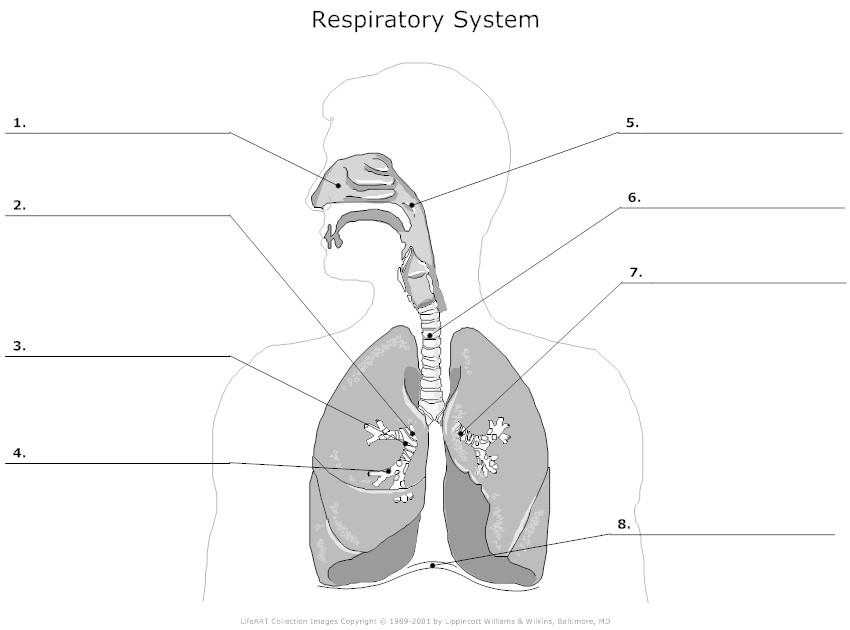

Number 1 and 2 are pointing to.......
The nose and nasal passage.
The mouth and trachea.
The bronchus and bronchioles.
The nose and alveoli.

Which number is pointing to the trachea?
7
6
9
4

Which number is pointing to the diaphragm?
8
7
6
5

Which numbers point to the right and left lungs?
5 and 10
10 and 11
5 and 15
15 and 16

The blue tubes that branch from the trachea are called ____.
bronchi
alveoli
larnyx
throat
In which part of the lung does gas exchange occur?
bronchus
trachea
bronchiole
alveoli
What do the vessels carry that run around the aveoli?
red blood cells
white blood cells
plasma
platelets
What gas is added to the blood cells and which gas is taken away in the lungs?
Oxygen is added and carbon dioxide is removed.
Carbon dioxide is added and oxygen is removed.
Nitrogen is added and hydrogen is removed.
Propane is added and methane is removed.
What muscles move the ribs up and out?
Intercostal muscles
Extracostal muscles
Rib muscles
Sternum muscles
Which two muscles contract and create more space in the chest cavity?
diaphragm and intercostals
rib muscles and esophagus muscles
peristalsis and rib muscles
stomach and rib muscles
Why does the pleural cavity have fluid?
This fluid provides oxygen for the lungs.
This fluid keeps the lungs from getting thirsty.
This fluid provides lubrication for the lungs to expand and contract.
This fluid keeps the lungs clean.
How does the extra space created by your diaphragm and rib muscles contracting affect the air pressure inside your chest cavity?
The air pressure increases.
The air pressure decreases.
The air pressure does not change.
The air pressure fluctuates.
How does an increase in air pressure in your chest cavity affect your lungs?
Air rushes in to the lungs.
Air is forced out of the lungs.
The lungs are not affected.
Air does not move in or out.
When the space inside your chest cavity decreases air pressure ___________.
increases
decreases
stays the same
fluctuates
What system moves air into and out of the lungs?
respiratory
circulatory
digestive
muscular
What system moves air into and out of the lungs?
respiratory
circulatory
digestive
muscular
The respiratory system delivers _______ to the blood stream and transports ____________ out of the body?
oxygen, carbon dioxide
carbon dioxide, oxygen
water, gases
nutrients, wastes
Where does the gas exchange occur in the lungs?
trachea
alveoli
bronchi
bronchus
Where is the larynx located?
at the top of the trachea
in your lungs
in your esophagus
in the bronchial tree
If you cannot speak, where might the problem be?
larynx
lungs
trachea
pharnyx

