
 Worksheets
Unit 2 Review
Total questions: 80
Worksheet time: 1hrs 6mins

Groups of cells with similar functions.
Organs
Molecules
Tissues
Organelles

Group of tissues with similar functions.
Organelles
Cells
Tissues
Organs

Group of organs with similar functions.
Organism
Cell
Organ
Organ System
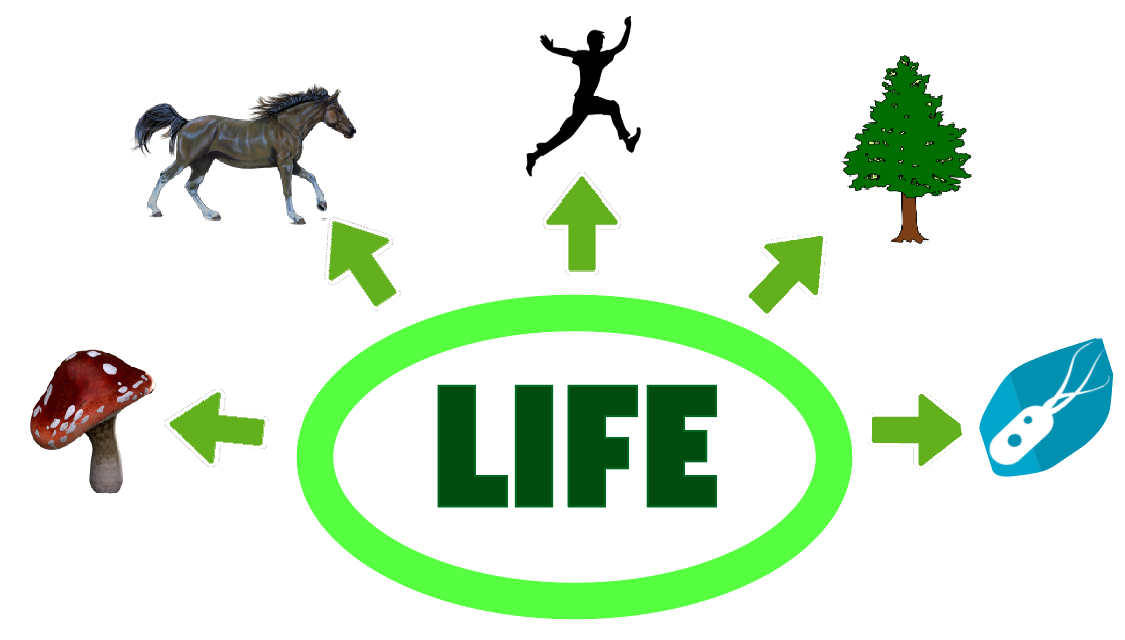
Any single living individual, and can refer to a single human, animal, plant,
Protista, bacteria, or fungi.
Community
Cell
Population
Organism
What is an Organ System?
The smallest basic unit of structure and function in living things
An individual living thing where all systems function to maintain homeostasis
Groups of similar cells that have a common function
A structure that is composed of different kinds of tissues that perform similar functions
A structure that consists of different organs that work together closely to perform a vital function
What is an Organ?
The smallest basic unit of structure and function in living things
The smallest basic unit of structure of matter
Groups of similar cells that have a common function
A structure that is composed of different kinds of tissues that perform similar functions
A structure that consists of different organs that work together closely to perform a vital function
What is a Tissue?
The smallest basic unit of structure and function in living things
The smallest basic unit of structure of matter
Groups of similar cells that have a common function
A structure that is composed of different kinds of tissues that perform similar functions
A structure that consists of different organs that work together closely to perform a vital function
What is a Cell?
The smallest basic unit of structure and function in living things
The smallest basic unit of structure of matter
Groups of similar cells that have a common function
A structure that is composed of different kinds of tissues that perform similar functions
A structure that consists of different organs that work together closely to perform a vital function
What is an Organism?
The smallest basic unit of structure and function in living things
An individual living thing where all systems function to maintain homeostasis
Groups of similar cells that have a common function
A structure that is composed of different kinds of tissues that perform similar functions
A structure that consists of different organs that work together closely to perform a vital function
What other systems does your nervous system work with?
Circulatory
Respiratory
Skeletal
Muscular
Immune

What is the function of the nervous system?
to control and coordinate body functions and systems.
to protect the body from harm.
to identify pain and begin healing.
to break down food.
What is the function of a nerve?
To transport needed food around the body
To control body movement for reflexes.
To carry messages (impulses) to and form the Central Nervous System
All of the above
What is the function of a nerve?
To transport needed food around the body
To control body movement for reflexes.
To carry messages (impulses) to and form the Central Nervous System
All of the above
The column of tissue connecting the brain to nerves is...
spinal cord
central nervous system
peripheral nervous system
All of the above
Your lungs are ___________ air
My lungs are __________________ air.
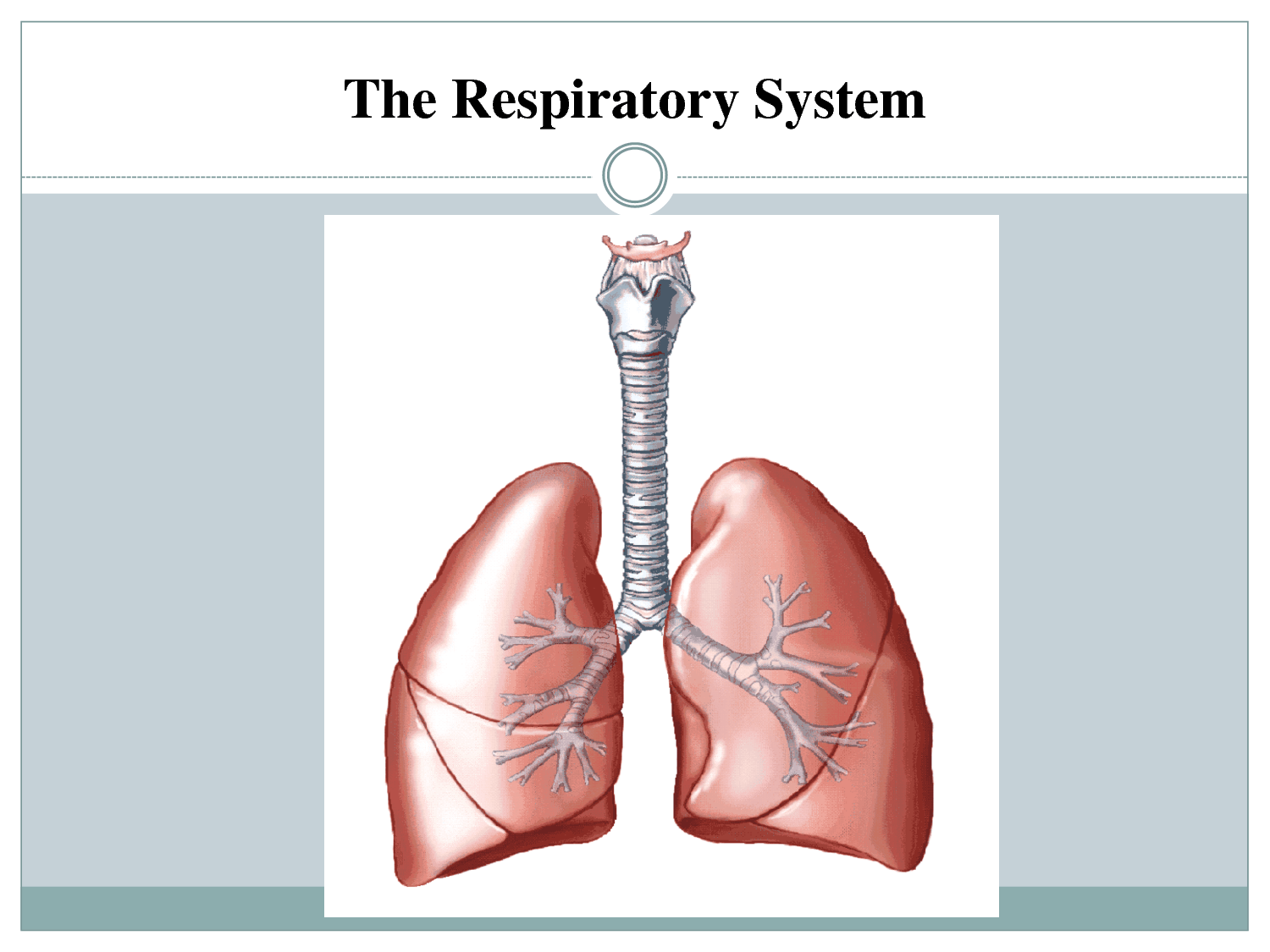
What is oxygen needed for?
energy releasing chemical reactions
to make glucose
to take in sunlight
none of the above
What does the respiratory system release?
oxygen
glucose
carbon dioxide
ATP
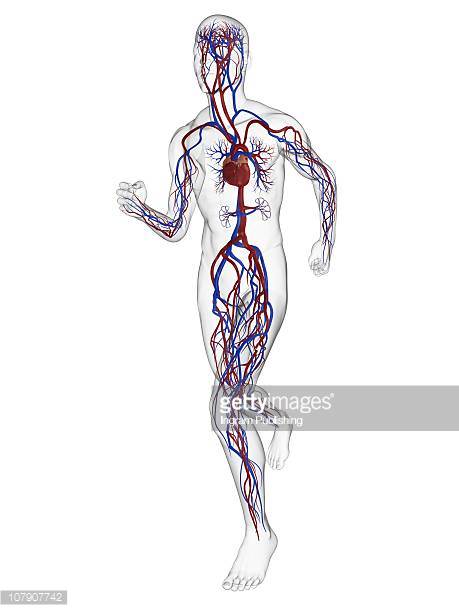
What is the main organ of the circulatory system?
small intestine
bone
lungs
heart

The job of the heart is to . . .
pump blood around the body.
send food to the small intestines.
break down food.
give energy to the body.

The circulatory system works with the ___________ system to provide our body with oxygen.
respiratory
digestive
muscular
skeletal


Which organ is responsible for absorbing water from digested food?
small intestine
stomach
large intestine
mouth
Digestion begins here, where food is broken into smaller pieces before entering the esophagus.
large intestine
stomach
small intestine
mouth
In which organ does most of the chemical digestion of food occur?
small intestine
large intestine
stomach
mouth
Which organ of the digestive system secretes pepsin and hydrochloric acid?
mouth
stomach
esophagus
small intestine
In which organ does most of the nutrient absorption occur?
small intestine
large intestine
stomach
mouth
What is the digestive system?
A system to take out the bad stuff that's in your body
A system where a certain group of organs work together to convert food into energy to feed the body
A system where certain organs in the body digest the food you eat
A system that the organs in the stomach make food for the body to digest.
What organ is responsible for the absorption of nutrients?
esophagus
stomach
small intestine
large intestine
List the digestive tract in order from start to finish.
mouth, stomach, esophagus, small intestine, large intestine
mouth, esophagus, stomach, large intestine, small intestine
mouth, esophagus, stomach, small intestine, large intestine
mouth, esophagus, small intestine, stomach, large intestine
Endocrine glands secrete _
Hormones
Neurotransmitters
A wide range of chemical substances
What is the main function of the endocrine system?
It creates chemicals, or hormones, that are sent around the body to maintain homeostasis.
It creates electrical messages that are sent around the body to maintain homeostasis.
It maintains the correct level of oxygen in the body to maintain homeostasis.
It releases waste from the body to maintain homeostasis.
The process by which an organism’s internal environment is kept stable in spite of changes in the external environment.
Positive Feedback
Negative Feedback
Homeostasis
Targeted Cells
Hormones are
email messages
chemical messages
voicemail messages
chemical markers
The endocrine system works to maintain stable internal conditions (balance).
Hormones
Homeostasis
Hypothyroidism
Hidrosis
Any organism that causes disease like a virus or bacteria is called:
Antibiotics
Antibody
Pathogen
Phagocyte
A protein produced by B cells of the immune system that destroys pathogens is called:
Antigens
Antibodies
T-cells
Lymphocytes

T or F - A fever can help you fight infection.
true
false
Digestive System
Nervous System
Immune System
Skeletal System
From touching a mucous membrane
From not washing your hands
a. From touching your face
All of the above
What is the first line of defense your body has against pathogens?
B-lymphocytes
Antibodies
Antigens
Skin and mucus

Which are part of the integumentary system?
Muscles, skeleton, bone marrow
Hair, skin, bones
Hair, skin, nails
Brain, spinal cord, nerves

Which is not a function of the integumentary system?
Protection against foreign objects
Sweating/cooling
Insulating/warming
Urinating

How is your body cooled?
Hair
Fat
Oil glands
Sweat

What's the outer-most layer of your skin called?
Epidermis
Dermis
Subcutaneous fat layer
All of the above

How does your epidermis protect you from germs?
By oil secretions
By forming a boundary of protection
By hair as protection
By sweat

What is the largest organ of your body?
Liver
Kidneys
Skin
None of the above

Check all the main layers of the skin
Alveoli layer
Dermis
Epidermis
Subcutaneous fat layer
Semi permeable layer
What organ is responsible for the excretion of carbon dioxide?
heart
brain
lungs
bladder
Which organ filters blood?
Kidneys
Large Intestine
Lungs
Bladder
Which organ(s) absorb excess water and store solid waste?
Bladder and kidneys
Large Intestine
Lungs
What are the main functions of the excretory system?
deliver oxygen to the body
deliver nutrients to the body
remove water and waste from the body
remove disease from the body

What is organ is #1?
Kidney
Stomach
Bladder
Heart
What organ is #3?
Kidney
Stomach
Bladder
Heart
What system does the muscular system work in conjunction with to allow our body to move?
Digestive
Respiratory
Skeletal
Circulatory

Substance found inside some long bones that makes blood cells.
cartilage
marrow
ligament
spongy bone
What fills the hollow of most bones?
Bone blood
Bone marrow
Spongy bone
Compact bone
The bone marrow makes _______________________ cells.
Match the Level of Organization with the appropriate picture:

Cell

Tissue

Organ

Organ System

Organism

