
Font size
 Worksheets
Hazard symbol, MSDS, Lab equipment
Total questions: 109
Worksheet time: 1hrs 1mins

What does this symbol warn us about?
Health hazard
Lung disease
Irritant
Corrosive

What does this symbol mean if found as a label on a substance?
Flamable
Flammable
Set this on fire
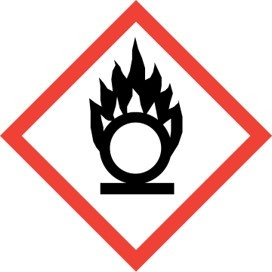
What does this symbol stand for?
Flammable
Oxidising
Non-flammable
Explosive

What does this symbol stand for?
Flammable
Oxidising
Irritant
Corrosive

What does this symbol stand for?
Flammable
Toxic
Deadly
Corrosive

What does this symbol warn us of?
Danger
Alert
Toxic
Irritant/harmful
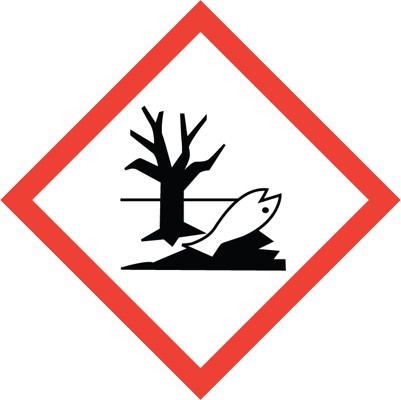
This symbol tell us the chemical it is labelling is:
Harmful to the environment
Dangerous
Toxic
Poisonous

This symbol tell us the chemical it is labelling is:
Harmful to the environment
A pressurised container
Explosive
Corrosive

This lab student is wearing her googles and an apron. But what is she doing wrong?
Pointing the test tube toward her while heating it.
She actually is doing everything correctly.
Her loose hair is too close to the fire.
Not paying attention
Which symbol means that a substance is acutely toxic?


It is not safe to touch chemical materials as they are
poisonous
Harmful
Corrosive as they burn or damage skin
Oxidizing
Match the pictogram to the correlating hazard
EXPLOSIVES


What footwear is best in the laboratory?
shoes appropriate for the weather
open-toed shoes
closed-toed shoes
sandals

Which hazard symbol is this?
Corrosive
Explosive
Irritant or Harmful
Toxic

Which hazard symbol is this?
Biohazard
Corrosive
Toxic
Irritant or Harmful

Which hazard symbol is this?
Environmentally Damaging
Long Term Health Hazard
Biohazard
Oxidising

Which hazard symbol is this?
Highly Flammable
Environmentally Damaging
Long Term Health Hazard
Explosive

Which hazard symbol is this?
Oxidising
Highly Flammable
Explosive
Biohazard

Which hazard symbol is this?
Highly Flammable
Corrosive
Toxic
Long Term Health Hazard

Which hazard symbol is this?
Oxidising
Highly Flammable
Irritant or Harmful
Explosive

Which hazard symbol is this?
Environmentally Damaging
Irritant or Harmful
Toxic
Biohazard
What hazard symbol is this?
Toxic
Biohazard
Long Term Health Hazard
Irritant or Harmful


What does this symbol stand for?
Flammable
Oxidising
Non-flammable
Explosive
Match the symbol to the correlating hazard
EXPLOSIVES
This lab student is wearing her googles and an apron. But what is she doing wrong?
Pointing the test tube toward her while heating it.
She actually is doing everything correctly.
Her loose hair is too close to the fire.
Not paying attention

What does this hazard symbol mean?
Harmless to trees and fish
Harmful to non living things
Harmful to living things
Harmless to non living things

What does this hazard symbol mean?
flammable
oxidising
hot
explosive

What does this hazard symbol mean?
cross
harmful / irritant
sharp
chemical


What does this symbol indicate?
Corrosive substances
Wash your hands.
Wear appropriate gloves.
Bacteria are present.
Which symbol means that a substance is acutely toxic?
We should not taste chemical substances as they are
Corrosive
Harmful
Toxic
It is not safe to touch chemical materials as they are
poisonous
Harmful
Corrosive as they burn or damage skin
Oxidizing
Some chemicals cause skin rash as they are ..........
Poisonous
flammable
Irritant
oxidizing
What does this symbol stand for?
Flammable
Oxidising
Non-flammable
Explosive
Match the symbol to the correlating hazard
EXPLOSIVES
What does this hazard symbol mean?
Harmless to trees and fish
Harmful to non living things
Harmful to living things
Harmless to non living things
What does this hazard symbol mean?
flammable
oxidising
hot
explosive
What does this hazard symbol mean?
cross
harmful / irritant
sharp
chemical
What does this symbol indicate?
Corrosive substances
Wash your hands.
Wear appropriate gloves.
Bacteria are present.
Which symbol means that a substance is acutely toxic?
We should not taste chemical substances as they are
Corrosive
Harmful
Toxic
It is not safe to touch chemical materials as they are
poisonous
Harmful
Corrosive as they burn or damage skin
Oxidizing
Some chemicals cause skin rash as they are ..........
Poisonous
flammable
Irritant
oxidizing


What symbol is this?
Radiation
Harmful or irritant
Biohazard

What symbol is this?
Biohazard
Radiation
Hot temperature

What symbol is this?
Electricity
Danger of death
High voltage

What symbol is this?
Harmful or irritant
Biohazard
Hot temperature
What does MSDS stand for?
Material Safety Data Sheet
Modern Safety Day Special
Medium Small Data Stuff
Made Something Doing Something
What does the blue color on the NFPA diamond stand for?
Special Information
Health Hazard
Flammability Hazard
Reactivity Hazard
What does the white color on the NFPA diamond stand for?
Special Information Hazard
Health Hazard
Flammability Hazard
Reactivity Hazard
What does the red color on the NFPA diamond stand for?
Special Hazard
Health Hazard
Flammability Hazard
Reactivity Hazard
What does the yellow color on the NFPA diamond stand for?
Reactivity Hazard
Radioactivity Hazard
Flammability Hazard
Health Hazard

A hazard diamond uses four colors to indicate areas of possible hazard. Which color represents health?
Blue
Red
Yellow
White

Which primary safety measure must be adhered to when using a chemical with the hazard rating of Blue 1, Red 3, Yellow 1, and White Blank?
Keep away from flames
Keep away from water
Wear a hazmat suit
Watch out for an explosion
Do not mix with other chemicals

How should a student interpret the following hazardous materials symbol: Blue 1, Red 3, Yellow 1, White blank?
The substance is completely safe
The substance is slightly hazardous to health, highly flammable, and slightly unstable
The substance is highly unstable, only slightly flammable, and health concerns are minor
The substance is highly reactive, nonflammable, and a health danger

What information does the MSDS contain?
Name & trade name for the substance
Physical characteristics of the chemical
How to deal with a spill or leak
Precautions that need to be followed
What to do if a person is exposed to the substance - skin, eyes, ingestion, etc.

Which area is the most significant and the most hazardous for anhydrous ammonia?
health
fire
reactivity
specific hazards
they are equally significant and hazardous

Which substance is the most hazardous to you and why?
Choose a bottle 1 through 6 and describe why it is the most hazardous.


instrument for measuring precise fluid volumes
graduated cylinder
beaker
Erlenmeyer Flask

cylindrical, round-bottomed, glass tube open at one end, used to stir solutions
graduated cylinder
test tube
stirring rod
instrument used to measure temperature or temperature change
beaker
glass stirring rod
thermometer

a narrow-necked glass container, typically conical or spherical, used in a laboratory to hold reagents or samples
Beaker
graduated cylinder
Erlenmeyer Flask

a shallow, circular, transparent dish with a flat lid, used for the culture of microorganisms
Petri Dish
funnel
Erlenmeyer Flask

a form of protective eyewear that usually enclose or protect the area surrounding the eye
funnel
lab glasses
contact lenses

instrument used to transfer liquids or fine-grained materials into containers with small openings. Also used for filtration
pipette
funnel
beaker

glass instrument used to hold, and heat solutions in the science lab
test tube
beaker
graduated cylinder

slender tube attached to a bulb, used for transferring or measuring out small quantities of liquid, especially in a laboratory
pipette
graduated cylinder
beaker

cylindrical glass tube used for holding liquids or heating them over a Bunsen burner's flame
graduated cylinder
test tube
beaker

