
 Worksheets
Woolly Mammoth Practice Test
Total questions: 60
Worksheet time: 3hrs 38mins
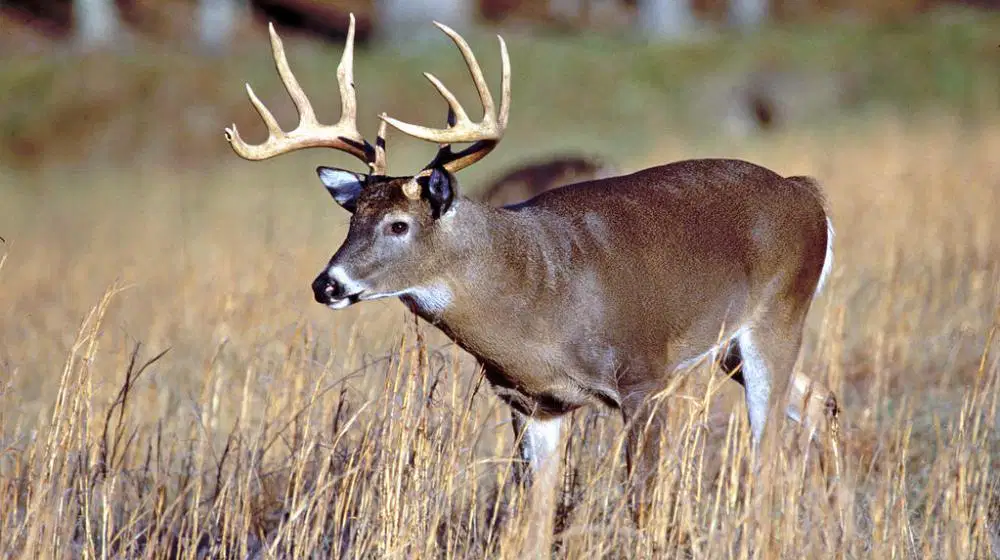
What would be a good example of a primary consumer?
carnivore
detrivore
decomposer
herbivore

Which organisms would be at the top or last trophic level?
plant
herbivore
omnivore
carnivore

The monkey would be a
decomposer
producer
primary consumer
secondary consumer

Introduced species disrupt ecosystems because they are a/an
Keystone Species
Endemic Species
Invasive Species
Native Species

These organisms are often not shown in a food chain, but are important for recycling nutrients
producers
decomposers
primary consumers
carnivores
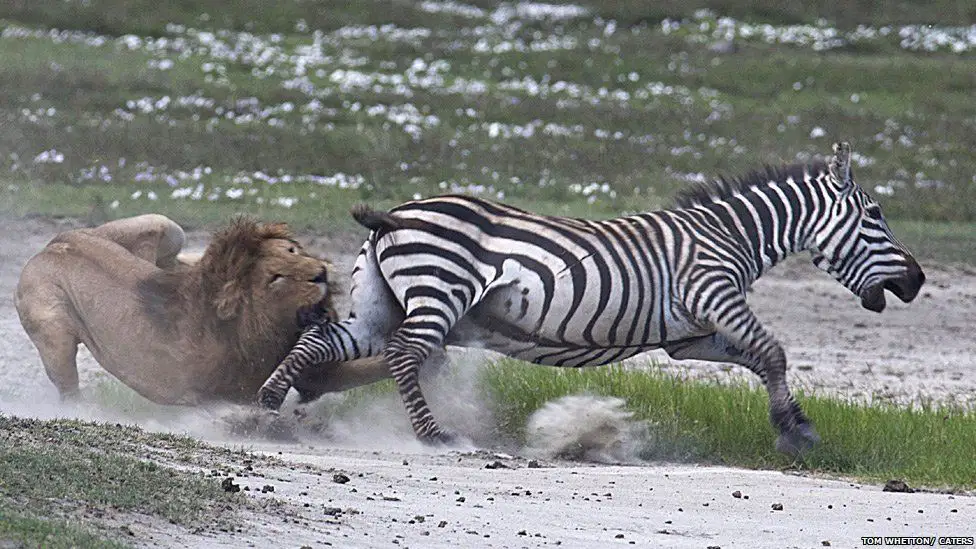
A lion that eats a zebra that eats grass is a
primary consumer
secondary consumer
tertiary consumer
quaternary consumer

90% of the energy that gets lost as you move up a food pyramid or chain gets lost through
pollution to the environment
metabolism and waste
energy for consumers
gets recycled
Consumers can also be called:
autotrophs
heterotrophs
producers
all of the above

Which type of organism is responsible for recycling nutrients back into the ecosystem?
producers
consumers
decomposers
autotrophs
If a food web starts at the bottom (producers) with 2000 kcals of energy, how much would there be available two levels up?
1000
20
200
200000
Which cycle do humans have a large impact on through our CO2 emissions?
water
carbon
nitrogen
phosphorus
What percentage of energy is passed on to the next trophic level?
5%
10%
50%
90%

How does too much fishing in an area affect its ecosystem?
The population of that fish species will decline
Could affect the number of algae
Could affect the top predators
All of the choices would most likely happen

Which of the following is currently a primary cause of species decline worldwide?
habitat destruction
intraspecific competition
Hunting
viral outbreaks

Species that migrate into an ecosystem or are deliberately or accidentally introduced into an ecosystem by humans and whose presence crowds out populations of native species, cause human health problems, and lead to economic losses.
invasive species
endangered species
introduced species
threatened (vulnerable) species

An event in which a large percentage of all living species become extinct in a relatively short period of time.
Habitat fragmentation
Mass extinction
Overexploitation
Background extinction

What actions decrease biodiversity?
Pollution
Habitat Destruction / Loss
Monocrop Farming / Mining / Overfishing / Over hunting
All of these are correct

Why is biodiversity so important?
Because all species depend on each other to survive, so if one becomes extinct another species that relies on it could go extinct as well
Because it’s better to have only one variation of each species.
Because it better to only have a few species on Earth.
Honestly, I have no idea what biodiversity is!

An adaptation is
how animals change over time.
a characteristic that helps and organism survive in its environment.
a theory of how organisms change.
the genes in an organism that determine how an organism is going to look.

Which of the following have been linked to climate change?
droughts
flooding
melting of polar ice caps
all of these

Invasive species have a negative impact on...
the ecosystem
the economy
Both the ecosystem and the economy
None of these

How is eating less meat better for biodiversity and climate change?
Creates more area for domestic crops to be grown
Domestic animals take up a lot of space and use many resources
Domestic animals don't taste as good as plants
Domestic crops use more carbon than natural ecosystems
______________ is all of the living and nonliving things in a given area.
a population
a community
an ecosystem
the biosphere

All of the elephants that live in this area at the same time make up a _____________________.
ecosystem
community
population
biosphere

Will show no affect
A community is composed of
living organisms and their nonliving environment.
one species of organism living in a specific environment on Earth.
the factors that constitute an organism's niche.
potentially interacting populations of different kinds of organisms.
An owl and a hawk both eat mice. Which of these describes the relationship between a hawk and an owl?
parasitism
competition
predation
mutualism
The sum total of a population's use of the biotic and abiotic resources of its habitat constitutes its
evolution.
range.
niche.
environment.

Which is most important in releasing usable nitrogen in the soil?
Plants
Animals
Fungi
Bacteria

The species that plays a critical role in maintaining the ecosystem structure is?
Flagship species
Umbrella species
Keystone Species
Leading species
List 4 abiotic factors.
(a)
List 4 Biotic Factors
(a)
Which is a true statement?
Humans depend on oxygen, plants depend on carbon dioxide
Plants produce carbon dioxide
Humans depend on carbon dioxide, plants depend on oxygen
Humans don't depend on plants for the air they need
Which of the following creates a calcium carbonate structure?
plants
cows
corals
decomposers
Coral reefs are endangered by
climate change
overfishing
pollution
all of the above
What causes coral bleaching?
oil spills
warmer water temperatures
overfishing
red tide

Based on the food web, which is a producer?
turtle grass
shrimp
clownfish
nurse shark

Oceans are important to our environment and atmosphere because... (Choose all that apply)
They absorb heat and carbon dioxide.
They hold 97% of the world's water
They generate 50% of the oxygen we breathe?
They create opportunities for family outings and activities.

When corals ejects symbionts from gastrodermis cells it is called
A. bleaching
B. eutrophication
C. nitrogen fixation
D. subsiding
WHY DOES THE ALGAE LIVE IN CORAL TISSUES?
the algae prefers dark warm spaces
they do not need each other
The coral and algae rely on each other to survive
the algae do not like to live on their own
CORALS AND ALGAE LIVE IN WAHT TYPE OF RELATIONSHIP
MUTUALISMM
PARASITISM
COMMENSALISM
NO RELATIONSHIP
WHAT IS THE FUNTION OF CHLOROPLAST?
make sugar
has no function
make protein
make fats
What does the term "megafauna" refer to?
small animals
endangered species only
large animals
animals that live near water
What change was observed in the population of female elephants in Gorongosa National Park after the war?
An increase in tuskless females
More elephants with tusks
More male elephants
No change at all

Which Biome is the Northern Coniferous Forest?
A
B
C
D

Which biome would mostly have spruce, pine trees, and moose?
A
B
C
D

Which biome would mostly have grasses, bison, and prairie dogs.
A
B
C
D

Which biome would most likely have oak and maple trees?
A
B
C
D

Which biome is Andover in?
A
B
C
D
In Minnesota, what might be some things that organisms might do to prepare for winter?
Hibernate
Migrate
Lose leaves
All of the above
After a fire has destroyed a community lichen begins to grow on rocks in the areas. In this example, lichen is a(n)
limiting factors
exotic species
pioneer species
abiotic factor
An event in which a large percentage of all living species become extinct in a relatively short period of time.
Habitat fragmentation
Mass extinction
Overexploitation
Background extinction

