
Font size
 Worksheets
Viruses/DNA/Cell Cycle
Total questions: 75
Worksheet time: 1hrs 6mins

What makes up the SIDES "backbone" of a DNA ladder?
Nitrogen bases
Sugars & phosphates
Genes & chromosomes
RNA

What makes up the rungs (steps) of a DNA ladder?
sugars & phosphates
nitrogen bases
sugars
genes & chromosomes
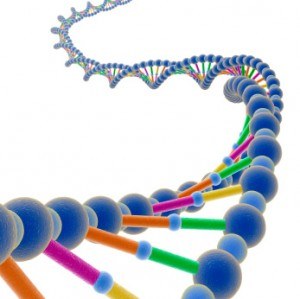
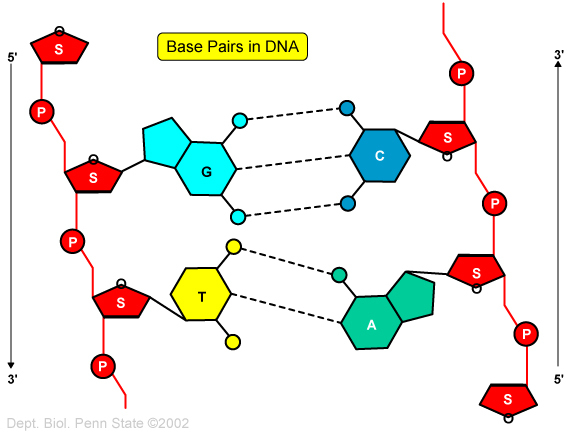
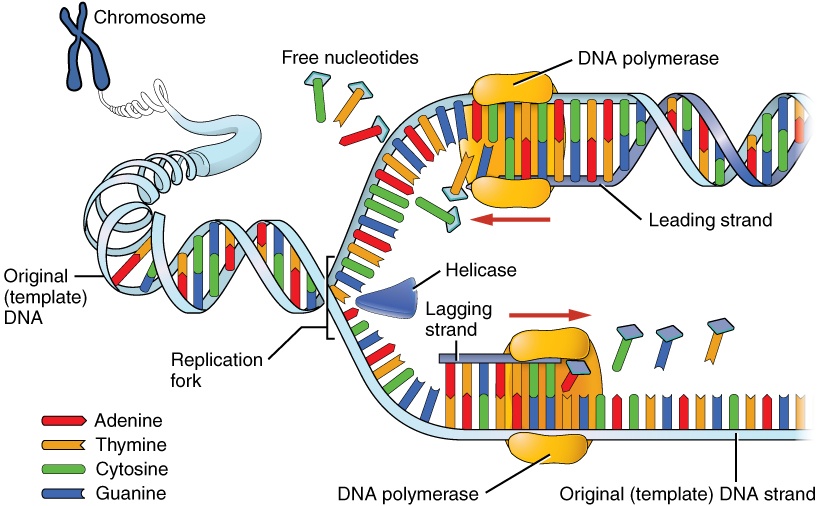
What is the complement to the DNA strand below:
5'-ATGCCAT-3'
(a)
Your sequence of nitrogen bases is different than your sibling.

What is a section of DNA that codes for a specific protein called?
RNA
replication
gene
protein

What does DNA stand for?
Deoxyribonucleic acid
Diribose nutride acidosis
Dinitro acid
Deoxynitrogenic acid
ATG TGA CAG

In a molecule of double-stranded DNA, there is 20% Thymine, what percentage of Cytosine is present?
20%
60%
30%
40%
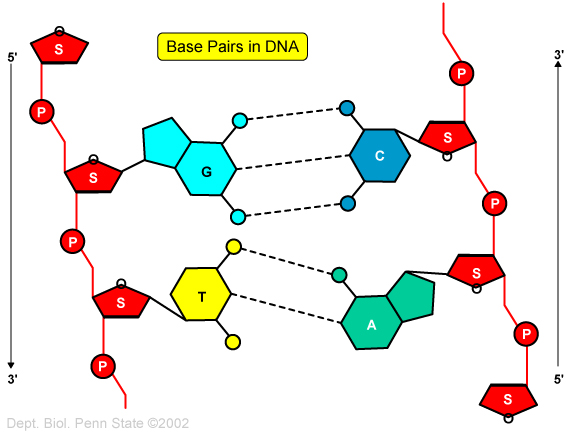

What is the correct complimentary strand for the following DNA? ATCGAG
In DNA Replication, the enzyme (a) unzips the DNA and the enzyme DNA (b) base-pairs (c) nucleotides. (d) glues two new ladders together.
Organize these nitrogenous bases into the right categories
A-T
G-C
C-G
T-A
A-G
G-T
C-A
T-G

During which phase of the cell cycle does the cell spend the most time?
Mitosis
Cytokinesis
Interphase
Match the image to the correct answer

Prophase

Metaphase

Anaphase

Telophase

Cytokinesis
Mitosis is the division of the (a)
Click where DNA replication takes place
Cytokinesis is the division of the (a)
How many phases does Mitosis have?
3
6
4
5
Match each phase with its correct description
Cell grows rapidly while carrying out normal functions.
G1 Phase
Cells must replicate their DNA before cell division to ensure that identical genetic information is passed to the next generation.
S Phase
FINISHES GROWING
Errors in DNA replication are checked- if something is wrong, cell needs to fix its errors before it divides!
G2 Phase
What are the THREE MAIN events in cell division
INTERPHASE
CYTOKINESIS
PHOTOSYNTHESIS
MITOSIS
What type of cells do we have the most of?
(a)
Put the Cell Cycle phases in order

Prophase

Metaphase

Anaphase

Telophase

Cytokinesis
What happens during G1 phase
Cell grows rapidly
DNA replication
Checks for errors in DNA
Cell divides
What happens during G2 phase
Cell grows rapidly
DNA replication
Checks for errors in DNA
Cell divides
The first phase of Mitosis is called ________
Prophase
Anaphase
Interphase
Telophase
Put the Cell Cycle events in order
Cell grows
DNA replicates
Cell prepares for Mitosis
Cell divides
(a) is the uncontrolled growth of cells, often resulting in a tumor or mass of abnormal cells
What is the result of the cell cycle?
2 cells, 23 chromosomes each
4 cells, 46 chromosomes each
4 cells, 23 chromosomes each
2 cells, 46 chromosomes each
The process of a cell developing into a certain type has two names, what are they?
Replication
Translation
Differentiation
Specialization
Cells differentiate to perform different functions because
all genes are turned on inside that cell
all genes are turned off inside that cell
different genes are turned on inside that cell
different genes are turned on or off inside that cell
There are about 200 cells in the human body. All these cells have the same DNA. True or False?
True
False
maybe
it depends upon the type
Unspecialized cells in our body that has the ability to differentiate into different types of cells are called
specialized cells
differentiated cells
nerve cells
stem cells
While all of the cells in an individual are derived from a single cell, they can differentiate to take on many different types of structure and function. Cells can become specialized because –
mutations can alter the molecular structure of cell membranes
each cell expresses a different combination of genes
scientists have discovered how to alter the DNA sequences of humans
different cells utilize various forms of RNA nucleotides
Polymerase
builds the complimentary DNA strand
Ligase
bonds DNA fragments together
Primase
Indicates whee DNA replication begins
Helicase
"unzips" the DNA


Apoptosis is
programmed cell death
mysterious cell death
programmed cellular mutation
mysterious cellular mutation
The correct sequence of mitosis:
metaphase, anaphase, telophase, prophase
prophase, metaphase, anaphase, telophase
prophase, anaphase, metaphase, telophase
telophase, metaphase, prophase, anaphase

Which part of the nucleotide codes for our traits?
phosphate
sugar
nitrogen base
Somatic (body) cell division results in
2 identical diploid (2n) cells
4 identical diploid (2n) cells
2 genetically different haploid (n) cells
4 genetically different haploid (n) cells
Prokaryotes do not have a nucleus. Which of the following is an example of a prokaryote?
Virus
Plant
Bacteria
Fungi

Besides DNA or RNA, what else is a virus made of?
a cell wall
a cell membrane
a protein coat
a carbohydrate coat
Which of the following is true for both bacteria and viruses?
both contain genetic material
can be killed using antibiotics
have a cell membrane
have a protein coat
Viruses in the lysogenic cycle can be DORMANT. This means they....
are resting and waiting to attack
speed up reactions
are infecting quickly
catalyzing proteins
T/F The influenza virus (flu) is an example of a virus that goes through the lytic cycle.
True
False
When a virus attaches to a host, what does it inject into the host
protein coat
Capsid
DNA/ RNA
Envelope
Which of the following is a risk of improperly using antibiotics to treat infections?
Bacteria may become resistant to antibiotics.
Antibiotics increase the rate of infection.
Antibiotics cause other diseases to develop.
Antibiotics only work once.
Match the following
Infected with bacteria infection
Treat with antibiotic
Prevent a viral or bacteria infection by prepping immune system
Vaccines
Only infects bacteria
Bacteriophage
All viruses contain the following (choose 2)…
Nucleus
Flagella
Genetic Material
Capsid (Protein coat)
Ribosomes
A bacterium reproduces asexually by dividing to form two new bacterial cells. What is the name of the process by which bacteria reproduce?
meiosis
mitosis
budding
binary fission
What do viruses need to reproduce?
Genetic material
A host cell
Bacteria
Insulin
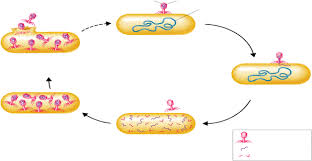
Which viral life cycle kills its host cell by lysing (bursting)?
Lysogenic Cycle
Lytic Cycle
Binary Fission
Conjugation

Which processes allows for the viruses DNA to lay "dormant" or hide in the host DNA while the cell reproduces?
Lytic
Lysogenic
Enveloped
Capsid

