
Font size
 Worksheets
INTERIM S2
Total questions: 73
Worksheet time: 1hrs 15mins
Cloning
a simple cell in the body that is able to develop into any one of various kinds of cells (such as blood cells, skin cells, etc.)
a random change to a gene that results in a new trait.
propagate (an organism or cell) to make an identical copy of
Genetic engineering
Unique DNA molecules that provide blueprints for cells to make proteins or carry out other life functions.
allows selected individual genes to be transferred from one organism into another and also between non-related species. (GMO)
DNA manipulation of cells or organisms- Genes are added, deleted or changed
Mutagen
a toxic chemical that causes damage to an organism's DNA.
a random change to a gene that results in a new trait.
organism whose genome has been altered to contain one or more genes from another organism or species.
Mutation
a toxic chemical that causes damage to an organism's DNA.
a random change to a gene that results in a new trait.
the action or process of regrowth; in particular the formation of new animal or plant tissue
Stem Cells
a toxic chemical that causes damage to an organism's DNA
a simple cell in the body that is able to develop into any one of various kinds of cells (such as blood cells, skin cells, etc.)
The basic unit of structure and function in living things. Cells can make products, be products themselves, or be used to do jobs.
Ethics means doing the right thing.
Why is it unethical and illegal to download music without paying for it?
As long as you do it only one time, there is nothing wrong with it.
It is fine to download and share only with your family and friends.
It is not unethical or illegal to download music without paying for it.
Downloading music without paying for it is like stealing it from the copyright owner.
Adaptations can be:
camouflage
ability to survive cold weather
hunting skills
all of the above
Natural selection occurs during the lifetime of a single organism.
True
False

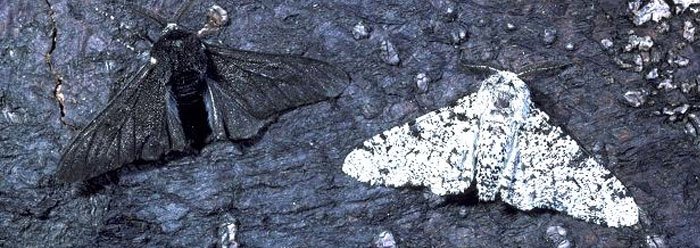
What is most likely to happen to moth populations in the picture shown?
Light moths--hunted easily, dark moths--population increase
Dark moths--hunted easily, dark moths--population increase
Light moths--hunted easily, light moths--population increase
Lights moths will change their color to match dark moths.
TRUE or FALSE: Natural selection will still occur if individuals are exactly the same.
TRUE
FALSE
How do you "win" at natural selection?
survive
go extinct
survive & reproduce

Due to pollution, a pond becomes darker over time. Which trait variation became more common?
light fish
dark fish
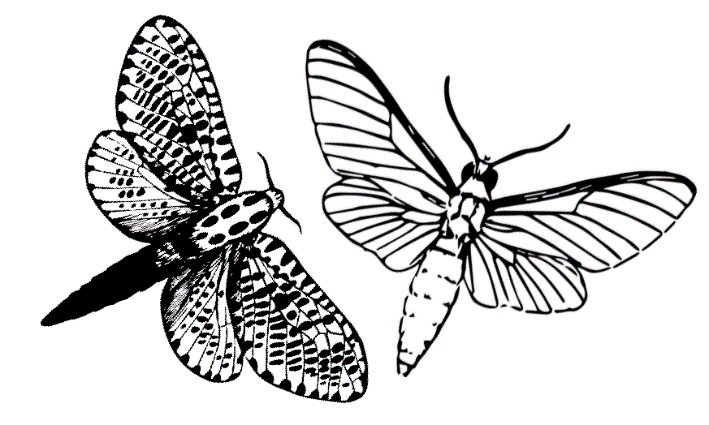
According to natural selection, light colored tree trunks would favor
light colored moths
dark colored moths
red colored moths
red and light colored moths
Natural Selection is driven by a change in the environment and survival of the
Earth
Fastest
Fittest
Biggest
Change in a population over time that descend from a common ancestor.
Natural Selection
Selective Breeding
Homeostasis
Evolution
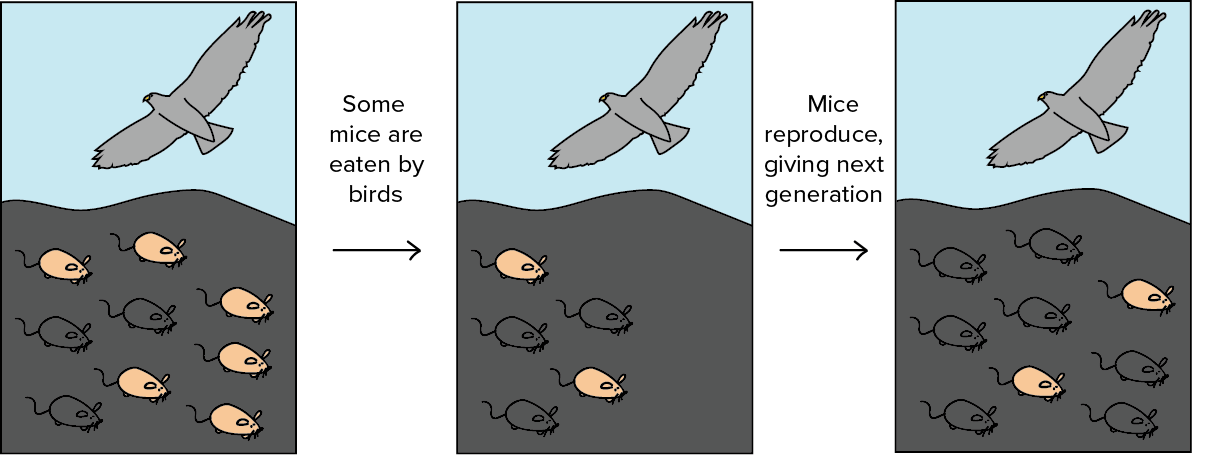
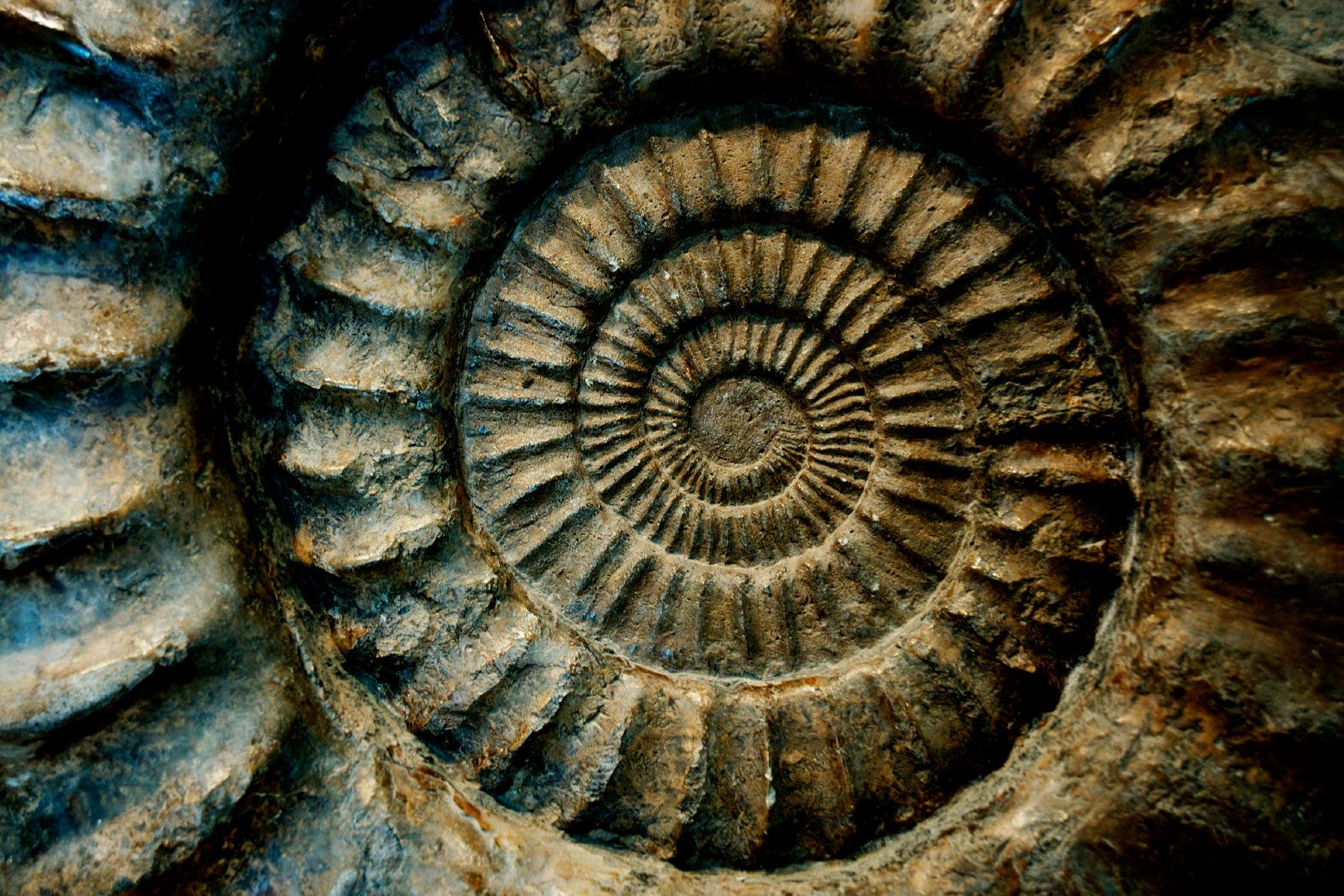

Which organism is the LEAST related to the other three organisms?
Organism 1
Organism 2
Organism 3
Organism 4
Which list correctly identifies characteristics that protists share with animals?


The white cattail is a hybrid species of plant that is a result of the cross between the broad-leaved cattail and the narrow-leaved cattail. Over time, the white cattail has established itself in the wetlands of Midwestern states.
Which of these explains the success of the white cattail?
Favorable genes from parental generations provide advantageous characteristics to the hybrid species.
Hybridization produces offspring traits that allow different species to survive in extreme environments.
Inherited traits passed on from parental generations make hybrid species more susceptible to disease.
Hybrid species display more adaptations due to their reduced genetic diversity.

Which result is most likely to occur to the beetle population due to predation over time?
The number of light-colored beetles in the population will increase.
There will be more dark-colored beetles than light-colored beetles.
The number of light-colored beetles will decrease.
The dark-colored beetles will move to a different type of tree.
Adaptations that result from natural selection are expected to increase the fitness of an organism. In terms of natural selection, which of the following best describes fitness?
Being able to escape from predators
Being among the strongest organisms in a population
Being able to survive, find a mate, and produce offspring
Being able to survive long enough to reach the adult stage
Scientists use zebra fish to study human genetic diseases because zebra fish and humans share many of the same genetic diseases.
Which statement describes why zebra fish experience similar genetic diseases as humans?
Zebra fish have an omnivorous diet similar to that of humans.
Zebra fish have nucleotide sequences similar to those of humans.
Zebra fish go through embryonic stages similar to those of humans.
Zebra fish produce gametes through a process that is similar to that of humans.

Which statement is best supported by the observable structures of the different humerus bones?
The primates lived in similar environments.
The primates shared a common ancestor.
The primates interbreed with similar organisms in a population.
The primates had diets that consisted of similar types of foods.

The diagram below gives evidence to what principle of evolution?
Species that live in the same geographic region are more likely to be closely related.
Embryonic similarities indicate how some species develop in common ways.
Humans are anatomically more advanced than other species.
Bones structures are homologous among many different species.

The diagram above can be used as a model for:
cell division through mitosis
resemblances in embryonic development
DNA similarities between organisms
natural selection
Two organisms are closely related on an evolutionary tree. They should:
share the same predators and prey
have similar embryonic development
have no anatomical differences
have undergone the same genetic mutations

Which of the following are possible scenarios for this model?
I. A new predator migrates into an ecosystem and preys on lizards that are unable to camouflage.
II. A virus kills a number of organisms that do not have a specific genetic resistance.
III. A forest fire reduces the population of cedar trees in a particular region.
I and II only
I and III only
II and III only
I, II and III
Where do adaptations come from?
The individual organism decides to adapt
Mutations that give an organism an advantage in its environment
Genetic recombination during meiosis
Both mutations and genetic recombination are sources of adaptation
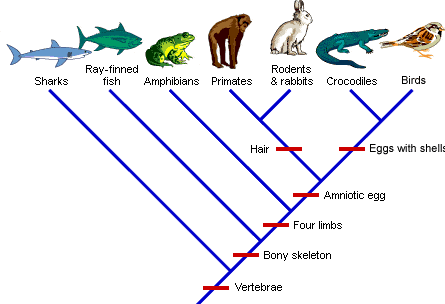
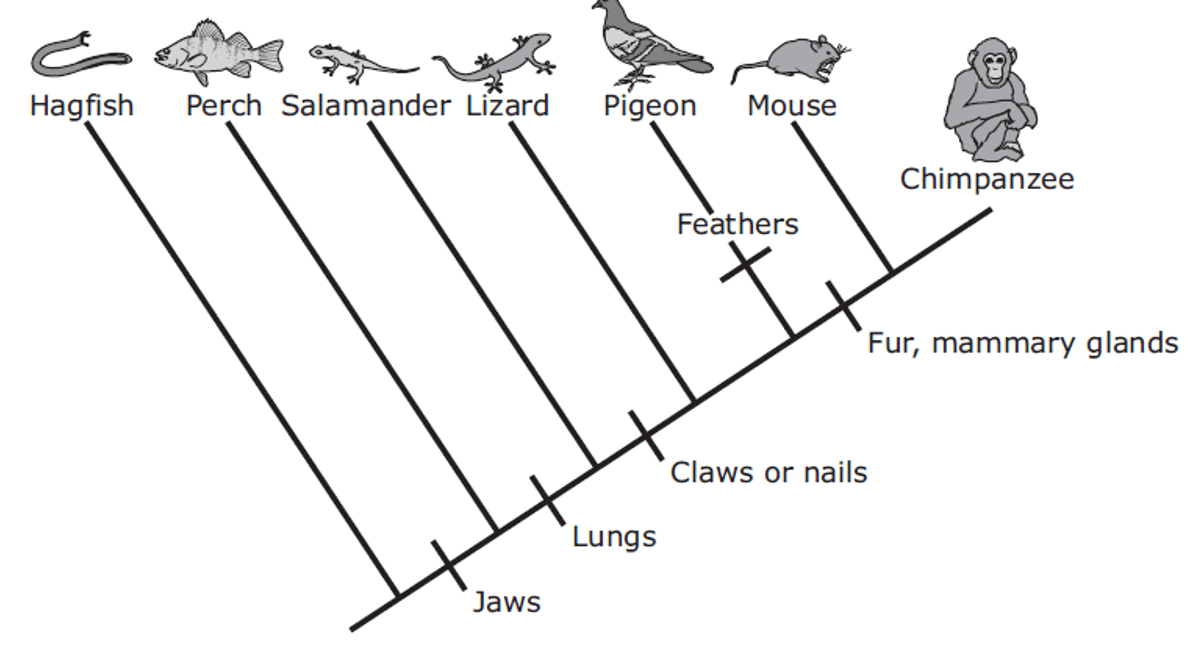
All the animals to the right of the salamander would have the common characteristic of...
Fur
Claws or nails
Lungs
Jaws
The arm of a human, the flipper of a whale, and the wing of a bat all have similar bone structures. Therefore, these parts of the body would all be considered...
homologous structures
vestigial structures
transitional fossils
common ancestors
The tail bone, wisdom teeth, and appendix are all parts of the human anatomy that would be considered...
homologous structures
vestigial structures
fossils
extinct
A bird's wing and a butterfly's wing have the same function, but they have very different structures. These structures are classified as follows:
homologous structures
analogous structures
vestigial structures
embryological homologues

Two organisms that are closely related would have
very similar DNA sequence
exactly the same DNA sequences
no proteins in common
completely different DNA sequence

Based on the number of differences in amino acid sequence, which pair of organisms is least related to each other?
Fruit fly-wheat
Human - wheat
Fruit fly- pigeon
Human-horse
The study of embryological development provides anatomical evidence for evolution because...
all vertebrate embryos pass through the same stages of development in the same sequence.
all vertebrates are born with gills and a tail.
all vertebrate embryos have completely different stages of development that look nothing alike.
all plants and animals have wings, even if you can't see them when they are born.

In this example of natural selection, what environmental factor is acting as a selection force - or environmental pressure - on the giraffe?
Food is found on tree tops
Having a long neck
Being cursed with beauty
Having spots that act as camouflage
If you have a dramatic change resulting in a new species in between long stretches of time with no change this would be
Gradualism
Swift speciation
Punctuated Equilibrium
Convergent evolution is when
Species share traits due to a common ancestor
Species have similar traits because of similar environment
Species have same traits due to different environments
Which of the following is an example of divergent evolution
homologous structures
analogous structures
Coevolution is the
Species looking similar due to a common ancestor
Species looking similar due to a common environment
evolution of two species that do not interact
evolution of one species in response to evolution in another species
If an animal evolves to be more camouflaged in an environment, and another animal evolves a better ability to sense movement. This would be
Divergent Evolution
Coevolution: predator Pray
Coevolution: mimicry
If you have a dramatic change resulting in a new species in between long stretches of time with no change this would be
Gradualism
Swift speciation
Punctuated Equilibrium


Whales are aquatic mammals that contain a pelvis (hip) bone. Even though it does not aid in its movement, the function must have been used by a common ancestor of the whale. Thus, the pelvis is referred to as a(n)
vestigial structure
analogous structure
homologous structure
Which of the following are selection pressures in nature?
Selective breeding by humans
Available food
classification of organisms
Competition for mates
Hot, dry climate
Which of the following are examples of geographic isolation?
When a storm blows a population of finches to a new island so they can no longer mate with the finches on the mainland
A mountain range prevents two types of goat from mating, causing the gene pool to become less varied
Two populations of deer living near each other happen to mate during different times of the year
A deepening canyon cuts two populations of squirrels off from each other
Two populations of birds have developed different mating calls

What does the similarity of these structures tell us about these organisms?
They grow at different rates
they have a common ancestor
They evolved slowly
They do the same thing
Occasionally a mutation produces a bird with a new characteristic. What determines whether this bird will be the beginning of a new species?
The bird must dominate the other birds and reduce their ability to reproduce
The bird must be able to live in the usual environment for that fish
The mutation must provide some type of advantage for the bird
The mutation must make the bird very different from other fish
The Endosymbiotic Theory explains
the origin of prokaryotes
how bacteria lives
the origin of eukaryotes
how species develop

Bacteria are an example of a ____ cell.
prokaryotic
eukaryotic
plant
animal
_____ and _____ are organelles that arose from endosymbiosis
nucleus and cell membrane
mitochondria and chloroplasts
cell wall and chloroplasts
mitochondria and nucleus
Which type of cell does NOT contain membrane-bound organelles?
plant cells
animal cells
prokaryotic cells
eukaryotic cells
Which of the following is evidence to support the endosymbiotic theory?
Mitochondria and chloroplasts have their own DNA, which is similar to prokaryotic DNA.
Fossil evidence shows that the first forms of life were prokaryotic cells.
All eukaryotic cells have a double-layered membrane composed of phosplipids and proteins.
Prokaryotes have the same number and types of enzymes as eukaryotes.
Multi-celled organisms that contain a nucleus are referred to as
eukaryotes
prokaryotes
Single celled organisms that do not contain a nucleus are referred to as
eukaryotes
prokaryotes
Thermophiles, Halophiles, and Methanogens all exist in extreme environments. What domain do these organisms belong to?
Eukarya
Archaea
Bacteria

Where is the alligator and T. rex's common ancestor?
Point A
Point B
Point C
Point D
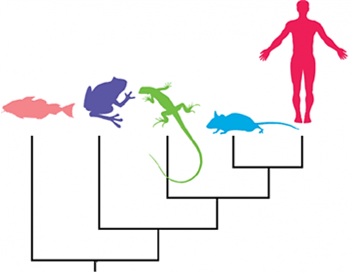
What is the human most closely related to?
Fish
mouse
Salamander
Human
________________ have strong cell walls (have peptidoglycan) and may cause common diseases such as strep throat and pneumonia.
eubacteria
fungi
archaebacteria
protist
If living things with pseudopeptidoglycan are found on Mars they would probably belong to which of the following kingdoms?
Animalia
Plantae
Archaebacteria
Protista

