wayground logo

Free Printable Worksheets

Font size

S
M
L
XL
Worksheets

Year 8 Term 4 pre-exam MEGA quiz

Total questions: 156

Worksheet time: 2hrs 57mins

Name
Class
Date
1.
The variable measured in an experiment is:
a)
The independent variable
b)
A null hypothesis
c)
The dependent variable
d)
An alternative hypothesis
2.

Jeff is 6 feet 2 inches is a ___________ observation

a)

Qualitative

b)

Quantitative

3.

Sarah hypothesized that because heat moves from warmer objects to cooler objects until it reaches equilibrium, hot tea would lose its heat faster in cold weather than in warm weather.


In order to test this hypothesis, which of the following should be the independent variable?

a)

the type of tea used

b)

the rate at which hot tea cools

c)

the air temperature

d)

the final temperature of the tea

4.
The cake has a sweet smell is a _______ assessment. 
a)
Qualitative
b)
Quantitative
5.
If I water the plant more often, then it will grow taller.  Name the independent variable.
a)
The height of the plant
b)
The size of the pot
c)
The amount of water
d)
The amount of light.
6.
If I water the plant more often, then it will grow taller.  Name the dependent variable.
a)
The amount of water.
b)
The amount of soil.
c)
The height of the plant.
d)
The amount of water.
7.

If I water the plant more often, then it will grow taller. Which of these is not a constant?

a)

The amount of soil.

b)

The pot size.

c)

The type of plant.

d)

The amount of water.

8.
Does the size of deer effect the size of its heart?
What is the IV?
a)
Size of Deer
b)
Gender of Deer
c)
Size of its heart
d)
Age of deer, gender, and height
9.

Students wanted to see if the type of material affected the temperature after being placed under a heat lamp for 10 minutes.

What is the dependent variable for this investigation?

a)

Type of material (rocks, sand etc)

b)

Temperature after 10 minutes

c)

Time under the lamp

d)

Heat lamp, amount of material

10.
A scientist hypothesizes the the temperature at which an alligator's egg is incubated will determine whether the alligator will be male or female. The dependent variable is
a)
the size of the baby alligators
b)
the gender of the baby alligators
c)
the incubator
d)
the temperature
11.
In this graph, what is the independent variable? 
a)
Population
b)
Day
c)
Species 5
12.
In this graph, what is the dependent variable? 
a)
Walla Walla Island
b)
Time
c)
Number of Deer
13.

The scientist who developed the big idea called "sea-floor spreading"

a)

Alfred Wedgener

b)

Harry Hess

c)

Edward Dutton

d)

Ortelius

14.

Why did no one believe Wegener's thoery that the continents were once together?

a)

He could not explain HOW the continents moved

b)

He didn't have evidence

c)

His data was wrong

d)

He didn't use the right technology to gather data

15.

The movement of the tectonic plates is caused by

a)

the rotation of the Earth

b)

convection currents in the Asthenosphere

c)

the gravity of the iron-nickel core

d)

the Moho discontinuity

16.

Which layer of the Earth consists of tectonic plates?

a)

asthenosphere

b)

mantle

c)

mesosphere

d)

lithosphere

17.
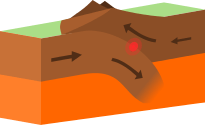
What type of event will occur at this boundary?
a)
Earthquake
b)
Volcano Eruption
c)
Tornado
d)
Mountain Building
18.
What type of plate boundary is this?
a)
Plate
b)
Divergent
c)
Convergent
d)
Transform
19.
A divergent boundary occurs when plates ....
a)
Pull apart
b)
Come together
c)
Slide past each other
d)
subducting
20.

Which of the following is the name of the ancient supercontinent formed 280 Million Years ago.

a)

Pangea

b)

Gondwanda

c)

Laurasia

d)

Neverland

21.
Which of the following is NOT evidence to support the theory of plate tectonics?
a)
Fossils
b)
Mountains
c)
Glaciers
d)
Sand Erosion
22.
As you travel from the inner core to the crust, how would temperature, pressure and density of the material change?
a)
The would all increase
b)
The would all decrease.
c)
Nothing, the layers are made of the same material throughout
d)
Temperature would decrease, but pressure and density would increase
23.
The diagram shows what can occur when two continental plates collide.Which characteristic of the Indian Plate explains why it moves under the Eurasian Plate?
a)
It is larger.
b)
It is denser.
c)
It is molten.
d)
It is younger.
24.
What forms at a convergent boundary between a continental plate and an oceanic plate?
a)
volcanoes
b)
rift valleys
c)
faults
d)
mid-ocean ridges
25.
A rift valley occurs at a ____________ boundary.
a)
divergent
b)
convergent
c)
transform
d)
horizontal
26.
What is the process in which hot molten rock rises, then cools and sinks back to the core?
a)
plate tectonics
b)
continental drift
c)
convection
d)
divergence
27.
A fault forms at a _________ boundary.
a)
transform
b)
divergent
c)
horizontal
d)
convergent
28.
What type of boundary is shown at A?
a)
transform
b)
convergent
c)
divergent
d)
subduction
29.
What is happening at point B?
a)
subduction
b)
a divergent boundary
c)
convection
d)
an earthquake
30.
Which type of rock results from melting and cooling of magma?
a)
Igneous
b)
Metamorphic
c)
Sedimentary
d)
Extrusive
31.
Which type of rock forms from extreme heat and pressure?
a)
Igneous
b)
Sedimentary
c)
Organic
d)
Metamorphic
32.
A metamorphic rock changes into an igneous rock by what two processes?
a)
Melting and cooling
b)
Extreme heat and pressure
c)
Compaction and cementation
d)
Weathering and erosion
33.
Wind, water, and ice breaking down rock is called
a)
Erosion
b)
Deposition
c)
Compaction
d)
Weathering
34.
The process in which dissolved minerals crystallize and glue sediment together.
a)
compaction
b)
deposition
c)
organic rock
d)
cementation
35.
When sediments are pressed together tightly, this is called ____________.
a)
Compaction
b)
Cementation
c)
Weathering
d)
Erosion
36.
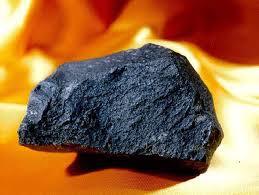
This rock was found near the mouth of a volcano. What type of rock is this?
a)
Sedimentary
b)
Igneous
c)
Metamorphic
37.
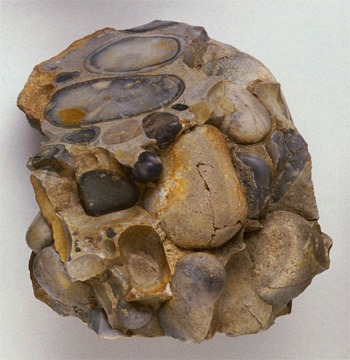
This rock was formed by smaller pieces of rock that settled at the bottom of a lake millions of years ago. What type of rock is this?
a)
Sedimentary
b)
Igneous
c)
Metamorphic
38.
This rock is made from tiny pieces of other rocks that settled to the bottom of a valley millions of years ago. What type of rock is this?
a)
Sedimentary
b)
Igneous
c)
Metamorphic
39.
Fossils are often found in ____________ because it is formed from the remains of once living things.
a)
metamorphic
b)
magma
c)
igneous
d)
sedimentary
40.

When weathering breaks rocks into pieces, what do we call those smaller pieces?

a)
texture
b)
weathering
c)
sediment
d)
erosion
41.

The process by which sediment is moved from one place to another.

a)

weathering

b)

Uplift

c)

Deposition

d)

Erosion

42.

What is the energy source for igneous rocks to form?

a)

Earth's hot interior

b)

the sun

c)

gravity

d)

magnetism

43.

What is magma called when it is above ground?

a)

magma

b)

sediments

c)

lava

d)

metamorphic

44.

Where do metamorphic rocks form?

a)

underwater

b)

near volcanoes

c)

deep underground

d)

in the air

45.

Where do sedimentary rocks form?

a)

underwater

b)

deep underground

c)

near volcanoes

d)

in the air

46.

What is hardness?

a)

whether a mineral can break an object.

b)

whether a mineral can be broken.

c)

whether a mineral can scratch something else or be scratched.

d)

whether a mineral can be shiny

47.

The basic building blocks of rocks:

a)

Crystal

b)

Acids

c)

Magma

d)

Minerals

48.

Characteristics of intrusive igneous rock:

a)

Rapid cooling

b)

glassy texture

c)

coarsed grain

d)

Fine grain

49.

4 processes in the formation of sedimentary rock (in chronological order)

(first to last)

a)

compaction,

deposition,

weathering,

mass wasting

b)

erosion,

decomposition,

compaction,

cementation

c)

compoction, erosion,

cementation,

decomposition

d)

erosion,

deposition,

compaction,

cementation

50.
The property of splitting easily along flat surfaces
a)
fracture
b)
hardness
c)
cleavage
d)
streak
51.
The color of a minerals powder
a)
luster
b)
streak
c)
hardness
d)
texture
52.
Minerals are the building blocks of _____________.
a)
elements
b)
atoms
c)
fossils
d)
rocks
53.
Minerals are inorganic which means that
a)
they were once parts of living things.
b)
renewable
c)
they were never part of anything living.
d)
they are nonrenewable
54.

What kind of energy does an object possess when it's resting on top of the hill?

a)

Potential Energy

b)

Chemical Energy

c)

Kinetic Energy

d)

All of the above

55.

A kettle uses 100J of electrical energy to produce 7J of sound energy and 93J of thermal energy. How efficient is the kettle?

a)

100%

b)

7%

c)

93%

d)

95%

56.

A washing machine uses 250J of electrical energy to produce 125J of useful energy. How efficient is it?

a)

5%

b)

50%

c)

55%

d)

100%

57.
What type of device might this Sankey be about?
a)
A very efficient LED light bulb
b)
A very inefficient incandescent light bulb
c)
A coal power plant
d)
A wind turbine
58.
The law of conservation of energy states that when one form of energy is converted into another,
a)
energy is destroyed in the process
b)
no energy is destroyed in the process
c)
energy is created in the process
d)
some amount of energy cannot be accounted for
59.

Heat energy is also called ______ energy.

a)

chemical

b)

electrical

c)

mechanical

d)

thermal

60.
A material that reduces or prevents the transfer of energy.
a)
conductor
b)
conduction
c)
radiation
d)
insulator
61.
A material that transfers energy easily.
a)
insulator
b)
heat
c)
conduction
d)
conductor
62.
In energy transformations, "wasted energy" usually takes what form?
a)
heat
b)
chemical energy
c)
light
d)
sound waves
63.

Energy is:

a)

The ability to do work

b)

The amount of power

c)

Movement

d)

Causing things to happen

64.

Kinetic energy is

a)

Stored energy

b)

Force acting on objects

c)

Associated with movement

d)

Measured in speed

65.

Potential energy is:

a)

A type of kinetic energy

b)

A fuel

c)

Associated with movement

d)

Stored energy

66.

What type of energy is in this picture?

a)

Kinetic energy

b)

Rubber energy

c)

Elastic energy

d)

Stored energy

67.

When glow sticks snap, they produce a glow. What energy transformation takes place?

a)

Thermal to light

b)

Light to radiant

c)

Potential to heat

d)

Chemical to light

68.

The following scenario relates to a rollercoaster:

When at the top of a hill, a cart has _________ energy, as it travels down the track, it has _______ energy.

a)

Kinetic, potential

b)

potential, generational

c)

potential, kinetic

d)

kinetic, exhilirating

69.

What type of energy transformation would occur when a piece of wood is burnt?

a)

Electrical energy is released as radiant energy

b)

Mechanical energy is stored as chemical energy

c)

Stored chemical energy is released as thermal energy

d)

No transformation occurs

70.

Which position has the highest potential energy?

a)

1

b)

2

c)

4

d)

6

71.
A television works by transforming electrical energy into what other kinds of energy?
a)
Light, thermal, and sound
b)
Thermal, chemical, and solar
c)
Sound, mechanical, and electrical
d)
Light, chemical, and mechanical
72.
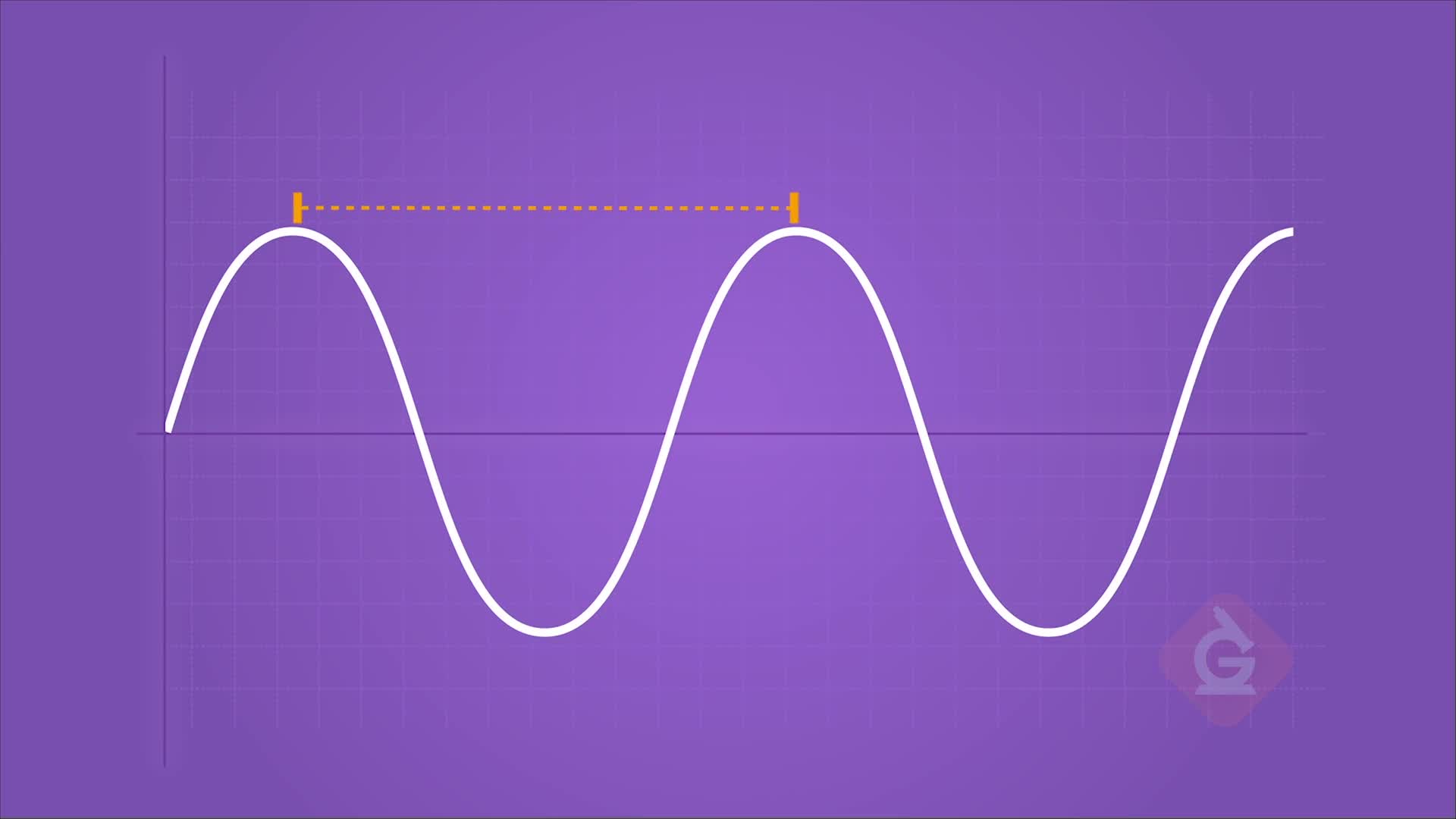
What is the distance from the peak of one wave to the next peak?
a)
Amplitude
b)
Frequency
c)
Period
d)
Wavelength
73.
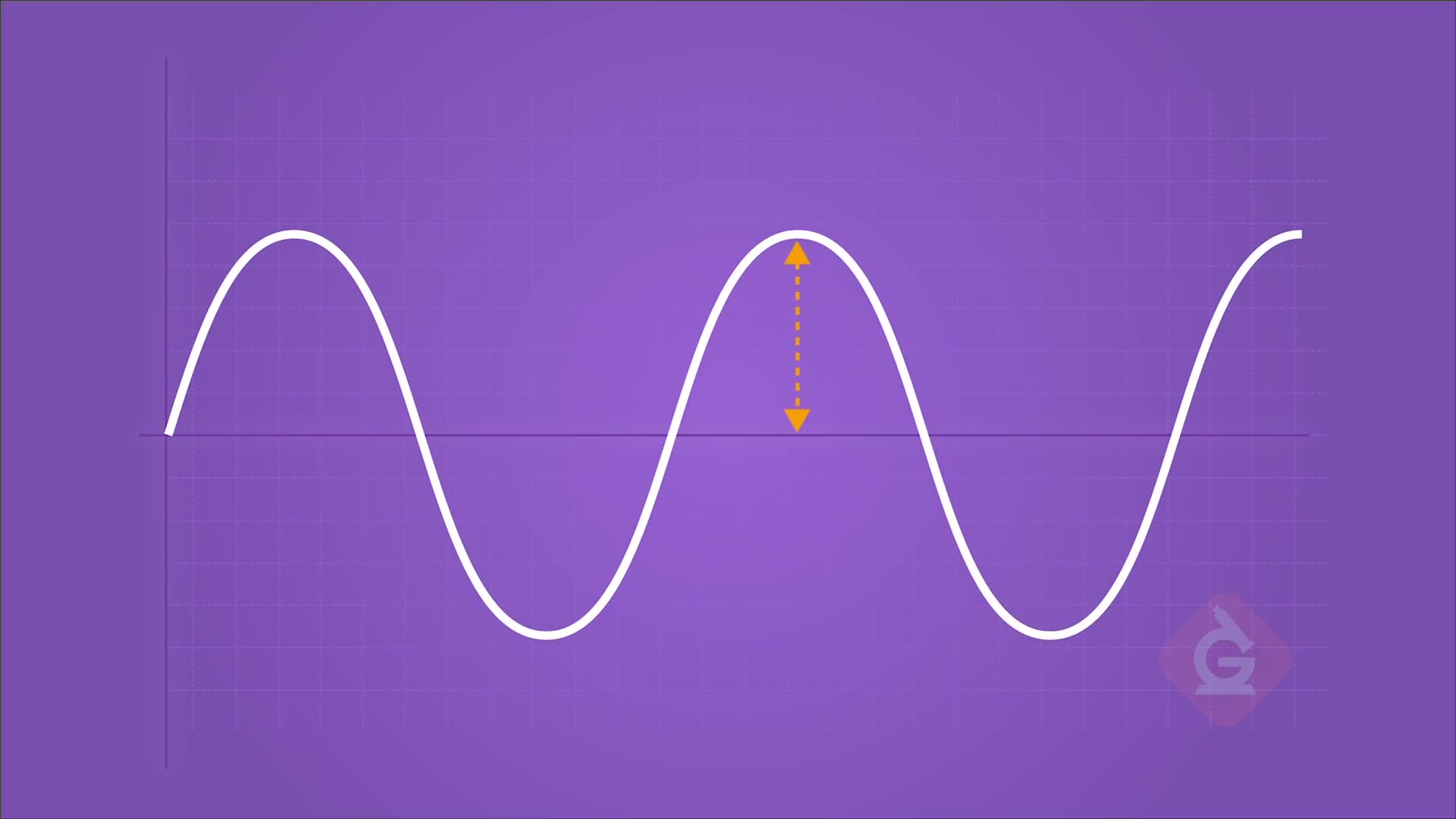
What is the height of a wave from its resting point?
a)
Amplitude
b)
Frequency
c)
Period
d)
Wavelength
74.
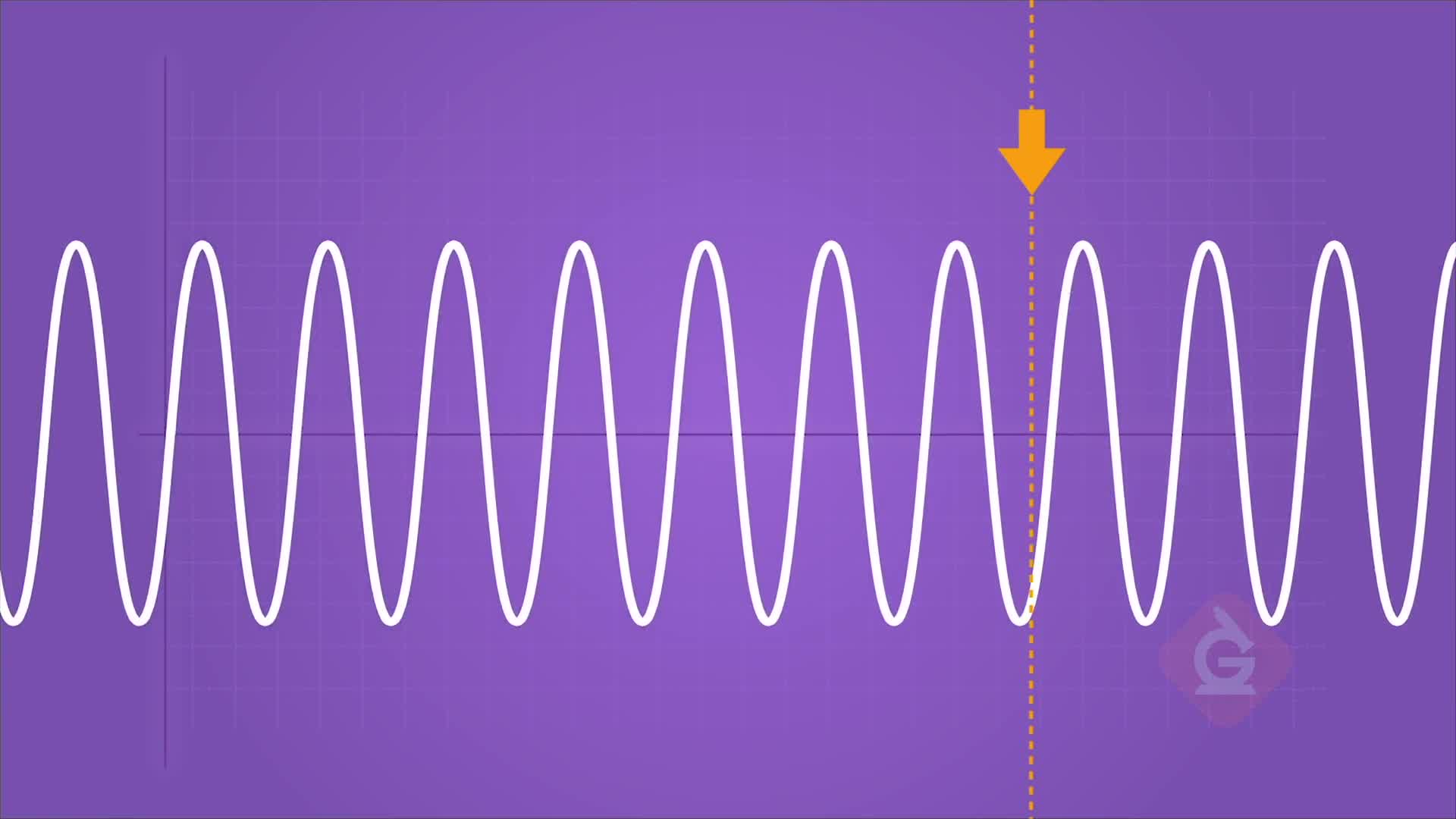
What is the number of waves that pass a point in one second?
a)
Amplitude
b)
Frequency
c)
Period
d)
Wavelength
75.
These high-energy waves are given off by radioactive materials.
a)
Gamma
b)
Microwaves
c)
Radio
d)
Ultraviolet
76.
These waves make water molecules vibrate and warm up.
a)
Gamma
b)
Microwaves
c)
Radio
d)
Ultraviolet
77.
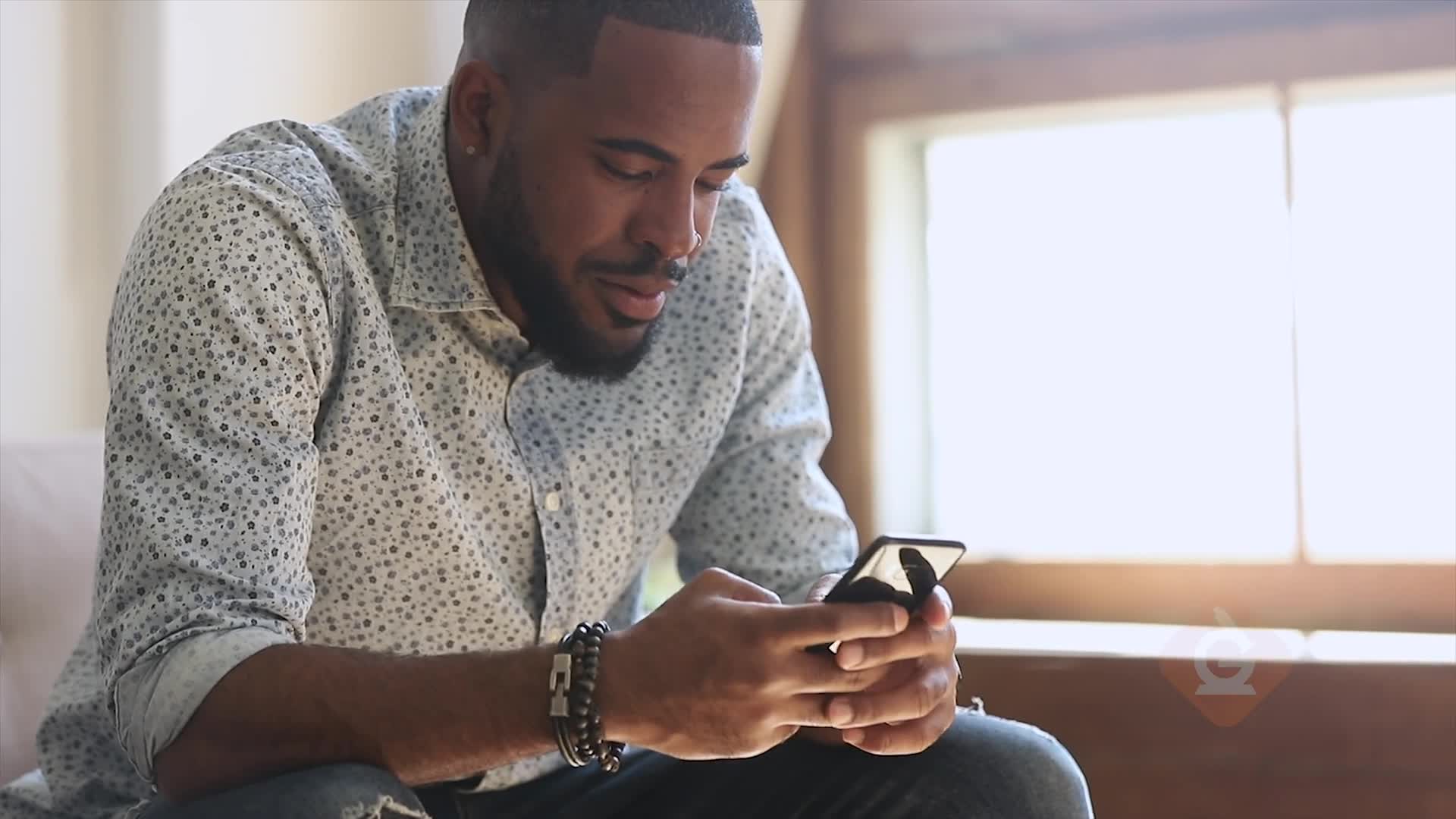
These waves are used to send signals, including WiFi and text messages.
a)
Gamma
b)
Microwaves
c)
Radio
d)
Ultraviolet
78.
These waves from the sun cause sunburn.
a)
Gamma
b)
Microwaves
c)
Radio
d)
Ultraviolet
79.
Increasing the amplitude of a wave, _________ the wave's energy.
a)
increases
b)
decreases
c)
does not change
80.
The energy of waves _______ as the wavelength gets shorter.
a)
increases
b)
decreases
c)
stays the same
81.

Electromagnetic waves can travel through the vacuum of (a)   .

82.

What type of wave has the largest wavelength and the lowest frequency on the electromagnetic spectrum?

a)

Radio

b)

Micro

c)

Gamma

d)

X ray

83.

The medical profession uses _______ to sterilize medical equipment - just like the google cabinet in the science classroom.

a)

Infrared

b)

x ray

c)

Gamma

d)

Ultraviolet

84.

Heat seeking missiles use _____________ electromagnetic technology.

a)

Gamma

b)

X ray

c)

Microwave

d)

Infrared

85.

As the wavelength of an electromagnetic wave gets LONGER, the frequency gets ____________.

a)

Lower

b)

Higher

c)

does not change

d)

doubles

86.

The lowest point on a wavelength is a(n) ____________.

a)

value

b)

trough

c)

crest

d)

medium

87.
How much of the electromagnetic spectrum is visible?
a)
All of it
b)
None of it
c)
Most of it
d)
Only a small part
88.
High frequency waves have _________ wavelengths.
a)
varying
b)
long
c)
the same
d)
short
89.
Which has the LONGEST wavelength and, therefore, the lowest frequency/energy
a)
Gamma Rays
b)
Radio Waves
c)
Visible Light
d)
Infrared rays
90.
Which has the SHORTEST wavelength and, therefore, the highest frequency/most energy
a)
Radio waves
b)
Ultraviolet Rays
c)
Gamma Rays
d)
X-rays
91.
What are the units of frequency?
a)
m/s
b)
s
c)
Hz
d)
m
92.

What is the best explanation for Mickey seeing himself in the mirror?

a)

refraction

b)

absorbed

c)

reflection

d)

flipped

93.
a)
Reflection
b)
Refraction
94.
........... – the angle between the normal and the reflected ray.
a)
Angle of incidence
b)
Angle of reflection
c)
Angle of coincidence
d)
Angle of direction
95.
What is reflection?
a)
Reflection is the bouncing  of light off the surface that it strikes on.
b)
Reflection is the absorbing of light off the surface that it strikes on.
c)
Reflection is the bending of light off the surface that it strikes on.
d)
Reflection is the scattering of light off the surface that it strikes on.
96.
........... – the angle between the normal and the incident ray.
a)
Angle of incidence
b)
Angle of reflection
c)
Angle of coincidence
d)
Angle of direction
97.
The imaginary line perpendicular to a reflecting surface is called _____.
a)
crooked line
b)
parallel line
c)
angular line
d)
normal line
98.

In the diagram, which letter represents the angle of incidence?

a)

A

b)

B

c)

C

d)

D

99.
MCQ 02
Why can you see most objects?
a)
A. they emit light
b)
B. light refracts through them
c)
C. light reflects off them
d)
D. they absorb light
100.

A student placed a pencil in a cup of water. The pencil appears broken because light

a)

always travels in a straight line.

b)

bends when it passes through water.

c)

makes the water in the glass evaporate.

d)

reflects the pencil on the water's surface.

101.

When light passes at an angle to the normal from one medium into another in which its speed is higher

a)

it is bent toward the normal.

b)

it always lies along the normal.

c)

it is unaffected.

d)

it is bent away from the normal.

102.
How is light affected by an increase in the index of refraction?
a)
Its frequency increases
b)
Its frequency decreases
c)
Its speed increases
d)
Its speed decreases
103.
Light has the lowest velocity in which medium?
flint glass n=1.70
barium glass n=1.60
crown glass n=1.523
water n=1.33
diamond n=2.45
a)
diamond
b)
water
c)
flint glass
d)
barium glass
104.
Glass has a _____________ index of refraction than air.
a)
Equal
b)
Greater
c)
Less
d)
Impossible to say
105.

Based on the image, as light passes from medium 1 to medium 2

a)

light speeds up and bends towards the normal

b)

light speeds up and bends away from the normal

c)

light slows down and bends towards the normal

d)

light slows down and bends away from the normal

106.
How does light behave as it enters these mediums?
a)
continue its path as straight line.
b)
bends toward the normal
c)
bends away from the normal
d)
reflects
107.

Which medium would be noticed to have the least refraction?

a)

Honey

b)

Water

c)

Air

d)

Silicon

108.

The handle of a metal spoon warms up when it is placed in a hot bowl of soup because of ________.

a)

convection

b)

radiation

c)

conduction

109.
Heat is the movement of ______.
a)
radiation
b)
thermal energy
c)
cold
d)
fire
110.
Thermal energy ALWAYS moves from _____ to _____.
a)
solid to liquid
b)
ice to water
c)
hot to cold
d)
solid to gas
111.
If an object has particles that are moving very quickly, the object 's temperature is probably _____.
a)
cold
b)
slow
c)
big
d)
hot
112.

When the particles of an object move faster, what happens to the temperature?

a)

The temperature goes up.

b)

The temperature stays the same.

c)

The temperature goes down.

d)

The temperature cannon be taken.

113.

A wooden, plastic, and metal spoon are placed in hot water. Which spoon would get hot the fastest?

a)

wooden

b)

plastic

c)

metal

d)

none

114.
What is the transfer of heat by movement of liquids or gases?
a)
Radiation
b)
Convection
c)
Conduction
d)
Heat
115.
What is a transfer of heat energy by electromagnetic waves?
a)
Radiation
b)
Convection
c)
Conduction
d)
Heat
116.
What is the transfer of heat by direct contact?
a)
Convection
b)
Electromagnetic waves
c)
Radiation
d)
Conduction
117.
What is the measurement of the average kinetic energy of a substance?
a)
Kinetic energy
b)
Temperature
c)
Thermal energy
d)
Potential energy
118.
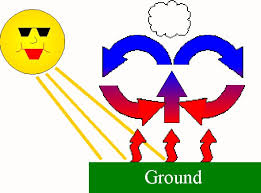
Warm air rises and the cool air sinks. This is...
a)
conduction
b)
convection
c)
radiation
119.
When the temperature of matter decreases the particles ...
a)
speed up and move farther apart
b)
speed up and move closer together
c)
slow down and move farther apart
d)
slow down and move closer together
120.
Phase change from a solid to a liquid...
a)
melting
b)
freezing
c)
evaporation
d)
condensation
121.
Phase change from a liquid to solid?
a)
Melting
b)
Condensation
c)
Evaporation
d)
Freezing
122.
You're holding hands with your best friend.  Your friend's hands are REALLY warm and yours are really cold.  After a few minutes, this has changed.  How might you explain what happened?
a)
The cold energy from your hand transferred to your friend's hand through conduction.
b)
The heat energy from your friend's hand transferred to your hand through conduction. 
c)
The cold energy from your hand transferred to your friend's hand through convection.
d)
The heat energy from your friend's hand transferred to your hand through convection.
123.
On a hot summer day, a student dropped an ice cube onto a park bench. Within minutes, the ice cube melted. Which method of heat transfer best describes the process the student observed?
a)
radiation
b)
melting
c)
conduction
d)
convection
124.

When you heat the particles in air they...

a)

Sink

b)

Stay in the same spot

c)

Rise and sink

d)

Rise

125.

Which two of the listed materials are good conductors of heat?

a)

Copper

b)

Plastic

c)

Gold

d)

Fabric

126.

Identify the method of heat transfer for the following scenario:

Your back feels warm when you are sitting in the sun.

a)

Convection

b)

Conduction

c)

Radiation

127.

Identify the method of heat transfer for the following scenario:

You feel cold when you dive into a pool.

a)

Convection

b)

Conduction

c)

Radiation

128.

Identify the method of heat transfer for the following scenario:

You feel warm sitting next to the fire.

a)

Convection

b)

Conduction

c)

Radiation

129.

Which colour absorbs more heat?

a)

White

b)

Black

c)

Silver

130.

Forces can be described as

a)

pushes

b)

pulls

c)

pushes or pulls

d)

I don't know

131.

Forces are measured in

a)

Newtons

b)

grams

c)

metres

d)

millilitres

132.

What happens if forces are balanced?

a)

The object will move left

b)

The object will move right

c)

The object will keep moving at the same speed in the same direction

d)

The object will keep moving in the same direction but slow down

133.

What happens if forces are unbalanced?

a)

The object will changed direction, shape or speed

b)

It will move left

c)

It will move right

d)

It will only slow down

134.

Forces are represented using which shape?

a)

squares

b)

triangles

c)

circles

d)

arrows

135.

When do we see friction?

a)

when we pull something

b)

when one surface slides over another

c)

when we push something

d)

when we lift something

136.

Which surface is likely to cause the least friction?

a)

a rough surface

b)

a smooth surface

c)

a large surface

d)

a small surface

137.

Matter is pulled to the ground by

a)

space

b)

gravity

c)

air

d)

soil

138.
What force holds the planets in motion around the sun?
a)
Magnetic
b)
Electrical
c)
Gravitational
d)
Air Resistance
139.
What is the net force?
a)
20 N 
b)
0 N 
c)
400 N 
d)
40 N 
140.
What is the net force?
a)
10 N
b)
0 N
c)
25 N
d)
1 N
141.

How did geologists feel about Wegener's theory?

a)

They ridiculed him and did not accept his theory.

b)

They were thrilled with him for finding the answers.

c)

They accepted only a part of his theory.

d)

They did not agree, but welcomed his work.

142.

After WWII, what was discovered in the oceans that supported his theory?

a)

mountains in the middle of the ocean

b)

fossils of plants

c)

a crater from a meteorite impact

d)

fossils of animals

143.

"it appeared that the floor of the ocean was pulling apart, and magma from deep in the Earth was oozing up to form mountains."

What type of boundary is described above?

a)

divergent

b)

convergent

c)

transform

d)

subduction

144.

Who first proposed the idea of Continental Drift?

a)

Harry Hess

b)

Alfred Wegener

c)

Albert Einstein

d)

Galileo Galilee

145.

Most geologists rejected Wegener's idea of Continental Drift because _________.

a)

He didn't have enough evidence to support his idea.

b)

He wanted to know what the Earth looked like millions of years ago, which was impossible.

c)

He didn't have a good explanation of what would cause continents to move around.

d)

They were afraid of the new idea.

146.

Wegener used matching matching fossils of the same organisms on different continents as evidence to support his hypothesis of Continental Drift.

a)

true

b)

false

147.

Wegener used the fit of the continents as evidence to support his hypothesis of Continental Drift.

a)

true

b)

false

148.

Wegener used the magnetic striping on the seafloor showing polar reversals as evidence to support his hypothesis of Continental Drift.

a)

true

b)

false

149.
The core is made-up of what two elements?
a)
iron and nickel
b)
iron and oxygen
c)
nickel and silicon
d)
oxygen and silicon
150.
Which layer is made of the crust and upper mantle?
a)
lithosphere
b)
asthenosphere
c)
mesosphere
d)
outer core
151.

Which layer is the thinnest?

a)

crust

b)

mantle

c)

outer core

d)

inner core

152.
Which statement is true about oceanic crust?
a)
It is made of melted rock.
b)
It is the thinner than continental crust.
c)
It is thicker than continental crust.
d)
It is made of liquid metal.
153.
Which layer has the hottest temperatures?
a)
inner core
b)
outer core
c)
mantle
d)
crust
154.
What kind of crust do we live on?
a)
oceanic crust
b)
continental crust
155.

The lithosphere includes the _____ and part of the _____.

a)

core, crust

b)

mantle, core

c)

crust, core

d)

crust, mantle

156.

Which compositional layer is represented by the yellow layer?

a)

inner core

b)

outer core

c)

mantle

d)

crust