
 Worksheets
Cell Organelles Quiz
Total questions: 81
Worksheet time: 2hrs 10mins

All living things are made of...
atoms
cells
bacteria
plants

Where is the DNA found in a prokaryotic cell?
floating around in the cytoplasm
in the nucleus

Under a microscope, what kind of cells lack (do not have) membrane-bound organelles?
Prokaryotes
Eukaryotes
Plants
Animals

Controls what enters/leaves a cell
cell membrane
Nuclear membrane
cell wall
cytoplasm

control, read, and direct the cell using DNA instructions
nucleus
mitochondria
endoplasmic reticulum
lysosome

stiff, protective outer layer of plant cells
cell membrane
nuclear membrane
cell wall
cytoplasm

releases the energy for cells to use by creating ATP
mitochondria
ribosomes
lysosomes
nucleolus

Amino acids link together to form proteins. In which organelle would this process occur?
Lysosome
Ribosome
Centriole
Mitochondria

packages proteins for delivery
Endoplasmic reticulum
ribosomes
golgi apparatus
lysosomes

hold/store water, mainly found in plant cells
nuclolus
ribosomes
golgi bodies
vacuoles

break down (digest) worn out cell parts, mostly in animal cells
cytoplasm
lysosomes
mitochondria
vacuoles

Jello-like material, fills the space between cell organelles and holds them securely in place.
cytoplasm
chromatin
chloroplast
cell membrane


What is the function of the golgi? The "warehouse" of the cell.
package, sort, and store proteins
synthesize proteins
intracellular digestion
ATP production
chloroplast
nuclei
ribosomes
vesicle
What organelle determines what comes into and out of the cell?
nucleus
mitochondria
ribosome
cell membrane
Which of these do plant cells have that animal cells do NOT have?
cell wall
large central vacuole
chloroplasts
all of these
Contains digestive enzymes to break down waste for reuse. The "recycling center" of the cell.
Smooth ER
Cytoplasm
Lysosome
FLagella
Where DNA and chromosomes are stored in a eukaryotic cell. The "library" of the cell.
Nucleus
Rough ER
Cell Wall
Mitochondria
Which organelle hugs the nucleus and has ribosomes attached to it?
Rough ER
Cell Wall
Mitochondria
Smooth ER
Serves as a semi-permeable boundary between the cell and its environment. The "border security" of the cell.
Ribosome
Chloroplast
Golgi
Cell membrane
Organelle in plants uses light energy to make glucose in a process called photosynthesis.
Chloroplast
Ribosomes
Mitochondria
Cell Membrane
Transports molecules throughout the cell. The "vehicle" of the cell.
Vesicle
Ribosomes
Chloroplasts
Golgi Apparatus
This organelle is called the "battery factory" of the cell because it generates energy for the cell in the form of ATP "batteries".
mitochondria
Golgi apparatus
nucleus
ribosomes
Which organelle is the site of protein synthesis and contains RNA? The "factory" of the cell.
nucleus
plasma (cell) membrane
mitochondria
ribosomes
Folding and modification of proteins occurs in which organelle? The "body shop" of the cell.
Rough ER
Smooth ER
Lysosome
Golgi

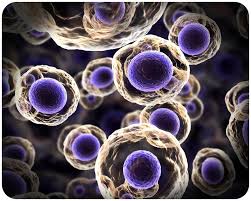


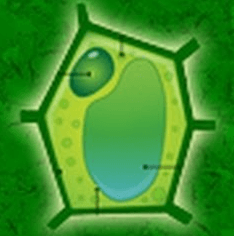


Which organelle captures energy from the sunlight and uses it to produce food in plant cells?
mitochodria
cell membrane
chloroplast
centrioles
Which organelle regulates what comes into and out of a cell?
*Hint: Helps you maintain homeostasis.*
cell membrane
pili
cytoskeleton
cell wall
Gel-like fluid where the organelles are found. Located right outside of the nucleus.
golgi body
vacuole
ribosome
cytoplasm
Which organelle is the control center of the cell?
*Hint: It contains DNA in Eukaryotic cells.*
nucleus
endoplasmic reticulum
centrioles
chloroplast
This rigid outer layer provides support and protection for plant and bacteria cells.
cell membrane
cell wall
cytoplasm
lysosomes
Which organelle uses chemicals to break down food into smaller particles to be used by the cell.
centrioles
vacuole
golgi bodies
lysosomes
Which organelle receives proteins and materials from the endoplasmic reticulum, packages them, and distributes them?
lysosomes
golgi apparatus
ribosomes
endoplasmic reticulum
Which organelle carries proteins and other materials from one part of the cell to another?
flagella
vacuole
golgi apparatus
endoplasmic reticulum
Which organelle is responsible for cell movement?
pili
flagella
cytoskeleton
it's legs
Which organelle is like the trash processing center for the cell?
Lysosome
Vacuole
Vesicle
Nucleus


What type of cell is being shown in the image?
plant
animal


Identify the structure that is indicated by the arrow in the image.
cell wall
central vacuole
chloroplast
nucleus

What is the function of a chloroplast?
makes proteins for animal cells
allows materials in and out of the cell
provides structure and support
absorbs sunlight for photosynthesis

What organelle is called the "powerhouse" of a cell?
mitochondria
nucleus
cell wall
cell membrane
Maze-like organelle that has ribosomes on them

Why are plant cells capable of making their own food but not animals cells? Because of the presence of the
mitochondria
chloroplast
cytoplasm
nucleus

Gel-like fluid where the organells are found
chloroplast
chlorophyll
pigment
cytoplasm

Control center of the cell; contains DNA
mitochondria
cell membrane
nucleus
chromatin

Ridged outer layer of a plant cell
chloroplast
cell membrane
chlorophyll
cell wall

Uses chemicals to break down food and worn out cell parts
lysosomes
ribosomes
ER
Golgi Bodies

Assembles amino acids to create proteins
mitochondria
ER
ribosomes
Golgi bodies

Produces the energy a cell needs to carry out its functions
mitochondria
ER
Golgi bodies
vacuoles

Has passageways that carry proteins and other materials from one part of the cell to another
mitochondria
vacuole
ribosome
ER
Stores food, water, wastes and other materials
mitochondria
chloroplast
vacuole
nucleus

Receives proteins and materials from the ER, packages them and distributes them
Golgi bodies
ribosomes
cell wall
nucleus


