Font size
 Worksheets
Polar & Nonpolar compounds
Total questions: 56
Worksheet time: 1hrs 26mins
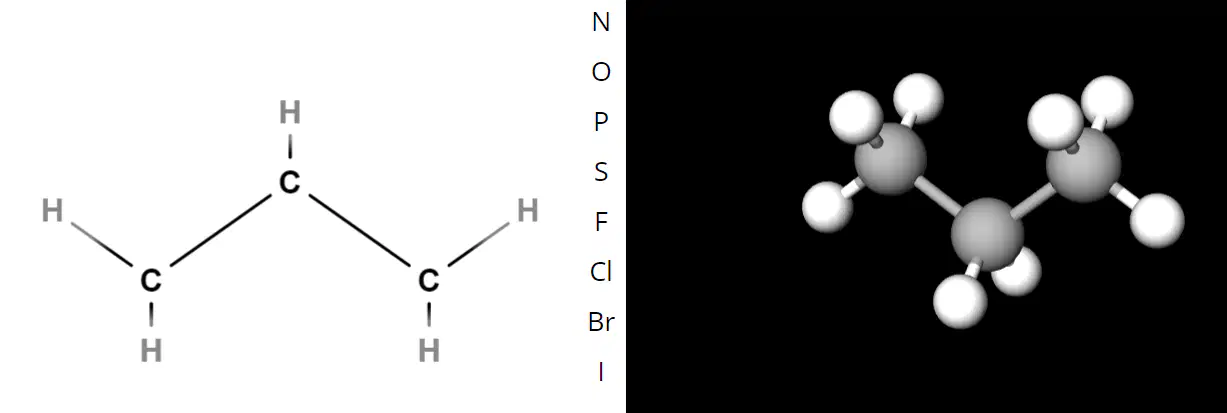
Classify the following molecule. Propane, C3H8
polar
nonpolar
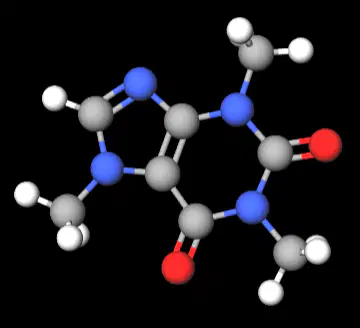
Classify the following molecule. Caffeine, C8H10N4O2
polar
nonpolar
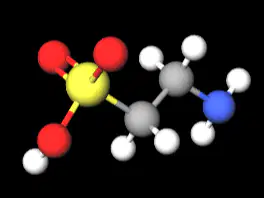
Classify the following molecule. Taurine, C2H7NO3S
polar covalent
nonpolar covalent
ionic
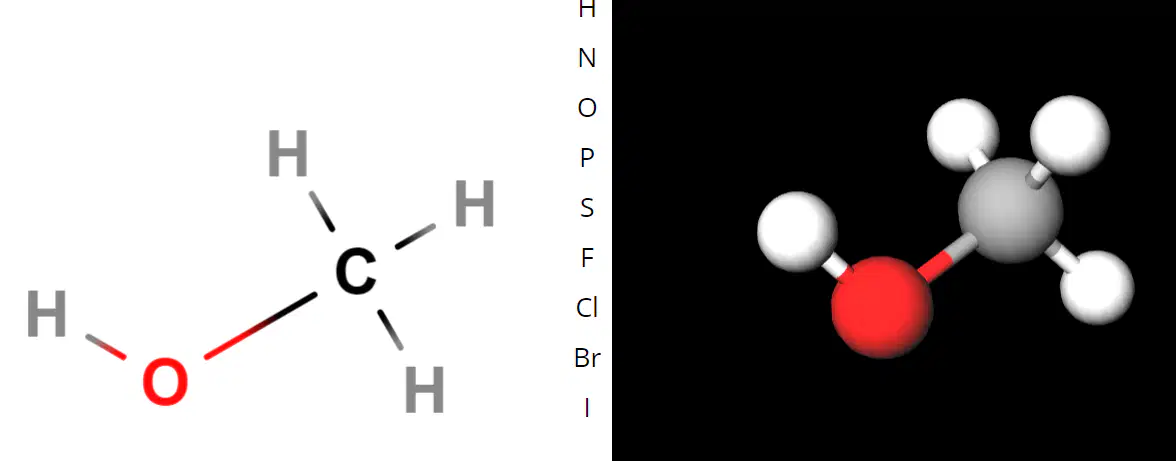
Is the following molecule polar or nonpolar? Methanol, CH3OH
polar
nonpolar
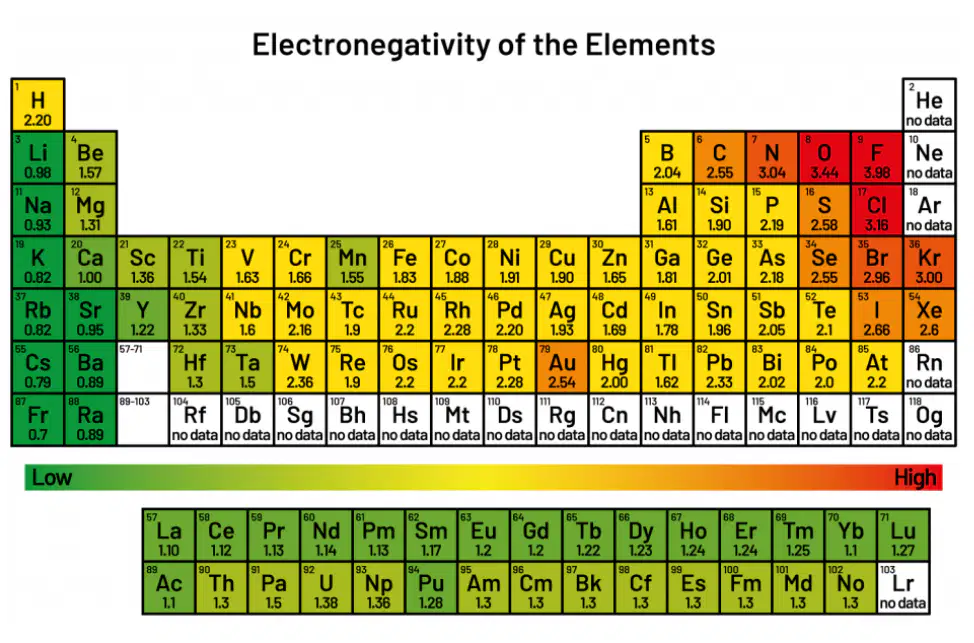
Electronegativity is a measurement of the ability of a nucleus to:
attract valence electrons
attract other nuclei
attract electrons in the non-valence energy levels
Which three of the following elements are the greediest for electrons?
H, Hydrogen
C, Carbon
F, Flourine
Cl, Chlorine
O, Oxygen
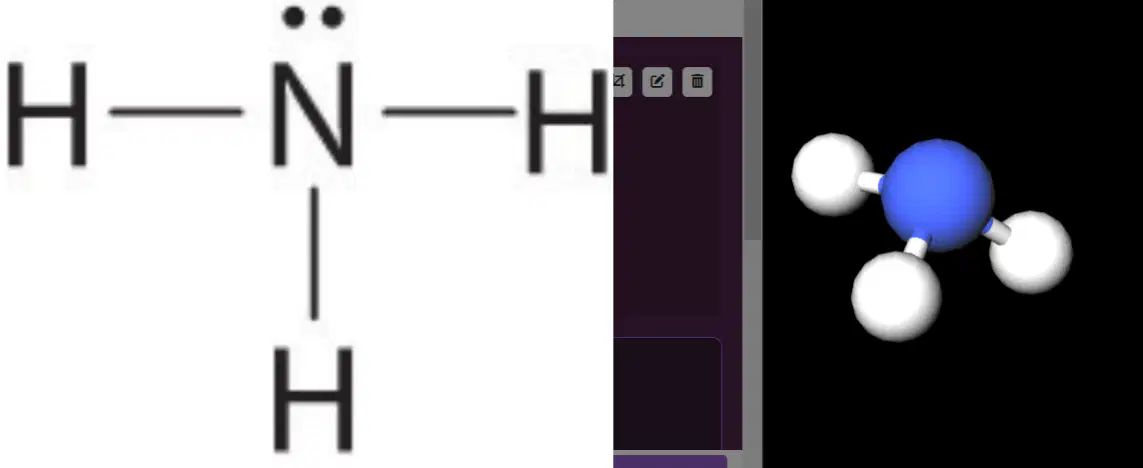
Classify the following molecule. Ammonia, NH3
polar
nonpolar
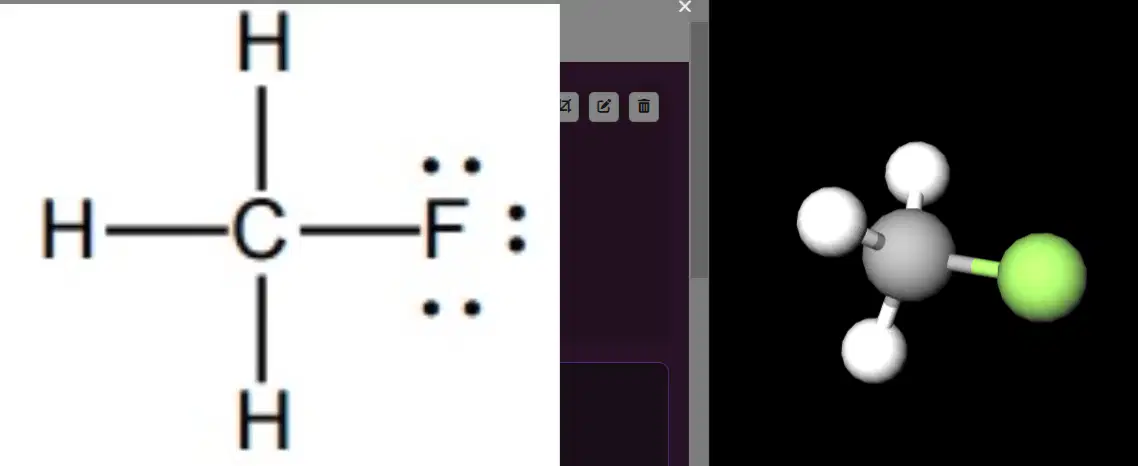
Classify the following molecule.
polar
nonpolar

Is the following molecule polar or nonpolar?
polar
nonpolar

Is the following molecule polar or nonpolar?
polar
nonpolar
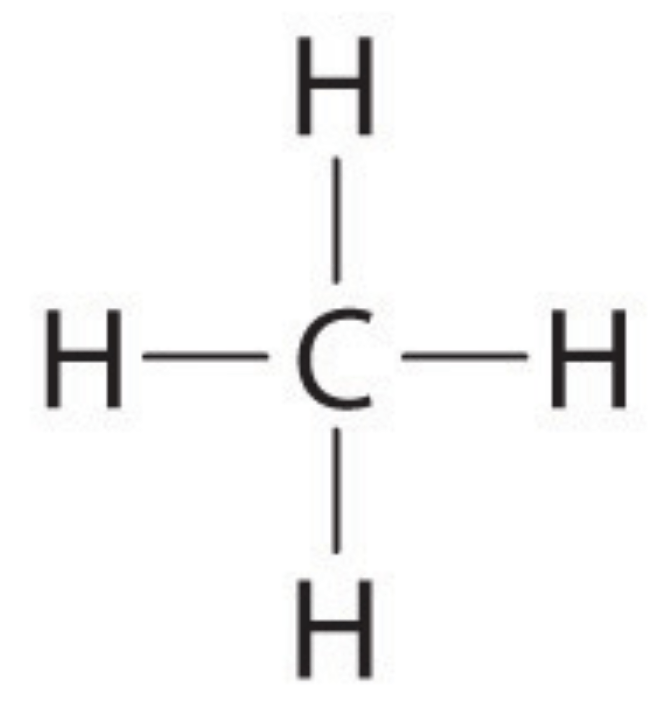
Classify the following molecule.
polar
nonpolar

Is the following molecule polar or nonpolar?
polar covalent
nonpolar covalent
ionic
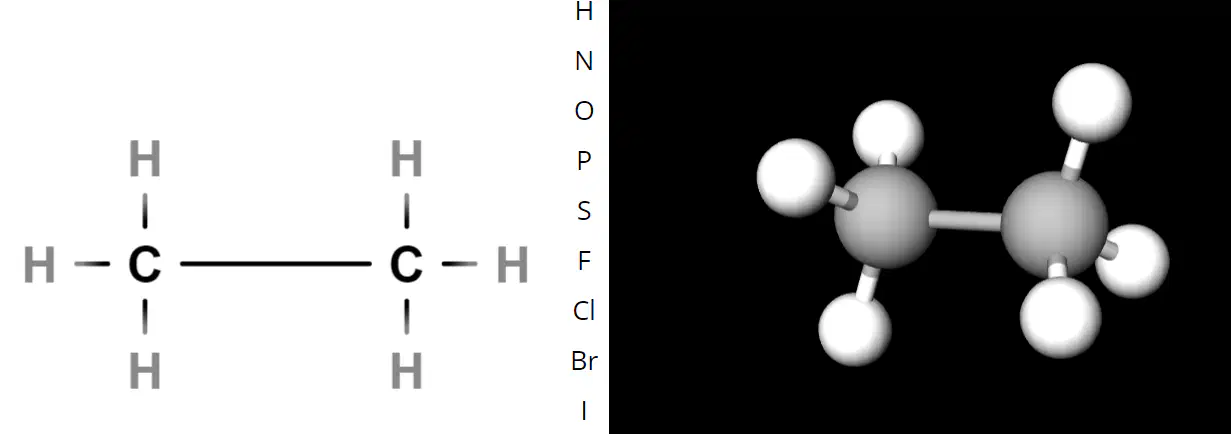
Classify the following molecule. Ethane, C2H6
polar covalent
nonpolar covalent
ionic

Butane is the fluid found in candle lighters. Its chemical formula is C4H10. What type of molecule is it?
ionic
polar covalent
nonpolar covalent
metallic
Water is a polar covalent molecule. Which represents the correct assignment of dipoles for H2O? Remember: the tip of the arrow is the partial negative end and the bottom of the arrow (which looks like a plus sign) is the partial positive end.


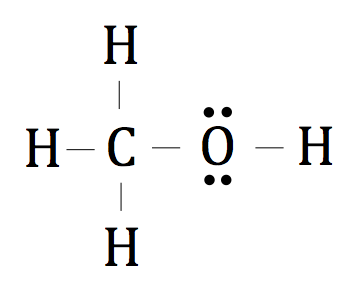
Is the following molecule polar or nonpolar?
polar
nonpolar
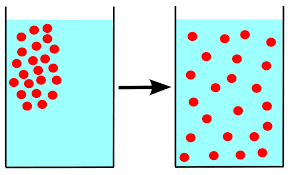
The movement of particles from an area of higher concentration (more particles) to an area of lower concentration. The particles spread out.
Dissolving
Diffusion
Density
Thermal Expansion

When a solute (like salt) mixes with a solvent (like salt water) to make a solution (like salt water).
Melting
Evaporation
Diffusion
Dissolving
The _____, of matter are always _____.
speed, constant
particles, moving
volume, consistent
particles, faster
_____ is directly related to the ______ of the particles that make up matter.
Thermal energy, temperature
Motion, energy
Temperature, speed
Temperature, particles
Matter is anything that has _____ and _____.
mass, volume
mass, weight
volume, weight
mass, length
Mass is how much _____ an object contains.
spaces
speed
matter
volume
Volume is how much _____ an object occupies.
matter
space
mass
particles
Solve for density when mass is 150 g and volume is 50 cm3,
5 g/cm3
3 g/cm3
.3 g/cm3
.5 g/cm3

Which box is the most dense?
The one to the far right
The one to the far left
The left middle one
The right middle one
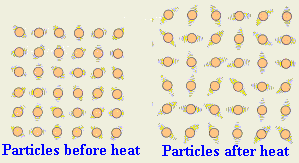
This picture is an example of...
Compression
Diffusion
Thermal Expansion
Dissolving
.................. is often called the universal solvent
Oil
Water
Acetone
air
water can't dissolve ...............
sugar
oil
salt
coffe
when a solvent can no longer hold any more solute
saturation
dilute
dissolve

The oil in this water is . . .
soluble
insoluble
The parts of a solution are the
Salt and vapor
Solvent and solid
Solute and water
Solute and solvent
Temperature _____________ the solubility of a solid; Temperature _____________ the solubility of a gas.
increase, increase
increase, decrease
decrease, decrease
decrease, increase
Water is considered polar due to:
its neutral poles
its charged poles
the odd number of atoms involved


How do covalent bonds form?
Donating & receiving valence electrons between atoms
Oppositely charged ions attract each other & form bonds
Scientists are still not sure how they form
Sharing valence electrons between atoms
The formation of a covalent bond relies on the interaction or bonding of...
2 Nonmetals
1 Nonmetal & 1 Metal
2 Metals
2 Noble Gases

NaO
Ionic Bond
Covalent Bond
NH3
Ionic Bond
Covalent Bond
CaCl
Metal with Nonmetal
Nonmetal with Nonmetal
Select all of the compounds
H2O
H
CO2
CH4
Where are the Valence Electrons Located?
Inside the nucleus
In the inner shell
In the outermost shell