
 Worksheets
Environmental Science Semester 1 Final
Total questions: 129
Worksheet time: 2hrs 45mins
Which of the following is an example of a renewable natural resource?
Copper
Crude Oil
Coal
Wave Energy
1. Sustainability is defined as…
Consuming at a rate to satisfy the current generation.
Rapidly increasing resource consumption over time.
Maintaining a rate of resource consumption that will allow the population to survive indefinitely.
Not consuming any resources at all.

An average person from _______________ would be expected to have a higher ecological footprint than the other two countries.
Country "A"
Country "B"
Country "C"
None of the above; They would have roughly equal ecological footprints.
Which example best illustrates the point behind the Tragedy of the Commons essay?
Various nations overfishing in international waters, leading to a collapse of fish stocks.
A property owner clear-cutting all of the trees on his land to sell for timber
A farmer that overplants his fields one year, leading to a poor harvest
One country declaring war on another
Environmental science applies to all of the following EXCEPT...
How the natural world works
How much greenhouse gas is produced
How our environment affects us
How we affect our environment
Which is a social movement dedicated to protecting the natural world from human actions
Environmental Science
Environmental Policy
Environmental Ethics
Environmentalism

What type of investigation does this represent?
model
experimentation
observation
recording

The picture below shows a microscopic view of cork tissue, which Robert Hooke used to identify the first cell in 1665. Today, it is known that this discovery helped lead to the cell theory. What happened for the cell theory to be created?
Hooke formed an explanation that was so convincing that the scientific community easily agreed that he was correct and made the cell theory.
The scientific community elected the best cell biologist to perform one more experiment on Hooke's work, and he created the cell theory.
The scientific community took Hooke to a court of law, and after many arguments they eventually ruled in favor of the cell theory.
Many scientists performed studies that tested and built upon Hooke's work, eventually forming a unified understanding of cells.
The formal process of submitting research for examination by the scientific community if called...
Science regents
Scientific method
Scientist Review
Peer review
Which of the following types of environmental ethics places an emphasis on human interests?
Anthropocentric
Ecocentric
Biocentric
None of these


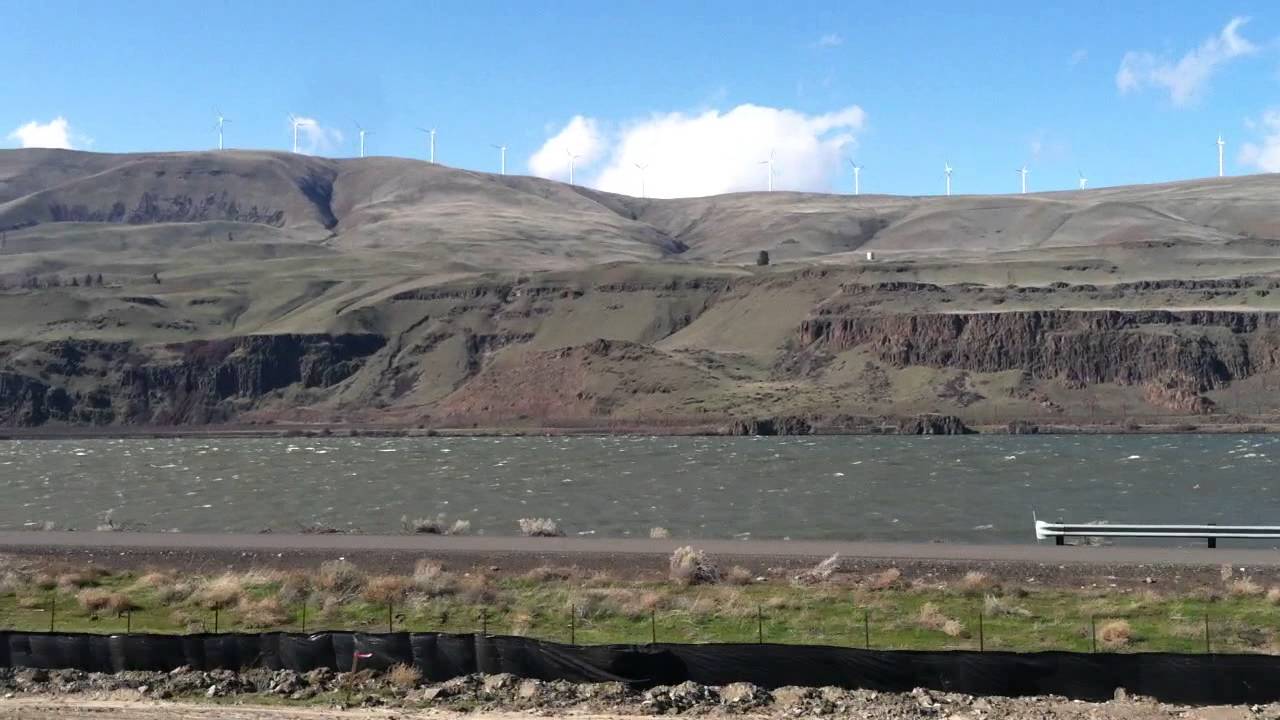
A natural resource that is naturally formed much more slowly than we use it is called
renewable
nonrenewable
sustainable
ecological
Which of the following is an example of a nonrenewable natural resource?
wind energy
natural gas
geothermal energy
sunlight
What is the term for organisms, including plants and algae, that create their own food?
consumers
producers
legumes
decomposers
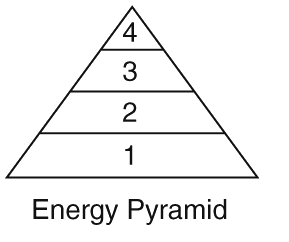
Level 1 on the pyramid
Producers
Primary Consumer
Secondary Consumer
Tertiary Consumer


Which animal was an extremely valuable resource for all Native American tribes?
Deer
Buffalo
Rabbit
Dogs
What is the name of the first national park established in the United States?
Yosemite
Zion
Yellowstone
Glacier
Which of the following best describes primary succession?
Volcano wipes out ecosystem that gradually grows back from ash covered soil
Volcano creates a new island of rock that must break down to form an ecosystem
Forest fire burns down forest that must bounce back over time
Tornado destroys a crop that must slowly grow back over time.
Match the molecular model to the correct state of matter.

Solid

Liquid

Gas

Is this country Developed or Developing?
Developed
Developing

Describe the healthcare of this country.
Good healthcare available to most
Good healthcare available to some
Poor healthcare for all
Poor healthcare for most

Describe the literacy rate of this country.
Most people can read and write.
Some people can read and write.
Most people can not read and write.

How would you describe the population of this country?
They are overpopulated
They have billions of people
They have a high birth rate
They are a small country

How would you describe the population of this country?
They are experiencing rapid population growth
They are experiencing stable population growth
They are experiencing negative population growth

How would you describe the population of this country?
They are experiencing stable population growth
They are experiencing negative population growth
They are experiencing rapid population growth

How would you describe the population of this country?
They are experiencing stable population growth
They are experiencing rapid population growth
They are experiencing negative population growth

There are a lot of immigrants that are coming into this country.
True
False

Describe the likely crime rate of this country.
They have a high crime rate
They have a low crime rate

This country has ample access to healthcare and birth control.
True
False

This country has ample access to healthcare and birth control.
True
False

Describe the likely GDP of this country
They have a high GDP
They have a low GDP
They are super rich

Describe the likely GDP of this country
They have a high GDP
They have a low GDP
They are super poor
They have no GDP

This country has a low birth rate
True
False

Describe the likely death rate of this country.
This country has a low death rate
This country has a high death rate
This country has many old people
Very few people die in this country

Describe the life expectancy of this country
People live a long time
People die early
Men live longer than women

What population is displayed on the RIGHT side of this pyramid?
Children
Women
Men
Elderly

Which statement is true?
There are more men in this country
There are fewer women in this country
There are more 30-34 year olds than 25-29 year olds
There are more people age 25-29 than 30-34

This country has a very large population
True
False

This country is larger than the United States
True
False

Which age group in Canada has the largest number of people?
50-54 male
45-59 female
65-69 male
45-49 male

What age group has the largest population bulge?
45-49
25-29
20-24
80-84

About how many people in the population are 0-4 females? (Don't forget your label)
52 million females
34 million females
54 million females
60 million females

How can you tell that females in Brazil live longer?
they don't
the bars in the middle of the graph are longer
the bars on the female side are longer for ages 75 and above
the have more children aged 0-4

Which age group in Bahrain has the largest number of people? (either male or female)
35-39 female
40-44 male
35-39 male
0-4 female
What age group has the largest population bulge?
35-39 female
40-44 male
35-39 male
0-4 female
About how many people in the population are 0-4 females? (Don't forget your label)
52 million females
34 million females
54 million females
60 million females

Which type of population growth is illustrated by this population pyramid?
Rapid Growth
Growth - Slow Growth
Stable - No Growth
Negative Growth - Declining

Which type of population growth is illustrated by this population pyramid?
Rapid Growth
Growth - Slow Growth
Stable - No Growth
Negative Growth - Declining

Which type of population growth is illustrated by this population pyramid?
Rapid Growth
Growth - Slow Growth
Stable - No Growth
Negative Growth - Declining

Which type of population growth is illustrated by this population pyramid?
Rapid Growth
Growth - Slow Growth
Stable - No Growth
Negative Growth - Declining

Which type of population growth is illustrated by this population pyramid?
Rapid Growth
Growth - Slow Growth
Stable - No Growth
Negative Growth - Declining

Which type of population growth is illustrated by this population pyramid?
Rapid Growth
Growth - Slow Growth
Stable - No Growth
Negative Growth - Declining

Which type of population growth is illustrated by this population pyramid?
Rapid Growth
Growth - Slow Growth
Stable - No Growth
Negative Growth - Declining

Which type of population growth is illustrated by this population pyramid?
Rapid Growth
Growth - Slow Growth
Stable - No Growth
Negative Growth - Declining

Which type of population growth is illustrated by this population pyramid?
Rapid Growth
Growth - Slow Growth
Stable - No Growth
Negative Growth - Declining

Which type of population growth is illustrated by this population pyramid?
Rapid Growth
Growth - Slow Growth
Stable - No Growth
Negative Growth - Declining

Which type of population growth is illustrated by this population pyramid?
Rapid Growth
Growth - Slow Growth
Stable - No Growth
Negative Growth - Declining

Which type of population growth is illustrated by this population pyramid?
Rapid Growth
Growth - Slow Growth
Stable - No Growth
Negative Growth - Declining

Which type of population growth is illustrated by this population pyramid?
Rapid Growth
Growth - Slow Growth
Stable - No Growth
Negative Growth - Declining

Which type of population growth is illustrated by this population pyramid?
Rapid Growth
Growth - Slow Growth
Stable - No Growth
Negative Growth - Declining

Which type of population growth is illustrated by this population pyramid?
Rapid Growth
Growth - Slow Growth
Stable - No Growth
Negative Growth - Declining

Which of the following natural resources is nonrenewable?
Petroleum
Sunlight
Wind
Trees

Which one is a limited renewable resource?
coal
animals
sunlight
natural gas

Which one is a completely renewable resource?
Oil
Sunlight
Coal
Fresh water

Which of the following is a nonrenewable resource?
Trees
Sun
Coal
Wind

Wind is a __________ energy resource.
Renewable
Nonrenewable

All of the surroundings that affect living things.
environment
observation
inference
natural resources

Any materials or energy from nature that humans need to survive.
natural resource
environment
nonrenewable resource
inference

The study of the environment is called:
biology
chemistry
environmental science
geology

True or False? Humans affect the environment but the environment does NOT affect us.
True
False

Cannot be used over and over because it takes so long for nature to make.
nonrenewable
limited renewable
completely renewable

Can be used over and over. Will always be there for us.
completely renewable
limited renewable
nonrenewable

Renews in a short time. We must be careful how we use it.
completely renewable
limited renewable
nonrenewable

What are canals?
A way of controlling forest fires.
Human made waterways that allow boats to get from one body of water to another.
They are natural waterways like rivers and lakes.
They are another name for a Gulf.
What are irrigation systems used for?
To stop the flow of water and control flooding.
To allow ships and boats to pass from one body of water to the other.
To bring water to areas that need it.
The clear land for people to grow agricultural products.
What are human modifications to the environment?
When people change what was there to meet their needs.
When people recycle and reuse things.
When people travel to far away places using boats.
When people use water for drinking.
Why is deforestation happening?
To clear land for agricultural use and for lumber, or to build things
To create canals and tunnels
To provide irrigation systems to farms
Because people prefer clear land over forests
Which central Asian body of water has shrunk drastically as a result of irrigation?
a. the Aral Sea
b. the Dead Sea
c. the Red Sea
d. the Salton Sea
e. the Black Sea
The marine biological crisis occurring today is a result of all of the following EXCEPT:
a. water pollution
b. overfishing
c. habitat loss
d. increased demand for hydroelectric power
e. warming waters
When does ground subsidence occur?
When water is used faster than it is replenished
When the ground is flooded for too long
When there is a drought
In the United States, more than (a) percent of the known subsidence stems from groundwater use.
The creation of large amounts of arid land as a result of over-farming or overgrazing is called:
a. intertillage
b. desertification
c. aridization
d. reverse irrigation
e. sustainable farming
What is the primary driver of forest loss in Latin America?
a. soybean cultivation
b. timber harvesting for building
c. cattle ranches
d. palm oil plantations
e. expanding suburban areas of large cities
What is the original cause of eutrophication?
Too many predators
Too many herbivores
Excess fertilizer
Too much oxygen
Why does the increase of producer type organisms decrease the amount of oxygen?
Only producers on the bottom of the system make oxygen.
Only the producers at the top of the lake get oxygen.
Producers don't make oxygen.
The fertilizers chemically react with oxygen in the water.
Stopping excess _____________ and runoff loaded with fertilizers, pesticides, or other pollutants is the most effective way to maintain a healthy pond or lake.
turbidity
erosion
turbulence
water
How do you think the previous picture is connected to the what happened in the Great Plains?
It shows the movement of people Homesteading the Plains of Idaho .
It is a great race across the Great Plains
It documents settlers traveling to California
They are not related
Select all the things define the Great Plain as a region?
vast area of land that has flat land with few trees
characterized by farmland and rolling hills
charcterzed by a large population and many urban areas
a vast area with steep mountains and lots of rainfall year round.
What did farmers do to prepare the land to plant crops such as wheat and corn?
dig lots of wells
pull up tall prairie grasses
build terraces to plant on
chop down forests
Where did the Dust Bowl take place?
central California
the East Coast
the Great Plains
the Great Lakes region
In the years before Dust Bowl, farmers ____.
grew large, successful harvests
did not use plows
used the land carefully
knew how to control the wind
Which is an example of a CHANGE in the interaction of the hydrosphere (water) and geosphere (land)?
Farmers pulled up tall prairie grasses.
Dust storms made it difficult to breathe.
Less water evaporated to make clouds and rain.
An extreme drought made the soil dry and loose.
Which is an example of an interaction between the atmosphere (air) and the geosphere (land)?
Wind picked up dry soil causing dust storms.
Lack of rain caused crops to die.
Farmers over-plowed the land.
People had to move away.
Which items below describe a canal? Choose 4
used to drain wetlands
used to meet geographic challenges
can hook land together
can link one body of water to another
used in transportation routes

This picture shows a real-life vanishing river. Based on the picture, what do you think vanishing means?
Which states does the Colorado River pass through? Select all that apply.
Colorado
Utah
Texas
Tennessee
Utah
Why is the Colorado River 'vanishing'? Speak in COMPLETE sentences.
The study of the interactions between organisms
and their environment is_________.
Ecology
Microbiology
Biology
Evolution

If you were observing the Earth’s hydrosphere you would see which of the following features?
Nitrogen, oxygen, and carbon dioxide
Rock, soil, and sediments
Glaciers, rivers, and oceans
Plants, animals, and fungus

