
 Worksheets
F23 Final Exam Independent Practice
Total questions: 93
Worksheet time: 2hrs 55mins
What is a "fact"?
a piece of information that may be true for you and not for me
a piece of information that can be proven true, regardless of how you feel about it
a piece of information that can be proven to be false
Something that someone believes
An opinion is
a statement that can be proved as true
a person's thoughts or feelings on a topic
Does Agreeing with a statement make it a fact?
No
Yes
What is the best way to prevent fake news from spreading?
File a law suit against the writers
Learn how to identify it and avoid reposting it
Read it all and write your own stories setting the facts straight
All of the above
If you think something is fake, you can
check it on a fact-checking website such as Snopes.com
see if the source is listed as a fake news site
google it
all of these
The variable in an investigation that you are measuring is the _________________?
control variable
independent variable
dependent variable
research variable
A variable that you change or manipulate to affect the results in an investigation is the __________________?
control variable
dependent variable
independent variable
research variable


When you step out into the cold, your body shivers in order to keep its temperature at 98.6F. Which characteristic of life does this represent?
All living things use energy
All living things contain cells
All living things maintain homeostasis
All living things grow
Green plants produce their own food through the process of photosynthesis. Which characteristic of life does this represent?
All living things use energy
All living things contain cells
All living things maintain homeostasis
All living things grow
A baby song bird hatches from its egg with both parent songbirds watching. Which characteristic of life does this represent?
All living things reproduce
All living things maintain homeostasis
All living things use energy
All living things grow
A camel has eyelashes that work to keep the dust and sand out of its eyes. Which characteristic of life does this represent?
All living things adapt to their environment
All living things grow
All living things have cells
All living things use energy
Over three years, Tim's height has increased from 5'4" to 5'11". Which characteristic of life does this represent?
All living things contain cells
All living things maintain homeostasis
All living things use energy
All living things grow
Which is the simplest level of organization within the environment?
cell
organism
population
community
Reorder the following from least to greatest (from left to right).
organism
population
community
ecosystem
biome

Which of the following describes #2?
An ecosystem is the interaction between biotic and biotic factors.
A community is a group of different populations in the same area.
An organism is one living thing.
A population is a group of the same organisms.

What level of ecological organization does the bird represent?
Organism
Population
Community
Ecosystem
Which of the following describes #3?
An ecosystem is the interaction between biotic and biotic factors.
A community is a group of different populations in the same area.
An organism is one living thing.
A population is a group of the same organisms.
Which of the following describes #4?
An ecosystem is the interaction between biotic and biotic factors.
A community is a group of different populations in the same area.
An organism is one living thing.
A population is a group of the same organisms.
Which of the following describes #2?
An ecosystem is the interaction between biotic and biotic factors.
A community is a group of different populations in the same area.
An organism is one living thing.
A population is a group of the same organisms.

Organisms that produce their own food mostly through photosynthesis (producers). Examples are plants and algae.
Ominvore
Detritivore
Heterotroph
Autotroph

Organisms that get their energy and nutrition from other organisms (consumers).
Heterotroph
Autotroph
Decomposer
Detritivore

Only 10% of the energy is passed on from one trophic level to the next. 90% is lost as heat due to cellular respiration or waste.
Tertiary Consumer
Biotic Factor
Abiotic Factor
10% Rule

All energy in an ecosystem comes from the sun. This energy is passed through the ecosystem as organisms eat other organsims.
Ominvores
Herbivores
Detritivores
Flow of energy

The level in an Ecological pyramid that includes all the organisms that share the same place in a food chain.
Trophic Levels
Toxic Levels
KeKe Levels
Environmental Systems

Autotrophs--The bottom trophic level where all organisms produce their own food, usually by photosynthesis.
Trophic Levels
Producers
Ominvores
Herbivores

Herbivores--The second trophic level where herbivores eat the primary producers.
Detritivores
Autotrophs
Producers
Primary Consumers

The third trophic level where the animals eat herbivores.
Abiotic Factor
Biotic Factor
Secondary Consumer
Secondary Producer

The fourth trophic level where animals eat secondary consumers or below.
Herbivore
Autotroph
Tertiary Consumer
Tertiary Producer

Parts of an ecosystem that are living or deal with the living. Examples include producers, consumers, decomposers, predation, disease, competition, parasitism, and symbiosis.
Abiotic Factors
Biotic Factors
Community
Population

Parts of an ecosystem that are not living. Examples: water, soil, sunlight, temperature, altitude.
Detritivores
Herbivores
Biotic Factors
Abiotic Factors

The flow of carbon from the atmosphere to plants, to animals to the soil and back into the atmosphere.
Bi-Cycle
Nitrogen Cycle
Carbon Cycle
Abiotic Cycle

When you consume an organism, you only receive 10% of the energy, but how much of the toxins do you receive?
All of the toxins
10% toxins
1% toxins
None of the toxins
What are examples of toxins? (choose all that apply)
water
salt
pesticides
mercury
insecticides

In which organism would biomagnification be the most concentrated? (Remember the lab: Rabbits eat the grass, the snake eats the rabbit, the hawk eats the snake--the hawk is the apex predator)
grass
rabbit
snake
hawk

Which organism would have the most bioaccumulation?
eucalyptus tree
wombats
kookaburras
koalas
Pesticides and herbicides eventually show up in higher-level consumers (i.e. as you go up the food chain) due to
biomagnification
climate change
habitat destruction
bioaccumulation
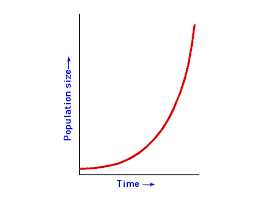
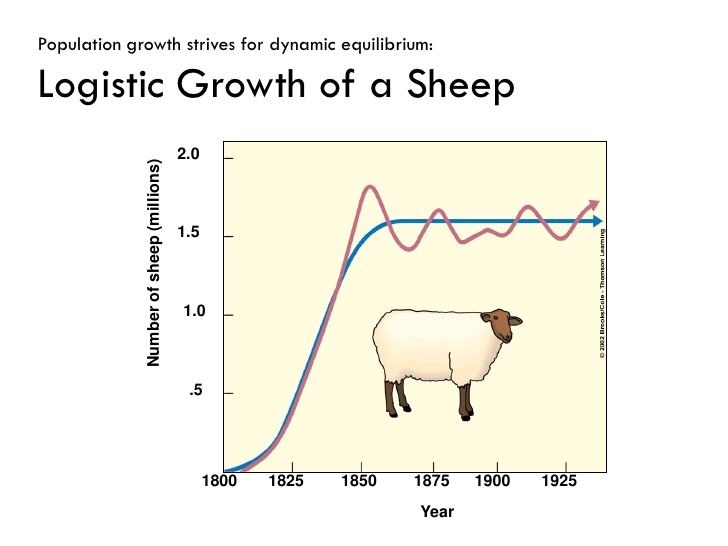
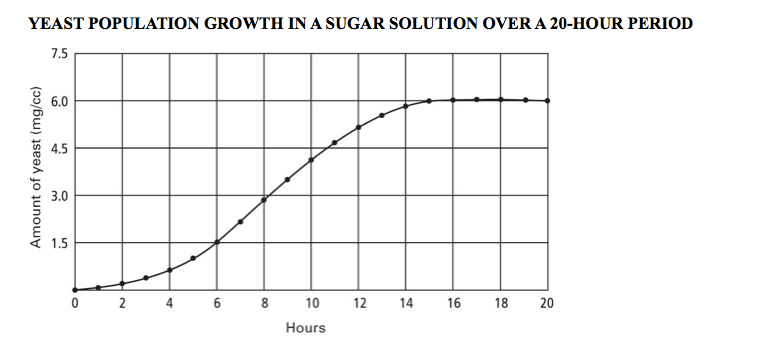
What is NOT an example of limiting factors?
Predation
Food Source
Space
Migration

What would happen to the bird population if mouse population increased?
Increase
Decrease
Stay the same
What is a mouse?

What would happen the organisms in this food web if there was a severe drought?
Increase
Decrease
Stay the same
What is a drought?
Which statement is an example of mutualism?
Bees sting other organisms when they sense danger.
Bees pollinate flowers while obtaining nectar.
Bees have black and yellow stripes that warn other organisms of danger.
Bees help maintain an ecosystem’s native cacti species through pollination.
The remora fish attaches onto sharks for transportation, but doesn’t change the shark in any way. Which type of interaction do the remora fish and shark have?
mutualism
commensalism
parasitism
predation
Which statement is an example of parasitism?
Psuedoscorpions hide under beetles’ wings for protection and transport.
Wasps lay eggs inside hornworms and after the eggs hatch, the wasp larvae feed on the hornworm.
Lions and hyenas live in a savanna ecosystem and eat the same prey, antelopes.
Otters contribute to a high level of diversity in their ecosystem because they eat urchins, allowing kelp to grow.
Ladybugs consume insects such as aphids, mealyworms, and spider mites.
Which of the below is an example of mimicry that enables prey species avoid predation?
a poisonous species warning others of danger through brightly colored markings
a harmless organism imitating the look of a harmful organism
a hard protective shell
changing their coloration to blend in with their surroundings
A cuckoo may lay its eggs in a warbler's nest. The cuckoo's young will displace (or move) the warbler's young and will be raised by the warbler.
Parasitism
Commensalism
Predation
Competition
With the help of the Sun, through the process of photosynthesis, carbon dioxide is pulled from the air to make plant________
leaves
food
roots
nutrients
Through food chains, the carbon that is in plants moves to the animals that eat them. When an animal eats another animal, carbon is ___________________.
released
transferred
dissolved
gone
Which process contributes carbon dioxide to the atmosphere?
respiration
photosynthesis
tree farms
Which process removes carbon dioxide from the atmosphere?
deforestation
tree farms
burning fossil fuels
cellular respiration
What is the greatest contributor to atmospheric carbon?
burning garbage
burning biomass
transportation
household usage

What are two (2) ways to reduce the carbon emissions from passenger cars?
Use less expensive gas
Carpooling
Public Transportation
Driving only passenger cars
What is the process in which energy is broken down to release energy?
photosynthesis
cellular respiration
chloroplasts
glucose
Where does cellular respiration take place?
chloroplasts
stomata
mitochondria (in cytoplasm)
What is the best prediction of the relationship between light distance and the rate of photosynthesis?
There is no relationship between light distance and the rate of photosynthesis.
Distance between the light and the algae does not affect the rate of photosynthesis
The more distance between the light and the algae the greater the rate of photosynthesis.
The less distance between the light and the algae the greater the rate of photosynthesis.
Explain the how the process of photosynthesis and cellular respiration cycle matter
The outputs of photosynthesis are the inputs for cellular respiration
The inputs of photosynthesis are the inputs of cellular respiration
The inputs of cellular respiration are the inputs of photosynthesis
The outputs of cellular respiration are the outputs of photosynthesis

BTB was used to indicate the amount of carbon dioxide present in the test tubes. A plant was placed in each test tube. The test tube on the left was placed in the dark and the one on the right was in the light. Which of the following best explains the results?
The solution in the right test tube became more blue because the algae was doing more photosynthesis and using carbon dioxide.
The solution in the right test tube became more blue because the algae was doing more photosynthesis and producing carbon dioxide.
The solution in the right test tube became more blue because the algae was only doing cellular respiration and producing carbon dioxide.
The solution in the right test tube became more yellow because the algae was only doing cellular respiration and using carbon dioxide.

