
 Worksheets
S1 After mid-term_G7 bio_We live in the biosphere
Total questions: 125
Worksheet time: 42mins

Number 1 and 2 are pointing to.......
The nose and nasal passage.
The mouth and trachea.
The bronchus and bronchioles.
The nose and alveoli.

Which number is pointing to the trachea?
7
6
9
4

Which number is pointing to the diaphragm?
8
7
6
5

The blue tubes that branch from the trachea are called ____.
bronchi
alveoli
larnyx
throat
In which part of the lung does gas exchange occur?
bronchus
trachea
bronchiole
alveoli
What do the vessels carry that run around the aveoli?
red blood cells
white blood cells
plasma
platelets
What gas is added to the blood cells and which gas is taken away in the lungs?
Oxygen is added and carbon dioxide is removed.
Carbon dioxide is added and oxygen is removed.
Nitrogen is added and hydrogen is removed.
Propane is added and methane is removed.
How does the extra space created by your diaphragm and rib muscles contracting affect the air pressure inside your chest cavity?
The air pressure increases.
The air pressure decreases.
The air pressure does not change.
The air pressure fluctuates.
How does an increase in air pressure in your chest cavity affect your lungs?
Air rushes in to the lungs.
Air is forced out of the lungs.
The lungs are not affected.
Air does not move in or out.
When the space inside your chest cavity decreases, air pressure ___________.
increases
decreases
stays the same
fluctuates
What system moves air into and out of the lungs?
respiratory
circulatory
digestive
muscular
The respiratory system delivers _______ to the blood stream and transports ____________ out of the body?
oxygen, carbon dioxide
carbon dioxide, oxygen
water, gases
nutrients, wastes
Where is the larynx located?
at the top of the trachea
in your lungs
in your esophagus
in the bronchial tree
If you cannot speak, where might the problem be?
larynx
lungs
trachea
pharnyx
Where does oxygen initially enter into the body?
nose and mouth
eyes
brain
throat
This area warms, moisturizes, and filters air before going to the lungs. What is it?
nasal cavity
nose
mouth
trachea
Where are your vocal chords housed and what is this area called?
pharynx
larynx
throat
trachea
Your windpipe is also called the...
trachea
larynx
pharynx
esophagus
What are the two branches called that branch off from your trachea and into your lungs?
bronchus (bronchi)
alveoli
lungs
trachea
What are the smaller branches of the bronchi called?
bronchioles
alveoli
ravioli
lungs
These tiny grape-like air sacs is where the gas exchange of oxygen and carbon dioxide happen in the lungs. What is it?
alveoli
lungs
ravioli
bronchioles
The elastic sponge-like organs are where gas exchange occurs.
lungs
alveoli
ravioli
trachea
This condition occurs when the airway is narrowed due to inflammation of the bronchi. Which condition is this?
alveoli
asthma
lung cancer
emphysema
What do humans need to breathe in from the air?
oxygen
nitrogen
carbon dioxide
ammonia
What gas do plants take in that animal/humans breathe out?
carbon dioxide
oxygen
nitrogen
phosphorus
What happens during pneumonia?
the alveoli fill with fluid making it harder to breathe
a blockage in the brain prevents blood from being delivered
the heart stops beating
the uncontrolled growth of abnormal cells in one or both lungs
What is the function of the diaphragm?
the muscle that contracts and relaxes when you breathe
the muscle that regulates your heart beat
no function

tiny sacs of lung tissue specialized for the movement of gases between air and blood.
lungs
bronchi
alveoli
diaphragm
tiny, hairlike projections in the airway that move in a wavelike manner.
alveoli
cilia
trachea
lungs
the windpipe; a passage through which air moves in the respiratory system.
trachea
lungs
larynx
bronchi
the passages that direct air into the lungs.
lungs
trachea
bronchi
alveoli

What can you infer about the function of the ribcage?
It protects the lungs.
It helps the lungs pump oxygen.
It delivers oxygen from the lungs to the bloodstream.
It connects the trachea to the lungs.
What word best describes the function of the trachea?
Pumping station
Entrance point
Muscle
Passageway
What happens when your diaphragm relaxes and moves upward?
Your lungs deflate and you breathe out.
Your lungs inflate and you breathe in.
Your alveoli transfer oxygen to your bloodstream.
Your bloodstream transfers carbon dioxide to your alveoli.

What organ of the respiratory system is in blue.
pharynx
trachea
larynx
epiglottis
What organ of the respiratory system is in purple.
pharynx
trachea
larynx
epiglottis

What is the function of these tiny hairs in the bronchial tubes?
moistens the air as it enters the lungs
helps the lungs get carbon dioxide
removes unwanted mater from the lungs
helps the lungs get oxygen
What is the dome-shaped muscle beneath the lungs that helps us breathe.
diagram
dialysis
diaphragm
diorama
Cellular respiration uses glucose and __________ to make energy.
carbon dioxide
glucose
oxygen
mitochondria
Which organ of the digestive system physically breaks down food by the squeezing and churning of muscular contractions?
mouth
stomach
esophagus
small intestine
The muscular tube that connects the mouth to the stomach.
stomach
esophagus
large intestine
small intestine
Which organ is responsible for absorbing water from digested food?
small intestine
stomach
large intestine
mouth
Digestion begins here, where food is broken into smaller pieces before entering the esophagus.
large intestine
stomach
small intestine
mouth
In which organ does most of the chemical digestion of food occur?
small intestine
large intestine
stomach
mouth
Which of the following organs does NOT contribute digestive juices and enzymes?
liver
gallbladder
pancreas
thyroid
What happens if one organ of the digestive system is not functioning properly?
We will not be able to digest food properly.
We will have no problems.
It will only affect my digestive system, but not other body systems.
Which organ of the digestive system secretes pepsin and hydrochloric acid?
mouth
stomach
esophagus
small intestine
Which organ of the digestive system begins the breakdown of proteins in food?
mouth
stomach
esophagus
small intestine
The enzyme, PEPSIN, breaks down proteins into...
glucose
fatty acids
amino acids
nucleic acids
The breakdown of starch (carbohydrates) begins in the...
small intestine
stomach
large intestine
mouth
Amylase is an enzyme found in the ___________ and begins breaking down which food molecule?
mouth; fats
stomach; fats
stomach; carbohydrates
mouth; carbohydrates
In which organ does most of the nutrient absorption occur?
small intestine
large intestine
stomach
mouth
In which organ of the digestive system are most fats broken down?
esophagus
stomach
small intestine
large intestine
What are the functions of the Digestive system?
Food digestion
Provides storage
Removal of undigested materials
Absorption of digested food

An organ that stores bile after it is produced by the liver.
Pancreas
Small intestine
Gallbladder
Large intestine

Which organ absorbs water and in the last stage of the digestive process?
Liver
Small intestine
Pancreas
Large intestine

The tiny little structures that line the small intestine are called
Bronchi
Villi
Bile
Enzymes

Bile is a chemical that helps break down
Proteins
Carbohydrates
Glucose
Fats

How long does food stay in your small intestine?
30 minutes
1 hour
8 hours
5 hours
None

The muscles in your oesophagus act like a giant wave. That is what moves food or drinks down to your stomach. This wave action is called ______________
Appendix
Peristalsis
Enzymes
Muscular tube
None

What acid does the stomach produce?
Nitric acid
Phosphoric acid
Acetic acid
Hydrochloric acid
None

body system that breaks down food and absorbs nutrients
digestive system
mouth
mechanical digestion

tube connecting the mouth to the stomach
stomach
esophagus
peristalsis

waves of muscle contractions (squeezing)
stomach
small intestine
peristalsis

large muscular sac that continues the mechanical and chemical digestion of food
stomach
small intestine
liver

Digestive organ where most chemical digestion and absorption of food takes place
pancreas
small intestine
liver

produces bile to break up fat particles
pancreas
large intestine
liver

produces enzymes for the small intestine that help break down starches, proteins, and fats
pancreas
large intestine
liver

absorbs water into bloodstream
gall bladder
large intestine
liver

organ that stores bile
gall bladder
large intestine
liver
Which of these is NOT a function of the digestive system?
breaks down food
absorbs nutrients
eliminates waste
takes oxygen to body cells
moves food from the mouth to the stomach
esophagus
small intestine
large intestine
pancreas
waves of muscular contractions that move food through the digestive tract.
digestion
absorption
peristalsis
villi
finger-like projections in the small intestine that absorb nutrients
digestion
absorption
peristalsis
villi
Which organ produces bile that breaks down food?
pancreas
liver
gall bladder
stomach
Why do we eat?
To get the nutrients we need to survive.
So we can gain weight.
Because we enjoy it.
To get carbon dioxide and oxygen.
When the pancreas does not make enough insulin to break down glucose.
Diabetes
Cancer
Appendicitis
Acid Reflux
Carbon dioxide + light + water --> oxygen + Sugar
Carbon dioxide + sugar + water --> oxygen + light
oxygen + light + water --> Carbon dioxide + Sugar
Carbon dioxide + oxygen + water --> Light+ Sugar
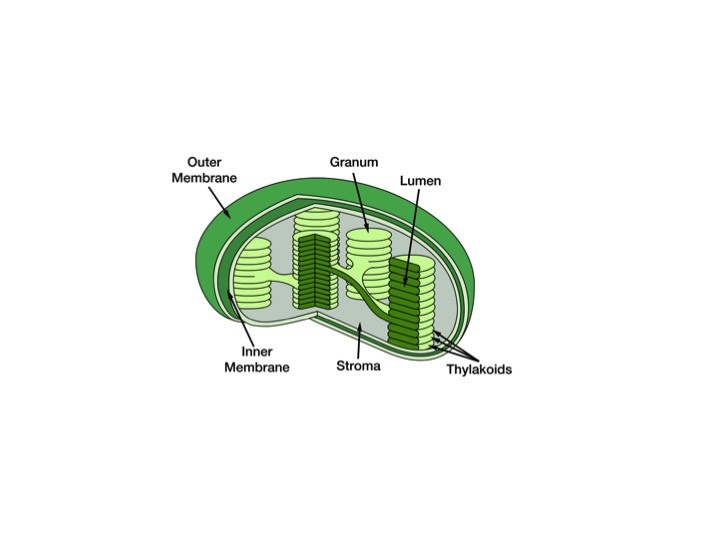


Another word (a synonym) for a producer
Which of the following IS NOT a limiting factor for photosynthesis?
Carbon dioxide concentration
Oxygen concentration
Temperature
Light intensity
What do we call something that will affect the rate of photosynthesis?
Light intensity
Limiting factor
Carbon dioxide concentration
Control factor
An environmental factor that causes a population to stop growing or decrease in size is a ______________.
habitat
limiting factor
biotic factor
ecosystem
Hunt/Gather/Graze for Food, Dependent on other species
Autotroph
Heterotroph
In general has more biomass, and more energy
Autotrophs
Heterotrophs
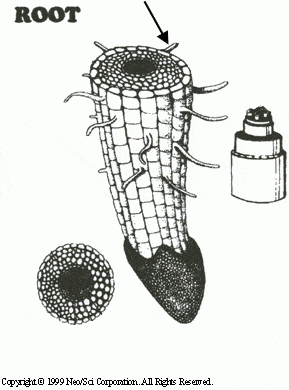
Root hairs allow a plant to absorb more water - this is because of....?
the increased root surface area
they have more stomata
the sieve tube members
the greater volume of sugar crystals
Plants can store food in their roots.
True - and it's so cool!
False - there's no way!
Where do plants get their nutrients and water?
Jesus
the air
the soil
their mom
What is the function of roots?
absorb water and minerals from the soil
support the plant
photosynthesis
Match the root structure with its function.
Structure: root cap
function: covers the tip of the root and makes a liquid to help the roots grow
function: makes root hairs to help absorb water and minerals from the soil
function: helps transport and store plant materials
Function: waterproof strip to allow substances to pass through through the endodermal cells
function: makes lateral roots, some can develop vascular cambium (xylem and phloem)
What captures the sun's energy?
mitochondria
chlorophyll
stomata
cytoplasm
The plant tissue that carries food materials DOWNWARD from the leaves to the rest of the pant is the ______.
Phloem
Stomata
Chlorophyll
Xylem
Vascular tissue that transports water and minerals UPWARDS from a plant's roots is know as ______.
Chlorophyll
Phloem
Stomata
Xylem
TRUE or FALSE. Roots help a plant take in water and nutrients from the soil.
TRUE
FALSE

