
 Worksheets
Unit 2 Review
Total questions: 121
Worksheet time: 4hrs 27mins
Name
Class
Date
1.
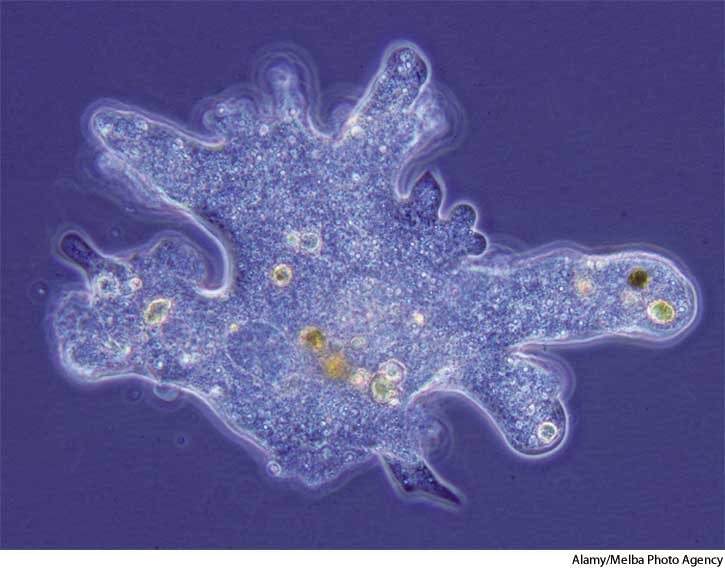
An Amoeba is a unicellular, animal-like protist that lives in ponds and streams. According to cell theory, where did this cell come from?
a)
another pre-existing amoeba cell.
b)
energy from sun that allowed the protist to reproduce.
c)
a multicellular organism.
d)
the nonliving environment.
2.

Robert Hooke, Anton van Leeuwenhoek, Theodor Schwann, Rudolf Virchow, and Matthias Schliden were all responsible for what theory?
a)
The Theory of Gravity
b)
The Theory of Relativity
c)
The Cell Theory
d)
The Theory of Continental Drift
3.

What tool do you use to view the cells?
a)
metric ruler
b)
centrifuge
c)
microscope
d)
telescope
4.

Which of the following is NOT a cell theory.
a)
All non-living things are made of cells
b)
All cells come from pre-existing cells
c)
Cells are the basic unit of structure and function of all living things
5.
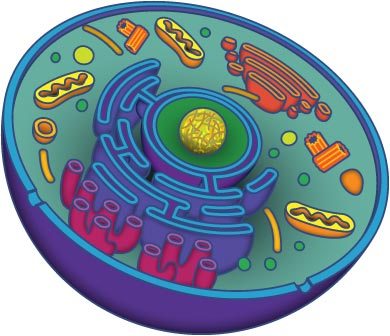
All living things are made up of...
a)
cells
b)
cell tissues
c)
organ
d)
organ systems
6.
All cells come from___________ cells.
a)
pregnant
b)
pre-existing
c)
paternal
d)
pin size
7.
Rocks are not living because
a)
they never move
b)
they aren't needed for humans
c)
they are not made of cells
d)
they don't break down
8.
What is the basic structural and functional unit of all living things?
a)
atom
b)
cell
c)
molecule
d)
human
9.
All cells are produced ____________.
a)
From pre-existing and deceased cells
b)
from other pre-existing cells
c)
Cells can come from anywhere, as long as there is the sun.
10.
An organism made of one cell is called
a)
unicellular organism
b)
multicellular organism
11.
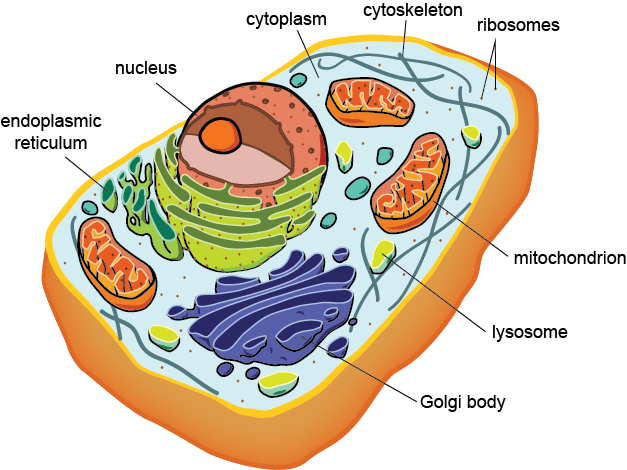
Which of the following statements is not part of the cell theory?
a)
Cells are the basic unit of structure and function in all living things.
b)
All cells are produced from other cells.
c)
Only animal cells are composed of cells.
d)
All living things are composed of cells.
12.
what is a cell classified as?
a)
a basic unit of structure and function of all living organisms
b)
a unit based on only plants and animals that are living
13.
In order to sustain life, all cells must...
a)
digest nutrients and water
b)
excrete waste and fluids
c)
must be able to maintain a homeostasis environment (aka cellular respiration and regulation)
d)
All of the above
14.
Which is NOT part of the Cell Theory
a)
New cells are produced from existing cells
b)
All living things are composed of cells
c)
Only eukaryotic cells have a nucleus
d)
Cells are the basic unit of structure & function in living things
15.
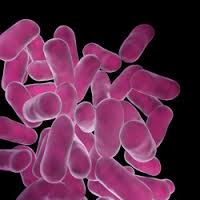
How are unicellular organisms different from multicellular organisms?
a)
There are no differences.
b)
They are made of many cells.
c)
They are only classified as prokaryotes.
d)
They are made of only one cell.
16.
Which organelle is only found in a plant cell?
a)
nucleus
b)
chloroplast
c)
mitochondria
d)
cell membrane
17.

Directs all cell activities through the DNA located there.
a)
Lysosomes
b)
Nucleus
c)
ribosomes
d)
Mitochondria
18.
Which of the following is directly involved in the transportation of materials inside/within the cell?
a)
Endoplasmic Reticulum
b)
Vacuole
c)
Lysosome
d)
Mitochondria
19.
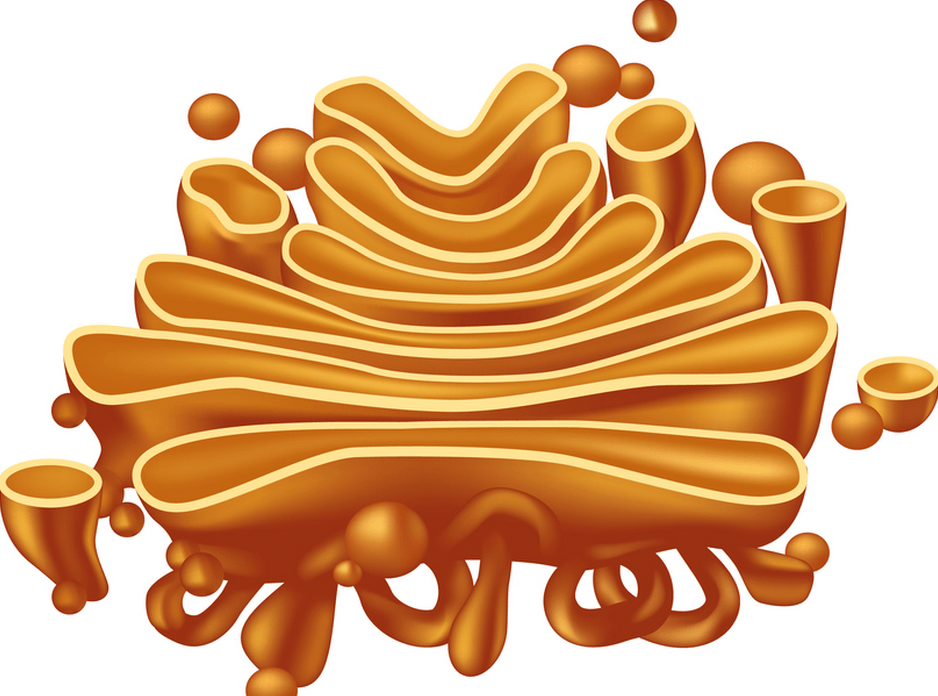
I am a protein packaging and shipping machine! Who am I?
a)
vacuole
b)
ribosome
c)
mitochondrion
d)
golgi apparatus
20.
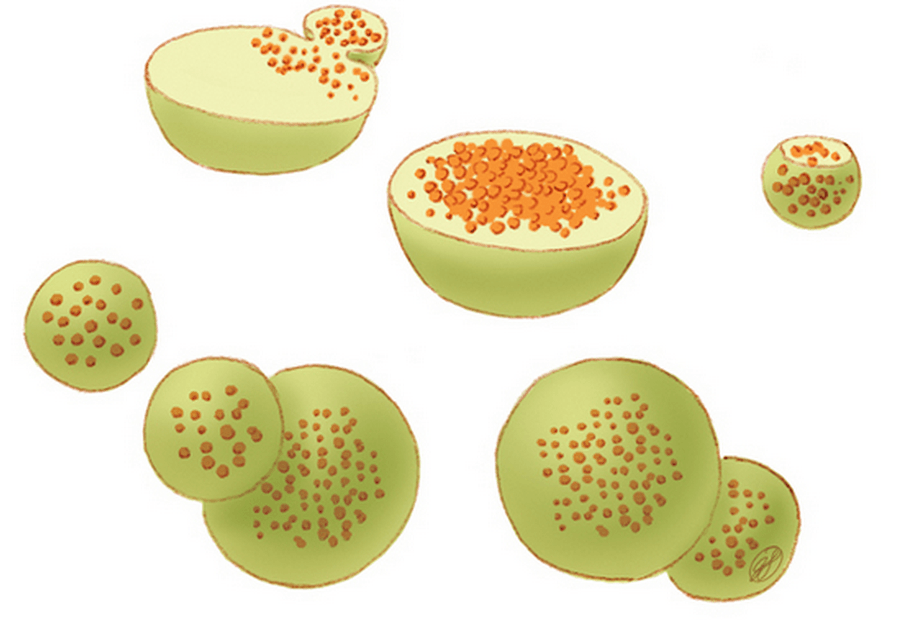
You might think of me as the trash collector, but recycler is maybe more accurate. What am I?
a)
mitochondria
b)
lysosome
c)
vacuole
d)
ribosome
21.
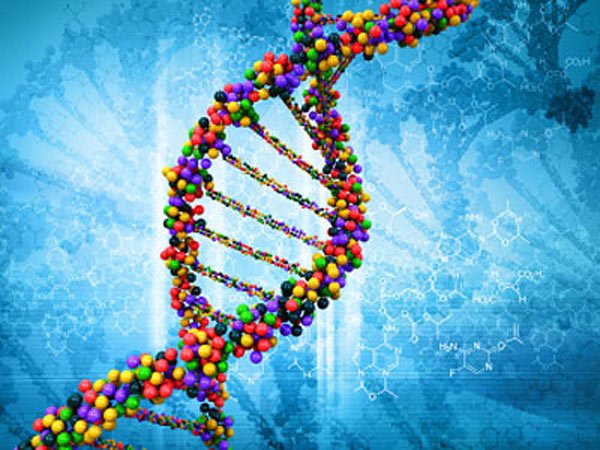
What is the name of the genetic material that is inside the nucleus?
a)
ER
b)
ATP
c)
YOLO
d)
DNA
22.

Which part of the cell is often called "the brain of the cell"?
a)
nuclear membrane
b)
endoplasmic reticulum
c)
nucleus
d)
mitochondria
23.
What is found in both plant and animal cells but is much larger in plant cells?
a)
Nucleus
b)
Mitochondria
c)
Chloroplast
d)
Vacuole
24.
Where are proteins made?
a)
Golgi body
b)
Mitoichondria
c)
Chromosomes
d)
Ribosomes
25.
This organelle takes food and turns it into ENERGY for plant and animal cells.
a)
Chloroplast
b)
Mitochondria
c)
Lysosome
d)
Ribosome
26.
The site of photosynthesis
a)
ribosome
b)
mitochondria
c)
chloroplast
d)
nucleus
27.

I am the outer most layer of an animal cell. What am I?
a)
cell wall
b)
nucleus
c)
cell membrane
d)
cell skin
28.
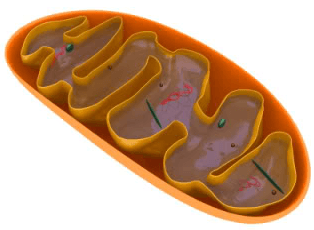
What are tiny organelles that convert glucose into ATP?
a)
Ribosomes
b)
Vesicles
c)
Cytoskeleton
d)
Mitochondria
29.
What organelle is called the "powerhouse" of a cell?
a)
Endoplasmic Reticulum
b)
Nucleus
c)
Mitochondria
d)
Nucleolus
30.
What organelle helps with cell digestion?
a)
Lysosomes
b)
Ribosomes
c)
Golgi Complex
d)
ER
31.
What is the gel-like substance inside of cells called?
a)
photoplasm
b)
photosynthesis
c)
cytoskeleton
d)
cytoplasm
32.
Main producer of ATP in all eukaryotes
a)
chloroplast
b)
mitochondria
c)
lysosome
d)
smooth er
33.
The ___________ is the basic unit of life
a)
organ
b)
cell
c)
atom
d)
tissue
34.
A group of tissues that work together to perform a similar function is called_____. (Examples include the heart, lungs or stomach)
a)
cells
b)
tissues
c)
organs
d)
organ system
35.
A group of cells that have similar functions? Examples are nervous, epithelial, muscle and connective
a)
cells
b)
tissues
c)
organs
d)
atoms
36.
Which organelle belongs in plant cells only?
a)
Cytoplasm
b)
Mitochondrion
c)
Cell Wall
d)
Nucleus
37.
Which organelle belongs in both plant and animal cells?
a)
Cytoplasm
b)
Chloroplast
c)
Large Central Vacuole
d)
Cell Wall
38.
Which organelle belongs in animal cells only?
a)
Chloroplast
b)
Cell Wall
c)
Many Small Vacuole
d)
Nucleus
39.
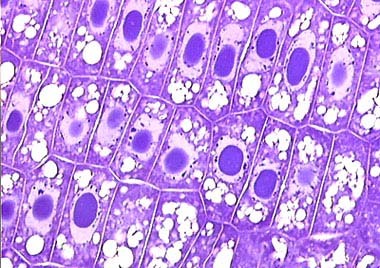
This is a example of ........
a)
cell
b)
tissue
c)
organ
d)
organ system
40.
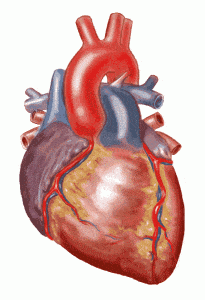
This is a example of ........
a)
cell
b)
organ system
c)
organ
d)
tissue
41.
A group of cells that have similar functions? Examples are nervous, epithelial, muscle and connective
a)
cells
b)
tissues
c)
organs
d)
atoms
42.
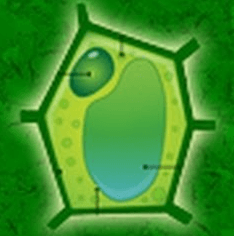
A rigid layer that lies outside the cell's membrane is...
a)
Cytoskeleton
b)
Cilia
c)
Cell Wall
d)
Flagella
43.
What type of cell has a defined nucleus and membrane bound organelles.
a)
Bacteria
b)
Prokaryote
c)
Eukaryote
d)
Archaeabacteria
44.
What type of cell does not have a defined nucleus or membrane bound organelles.
a)
Animal Cell
b)
Prokaryote
c)
Eukaryote
d)
Plant Cell
45.
The longest phase of the cell cycle
a)
prophase
b)
interphase
c)
metaphase
d)
mitosis
46.

Identify the phase of mitosis
a)
prophase
b)
metaphase
c)
anaphase
d)
telophase
47.

Which phase comes NEXT?
a)
prophase
b)
metaphase
c)
anaphase
d)
telophase
48.

Which is Metaphase?
a)
A
b)
E
c)
C
d)
F
49.
In what stage are chromosomes separated and moved to opposite poles?
a)
prophase
b)
metaphase
c)
anaphase
d)
telophase
50.
The structure of coiled DNA and proteins that forms in the cells nucleus prior to mitosis is
a)
centromere
b)
centriole
c)
chromosome
d)
chromatid
51.
A jelly-like substance found inside a cell surrounding its organelles is
a)
cytokenisis
b)
cytoplasm
c)
mitosis
d)
epithelial
52.
The first stage of the cell cycle during which the cell matures and prepares to divide and copies its DNA; The stage the cell stays in the most
a)
interphase
b)
prophase
c)
metaphase
d)
anaphase
53.

What is this phase of mitosis?
a)
prophase
b)
metaphase
c)
anaphase
d)
telophase
54.
Put the stages of mitosis in the correct order.
a)
prophase - metaphase - anaphase - telophase
b)
metaphase - anaphase - prophase - telophase
c)
anaphase - prophase - telophase - metaphase
d)
telophase - metaphase - prophase - anaphase
55.
Chromosomes are made up of two identical sister _____________.
a)
chloroplasts
b)
nuclei
c)
chromatids
d)
gens
56.
During which stage of the cell cycle does the cell spend a majority of its time?
a)
Prophase
b)
Interphase
c)
Metaphase
d)
Cytokinesis
57.
What is the result of mitosis?
a)
1 cell
b)
2 genetically identical cells
c)
2 genetically different cells
d)
4 genetically identical cells
58.
Which of the following describes the purpose of the mitosis cell cycle?
a)
To make more of the same cells.
b)
For growth and repair.
c)
To prevent the cell from becoming too large.
d)
All of the above.
59.
What process does a multi-cellular organism use to replace its damaged body cells?
a)
mitosis
b)
meiosis
c)
replication
d)
transcription
60.
Matt uses a microscope to look at slides of plant cells. He sees a cell with two nuclei that have visible chromosomes. In which stage of cell division is this cell?
a)
anaphase
b)
prophase
c)
telophase
d)
interphase
61.

Identify the stage of mitosis.
a)
interphase
b)
prophase
c)
anaphase
d)
cytokinesis
62.
Exocytosis is the movement of
a)
any type of substance from outside the cell to the inside of the cell.
b)
very large substances from outside the cell to the inside of the cell.
c)
any type of substance from inside the cell to the outside.
d)
very large substances from inside the cell to the outside.
63.
Passive transport
a)
always occurs slowly
b)
does not require energy
c)
requires energy
64.

In this image, the cell is using which type of molecular transport?
a)
Osmosis
b)
Diffusion
c)
Endocytosis
d)
Exocytosis
65.
A type of active transport that releases particles that were enclosed from a cell when the membrane of the vesicle fuses with that of the cell membrane
a)
Exocytosis
b)
Osmosis
c)
Mitosis
d)
Endoyctosis
66.
Moving particles while using a cell's energy
a)
Osmosis
b)
Diffusion
c)
Photosynthesis
d)
Active Transport
67.
What is the term that means "a condition in which the concentration of a substance is equal throughout a space"?
a)
equilibrium
b)
exocytosis
c)
endocytosis
d)
phospholipid
68.
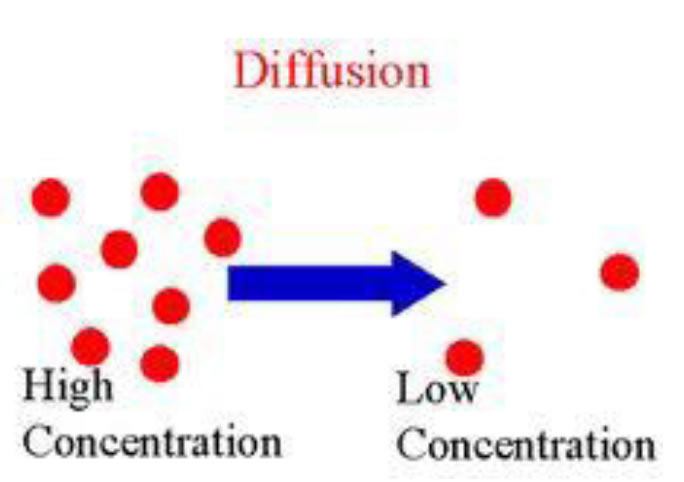
Movement of particles from high to low concentration.
a)
Passive Transport
b)
Active Transport
69.
What is diffusion?
a)
when molecules move from a low concentration to a high concentration
b)
when molecules move from a high concentration to a low concentration.
c)
no movement
d)
molecules move everywhere
70.
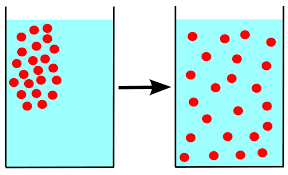
The picture below is an example of _________________.
a)
osmosis
b)
isotonic
c)
diffusion
d)
active transport
71.
Osmosis is the movement of _____ across a membrane.
a)
food
b)
energy
c)
oxygen
d)
water
72.

_______ regulates what enters and leaves a cell.
a)
Cell Membrane
b)
Nucleus
c)
Mitochondria
d)
Cytoplasm
73.

Equilibrium?
a)
a large amount of substance on side of the cell and a small amount on the other side
b)
a small amount of substance on side of the cell and a large amount on the otherside
c)
equal amount of substance on either side of the membrane
d)
no particles on either side of the a cell membrane
74.
What is the definition of Osmosis?
a)
the movement of WATER molecules across the cell membrane.
b)
the state where molecules are equally concentrated (balanced) on both sides of the cell membrane.
c)
the process that brings LARGE particles INTO the cell through the cell membrane
d)
he movement of molecules across the cell membrane that REQUIRES ENERGY output from the cell
75.
Just like Coke is a type of soda, __________ is a type of ___________.
a)
diffusion, osmosis
b)
concentration, equilibrium
c)
equilibrium, concentration
d)
osmosis, diffusion
76.

Name this protist?
a)
Euglena
b)
Amoeba
c)
Paramecium
d)
Volvox
77.

Name this protist?
a)
Volvox
b)
Euglena
c)
Amoeba
d)
Paramecium
78.

Name this protist?
a)
Paramecium
b)
Amoeba
c)
Volvox
d)
Euglena
79.

Name this protist?
a)
Amoeba
b)
Euglena
c)
Paramecium
d)
Volvox
80.
Reproduction without the use of sex cells is called what?
a)
Sexual Repoduction
b)
Asexual Reporduction
81.

Fission, budding, and regeneration are all examples of what kind of reproduction?
a)
Asexual Reproduction
b)
Sexual Reproduction
82.

How does this protist move?
a)
Pseudopods
b)
Cilia
c)
Flagellum
83.

How does this protist move?
a)
Flagellum
b)
Cilia
c)
Pseudopods
84.

How does this protist move?
a)
Cilia
b)
Flagellum
c)
It just floats about
d)
Pseudopods
85.

How does this protist move?
a)
Cilia
b)
Pseudopods
c)
Flagellum
86.

A protist that can not make its own food is called what?
a)
Autotroph
b)
Heterotroph
87.

A protist that can make its own food is called what?
a)
Heterotroph
b)
Autotroph
88.
Which protist has an eyespot?
a)
Amoeba
b)
Volvox
c)
Euglena
d)
Paramecium
89.
Which protist has an oral groove and a gullet?
a)
Paramecium
b)
Volvox
c)
Amoeba
d)
Euglena
90.

Fine hairs that allow protist to move is called what?
a)
Pseudopods
b)
Euglena
c)
Flagella
d)
Cilia
91.

What are the finger like projections called?
a)
Flagella
b)
Cilia
c)
Pseudopods
d)
Veela
92.
Which protists are autotrophic?
a)
Euglena and Volvox
b)
Amoeba and Euglena
c)
Volvox and Amoeba
d)
Paramecium Only
93.
Which protists are heterotrophic?
a)
Amoeba and Volvox
b)
Euglena and Paramecium
c)
Paramecium and Ameoba
d)
Euglena and Volvox
94.
How are protist classified?
a)
How the eat
b)
How they reproduce
c)
Where they live
d)
How they move
95.

What type of reproduction is shown in this picture?
a)
Sexual
b)
Asexual
96.
What type of cells are protists?
a)
Prokaryotic
b)
Eukaryoitc
97.
Is a virus considered living or non-living?
a)
Living
b)
Non-Living
c)
Neither
98.
What is the first step of the virus reproduction cycle?
a)
The viruses genetic material (DNA) starts to take over the functions of the cell
b)
The host cell bursts open, releasing the new viruses
c)
The virus injects its genetic material into the cell
d)
A virus attaches to the surface of a host cell
99.
What is a way to become immune to a disease without first having the disease?
a)
antibiotics
b)
Anti-retroviral drugs
c)
Vaccinations
d)
Exposure Therapies
100.
Which can be treated with antibiotics?
a)
Virus
b)
Bacteria
c)
Mutagen
d)
Parasite
101.

What do viruses have in common with living cells? They both...
a)
store genetic information
b)
have chloroplasts
c)
use glucose for cellular respiration
d)
have endoplasmic reticulum
102.

True or False
The flu is caused by a virus.
The flu is caused by a virus.
a)
true
b)
false
103.

Antibiotics kill viruses
a)
True
b)
False
104.

What do viruses need to reproduce?
a)
they need genetic material
b)
They need a host cell
c)
They need bacteria
d)
They need insulin
105.

Viruses are cells.
a)
True
b)
False
106.

What part of the virus is number 1?
a)
Capsid
b)
DNA
c)
Surface Markers
d)
Envelope
107.

What is the purpose of surface marker on a virus
a)
As defense.
b)
They provide structural support.
c)
To allow the virus to move.
d)
To attach to the host cell.
108.
What does the digestive system do
a)
breaks down and handles food
b)
pumps blood throughout the body
c)
helps you breathe
d)
helps your arms and legs move
109.
What body system is for support, protection, and creates new blood cells?
a)
skeletal system
b)
muscular system
c)
circulatory system
d)
integumentary system
110.
What is responsible for delivering oxygen and removing carbon dioxide from the body?
a)
cell nucleus
b)
excretory system
c)
nervous tissue
d)
respiratory system
111.
The main purpose of the ____________ system is to break food particles into pieces that can be used.
a)
circulatory
b)
respiratory
c)
digestive
d)
skeletal
112.
The circulatory system uses _________ to deliver oxygen to the rest of the body.
a)
blood cells
b)
lungs and nose
c)
blood vessels
d)
brain and spinal cord
113.

What body system makes your body move?
a)
Circulatory
b)
Respiratory
c)
Skeletal
d)
Muscular
114.

What body system removes the waste from your body?
a)
Circulatory
b)
Excretory
c)
Digestive
d)
Respiratory
115.

This system carries oxygen, nutrients and waste around the body.
a)
Lymphatic
b)
Urinary
c)
Respiratory
d)
Circulatory
116.

What is the main function of the respiratory system?
a)
to provide oxygen and remove carbon dioxide from the body
b)
to bring oxygen to the body
c)
to break down food and absorb nutrients
d)
to remove oxygen from the body and deliver carbon dioxide
117.
What is the function of the digestive system?
a)
to break down and absorb nutrients
b)
to support and protect our bodies
c)
to produce vitamin D
d)
to help us move
118.

The main function of the excretory system is....
a)
To filter waste from the blood stream and carry it outside of the body.
b)
To transport nutrients to the body.
c)
To break down nutrients for absorption.
d)
To provide structure and support for the body.
119.
Your skin and hair are parts of your ___________
a)
endocrine system
b)
excretory system
c)
lymphatic system
d)
integumentary system
120.

The skin is the major organ in which system?
a)
Integumentary
b)
Muscular
c)
Endocrine
d)
Immune
121.

Which system uses hormones to regulate body activities?
a)
Integumentary
b)
Urinary
c)
Endocrine
d)
Immune
100 %

