wayground logo

Free Printable Worksheets

Font size

S
M
L
XL
Worksheets

3rd Year Revision Quiz

Total questions: 120

Worksheet time: 4hrs 12mins

Name
Class
Date
1.

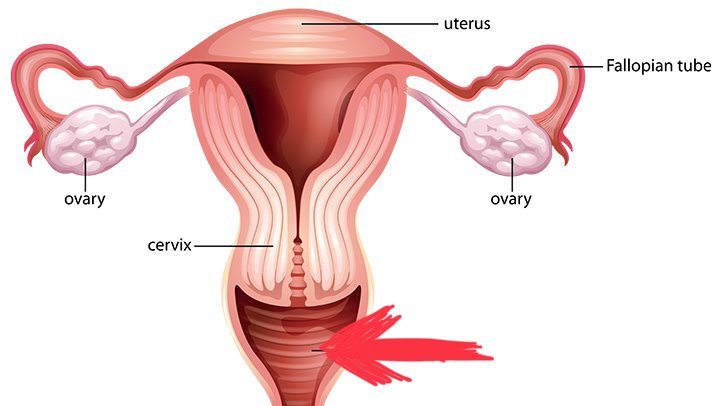
LETTER e:

a)

Uterus

b)

Fimbria

c)

Ovaries

d)

Fallopian Tubes

2.

LETTER f:

a)

Ovaries

b)

Uterus

c)

Cervix

d)

Vagina

3.
Where does fertilization usually take place?
a)
ovary
b)
fallopian tube
c)
cervix
d)
vagina
4.
How many days does it normally take for a menstrual cycle to take place?
a)
25 days
b)
28 days
c)
35 days
d)
38 days
5.

Produces sperm:

a)

Females

b)

Males

6.

The baby grows and develops here

a)

prostate

b)

uterus

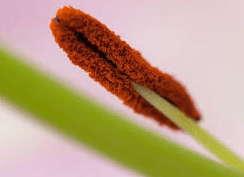
7.

What is the sac like structure that houses the testicles.

a)

Epididymis

b)

Vas deferens

c)

Scrotum

d)

Seminal Vesicle

8.
external organ which sperm leave the body
a)
penis
b)
ovaries
c)
menstrual cycle
d)
fertilization
9.
On what day of the cycle is ovulation?
a)
Day 4
b)
Day 8
c)
Day 14
d)
Day 28
10.
What do we call a fertilized egg?
a)
Sperm
b)
Testosterone
c)
Zygote
d)
Egg
11.

The lining of the uterus coming out through the vagina (sometimes called 'having a period').

a)

Conception

b)

Fertilization

c)

Implantation

d)

Menstruation

12.

A diagram of the human male reproductive system is given. Which structure produces cells that become sperm?

a)

A

b)

B

c)

C

d)

D

13.
A characteristic that is passed from parent to offspring
a)
inherited trait
b)
chromosome
c)
pedigree
d)
DNA
14.
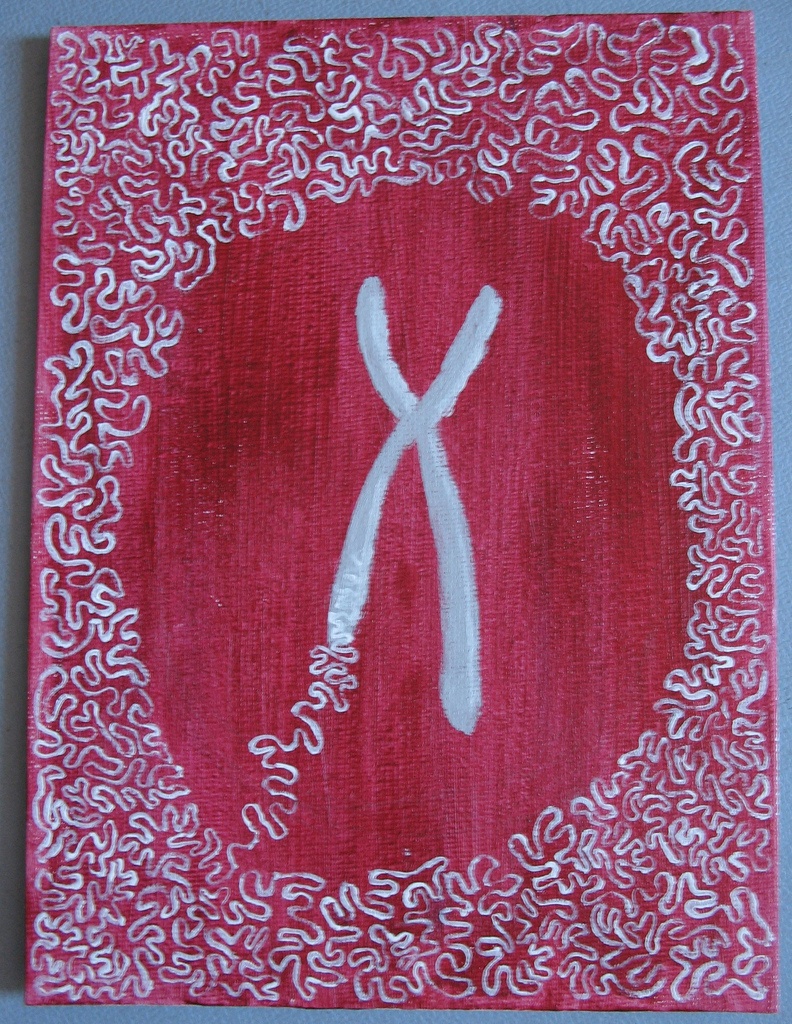
One of the threadlike structures in the nucleus of a cell that contain directions for the cell's activities
a)
variation
b)
pedigree
c)
DNA
d)
chromosome
15.
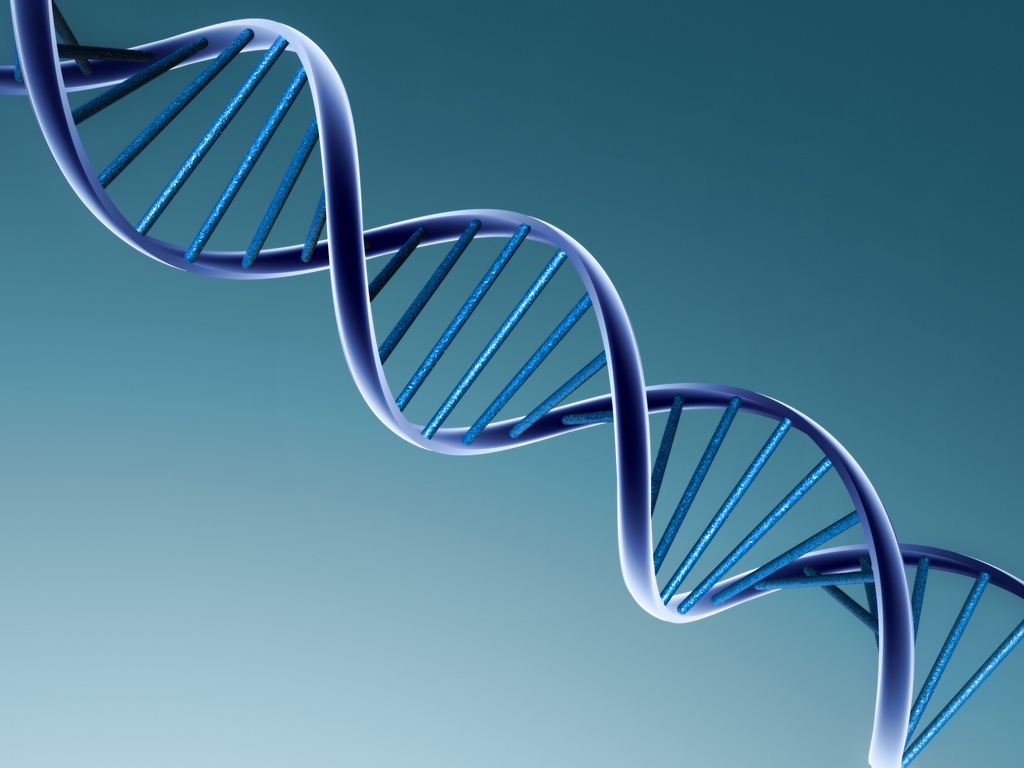
Deoxyribonucleic acid, a long, complex molecule that controls heredity
a)
inherited trait
b)
chromosome
c)
DNA
d)
pedigree
16.
Characteristics that are passed down from parents to offspring.
a)
Manners
b)
Acquired Traits
c)
Money
d)
Inherited Triats
17.
The form of an inherited trait that masks the other form of the same trait.
a)
dominant trait
b)
recessive trait
c)
purebred
d)
hybrid
18.
The man who studied genetics and came up with genetics is
a)
Watson
b)
Crick
c)
Mendel
d)
Darwin
19.
An offspring will receive how many alleles from each parent to determine a specific trait?
a)
one
b)
two
c)
three
d)
five
20.
Magda is a tall, 11 year old drummer. She has a scar on her right cheek. She is good at swimming. Which of her traits did Magda most likely inherit?
a)
height
b)
the scar
c)
ability to swim
d)
ability to play drums
21.
Two brown eyed parents (Bb) have a baby. What is the chance the baby is blue eyed?
a)
0 %
b)
25%
c)
50%
d)
75%
22.
An allele whose trait only shows up when no dominant allele is present.
a)
hidden allele
b)
dominant allele
c)
recessive allele
d)
present allele
23.
W=white hair
w= non-white hair
If you cross a horse with WW and a horse with ww what fraction of the offspring would be expected to have white hair?
a)
none
b)
3/4
c)
1/2
d)
all
24.

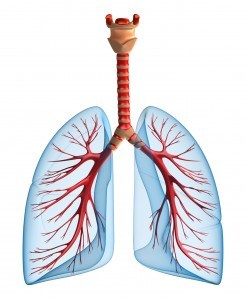
What is the main function of the respiratory system?

a)

to provide oxygen and remove carbon dioxide from the body

b)

o break down food and absorb nutrients

c)

to remove oxygen from the body and deliver carbon dioxide

25.

What are the main organs of the respiratory system that allow us to breathe and for gas exchange to happen?

a)

diapragm

b)

lungs

c)

trachea

26.

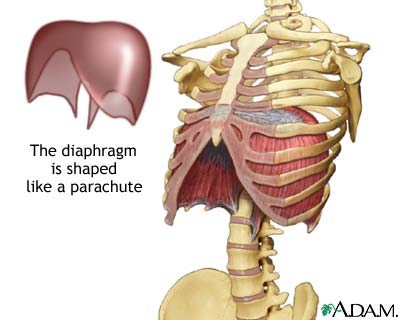
What is function of the dome-shaped diaphragm muscle?

a)

This is where gas exchange happens.

b)

Air passes through the diaphragm on the way to the lungs.

c)

It attaches to the lungs and contracts and relaxes to help in breathing.
27.
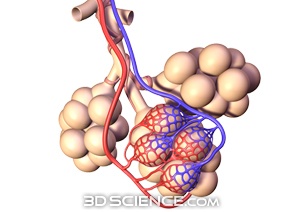
When you breathe, your lungs take in ___ and remove ___. 
a)
air/oxygen
b)
oxygen/carbon dioxide 
c)
carbon dioxide/waste 
d)
waste/air 
28.
What is the function of the bronchi?
a)
Transport air from nose to lungs
b)
Transport air from trachea to lungs
c)
Transport air from lungs to alveoli
d)
Transport air from alveoli to blood
29.
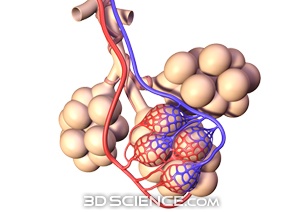
The air sacs that are covered with capillaries where gas exchange takes place
a)
bronchi
b)
lungs
c)
oxygen
d)
alveoli
30.
  What is a pure substance made of two or more elements that are chemically combined called?
a)
A. element
b)
B. compound     
c)
C. mixture
d)
D. solution
31.
Which of the following is not a compound?
a)
HCl
b)
Cl
c)
NaCl
d)
CO2
32.
Which of the following represents an element?
a)
H2O
b)
H2
c)
NaCl
d)
CaCO3
33.
This picture represents which of the following?
a)
element
b)
compound
c)
mixture
34.
This picture represents which of the following?
a)
element
b)
compound
c)
mixture
35.
What is water (H20)?
a)
element
b)
compound
c)
mixture
36.
What is gold (Au)?
a)
element
b)
compound
c)
mixture
37.
The smallest possible unit matter can be divided into while still maintaining its properties.
a)
Proton
b)
Atom
c)
Element
38.
A positively charged particle found in the nucleus of the atom
a)
Proton
b)
Electron
c)
Neutron
39.
The area of the atom where protons and neutrons are found
a)
Electron Cloud
b)
Nucleus
c)
Energy Level
40.
The negative charge particles that float around the outside of the atom
a)
Proton
b)
Neutron
c)
Electron
41.
This number is represented by the number of protons in the atom
a)
Atomic Mass
b)
Atomic Number
c)
Mass Number
42.
The horizontal rows of the periodic table
a)
Groups
b)
Periods
c)
Families
43.
The arrangement of elements in order of increasing atomic number
a)
Periodic Table
b)
Atomic Number List
c)
Bohr Model
44.
The vertical rows of the periodic table, also called families
a)
Groups
b)
Periods
c)
Rows
45.

What is similar between the elements in the same group?

a)

They have the same atomic mass.

b)

They have the same energy levels.

c)

They have the same number of electrons in outer shell.

46.

When an atom loses an electron, it becomes a

a)

positive ion

b)

negative ion

c)

neutral ion

d)

neutral atom

47.

Magnesium Bromide is an ionic compound with the formula MgB2. What does the 2 tell you?

a)

Bromide has a 2- charge

b)

There are two magnesium ions for every one bromide ion.

c)

There are two bromide ions for every one magnesium ion

d)

Bromide has a 2+ charge

48.
Chemical bonds form when atoms
a)
combined nuclei
b)
give up neutrons
c)
gain protons
d)
share or transfer electrons
49.

An atom that gains or loses an electron becomes

a)

an isotope

b)

a new element

c)

an ion

d)

a molecule

50.
What does an atomic number tell you about an atom?
a)
Number of Protons in an atom or ion
b)
Number of Neutrons in an atom or ion
c)
Number of Nuclei in an atom or ion
d)
Number of fingers on a hand
51.

Noble gases are unreactive because:

a)

they have the same number of protons

b)

the have different numbers of electrons

c)

they are all gases

d)

they all have a full outer shell

52.

How many electrons in this atoms outer shell?

a)

6

b)

5

c)

4

d)

7

53.
Which of these is a property of metals?
a)
It's malleable
b)
It can't conduct electricity
c)
They are used in food
d)
It's very brittle
54.
Which of the following is NOT a characteristic of most metals?
a)
Brittle
b)
Good conductor
c)
Ductile
d)
Malleable
55.
When an object changes shape when struck by a hammer.
a)
luster
b)
malleable
c)
brittleness
d)
ductile
56.
Unlike non-metals, most metals tend to —
a)
conduct electricity and heat well.
b)
be gases at room temperature.
c)
break easily when hammered.
d)
have less luster and shine.
57.
Iron is a good conductor, malleable and magnetic. What type of element is Iron? 
a)
Metal
b)
Nonmetal
c)
Metalloid
58.

Most metals are solid at room temperature

a)

False

b)

True

59.
A __________________________ is a huge collection of stars, gases, and dust that is classified by shape.
a)
galaxy
b)
Big Bang Theory
c)
light-year
60.
According to the  ________________________, the universe formed from a single point and is still expanding.
a)
Milky Way
b)
star
c)
Big Bang Theory
61.
Earth and the rest of the solar system are located in the galaxy ___________________.
a)
Milky Way
b)
star
c)
Andromeda
62.
A  _________________________ is a sphere of very hot, burning gas.
a)
star
b)
galaxy
c)
moon
63.
pulls clusters of stars together in most galaxies.
a)
air
b)
Big Bang Theory
c)
gravity
64.
According to most scientists, the universe formed 13 to 14 _________ years ago.
a)
million
b)
billion
c)
trillion
65.
according to the current theory, the universe will stop expanding
a)
true
b)
false
66.

What is the male reproductive organ?

a)

Ovule

b)

Pistil

c)

Pollen

d)

Stamen

67.

The female reproductive organs produce...

a)

Pollen

b)

Ovules

c)

pistil

d)

pollination

68.

Name of the process:

The pollen travels from the anther to the stigma

a)

Fertilisation

b)

Dispersion

c)

Germination

d)

Pollination

69.

Name of the process:

A pollen grain reaches an ovule

a)

Pollination

b)

Germination

c)

Fertilisation

d)

Dispersion

70.

Name of the process:

Seeds are transported by animals, wind or water

a)

Pollination

b)

Dispersion

c)

Germination

d)

Fertilisation

71.

Name of the process:

A seed reaches the ground and a new plant grows

a)

Pollination

b)

Fertilisation

c)

Dispersion

d)

Germination

72.

How is pollen transported?

a)

By animals

b)

By the wind

c)

By water

d)

By CO2

73.

Some plants reproduce using parts of themselves

a)

True

b)

False

74.

Plants with flowers

a)

Sexual reproduction

b)

Asexual reproduction

75.

Plants with flowers

a)

Sexual reproduction

b)

Asexual reproduction

76.
Brightly colored parts of flowers that attract insects.
a)
petals
b)
pistils
c)
stamen
d)
filaments
77.
The part of a flower that produces the male reproductive cells.
a)
anther
b)
style
c)
stigma
d)
filament
78.
What is seed dispersal?
a)
plant reproduction
b)
ability of plants to make food
c)
moving seeds to a new location
d)
adaptation of plants to produce more seeds
79.
How many parent(s)are needed for asexual?
a)
4
b)
1
c)
9
d)
100
80.
Requires two parents
a)
sexual reproduction
b)
asexual reproduction
81.
What is the pigment in chloroplasts that performs photosynthesis?
a)
Chlorosynthesis
b)
Chlorophyll
c)
ADP
d)
Electron Transport
82.
What are the products of photosynthesis?
a)
water and carbon dioxide
b)
oxygen and glucose
c)
oxygen and carbon dioxide
d)
oxygen and water
83.

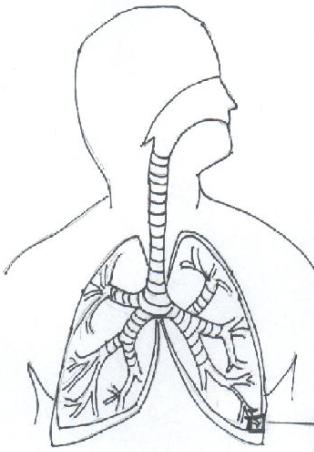
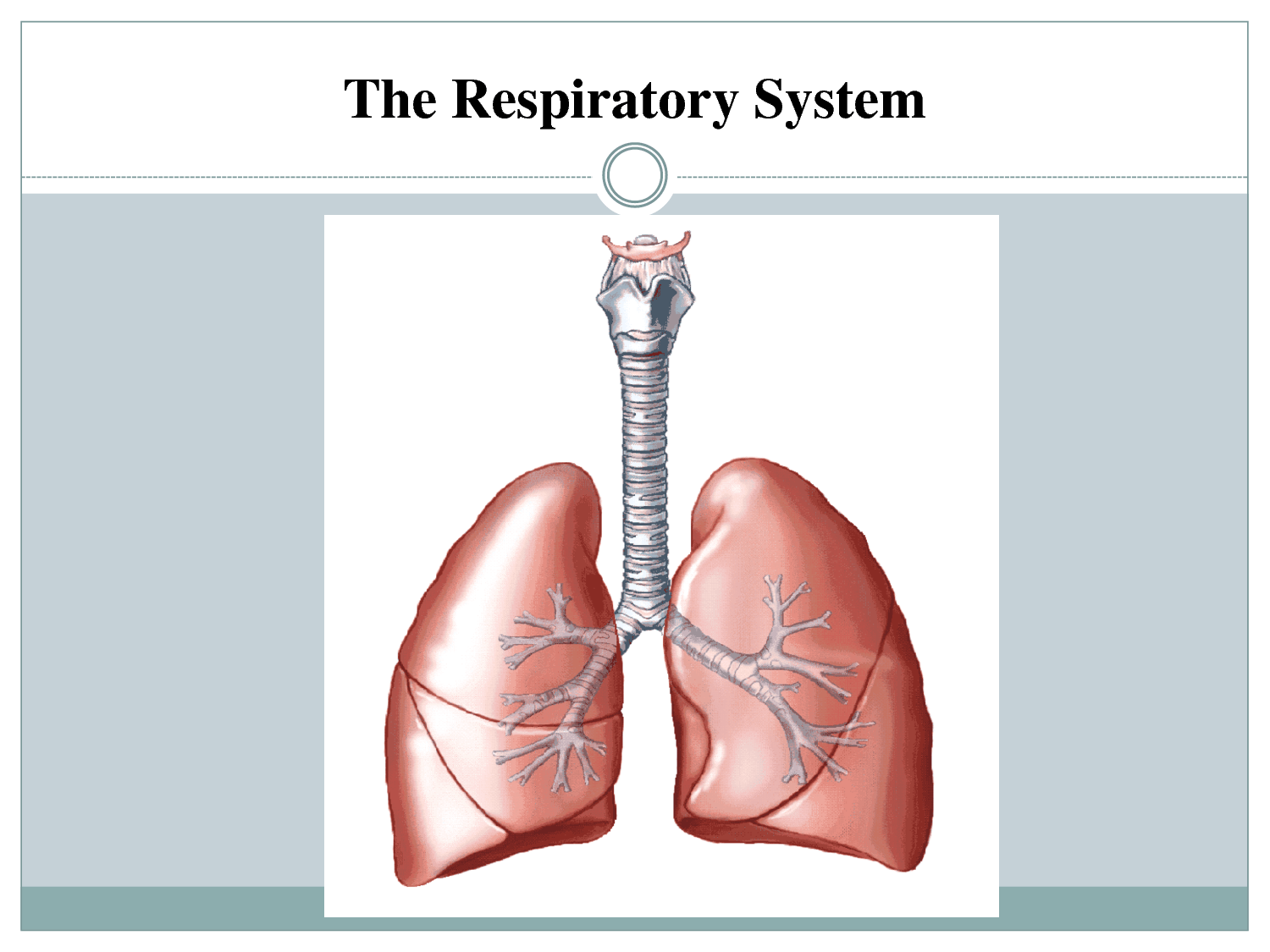
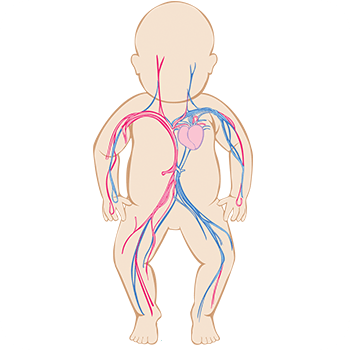
Which image represents the respiratory system?
a)
b)
c)
d)
84.

Our respiratory system helps us...

a)

Sense the world around us.

b)

Absorb nutrients from our food.

c)

Stand up straight.

d)

Absorb oxygen into our bloodstream.

85.

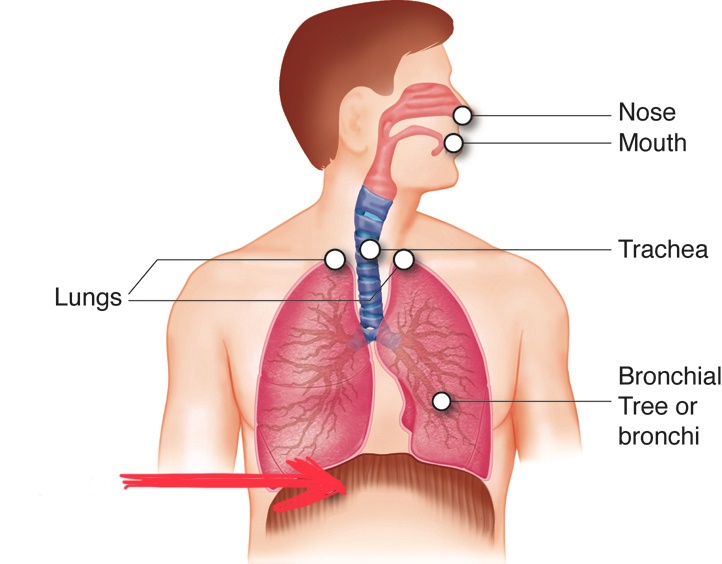
Name this part of the respiratory system.

a)

Diaphram

b)

Lungs

c)

Esophagus

d)

Trachea

86.

What is the funtion of the "Nose and Mouth"

a)

Is used to sneeze

b)

Is used for nothing

c)

Is used for air to enter and exit the body

d)

Where boogers live

87.

What is the function of the "Bronchioles"

a)

It's are a type of Dinosaur

b)

They are small airways that extend bronchi to the alveoli

c)

It's are a type of material that used to create sand

d)

A type of telescope

88.
The base unit of metric length.
a)
Meter
b)
Liter 
c)
Gram
d)
Metric
89.
The base unit for mass is the
a)
Meter
b)
Gram
c)
Metric
d)
Liter
90.

880 g =

a)

8.8 kg

b)

88 kg

c)

0.88 kg

d)

0.088 kg

91.

How many grams in a kilogram?

a)

100g

b)

10g

c)

1000g

d)

10000g

92.
5000 millimeters = ____ meters
a)
5
b)
50
c)
500
d)
25
93.

The formula to find area is:

a)

Length x Width

b)

Perimeter x 2

c)

Length x Width x Height

d)

Distance x Time

94.

The measure of the pull of gravity on an object:

a)

Volume

b)

Mass

c)

Bouyancy

d)

Weight

95.

A measure of the amount of matter of an object

a)

Volume

b)

Mass

c)

Buoyancy

d)

Weight

96.

The measure of how compact matter is, where mass is compared to volume

a)

Area

b)

Surface area

c)

Density

d)

Volume

97.

what is the meaning of Area?

a)

size of a surface

b)

size of a room

c)

how big of a room

d)

how big of a surface

98.

what is the area of this surface?

a)

2 cm2

b)

8 cm2

c)

4 cm2

d)

6 cm2

99.

What is the correct order for this food chain?

a)

Owl, Mouse, Grasshopper, Grass

b)

Grass, Mouse, Owl, Grasshopper

c)

Grass, Owl, Grasshopper, Mouse

d)

Grass, Grasshopper, Mouse, Owl

100.

What do omnivores eat?

a)

Animals

b)

Plants and Animals

c)

Plants

d)

Dead Animals

101.

Place the levels of environment in the correct order.

a)

biome, biosphere, population, organism, ecosystem,community

b)

organism, ecosystem, biosphere, population, community, biome

c)

organism, population, community, ecosystem, biome, biosphere

d)

population, community, organism, biome, ecosystem, biosphere

102.

What is the hawk in the food web?

a)

Producer

b)

Primary consumer

c)

Secondary consumer

d)

Tertiary consumer

103.

What was NOT a part of the water cycle?

a)

Condensation

b)

Precipitation

c)

Decompostition

d)

Evaporation

104.
oxygen is a gas produced by _ and used by  _ 
a)
plants and animals 
b)
photosynthesis and carbon dioxide 
c)
animals and plants 
d)
carbon dioxide and photosynthesis
105.
All of the carbon in existence is continually recycled in the carbon cycle
a)
True
b)
False
106.
How is the burning of fossil fuels related to global warming?
a)
Magic
b)
Fuels are hot
c)
Greenhouse effect
d)
Photosynthesis
107.
Which of the following removes carbon from the atmosphere?
a)
Combustion
b)
Respiration
c)
Photosynthesis
d)
Death
108.
Which of the following is an example of a decomposer?
a)
Owl
b)
Fish
c)
Tree
d)
Mushroom
109.
Organisms that do not decompose can be buried and become what?
a)
water
b)
nutrients
c)
air
d)
fossil fuels
110.

If the plant population decreased, the amount of carbon in the atmosphere would _________.

a)

Stay the same

b)

Increase

c)

Decrease

111.

Electric current is defined as

a)

detect electric current

b)

negative terminal to positive terminal

c)

positive terminal to negative terminal

d)

the flow rate of electric charges through a conductor

112.

Electric current flows from

a)

detect electric current

b)

negative terminal to positive terminal

c)

positive terminal to negative terminal

d)

the flow rate of electric charges through a conductor

113.
Electricity that flows in a closed path is called a
a)
path
b)
current
c)
circuit
114.
What is voltage measured in?
a)
Ω (Ohms)
b)
V (Volts)
c)
A (Amps)
d)
W (Watts)
115.
What is resistance measured in?
a)
Ω (Ohms)
b)
V (Volts)
c)
A (Amps)
d)
W (Watts)
116.
How do you calculate voltage?
a)
Current X Resistance
b)
Resistance ÷ Current
c)
Current ÷ Resistance
d)
Measure it with a ruler
117.
How do you calculate current
a)
Resistance X Voltage
b)
Voltage X Resistance
c)
Resistance ÷ Voltage
d)
Voltage ÷ Resistance
118.
How do you calculate resistance?
a)
Voltage X Current
b)
Current ÷ Voltage
c)
Voltage ÷ Current
d)
Current X Amps
119.
What voltage is needed to cause a 2A current flow through a 10Ω resistor?
a)
5V
b)
0.2V
c)
20V
d)
200V
120.
What voltage is needed to cause a 5A current flow through a 2Ω resistor?
a)
10V
b)
2.5V
c)
7V
d)
0.4V