
 Worksheets
Pract
Total questions: 80
Worksheet time: 40mins
The type of vision that provides the most detail when focusing on an object is called:
peripheral vision
central vision
marginal vision
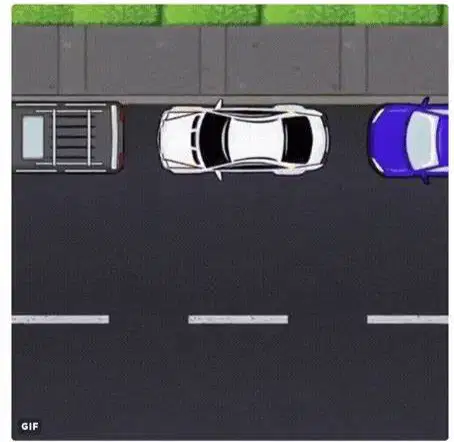
When parked parallel, how far from the curb should you be? Within ___.
12 inches
18 inches
24 inches
When should you use your vehicle's low beam headlights?
at all times
only during the day
only at night

The best way to avoid getting involved in emergency driving situations is:
to keep your vehicle in good mechanical condition
to continuously observe hazards
to use the rearview and side mirrors
If you experience a vehicle breakdown, how can you help other road users see you safely?
park close to the road
get out of your vehicle and wave your hand
turn on the hazard lights

On a rural road, it is more difficult to recover from a mistake because:
speeds are higher and the roads are narrower
the roads are wider and there is more traffic
there are more traffic lights

When you are following a motorcyclist, you should:
increase your following distance
lightly honk your horn so they get out of your way.
overtake the motorcyclist at the first opportunity you get.

How can you reduce risk when driving in a construction zone?
Reduce speed, stay alert, and minimize distractions
Drive at normal speeds and look for orange signs
Reduce speed and drive closer to the traffic ahead.
To make small adjustments when parking, use:
idle acceleration
a firm push on the accelerator
constant acceleration
Deceleration can be done by braking or:
applying pressure to the dead pedal.
releasing pressure from the accelerator.
focusing on the roadway.
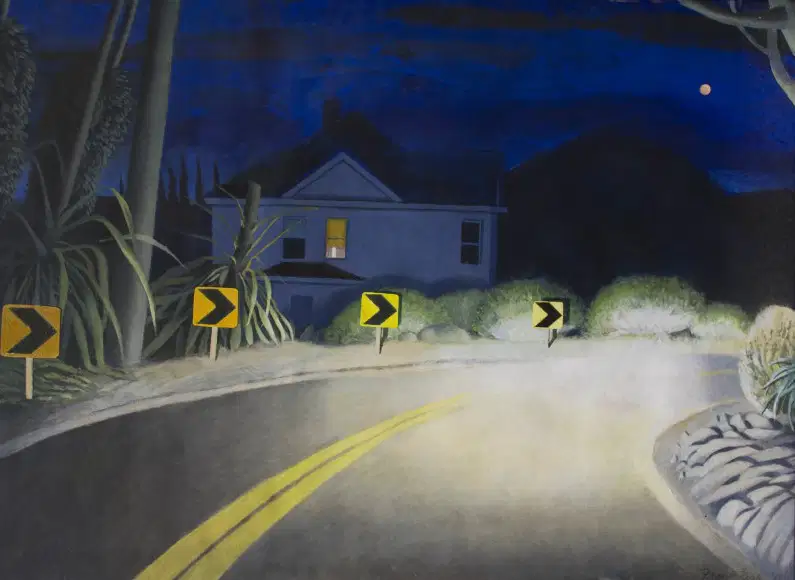
On a sharp curve, you should use your brakes to slow down your vehicle:
all the time while driving through the curve.
just after entering the curve.
before entering the curve.
Implied consent laws are designed to:
penalize drivers for not passing a preliminary breath alcohol test
penalize drivers for not passing a blood alcohol concentration test.
penalize drivers for refusing to take a breath alcohol test or a blood alcohol concentration test.

When traveling on a two-lane road and an emergency vehicle approaches, you must:
stop immediately.
move to the right edge of the road and stop.
flash your headlights to alert the driver ahead.
What is the main cause of accidents when driving in fog?
Drivers drive too fast for the visibility ahead
Not being able to see traffic signs
Not being able to see animals on the road
Your vehicle is skidding. What should you do?
look and steer in the direction you want to go
keep constant pressure on the accelerator
take your hands off the steering wheel
Unless otherwise indicated, the speed limit in a rural area is:
75 mph
55 mph
45 mph
The safest type of turn in heavy traffic is:
backing into a driveway or alley on the right
entering a driveway on the left
U-turn at an intersection

The pedestrian is in the middle of the street when your traffic light turns green. You must:
wait until the pedestrian crosses the street before continuing
continue if you have the right of way
continue if the pedestrian is not in your lane
Serving as proof that a driver is financially responsible and can pay for damages resulting from an accident, Michigan requires drivers to carry:
car registration
vehicle title
proof of insurance

A safe and prudent speed to drive in clear and dry conditions is:
below the speed limit
the posted speed limit
above the speed limit
The more ___ a moving object has, the harder it is to stop it.
traction
momentum
adhesion
After putting your vehicle in park, check that ___ to avoid problems when you return.
the seat is all the way back
the steering wheel is tilted upward
the accessories and lights are turned off
The "Dutch Reach" provides a way for the driver to ensure the safety of ___ before leaving the vehicle.
pedestrians at the crosswalk
approaching cyclists
pedestrians on the sidewalk
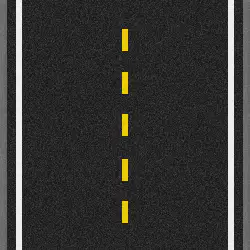
A broken yellow line means:
passing is not allowed
passing is allowed when safe
you may pass on the right
Regarding current technology in vehicles, who is responsible for driving?
the driver
the vehicle
the vehicle manufacturer
The signal from a traffic control officer:
is the only one that must be followed, regardless of the traffic lights
must be the same as the signal at the intersection
is often a factor in collisions
When turning right, turning the steering wheel too slowly will cause you to:
hit the curb
enter the wrong lane
cross the stop line
The first thing you should do before deciding to overtake on a two-lane road is:
make sure it is legal and that the left lane is clear of oncoming traffic
stay close to the vehicle in front of you
check your mirrors to see if there is traffic behind you
A "Michigan Left", unless otherwise indicated, is designated for ___
2 lanes of traffic
1 lane of traffic
3 lanes of traffic
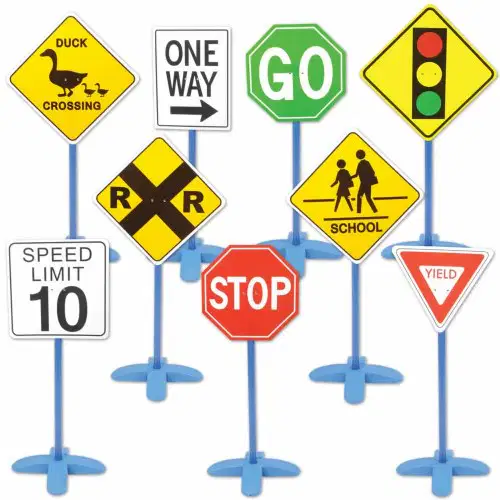
The purpose of a guide sign is:
to inform drivers about potentially dangerous conditions ahead
to indicate to drivers how fast they should drive
to provide information about routes and destinations
Who yields the right of way when drivers enter a traffic lane from a parking space?
whoever arrives first
the traffic coming in the opposite direction in the traffic lane
the driver entering the traffic lane from the parking lane
When the temperature light comes on while driving, it usually means that:
the water pump is not working properly
the temperature inside the vehicle is too high
the engine temperature is above a safe level
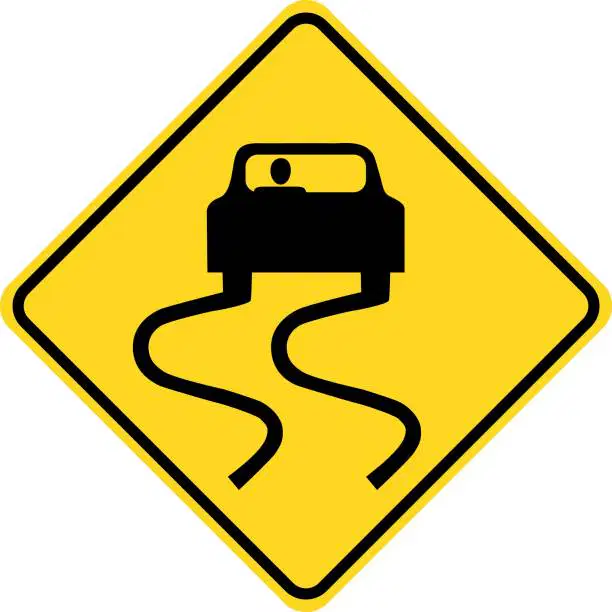
When roads are slippery, you should:
avoid making sudden turns and stops
pump the brakes to test your tire traction
always activate the anti-lock brakes if your vehicle has them
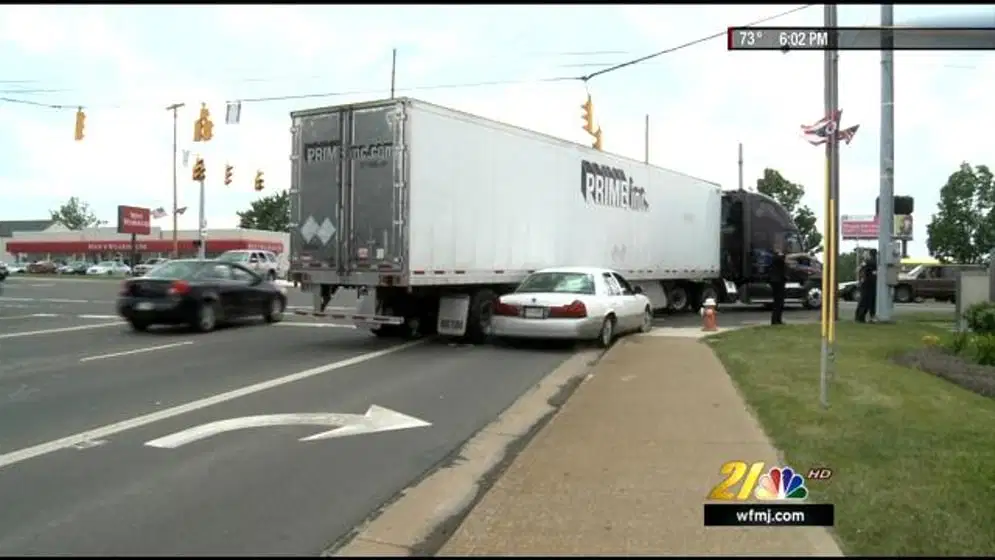
You approach an intersection and see that a truck with a trailer is coming from the left and begins to turn right. What should you expect from the truck with a trailer?
It will not interfere with your path.
It will make a wide turn and use part of your lane to complete the turn.
It will stop and let you pass.
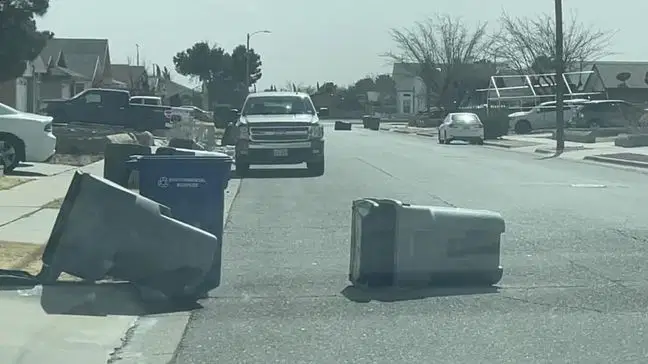
While driving, a trash can gets in your way. Which of these is the first step to organize the driver's mind and avoid crashing into the trash can?
decide
act
perceive
While you have a Level 1 License, how old must your licensed driving instructor be?
21 years or older
16 years or older
18 years or older
If you must stop suddenly and your vehicle is equipped with ABS, you should:
pump the brakes
apply the brakes fully
brake gently
If you must leave the road at high speed without an open space to travel, choose to hit a small object with:
a direct impact
a glancing blow/side collision
the front of your vehicle
When attempting to overtake another vehicle, the maximum legal speed limit is:
the posted speed limit
20 mph above the speed limit
as fast as your vehicle can go
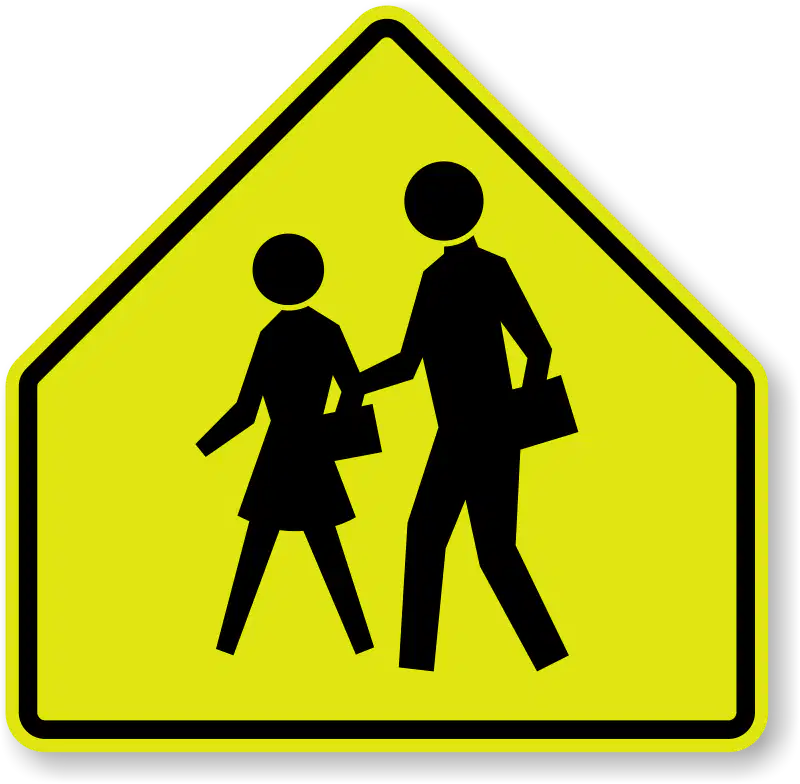
What does this traffic sign mean?
pedestrian crossing
construction zone
school zone
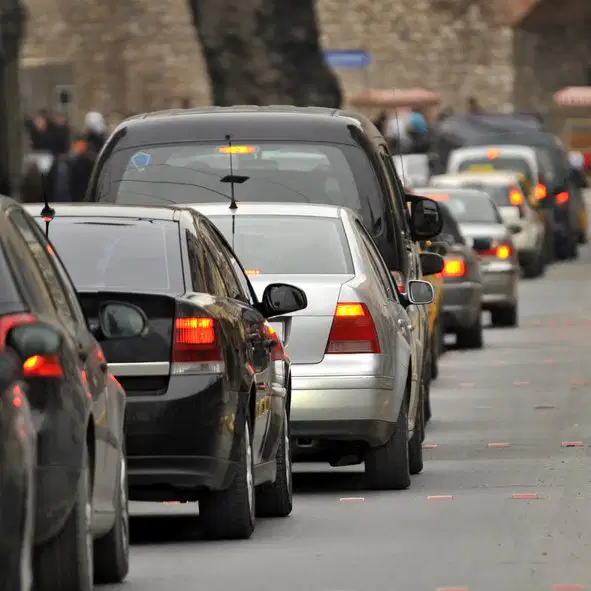
You intend to go straight at the next intersection. In front of a green traffic light, a funeral procession is crossing from left to right. You:
have the right of way with the green light
must yield to the entire procession before continuing
may proceed when there is a suitable gap in the procession
An interlacing or weave lane on a highway is very dangerous because:
high-occupancy vehicles use this lane
it is both an acceleration and deceleration lane
the lane has sharp curves
Why is it dangerous to drive with a blown brake light?
If your brake lights don't work, your headlights don't work either
It reduces your visibility to other drivers.
As long as two work, it's fine
When you identify a potential hazard, you should:
apply the brake immediately
move to the right
decide what to do
When approaching a railroad crossing with the barriers down, the signals flashing, and the bells ringing, you should:
look in both directions, then slowly drive around the barriers if you cannot see the train
wait until the barriers are clear before driving slowly.
stop and wait until the barriers are raised, the signals stop flashing, and the bells stop ringing.

When you are driving a vehicle with airbags, you are safest when you are seated:
less than 6 inches from the steering wheel
with your head positioned directly over the steering wheel
at least 10 inches away from the steering wheel
In urban areas, who are frequent users of the roads besides passenger vehicles?
pedestrians, agricultural equipment and horses
cyclists, mopeds and pedestrians
motorhomes, semi-trailer trucks and golf carts
Yielding the right of way means:
the same as a flashing red light
always stopping at yield signs
letting others go first

You can check the tread depth of your tire using a:
quarter coin
dime coin
nickel coin
A curve in the road, slowly moving objects, or a large utility vehicle ahead can affect your:
peripheral vision
marginal vision
line of sight
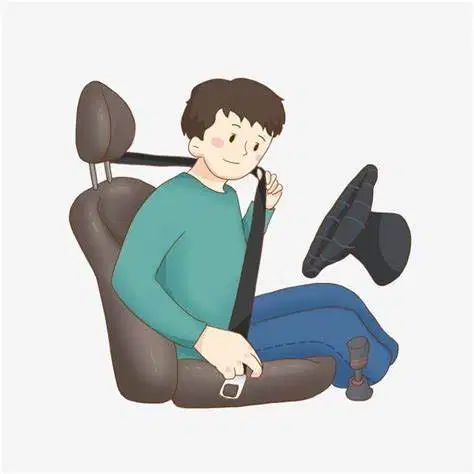
Seat belts provide maximum protection when you are seated:
comfortably with slack in the belt
with the seat reclined back
upright with your back firmly against the seat
When should you enter a roundabout?
When there are no vehicles coming from the right
When there is a suitable gap in the traffic
When there is only one vehicle coming from the left
If the driver coming towards you at night does not use low beams, you can try to reduce glare by:
constantly looking straight ahead
frequently looking at the right edge of the road
keeping your high beams on

Why is black ice so dangerous?
It is rarely found on bridges and overpasses
It cannot be seen by the human eye
It is only found at the end of summer
What does the search for hazards in traffic mainly depend on?
Actively looking for places where there could be problems.
Seeing with peripheral vision.
Moving your eyes slowly from one place to another.
What is the correct steering technique when reversing?
Turn in the opposite direction to where you want the rear of the vehicle to go
Turn in the same direction to where you want the rear of the vehicle to go
Turn right if you want the rear of the vehicle to go left
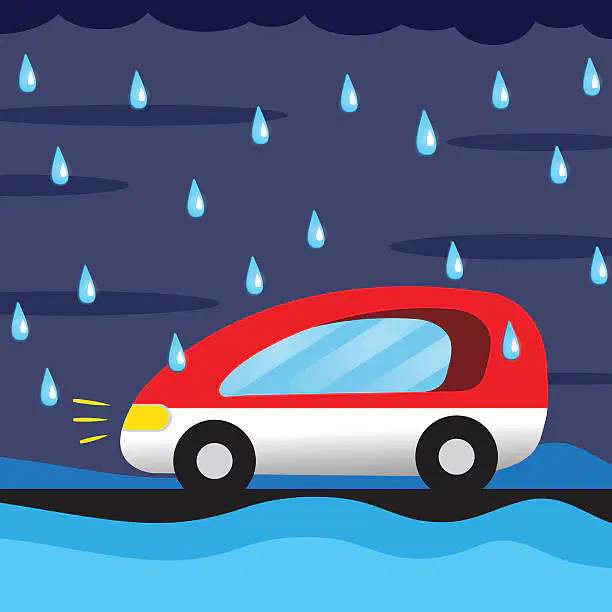
When it is raining, your choice of speed should be mainly influenced by the:
posted speed limit
speed of other drivers
amount of traction
Each time you drive, perform a prior check of:
all fluid levels
tires and lights
oil and transmission fluids
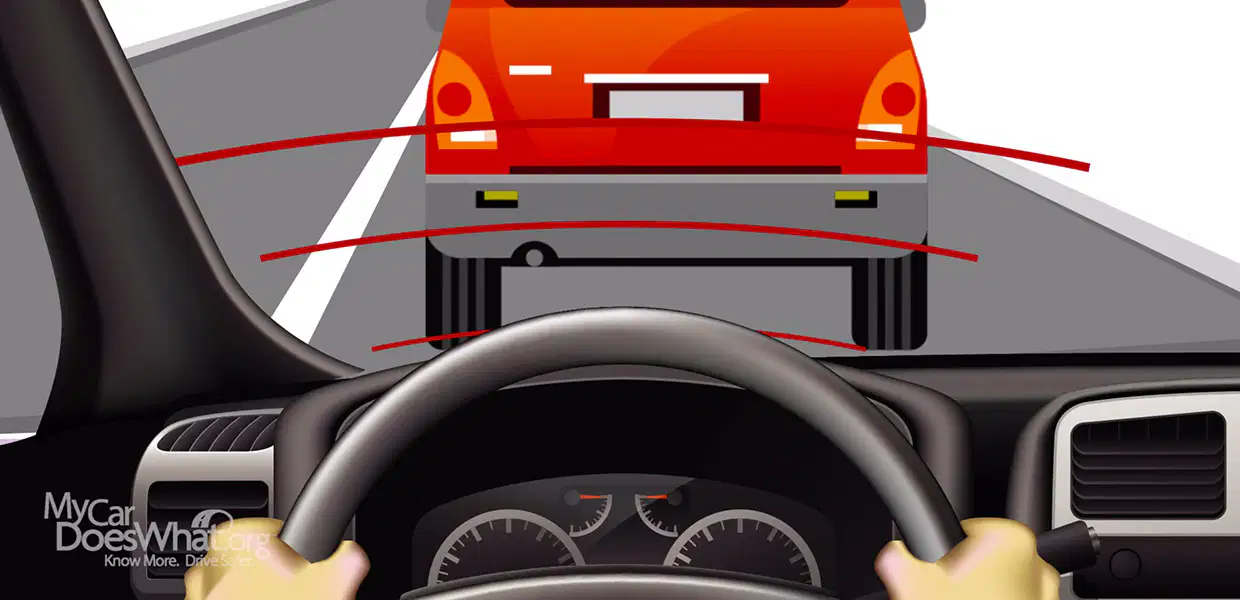
What is the danger of braking and turning at the same time?
losing control due to overloading the front tire
losing control due to overloading the rear tire
This is not dangerous

You are stopped at a stop sign. Before turning right, you should look:
straight ahead, to the left and to the right
to the left, to the right and again to the left
to the right, to the left and again to the right
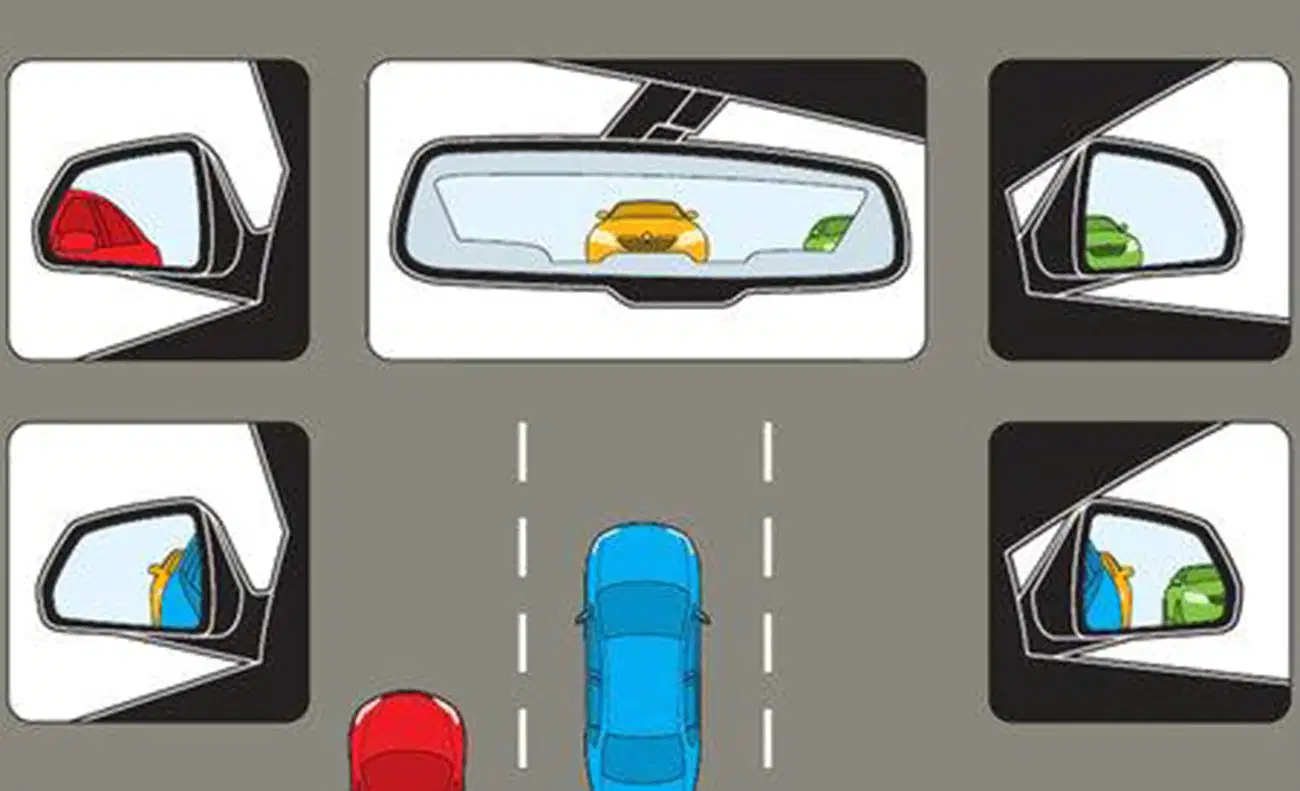
The exterior mirrors of your vehicle should be adjusted so that:
blind spots are reduced
you can see the entire vehicle
there are no blind spots

You are stopped at a red traffic light. You have checked the intersection and it is clear of cars and pedestrians. Unless a sign tells you not to, then you can:
turn right
go straight or turn right
go straight

When encountering rough and slippery road conditions, a driver should:
accelerate
reduce speed
maintain speed

You must yield to a pedestrian using a white cane or a guide dog:
only if the pedestrian is obeying traffic signals
at all times
only when a guide dog is leading the person across the street
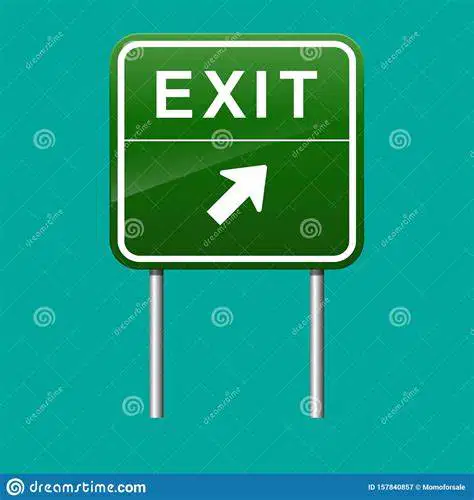
When exiting a highway:
reduce your speed about 100 yards before your exit
maintain your speed until you reach the deceleration lane
reduce your speed about 300 yards before your exit
Why should you check your rearview mirror after a turn?
to make sure you chose a suitable space in the traffic
it is not necessary
to check the traffic ahead

What documents must you show during a traffic stop?
license, registration, and insurance
you are not required to show anything
title, license, and insurance
To turn right, you must start your turn in the rightmost lane and complete it in the:
right lane
left lane
any lane that is available
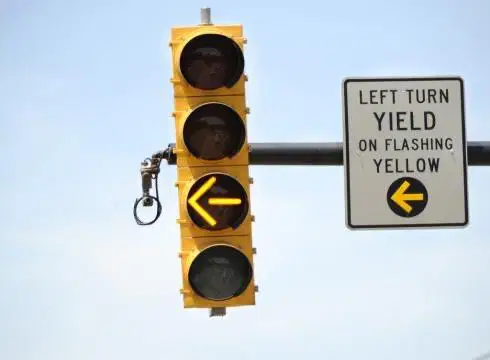
A flashing yellow arrow for turning indicates that oncoming traffic has:
flashing red light
solid red light
green light

Which lane should you drive in if you are traveling on a 3-lane highway?
center lane
any lane
left lane
From the moment the eyes see a danger until the moment the brain recognizes it as a danger is called
braking time
reaction time
perception time
You may overtake a vehicle on the right if:
The vehicle ahead is turning left and you do not have to leave the paved lane to overtake
The driver ahead signals that it is safe to overtake
The shoulder is wide enough to overtake, even if there is a solid white line
What should you do first when a tire bursts?
hold the steering wheel firmly
brake gently
brake immediately
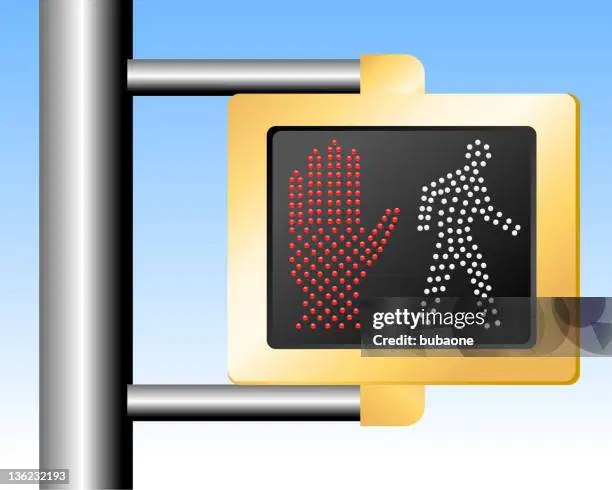
Where should you stop your vehicle at an intersection controlled by a stop sign with a pedestrian crossing?
in the middle of the pedestrian crossing
before the pedestrian crossing
after the pedestrian crossing if there are no pedestrians
Lane departure warning systems work by reading the lane lines on the road with___
traction control
a laser
a sensor or camera
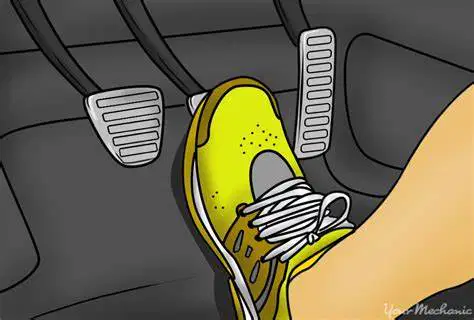
Which foot should you use to control the accelerator and brake pedals?
left
right
both
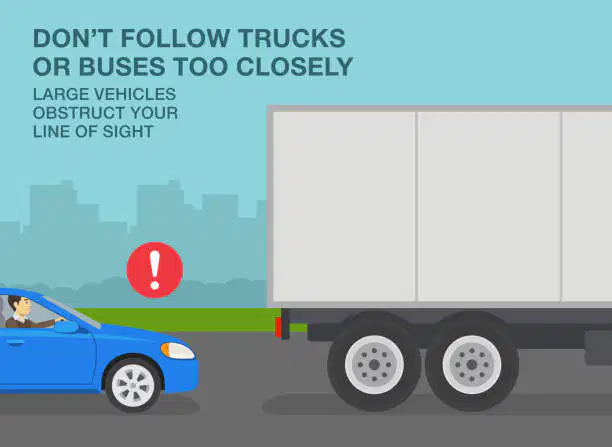
When you are following a vehicle that blocks your view of the road ahead, it is best to
stay as far to the right as possible
follow at a greater distance than usual
drive so that you are partially in the left lane
You are the first vehicle at an intersection. What is the best position for the wheels and the vehicle when waiting to turn left at a traffic light?
wheels pointing to the left while partially in the intersection
wheels pointing to the right while partially in the intersection
wheels straight while partially in the intersection

An object at rest tends to remain at rest is defined as
momentum
inertia
energy
Unless otherwise posted, the speed limit in a business district is:
35 MPH
25 MPH
45 MPH

