wayground logo

Free Printable Worksheets

Font size

S
M
L
XL
Worksheets

Natural selection and evolution

Total questions: 65

Worksheet time: 45mins

Name
Class
Date
1.
What is another name for natural selection?
a)
survival of the smartest
b)
survival of the fastest
c)
survival of the biggest
d)
survival of the fittest
2.
What is a change in an organism that allows for it to survive in its environment?
a)
homologous
b)
vestigial
c)
variation
d)
adaptation
3.
What is an organism that has similar characteristics and can reproduce?
a)
species
b)
organism
c)
embryology
d)
vestigial 
4.
What is this an example of?
a)
diversity of species
b)
variation
c)
vestigial structures
d)
DNA studies
5.
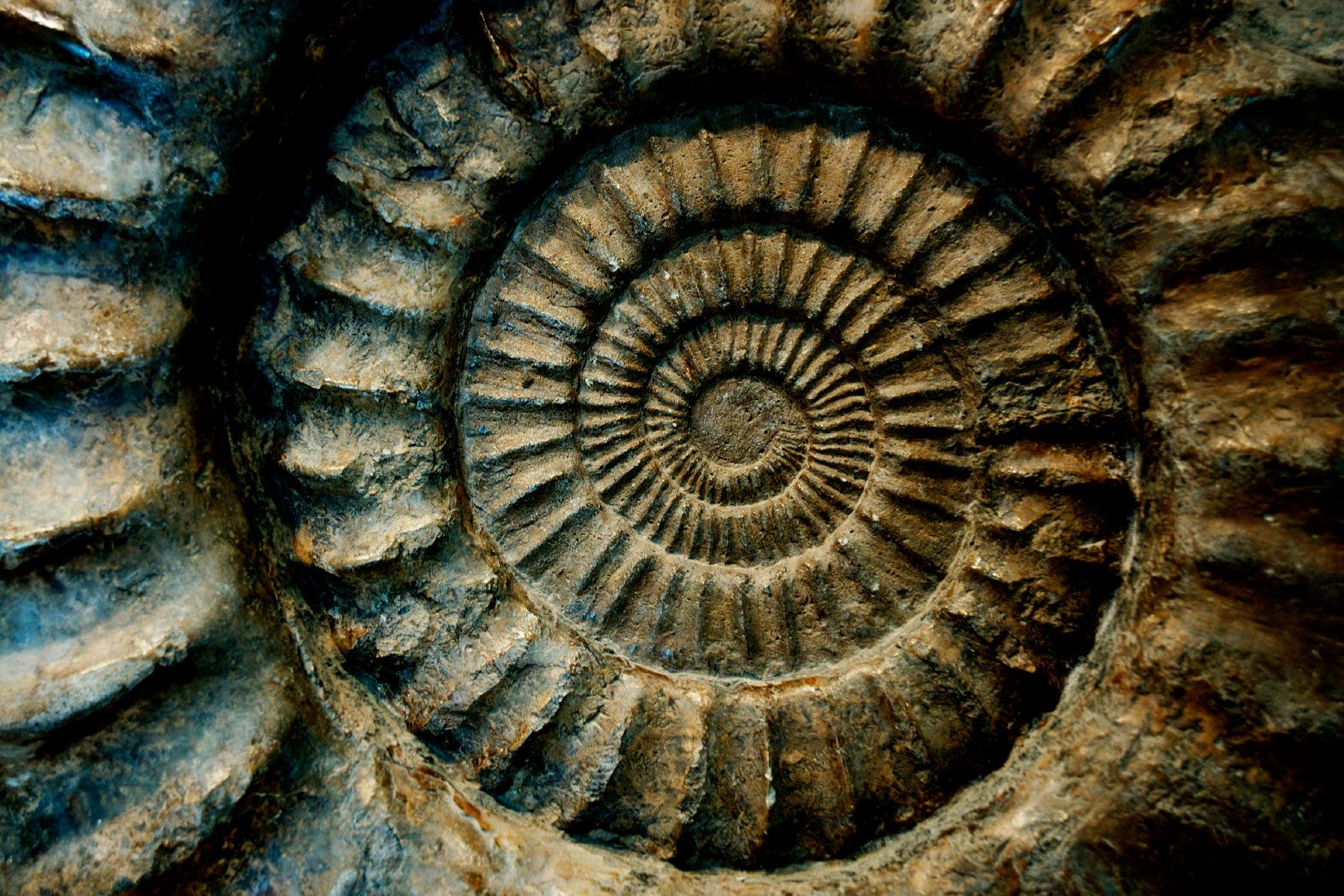
Which layer is the oldest?
a)
1
b)
2
c)
3
d)
4
6.
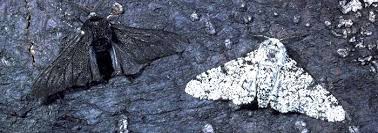
Predict which moth would increase in population
a)
light 
b)
dark
7.
Darwin wrote that organisms with traits that are best suited to the environment will ________________
a)
increase in number
b)
become extinct
8.
Which term refers to the process by which individuals that are better suited to the environment survive and reproduce therefore passing down their genes to their offspring? 
a)
Evolution 
b)
Variation 
c)
Adaptation
d)
Natural Selection 
9.
Inherited trait that helps an organism survive is a(n) __________.
a)
Fossil
b)
Adaptation
c)
Ancestor
d)
Natural selection
10.
Why are advantageous traits more likely to be passed onto offspring?
a)
Because they are more likely to survive and reproduce.
b)
Because they come from dominant alleles.
c)
Because they come from recessive alleles.
d)
Because the trait is an acquired phenotype.
11.
This scientist developed the theory of evolution as he studied the finches.
a)
Charles Darwin
b)
Isaac Newton
c)
Albert Einstein
d)
Marie Curie
12.
The differences among a species, like different bird beaks, are called
a)
genes.
b)
variations.
c)
traits.
d)
theories.
13.

In your lab, what did the different kitchen utensils represent?

a)

variations in bird beaks

b)

food sources

c)

evolution

d)

pickles

14.

In your lab, how would your describe multiple birds feeding from the same food source at the same time?

a)

competition

b)

evolution

c)

natural selection

d)

variation

15.
Definition: competition
a)
inherited characteristic that increases chances of survival
b)
organisms with traits well suited to their environment survive and reproduce at a greater rate
c)
a growing population causes a scarcity of resources
d)
differences in the DNA sequence
16.
Definition: natural selection
a)
inherited characteristic that increases chances of survival
b)
organisms with traits well suited to their environment survive and reproduce at a greater rate
c)
a growing population causes a scarcity of resources
d)
differences in the DNA sequence
17.
Definition: fitness
a)
ability to survive and reproduce in a specific environment
b)
organisms with traits well suited to their environment survive and reproduce at a greater rate
c)
a growing population causes a scarcity of resources
d)
differences in the DNA sequence
18.
Definition: variation
a)
ability to survive and reproduce in a specific environment
b)
organisms with traits well suited to their environment survive and reproduce at a greater rate
c)
a growing population causes a scarcity of resources
d)
differences in the DNA sequence
19.
Definition: homologous structures
a)
remains of dead organisms
b)
related organisms have the same bone makeup
c)
in the early stages of development dogs, pigs, and humans resemble one another
20.
Definition: fossil record
a)
remains of dead organisms
b)
related organisms have the same bone makeup
c)
in the early stages of development dogs, pigs, and humans resemble one another
21.
A trait that makes a species better suited to survive in its environment is called a(n) _________.
a)
variation
b)
adaptation
c)
natural selection
d)
isolation
22.
A species is an organism that has different traits and cannot _______ with other organisms.
a)
breed
b)
exist
c)
survive
d)
evolve
23.
Genetic differences between organisms of the same species
a)
Variation
b)
Adaptation
c)
Behavior
d)
Environment
24.
What is the advantage of having different shaped beaks?
a)
To look different from other species.
b)
To be able to eat the food readily available in the environment.
c)
To protect itself against predators.
d)
To protect itself against prey.
25.
What is the advantage of having different shaped beaks?
a)
To look different from other species.
b)
To be able to eat the food readily available in the environment.
c)
To protect itself against predators.
d)
To protect itself against prey.
26.
The struggle for existence against other members of an organisms species is
a)
Competition
b)
Natural Selection
c)
gene flow
d)
genetic drift
27.
Remains of ancient organisms are called
a)
Extinctions
b)
Fossils
c)
Mutations
d)
Variations
28.

What is the advantage of Darwin's finches having different shaped beaks?

a)

To look different from other species.

b)

To be able to eat the food readily available in the environment.

c)

To protect itself against predators.

d)

To protect itself against prey.

29.
Process by which individuals that are better suited to their environment survive and reproduce most successfully; also called survival of the fittest.
a)
Extinction
b)
Speciation
c)
Natural Selection
d)
Artificial Selection
30.

What is the process in which populations CHANGE gradually over time?

a)

evolution

b)

species

c)

variation

d)

competition

31.

What do you call a characteristic that allows an organism to survive in an environment?

a)

variation

b)

adaptation

c)

selection

d)

overproduction

32.

Hibernation is an example of which type of adaptation?

a)

Behavioral Adaptation

b)

Physical Adaptation

33.

Beak shape, camouflage, and webbed feet are all examples of which type of adaptation?

a)

Behavioral Adaptation

b)

Physical Adaptation

34.

Select ALL the parts of Natural Selection.

a)

overproduction

b)

evolution

c)

variation

d)

selection

e)

competition

35.

Where those organisms that adapt best survive most

a)

embryology

b)

sedimentary rock

c)

natural selection

d)

variation

36.

A Variation that makes an organism more suited to its surroundings

a)

adaptation

b)

variation

c)

evolution

d)

embryology

37.

A trait that makes some of the species different that others

a)

homologous

b)

embryology

c)

evolution

d)

variation

38.

Change in inherited triats over time

a)

embryology

b)

variation

c)

evolution

d)

homologous

39.

Group of organisms with similar characteristics

a)

embryology

b)

variation

c)

species

d)

homologous

40.

When organisms of a species completely die out, is called?

a)

Evolution

b)

Natrual selection

c)

extinction

d)

adaptation

41.

When an animal adjusts to extemely cold or hot environments, these characteristics represent?

a)

cloning

b)

adaptations

c)

extinction

d)

cellular mistakes

42.

What do we call mistakes or changes that occur in the DNA sequence?

a)

natural selection

b)

adaptations

c)

mutations

d)

Darwinism

43.
What is the advantage of having different shaped beaks?
a)
To look different from other species.
b)
To be able to eat the food readily available in the environment.
c)
To protect itself against predators.
d)
To protect itself against prey.
44.

The bird on the right is better adapted to get the worm. It will probably survive and reproduce. This is known as_____.

a)

Atomic distribution

b)

Natural Selection

c)

Population

45.

Why are advantageous traits more likely to be passed onto offspring?

a)

Because organisms with those traits are more likely to survive and reproduce.

b)

Because they come from recessive alleles.

c)

Because they come from dominant alleles.

d)

Because the trait is an acquired (learned) phenotype.
46.
Where the better adapted organisms survive to pass traits along to offspring.
a)
Evolution
b)
Natural Selection
c)
Extinction
d)
Artifical Selection
47.
Why are advantageous traits more likely to be passed onto offspring?
a)
Because they are more likely to survive and reproduce.
b)
Because they come from dominant alleles.
c)
Because they come from recessive alleles.
d)
Because the trait is an acquired phenotype.
48.
Natural selection is when ____________ decides who survives and who doesn't
a)
nature
b)
humans
c)
animals
d)
years
49.
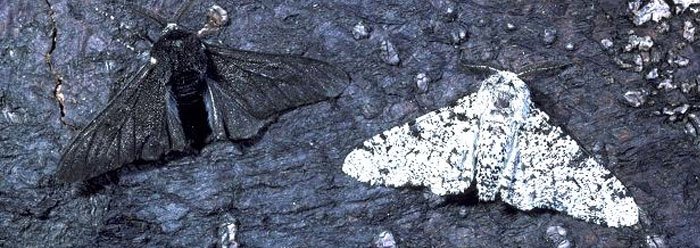
The trees these moths used to live on were white, but have been covered in soot from coal factories. Which moth will be more successful in this environment?
a)
Dark moth
b)
Light moth
c)
Both will be equally successful
d)
Neither will be successful
50.
Change over time
a)
Natural Selection
b)
Selective Breeding
c)
Homeostasis
d)
Evolution
51.
Which best describes mutations?
a)
Always helpful
b)
Always harmful
c)
Can be helpful or harmful
d)
Always neutral
52.
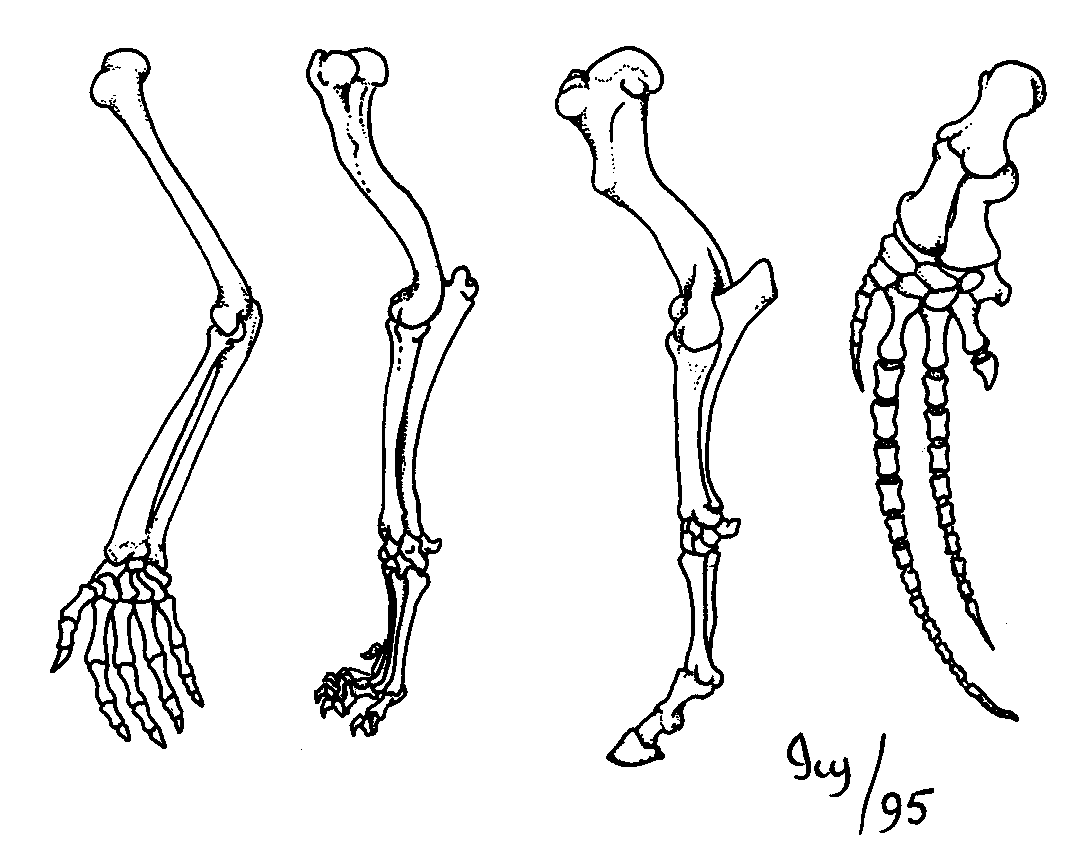
Structures with the same parts have different functions; suggests that organisms share a common ancestry
a)
vestigial structures
b)
homologous structures
c)
adaptive radiation
d)
fossil
53.
Study of embryos of various organisms to show a common ancestor because of similarities in development
a)
natural selection
b)
embryology
c)
speciation
d)
evolution
54.
The diagram shows fossils in different rock layers. Which of these statements about the age of these fossils is most likely correct?
a)
Fossil A and C are the same age
b)
Fossil B is older than fossil C
c)
Fossils A is older than fossil B
d)
Fossil D is older than fossil C
55.
What does Darwin's theory of evolution suggest?
a)
species change over time
b)
extinct species are not related to living species
c)
different species can interbreed
d)
animals that look alike are most closely related
56.
What type of structures are these?
a)
homologous
b)
vestigial 
c)
analogous
d)
fossil
57.
Which of these best represents a time period in which an organism could evolve?
a)
5 days
b)
100 years
c)
10,000 years
d)
2 decades
58.

Whales are aquatic mammals that contain a pelvis (hip) bone. Even though it does not aid in its movement, the function must have been used by a common ancestor of the whale. Thus, the pelvis is referred to as a(n)

a)

vestigial structure

b)

analogous structure

c)

homologous structure

59.
A theory has significant evidence to support it.  True or False
a)
True
b)
False
60.
The ability of an organism to survive and reproduce in its specific environment 
a)
diversity.
b)
evolution
c)
adaptation
d)
 fitness
61.
Where humans have bred organisms together based on traits we like.
a)
Evolution
b)
Natural Selection
c)
Extinction 
d)
Artificial Selection
62.
Genetic differences between organisms of the same species
a)
Variation
b)
Adaptation
c)
Behavior
d)
Environment
63.
The difference in the physical traits of an individual from those of other individuals in a group is called a(n)
a)
change
b)
adaption
c)
species
d)
variation
64.
The long and sharp beak of a woodpecker is an example of:
a)
Natural Selection
b)
Selective Breeding
65.
An error in DNA copying that results in a new trait
a)
Homeostasis
b)
Mutation
c)
Natural Selection
d)
Selective Breeding