
Font size
 Worksheets
Biology C9&10 LT1 S2
Total questions: 90
Worksheet time: 2hrs 30mins

Which type of blood vessel carries blood TO the heart?
Arteries
Capillaries
Veins
Venules
What type blood vessel exchanges nutrients and oxygen in the tissues?
Arteries
Veins
Capillaries
Venules

When blood is blocked to the brain, it causes...
a heart attack.
high blood pressure.
a stroke.
sickle cell anemia.

High blood viscosity will cause blood flow to...
decrease.
increase.
stay the same.
speed up & then slow down.

Arteriosclerosis is when...
blood pressure increases.
plaque builds up in the veins.
artery walls become thicker.
blood pressure decreases.
Which of the following is NOT a factor in affecting blood pressure?
blood volume.
age.
blood output.
resistance.

What is blood pressure?
Pressure of the blood against the walls of the veins.
Pressure of the heart pushing the blood out.
Pressure of the heart receiving blood.
Pressure of the blood against the walls of the arteries.

As the diameter of a blood vessel DECREASES...
resistance INCREASES.
resistance DECREASES.
resistance is NOT affected.

Cholesterol is associated with which heart disease?
Arteriosclerosis
Atherosclerosis
SIckle Cell Anemia
Hypertension
The atria are the “upstairs” chambers of the heart and these parts are the “downstairs” chambers:
valves
ventricles
blood
candy hearts
What parts act like doors that control blood flow in the heart?
valves
heart dams
kidneys
chambers

How many chambers does the heart have?
one
two
three
four
What wall separates the left side and right side of the heart?
Ventricle
Atrium
Septum
The great wall
Veins and arteries are important to the circulatory system. What is the difference between the two?
Arteries carry blood away from the heart, Veins carry the blood to the heart
Arteries carry blood to the heart, Veins carry the blood away from the heart
The veins carry bright red blood, arteries carry dark red blood
The arteries carry white blood cells, and veins carry red blood cells
As the blood reaches the lungs, what is removed from the blood?
oxygen
carbon dioxide
red blood cells
white blood cells
Which of the following is not part of the circulatory system?
veins
heart
stomach
arteries
About how big is the human heart?
the size of your nose
the size of your foot
the size of your fist
the size of your ear

The movement of blood through the heart and body is called:
locomotion
ventriculation
heart pump
circulation
These are tubes that carry blood back to the heart:
arteries
veins
pipes
tubes
Which type of blood vessels carries blood away from the heart?
veins
arteries
capillaries
arteries, veins and capillaries
With circulation the heart provides you with
oxygen
nutrients
a way to get rid of waste
all of the above
The smallest blood vessel
veins
arteries
capillaries
aorta

What is the organ that pumps blood all throughout the human body?
The lungs
The heart
The kidneys
The blood vessels and capillaries
Veins carry oxygen poor blood back to the heart.
False
True
Arteries carry oxygen rich blood away from the heart.
True
False
The FREQUENCY of heart contractions is...
heart rate
blood pressure
respiratory rate
voluntary muscle contraction
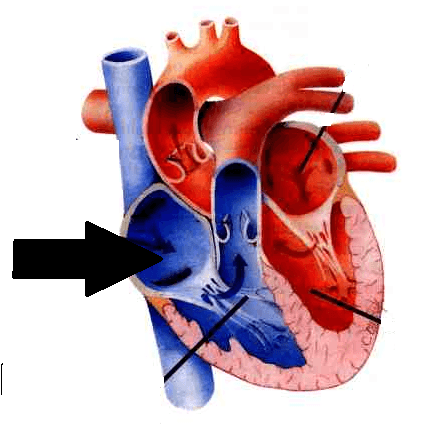
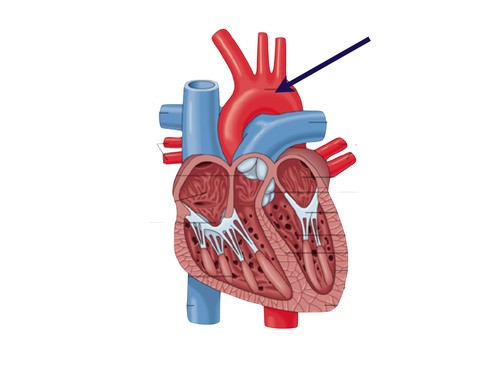
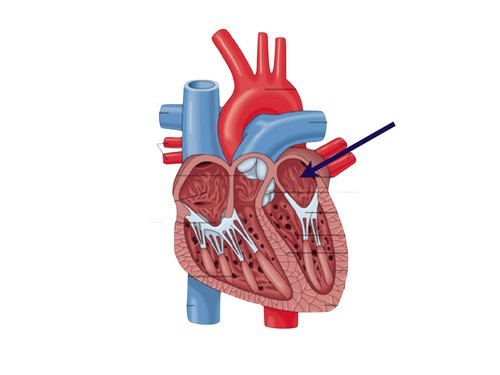
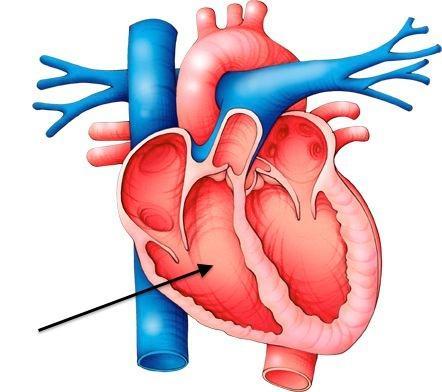
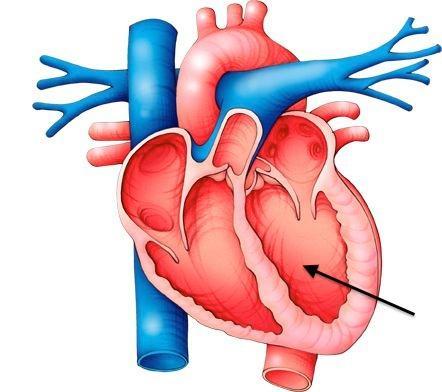
This chamber of the heart RECEIVES oxygen rich blood back from the lungs
Right Atrium
Left Atrium
Right Ventricle
Left Ventricle
This chamber of the heart pumps the blood from the heart to the lungs through the pulmonary artery
Right Atrium
Left Atrium
Right Ventricle
Left Ventricle
This chamber of the heart pumps the blood back out to the body cells through the Aorta
Right Atrium
Left Atrium
Right Ventricle
Left Ventricle
Deoxygenated blood flows from body parts to ______ of the heart.
Left atrium
Right atrium
Left ventricle
Right ventricle
Which of the following carries deoxygenated blood?
pulmonary vein
pulmonary artery
aorta
coronary artery

Veins carry blood with ... back to the heart.
carbon dioxide
oxygen
nutrients
food

Arteries carry blood with ... .
oxygen
nuitrients
carbon dioxide
food

Fill in the blank:
The heart ... about 100,000 pulsations a day.
pumps
breaths in
breaths out
flows
What are the flaps of tissue found in veins, that prevent blood from flowing backward.
valves
platelets
ventricle
antibodies
What are the 4 blood groups?
A, B, AB, ABC
A, B, AB, O
A, B, C, D
A, B, C, O
These structures located between the 2 atrium and the 2 ventricles that keep blood flowing in ONE DIRECTION are called
stops
veins
valves
gates
A group of cells located in the right atrium responsible for sending signals to other chambers causing them to contract is
start cells
nucleus
switch
pacemaker

The alternating expansion and relaxation of the artery wall caused by contraction of the left ventricle is
blood pressure
pulse
blood reading
palpitation

Which component of blood makes up the majority (highest percent)?
plasma
white blood cells
red blood cells
platelets
An iron-containing protein found in red blood cells is
hemoglobin
red pigment
platelets
erythrocyte
Which is the order of steps describing how white blood cells fight invaders in the body?
recognize the invader, produce chemicals to fight invaders, surround and kills invader
produce chemicals to fight invaders, surround and kills invader, recognize the invader
surround and kills invader, produce chemicals to fight invaders, recognize the invader
Choose the correct order showing vessels with GREATEST pressure to LOWEST pressure.
artery, vein, capillary
artery, capillary, vein
vein, capillary, artery
capillary, vein, artery
What type of disease pattern spreads rapidly over countries and continents?
Outbreak
Pandemic
Epidemic
Endemic
A toxin or other foreign substance which creates an immune response and the production of antibodies
Antigen
Pathogen
Antibody
Immunity
Any virus, bacteria, fungi, or parasite that can cause a disease in a living thing is called a
cancer.
pathogen.
gene.
toxin.
What do we call a disease that can spread between living things in close contact?
Physiological disease
Genetic disease
Infectious disease
Contagious Disease
You acquire ________ when your own immune system produces antibodies against a pathogen in your body.
immunudeficiency
immunity
health
imunity
Babies acquire __________ immunity to some diseases before birth and are protected during the first six months after they are born.
pasive
passive
active
actitive
Immunization, also known as __________, is the process by which harmless antigens are introduced into a person's body to produce active immunity.
vaccination
antibiotics
immunity
____________ are made naturally by bacteria and fungi, as well as artificially by human beings.
Vaccination
Antibiotics
Immunity
What are chemicals that cause cancer called?
carcinogen
hazard
teratogen
neurotoxin
What is a vector?
pathogen
organism that carries pathogen
type of infectious disease
type of emerging disease
Which one is the correct statement for passive natural immunity?
temporary and short-lived
fast and temporary
occurs when a person recovers from an infection
occurs when a vaccine is injected into the body
Following are the causes that weaken the immune system except
Stress
Exposure to polluted air
Exposure to pesticides
Healthy diet


What is the body's first line of defence against infection?
Physical barriers
White blood cells
Blood plasma
Red blood cells
how do vaccines work?
they don't tigger antibody production, so that the next time the body encounter the pathogen, it can die!
they tigger antibody production so the next time the body encounters the pathogen, it can fight it off
vaccines work by injecting live and healthy pathogens into the body
why are vaccines so important
to help spread diseases and bacteria
to just inject bodies with dead pathogens
to help stop or prevent the spread of diseases and bacteria
when a vaccine is taken, what does it help with?
to never get sick again in ur life
to not have any symptoms if you do get sick
to make your body immune to that specific pathogen
to give you more white blood cells to fight off the other diseases
why does the body create memory cells?
to protect the body in case you are exposed to the same pathogen
for the body to keep a log of whatever sickness you have had
to scare off any other pathogens that try and enter the body
to create immunity to that certain disease
for a specific antigen there us a complementary antibody that can attack it
true
false

True or False: Viruses that cause disease are killed using antibiotics.
True
False

Which of the following is a risk of overusing antibiotics to treat infections
Bacteria may become resistant to antibiotics.
Antibiotics increase the rate of infection.
Antibiotics cause other diseases to develop.
How long do memory cells usually patrol your blood looking for the bad germs/pathogens for which you already have antibodies?
an hour
a month
a year
your entire life

The diagram below shows a mosquito feeding on human blood.
State the name of the barrier which is broken by the mosquito
chemical
cellular
physical
antibodies
Proteins called _______ can attach to the antigen and make it useless.
antigen
antibodies
B cells
T cells
A white blood cell that destroys pathogens by engulfing them and breaking them down is called:
B-cell
Phagocyte
Antibody
Antigen
What is the name of white blood cells that have molecules on their surface to fit an antigen?
memory cells
lymphocytes
red blood cells
fighter white blood cells

