
 Worksheets
Review Unit 2 Ecology
Total questions: 60
Worksheet time: 2hrs 30mins

What level of organization can be seen here?
Species
Population
Community
Ecosystem

A collection of living organisms that belong to different populations but all live in the same area and interact with one another is a...
Population
Ecosystem
Community
Ecosphere
Which of the following examples is an abiotic factor?
People
Animals
Plants
Water
Which of the following examples is an abiotic factor?
Maple Tree
Cat
Sunlight
Bacteria
Which of the following examples is a biotic factor?
Soil
Lava
Fungus
Clouds


When organisms die, what process returns their carbon back into the atmosphere?
Respiration
Decomposition
Combustion
Erosion
Which form of carbon is the most potent greenhouse gas?
CO2
CH4
C6H12O6
C3H8O3
Organisms need nitrogen in order to...
To breathe
To obtain water for growth
To build proteins & DNA
To regulate temperature
Gas that makes up 78% of our atmosphere.
Oxygen
Nitrogen
Hydrogen
Carbon Dioxide
Bacteria fix nitrogen from the atmosphere into a form plants can use.
True
False
How does fertilizer affect the ecosystem?
the bacteria reproduce quicker
causes increase in rain, thereby increasing flooding of ponds and lakes
create large algae blooms in the water
cause the nitrogen fixing bacteria in the soil to be more productive

How do animals get the nitrogen they need?
From the air they breathe
From the water they drink
From the food they eat
From the sun
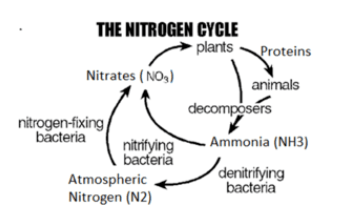
According to this diagram, plants absorb
nitrates
nitrogen fixing bacteria
animals
decomposers

What is the process where plants use nitrates to grow?
Nitrogen Fixation
Ammonification
Assimilation
Nitrification

What is the process where bacteria turns Nitrogen gas from the atmospheres into usable compounds?
nitrogen composition
nitrogen fixation
ammonia
denitrification

_____ is the conversion of organic nitrogen into ammonia
Nitrogen Fixation
Ammonification
Denitrification
Assimilation

The process that convert nitrates (NO3-) back to nitrogen gas (N2) there by replenishing N2 in the atmosphere is called
Nitrogen fixation
Deamination
Denitrification
Nitrification
This is NOT a part of the phosphorus cycle.
Phosphate is incorporated into sedimentary rocks
Phosphate bound to soil
Atmospheric phosphate
Phosphate is absorbed from the soil by plants
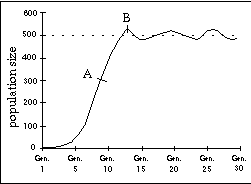
What is the carrying capacity of the graph?
around 500
more than 800
less than 300
around 700

What happens if a population grows past its carrying capacity?
The population keeps growing
The population starts to die off
The entire species will go extinct
The carrying capacity just increases
A series of progressive changes in the composition of an ecological community over time
Climax Community
Primary Succession
Ecological Succession
Species Richness
newly exposed or newly formed rock is colonized by living things for the first time. Certain hardy plants and lichens with few soil requirements, called pioneer species, colonize the area first.
Climax community
Primary succession
Ecological succession
Secondary succession
Primary succession occurs in an area that has:
Has Soil
Has No Soil
Has Some Soil
none of these
What is an example of an area that is likely to undergo primary succession?
Glaciers melt and leave exposed rock
Plants die from drought and decompose
Land is bulldozed and soil remains

After a volcanic eruption, volcanic rock is present (but no soil). Which of the following states the most likely order of succession that would be seen?
Lichens → Shrubs → Grasses → Trees
Lichens → tree → shrubs→Grasses
Grasses → Lichens → Shrubs → Trees
Lichens → Grasses → Shrubs → Trees

Primary or secondary ecological succession?


Cattle egrets forage (feed) in fields among cattle. The egret gets easy access to flying insects stirred up by the cattle, and the cattle don't care if they are there or not.
mutualism
commensalism
competition
predation
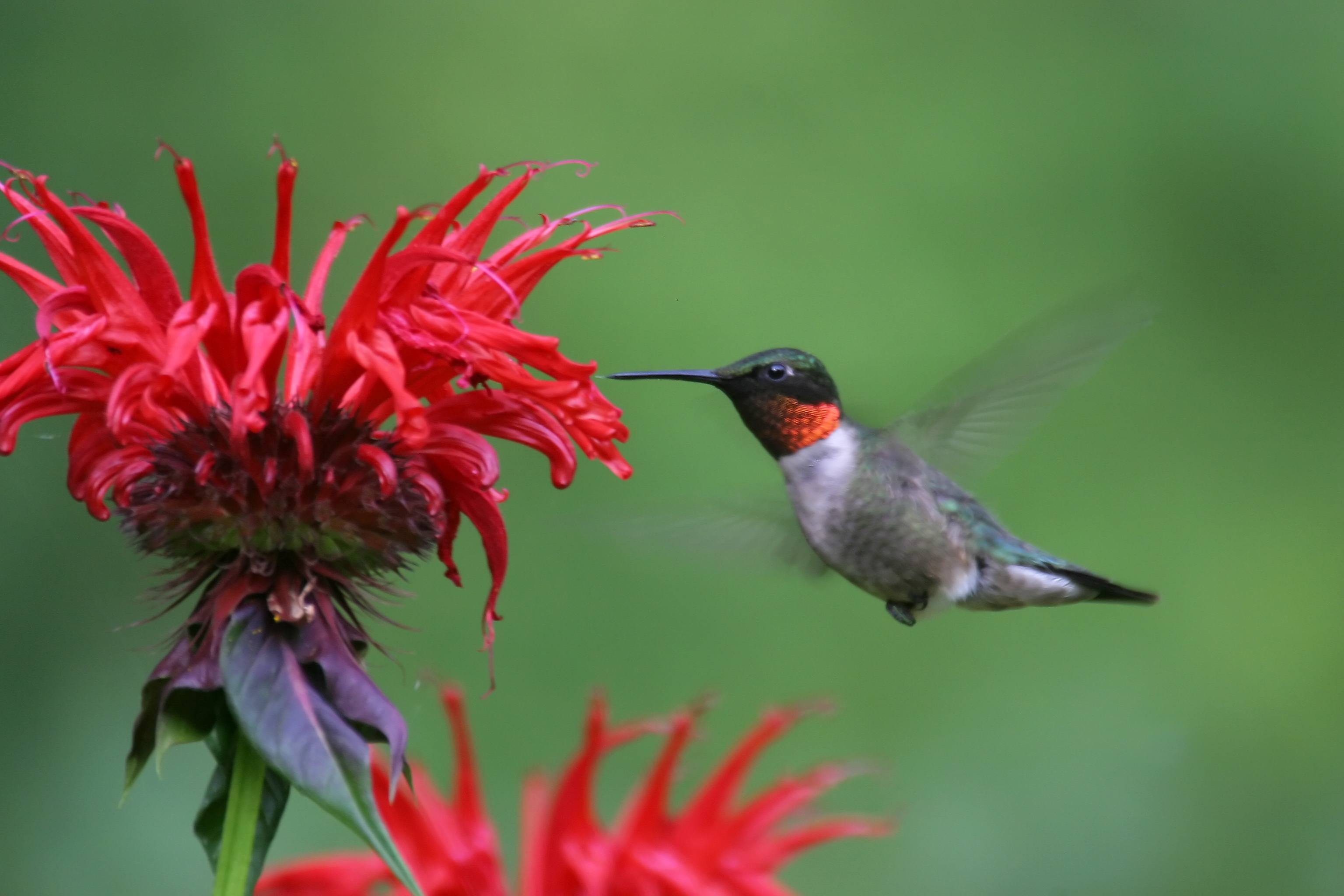
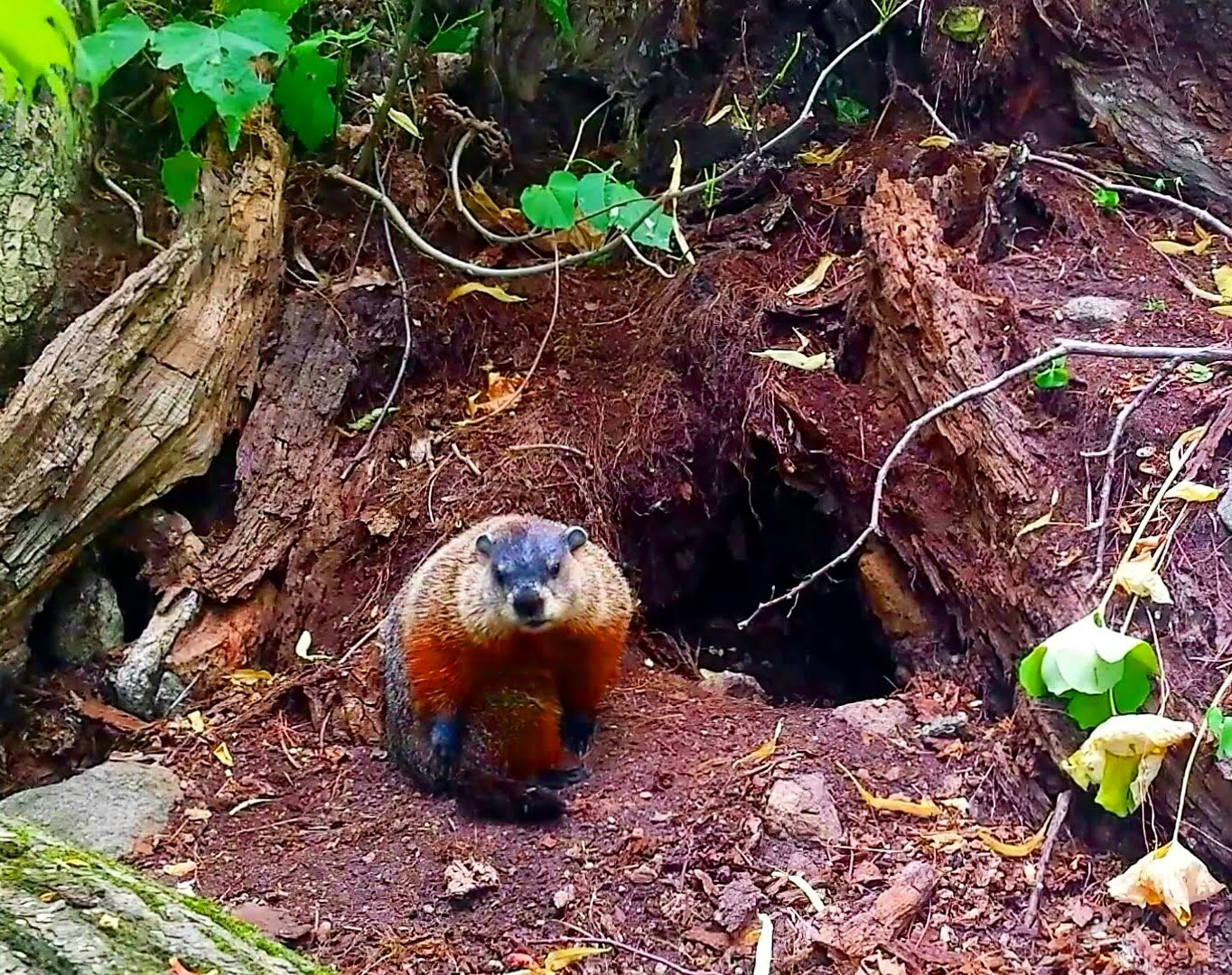
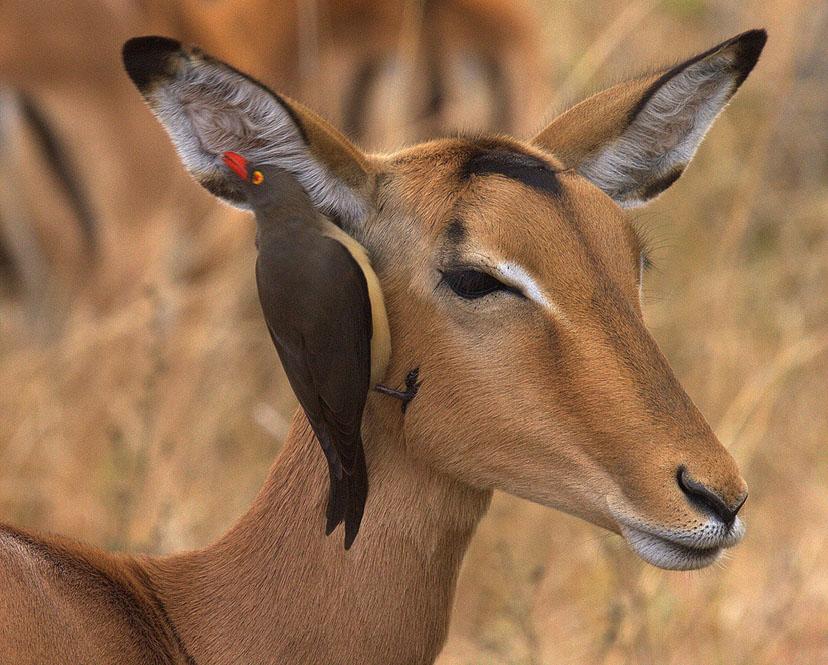
Red-billed oxpeckers are birds that often feed on parasites that infest impala. This is an example of _______.
commensalism
mutualism
parasitism
predation
*Hermit crabs find shells left by snails that have died and move in.
* Snails die and leave behind their shells.
A tick and a dog have this type of relationship.
mutualism
commensalism
predation
parasitism
The number of females and males of each age contained in a population...
limiting factor
demography
age structure
logistic growth
When a population's growth slows then stops, following a period of exponential growth...
immigration
logistic growth
emigration
population density
The larger a population gets, the faster it grows...
immigration
exponential growth
logistic growth
demography
Movement into a range from elsewhere...
immigration
emigration
demographic transition
density-independent limiting factor
A factor that controls the growth of a population...
limiting factor
exponential growth
density-dependent limiting factor
demographic transition
The study of human populations...
emigration
age structure
demography
immigration
Regardless of population size or density, these factors affect all populations similarly...
density-dependent limiting factors
density-independent limiting factors
carrying capacity
exponential growth

Which statement is true?
There are more men in this country
There are fewer women in this country
There are more 30-34 year olds than 25-29 year olds
There are more people age 25-29 than 30-34

How would you describe the population of this country?
They are experiencing stable population growth
They are experiencing negative population growth
They are experiencing rapid population growth

How would you describe the population of this country?
They are experiencing stable population growth
They are experiencing rapid population growth
They are experiencing negative population growth

How would you describe the population of this country?
They are experiencing rapid population growth
They are experiencing stable population growth
They are experiencing negative population growth
Two factors which increase population size
Birth Rate, Immigration
Death Rate, Immigration
Birth Rate, Emigration
Death Rate, Emigration

