wayground logo

Free Printable Worksheets

Font size

S
M
L
XL
Worksheets

Assessment 2 quiz-How ready are you

Total questions: 185

Worksheet time: 6hrs 32mins

Name
Class
Date
1.
A magnet will pick up a nail, but not a penny because the nail
a)
has rust on it.
b)
is lighter than the penny.
c)
has a sharp point.
d)
contains iron.
2.
Which is NOT a use of magnets?
a)
Generating electricity
b)
Holding cabinet doors closed
c)
Sorting paper from plastic
d)
Storing information on computer hard drives.
3.
The magnet's shown will
a)
not move
b)
attract
c)
repel
d)
all of the above
4.
The magnet's shown will
a)
not move
b)
attract
c)
repel
d)
all of the above
5.
Magnets attract things made of
a)
copper
b)
iron
c)
wood
d)
plastic
6.
All magnets have 2
a)
fields
b)
colors
c)
poles
d)
all of the above
7.
The two poles on a magnet are
a)
north and east
b)
north and west
c)
south and north
d)
south and west
8.
What do the lines around this magnet represent?
a)
North Pole
b)
South Pole
c)
Magnetic Declination
d)
Magnetic Field
9.

The Earth has a magnetic field.

a)

True

b)

False

10.
Earth acts like a giant magnet because its center is made up MOSTLY of
a)
granite
b)
limestone
c)
iron
d)
nickel
11.
Why does a compass needle point north?
a)
The compass is a bar magnet
b)
Because north is up
c)
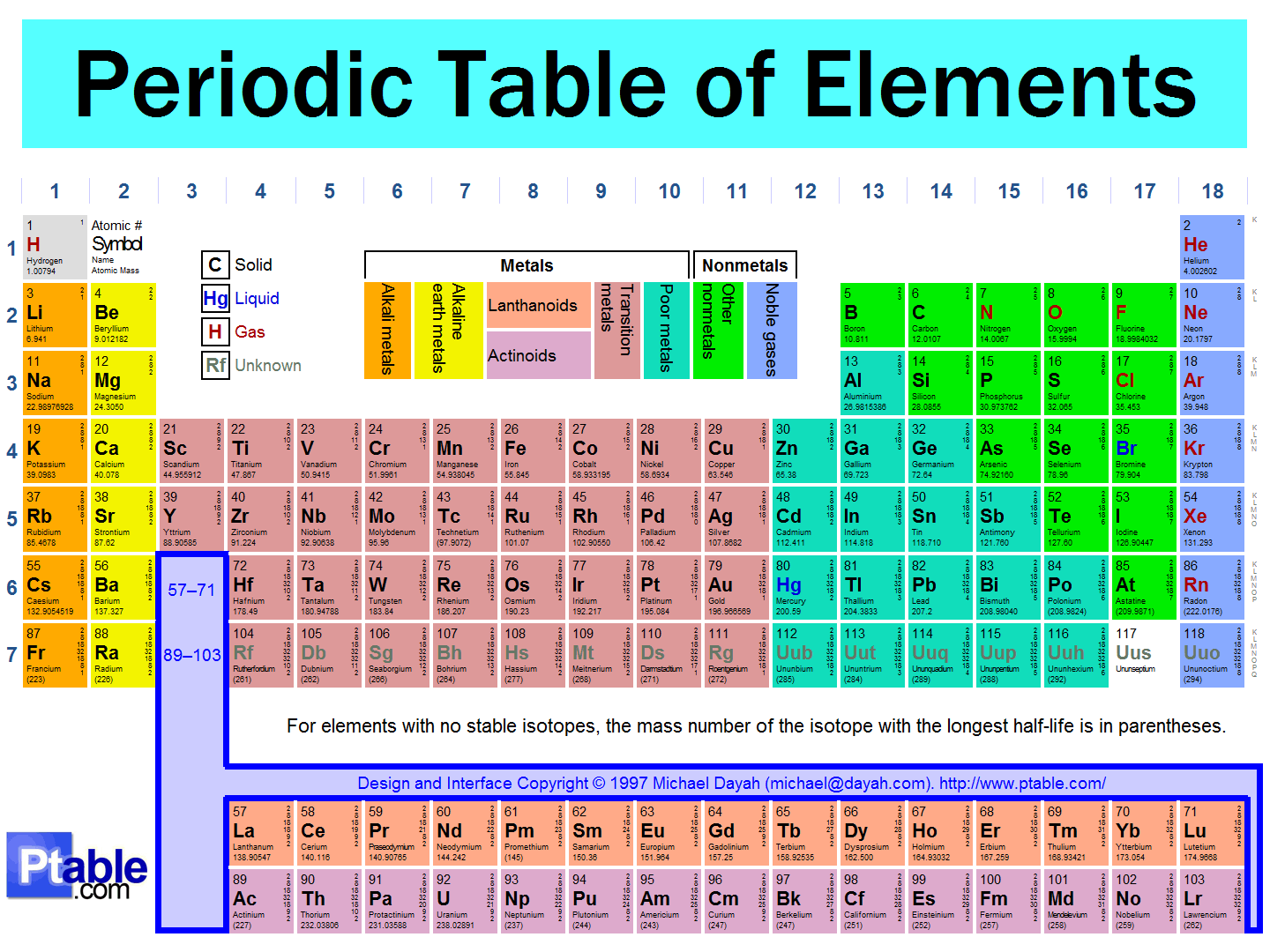
Because it's magic
d)
It lines up with the Earth's magnetic field
12.
The force of magnetism is stronger when magnets are ________________
a)
cold
b)
round
c)
closer together
d)
farther apart
13.
Magnetism is generated by moving
a)
protons.
b)
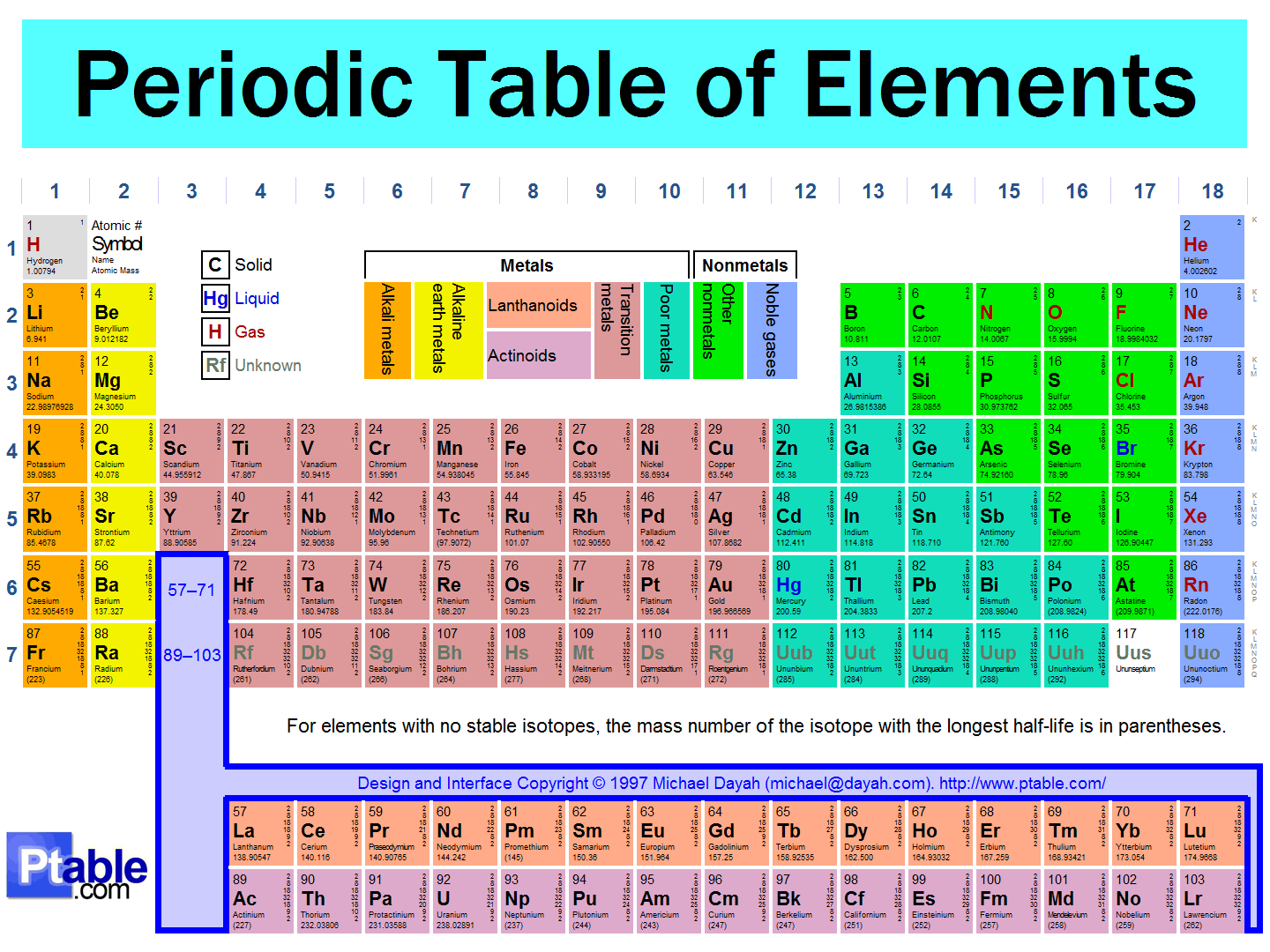
electrons.
c)
neutrons.
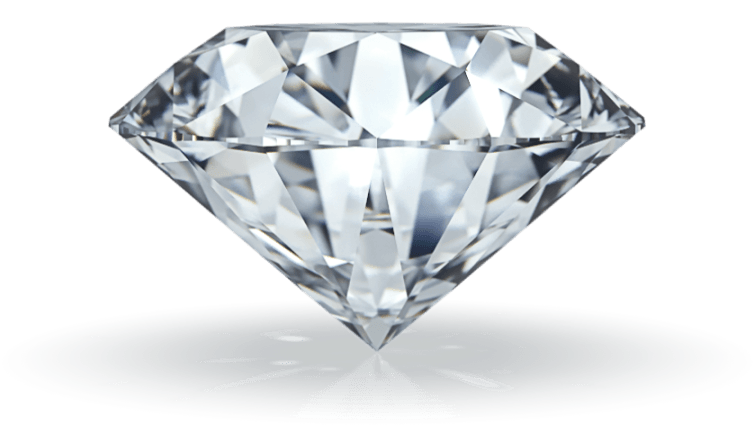
d)
elements.
14.
What kind of magnet can be turned on and off?
a)
refridgerator magnet
b)
electromagnet
c)
magnetite
d)
iron
15.
The strongest part of a magnet is...
a)
the bars.
b)
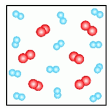
the force field.
c)
the poles. 
d)
the middle.
16.
Iron and steel can become _____.
a)
magnetized
b)
transformed into plastics
c)
lined up to the poles
d)
part of the equator
17.
A simple electromagnet can be made with which of the following?
a)
an electric current
b)
a turbine and nail
c)
a nail, a wire, and a battery
d)
a compass and a battery
18.
What will happen when these magnets are brought close together?
a)
They will attract each other.
b)
They will repel each other.
c)
Both magnets will turn to the left
d)
Both magnets will turn to the right
19.
You can make an electromagnet stronger by...
a)
increasing the current through the wire
b)
make the iron core bigger
c)
increase the number of loops around the core
d)
All of these
20.

What device takes in mechanical energy and produces electricity?

a)

motor

b)

generator

c)

electromagnet

d)

battery

21.

In a circuit diagram, what is this the symbol for?

a)

Cell

b)

Ammeter

c)

Switch

d)

bulb

22.

In a circuit diagram, what is this the symbol for?

a)

Cell

b)

Bulb

c)

Voltmeter

d)

switch

23.

Why will the bulb not light up?

a)

Because it is broken

b)

Because there are not enough cells

c)

The switch is open

d)

Because there is not an ammeter in the circuit

24.

What is potential difference sometimes called?

a)

Current

b)

Voltage

c)

Amps

d)

Electrons

25.

What is the flow of charge around a circuit called?

a)

voltage

b)

Current

c)

Resistance

26.

Resistance is anything in a circuit that...

a)

speeds up the flow of current

b)

has no effect on current

c)

slows down the flow of current

27.

Components and materials that electricity can easily travel through are called?

a)

Insulators

b)

Conductors

28.

Current is measured using what?

a)

Voltmeter

b)

Resistor

c)

Ammeter

29.

What is used to measure potential difference?

a)

Voltmeter

b)

Insulator

c)

Ammeter

30.

What type of circuit is this?

a)

Series

b)

Parallel

31.

Adding the current through each branch of a parallel circuit gives you the total current

a)

True

b)

False

32.

When objects are rubbed together, electrons move from one object to another. What charge does the object become that gains electrons?

a)

positive

b)

neutral

c)

negative

33.

Two things with opposite electric charges will ___________ each other.

a)

Attract

b)

Repel

34.

Which two magnetic poles will attract each other?

a)

South and South

b)

North and North

c)

North and South

35.

How can you increase the strength of an electromagnet?

a)

More current in the wire

b)

More turns on the solenoid

c)

A core of soft iron inside the solenoid

d)

All of the above

36.
What kind of circuit is this?
a)
series
b)
parallel
37.
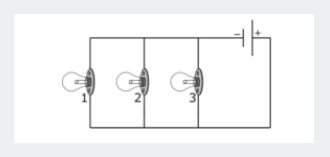
If bulb 1 burns out, what will occur?
a)
bulbs 2 and 3 will go out
b)
bulbs 2 and 3 receive more volts
c)
bulbs 2 and 3 will stay lit
d)
nothing will happen
38.
Does this statement best describe a parallel or a series circuit.
 
When more light bulbs are added they all remain bright. 
a)
Parallel circuit
b)
Series circuit
39.
A material in which electrons are not able to move easily is called _______.
a)
Circuit 
b)
Insulator 
c)
Resistance 
d)
Conductor
40.

What electrical charge to electrons carry?

a)

Positive

b)

Negative

c)

Neutral

41.
Three resistors, R1=3.0 ohm, R2=6.0 ohm, R3=9.0 ohm, are connected in parallel in a circuit with an 18 V battery. What is the current passing through each resistor? 
a)
11 A
b)
6A through R1 and R2, and 2 A through R3.
c)
6 A through R1, 3 A through R2, and 2 A through R3.
d)
1.6 A
42.
What is static electricity?
a)
The buildup of neutrons
b)
Electricity flowing through a current
c)
Particles staying still
d)
The buildup of electric charges on an object
43.
What will happen to the other bulbs in the circuit if one bulb goes out?
a)
The other bulbs will go out
b)
The other bulbs will get brighter
c)
The other bulbs will get dimmer
d)
They will flash on and off
44.
What will happen when a light bulb is removed from the circuit below?
a)
The remaining bulbs will go out
b)
The remaining bulbs will brighten
c)
The remaining bulbs will dim
d)
The brightness of the remaining bulbs will not change
45.

What type of circuit is shown in the picture?

a)

Series circuit

b)

Parallel circuit

c)

Open circuit

46.

What is the effect of changing the wire in a circuit from a thick wire to a thin wire?

a)

The overloaded bulb will blow out.

b)

The bulb brightness stays the same.

c)

The bulbs become dimmer.

d)

The bulbs become brighter.

47.

What is a circuit?

a)

The buildup of electric charges

b)

A complete, closed path through which electric charges flow

c)

Opposition to the flow of charge

d)

Electric potential

48.
An example of a parallel circuit is
a)
the wiring in a house
b)
a flashlight
c)
a single circular path
49.
Copper is used in wiring because it is an excellent______________ of electricity.
a)
circuit breaker
b)
conductor
c)
insulator
d)
fuse
50.

Why do electricians always wrap wires in plastic?

a)

Plastic comes in many different colors

b)

Plastic is a good electrical conductor

c)

Plastic makes the wires easy to bend

d)

Plastic is a good electrical insulator

51.
A small device that stores energy in a chemical form
a)
Complete circuit
b)
Switch
c)
Power source
d)
Battery
52.
The unit for current is the 
a)
Volt
b)
Ohm
c)
Electron
d)
Amp
53.
What is the unit for resistance?
a)
Volts
b)
Amperes
c)
Ohms
54.
If the battery produced 12.6 Volts and what would be the current flow be for a 6 Ohm resistor
a)
2.1 Amps
b)
2.4 Amps
c)
1.71 Amps
d)
15 Amps
55.
What voltage is needed to cause a 2A current flow through a 10Ω resistor?
a)
5V
b)
0.2V
c)
20V
d)
200V
56.
What resistance is needed to cause a 20A current flow because of a 100V battery?
a)
0.2Ώ
b)
2000Ώ
c)
120Ώ
d)
57.

What voltage is needed to cause a 50A current flow through a 10Ω resistor?

a)

15V

b)

500V

c)

500 kV

d)

0.2V

58.
What would the circuit resistance be if a 7.5 Amp draw was present with the engine running and the charging system producing 15 Volts
a)
15 Ohms
b)
4 Ohms
c)
0.3333 Ohms
d)
2 Ohms
59.
Tiny particles that have a negative charge
a)
protons
b)
neutrons
c)
electrons
d)
circuits
60.
You measure a potential difference with..
a)
a voltmeter
b)
An Ammeter 
61.
The charge on a proton is
a)
positive
b)
negative
c)
neutral
62.
the tendency for a material to oppose the flow of electrons
a)
current
b)
circuit
c)
resistance
d)
difference
63.
When objects have equal numbers of positive and negative charges, they are
a)
positively charged
b)
negatively charged
c)
electrically neutral
d)
unbalanced
64.
Ms. Jo Jo rubbed two balloons with a piece of wool. What will happen when the balloons are brought near each other?
a)
The balloons will repel each other.
b)
The balloons will attract each other.
c)
The balloons will become positively (+) charged.
d)
The balloons will pop.
65.
What is resistance?
a)
a measure of how difficult it is for electrons to flow
b)
a measure of the difference in electrical potential between objects that have opposite charges
c)
the continuous flow of electrons around a circuit
d)
the fast sudden movement of electrons from a negative to a positive material
66.

A balloon is rubbed all over with wool. The balloon will now attract wool because the balloon and wool

a)

have neutral charges

b)

have opposite charges

c)

have like (the same) charges

67.
If an object has more positive than negative charges, its electrical charge is...
a)
positive
b)
negative
c)
neutral or no charge
d)
opposite
68.
If an object has more negative charges than positive charges, its electrcial charge is...
a)
positive
b)
negative
c)
neutral or no charge
d)
opposite
69.

If an object has the same number of positive and negative charges, its electrical charge is...

a)

positive

b)

negative

c)

neutral or no charge

70.
Atoms may have protons which carry a...
a)
positive charge
b)
negative charge
c)
neutral or no charge
d)
opposite
71.

Two objects with like (the same) static charges will

a)

attract each other

b)

even out in the end

c)

repel each other

d)

cause a spark

72.
Rubbing a balloon on hair is an example of static charge build up created by....
a)
conduction
b)
friction
c)
induction
d)
hairduction
73.
The girl's hair and the comb are attracting  one another.  The hair and the comb have
a)
opposite charges
b)
like charges
74.
Static charges build up when
a)
protons move within an object
b)
electrons move within an object
c)
neutrons move within an object
d)
the nucleus moves within an object
75.
What charge does a proton have?
a)
negative (-)
b)
positive (+)
c)
neutral or no charge (0)
76.
What charge does an electron have?
a)
negative (-)
b)
positive (+)
c)
neutral or no charge (0)
77.
Two things with opposite charges will
a)
attract one another.
b)
repel one another.
78.

Which of these is NOT a function of the digestive system?

a)

breaks down food

b)

absorbs nutrients

c)

eliminates waste

d)

takes oxygen to body cells

79.

The process of breaking down food into nutrient rich molecules.

a)

absorption

b)

digestion

c)

peristalsis

d)

villi

80.

The process by which nutrient molecules pass through the wall of your digestive system into your blood.

a)

absorption

b)

digestion

c)

peristalsis

d)

villi

81.

moves food from the mouth to the stomach

a)

esophagus

b)

small intestine

c)

large intestine

d)

pancreas

82.

organ where there is the most absorption of nutrients

a)

stomach

b)

small intestine

c)

large intestine

d)

liver

83.

the organ which absorbs water

a)

small intestine

b)

stomach

c)

villi

d)

large intestine

84.

produces enzymes that break down food

a)

liver

b)

pancreas

c)

gall bladder

d)

stomach

85.

waves of muscular contractions that move food through the digestive tract.

a)

digestion

b)

absorption

c)

peristalsis

d)

villi

86.

finger-like projections in the small intestine that absorb nutrients

a)

digestion

b)

absorption

c)

peristalsis

d)

villi

87.

Which organ produces bile that breaks down food?

a)

pancreas

b)

liver

c)

gall bladder

d)

stomach

88.

Which organ stores bile?

a)

gall bladder

b)

villi

c)

pancreas

d)

liver

89.

Amylase in saliva changes starch into...

a)

sugar

b)

waste

c)

stomach acid

d)

chyme

90.

Where does the digestion of proteins take place?

a)

Mouth and stomach

b)

Stomach and small intestine

c)

Mouth and small intestine

d)

Mouth, stomach and small intestine

91.

Where does the digestion of carbohydrates take place?

a)

Mouth

b)

Mouth and Stomach

c)

Mouth and small Intestine

d)

Mouth and large intestine

e)

Stomach

92.

Where does the digestion of lipids take place?

a)

Stomach

b)

Stomach and small intestine

c)

Small intestine

d)

Mouth, stomach and small intestine

e)

Mouth and small intestine

93.

What are the two components of the gastric juice?

a)

Pepsin and hydrochloric acid

b)

Saliva and bile

c)

Bile and hydrochloric acid

d)

Amylase and hydrochloric acid

94.

Which are the nutrients digested in the small intestine?

a)

Carbohydrates and proteins

b)

Proteins

c)

Carbohydrates, proteins and lipids

d)

Lipids and proteins

e)

Lipids

95.

What is the enzyme contained in the saliva?

a)

Amylase

b)

Pepsin

c)

Hydrochloride acid

d)

Lipase

96.

What is the function of the villi?

a)

To increase the absorption surface

b)

To digest the last nutrients

c)

To form feces

d)

To comb the small intestine

97.
What is a substance called if it speeds up a chemical reaction?
a)
reusable
b)
catalyst
c)
specific
d)
fragile
98.
Each enzyme only has 1 substrate that will fit its active site.  What is this called?
a)
reusablility
b)
denaturation
c)
specificity
d)
fragility
99.
With what 3 letters do enzymes typically end?
a)
-ose
b)
-ase
c)
-ese
d)
-tic
100.
Any substance that is acted upon by an enzyme is called a(n)?
a)
Coenzyme
b)
Substrate
c)
Vitamin
d)
Polypeptide
101.
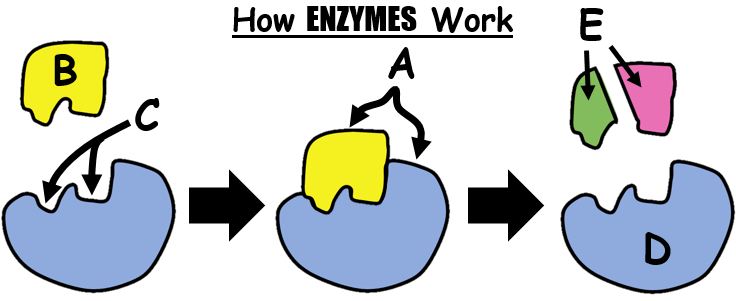
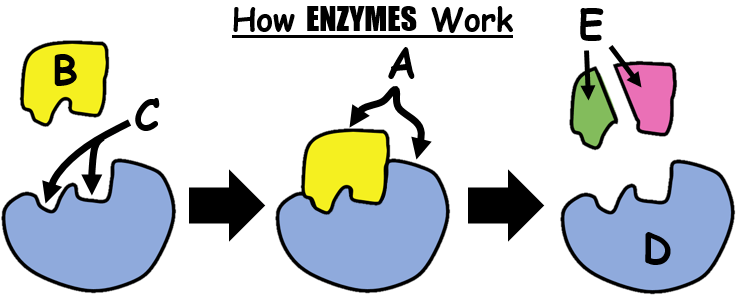
In the diagram, what is letter A? 
a)
product
b)
substrate
c)
enzyme-substrate complex
d)
active site
102.
Enzymes are...
a)
nucleic acids
b)
proteins
c)
lipids
d)
carbohydrates
103.
An enzyme speeds up a chemical reaction in the cell but can only be used once.  True or False? 
a)
true
b)
false
104.
What happens when enzymes are heated to a high temperature?
a)
The enzymes die.
b)
The shapes of the enzyme are altered denature
c)
The enzymes' amino acid sequence changes.
d)
The enzymes remain the same
105.
What is another name for enzymes?
a)
chemical catalysts
b)
microorganisms
c)
biological catalysts
d)
inorganic catalysts
106.
Letter D...
a)
active site
b)
enzyme
c)
substrate
d)
products
107.
Where do substrates bind on an enzyme?
a)
voltage-gated channels
b)
surface receptor
c)
calcium channels
d)
active site
108.
What is structure A?
a)
Substrate
b)
Active site
c)
Enzyme
d)
Products
109.
What is structure D?
a)
Substrate
b)
Active site
c)
Enzyme
d)
Products
110.
Which of the following conclusions can be drawn from this graph?
a)
The optimum pH of the enzyme is 6.6.
b)
The optimum pH of the enzyme is 5.8
c)
The enzyme’s activity increases as pH increases 5.0 to 9.0
d)
The enzyme’s activity is greater around pH of 8.0 .
111.

Which 2 factors can affect the rate of enzyme activity?

a)

Light intensity

b)

Temperature

c)

pH

d)

Oxygen concentration

112.
What is structure E, F, G?
a)
Substrate
b)
Active site
c)
Enzyme
d)
Products
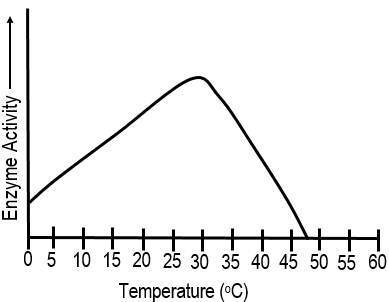
113.

Based on the graph, what temperature does this enzyme work best?

a)

15 C

b)

40 C

c)

30 C

d)

50 C

114.

What happens when enzymes are heated to a high temperature?

a)

The enzymes die

b)

The shape of the enzyme changes as it denatures

c)

The enzymes become more active

d)

The enzymes remain the same

115.

Which of the following denatures an enzyme?

a)

High Temperatures

b)

Incorrect pH

c)

Both

116.
Each enzyme only has 1 substrate that will fit its active site.  What is this called?
a)
reusable
b)
catalyst
c)
specificity 
d)
fragile
117.

The vertical (up and down) columns in the Periodic Table are called

a)

groups

b)

towers

c)

periods

d)

atomic numbers

118.
The Modern Periodic Table of Elements is arranged by
a)
atomic mass
b)
atomic number
c)
valence electrons
d)
number of isotopes
119.
What does the atomic mass tell you? 
a)
Basically,the number of electrons and protons
b)
The number of neutrons
c)
Basically, the number of protons and neutrons
d)
The number of protons.
120.
These are found on the Periodic Table.
a)
Compounds
b)
Elements
c)
Mixtures
121.

The horizontal (side to side) rows in the Periodic Table are called

a)

groups

b)

families

c)

periods

d)

atomic numbers

122.

what is the biggest group on the table

a)

metals

b)

nonmetals

c)

metaloids

d)

halogens

123.

what is the name of group number 1

a)

halogens

b)

noble gases

c)

alkali

d)

alkaline earth

124.

what is the big group of metals called found within the metals

a)

transition metals

b)

nonmetals

c)

noble gases

d)

halogens

125.
All matter is made of .....
a)
energy 
b)
atoms 
c)
air
d)
chemistry
126.
The atomic number of an element tells the number of _____ in the nucleus of an atom of that element.
a)
protons
b)
neutrons
c)
electrons
d)
isotopes
127.
Most of the mass of an atom is found it its _____.
a)
electron cloud
b)
nucleus
c)
atomic number
d)
empty space
128.
An element is made up of only one kind of _____.
a)
isotope
b)
plastic
c)
atom
d)
metal
129.
Which subatomic particle has a negative charge in the atom?
a)
proton
b)
neutron
c)
electron
d)
quark
130.
Which is an electron?
a)
A
b)
B
c)
C
131.
Which is a proton?
a)
A
b)
B
c)
C
132.
Which is a neutron?
a)
A
b)
B
c)
C
133.

How many electrons does Barium (Ba) have?

a)

13

b)

2

c)

71

d)

56

134.

What is group name of the most reactive metals?

a)

Noble gases

b)

Halogens

c)

Alkali metals

d)

Alkaline earth metals

135.

What is the name of the element? (Periodic table will be needed)

a)

sodium

b)

magnesium

c)

vanadium

136.
How did Mendeleev arrange the elements?
a)
alphabetical 
b)
density
c)
melting point
d)
atomic mass
137.
The horizontal row on the periodic table is called a
a)
group
b)
family
c)
period
d)
atomic number
138.
Diamonds are a pure form of what element?
a)
Carbon
b)
Oxygen
c)
Silicon
d)
Silver
139.
What does the 1 stand for?
a)
Hydrogen
b)
atomic number
c)
atomic mass
d)
atomic explosion
140.
What does the H stand for?
a)
Hydrogen
b)
atomic number
c)
atomic mass
d)
atomic explosion
141.
Is water an element or a compound?
a)
Element
b)
Compound
142.
The properties of the elements that make up a compound are usually very similar to the compound itself.
a)
True
b)
False
143.
A compound consists of two or more elements bound together.
a)
True
b)
False
144.
Is Iron (Fe) an element or a compound?
a)
Element
b)
Compound
145.
What is this element...Au
a)
Iron
b)
Titanium
c)
Gold
d)
Flourine
146.
Element:Fe
a)
Gold
b)
Flourine
c)
Phosphorus
d)
Iron
147.
What is the symbol for Calcium
a)
Cl
b)
Ca
c)
Cm
d)
ca
148.
Element is a
a)
pure substance
b)
compound
c)
mixture
d)
molecule
149.
Which of the following represents an element?
a)
H2O
b)
H2
c)
NaCl
d)
CaCO3
150.
Which of the following is not a compound?
a)
HCl
b)
Cl
c)
NaCl
d)
CO2
151.
What is H2SO4 
 made up of?
a)
2 hydrogen, 1 sulfur, 4 oxygen
b)
1 hydrogen, 2 sulfur, 4 oxygen
c)
2 hydrogen & 4 sodium
d)
1 hydrogen & 6 sodium
152.
In general, metals are _____. 
a)
poor conductors of heat
b)
brittle
c)
poor conductors of electricity 
d)
good conductors of heat
153.
Shiny
a)
Metal
b)
Nonmetal
154.
Sulfur
a)
Metal
b)
Nonmetal
155.
Classify the picture with the correct label.
a)
Element
b)
Compound
c)
Mixture of Elements
d)
Mixture of Compounds
156.
Classify the picture with the correct label.
a)
Element
b)
Compound
c)
Mixture of Elements and Compounds
d)
Mixture of Elements
157.
Classify the picture with the correct label.
a)
Element
b)
Compound
c)
Mixture of Elements & Compounds
d)
Mixture of Compounds
158.
Classify the picture with the correct label.
a)
Compounds
b)
Mixture of Elements
c)
Mixture of Compounds
d)
Mixture of Elements & Compounds
159.
Classify the picture with the correct label.
a)
Mixture of Elements
b)
Compound
c)
Mixture of Compounds
d)
Element
160.
Classify the picture with the correct label.
a)
Element
b)
Compound
c)
Mixture of Compounds
d)
Mixture of Elements
161.
Classify the picture with the correct label.
a)
Mixture of Compounds
b)
Mixture of Elements
c)
Compound
d)
Mixture of Elements & Compounds
162.
How many atoms are there TOTAL in:
H2SO4
a)
6
b)
5
c)
7
d)
3
163.
Which part of an atom is POSITIVELY charged?
a)
protons
b)
neutrons
c)
electrons
d)
atoms
164.
What part of an atom is NEGATIVELY charged?
a)
protons
b)
neutrons
c)
electrons
d)
atoms
165.
Which part of an atom has no charge?
a)
protons
b)
neutrons
c)
electrons
d)
atoms
166.
What is the term for combining 2 or more atoms together?
a)
atoms
b)
elements
c)
molecules
d)
compounds
167.
TRUE OR FALSE:
Every compound is a molecule but not every molecule is a compound.
a)
TRUE
b)
FALSE
168.
What is the picture displayed?
a)
atom
b)
element
c)
molecule
d)
compound
169.
This diagram represents a _____.
a)
pure substance that is a compound
b)
mixture of elements
c)
pure substance that is an element
d)
mixture of compounds
170.
This diagram represents a _____.
a)
pure substance that is a compound
b)
mixture of elements
c)
pure substance that is an element
d)
mixture of compounds
171.
a)
Element
b)
Compound
c)
Mixture of compound and element
d)
Mixture of elements
172.
a)
Element
b)
Compound
c)
Mixture of compound and element
d)
Mixture of two elements
173.
Based off of the image, what type of matter is shown?
a)
gas
b)
solid
c)
liquid
174.
Which of these is a property of metals?
a)
It's malleable
b)
It can't conduct electricity
c)
They are used in food
d)
It's very brittle
175.
Brittle
a)
Metal
b)
Nonmetal
176.
Good conductor of heat
a)
Metal
b)
Nonmetal
177.
Iron is a good conductor, malleable and magnetic. What type of element is Iron? 
a)
Metal
b)
Nonmetal
c)
Metalloid
d)
Pretty
178.
Which of the following is a property of a non-metal?
a)
Conducts electricity and heats well
b)
Can be hammered into thin sheets
c)
Is brittle and breaks easily
d)
Has a shiny, metallic luster
179.
At room temperature metals are ____________.
a)
plasma
b)
gases
c)
liquid
d)
solid
180.
Metals that can be used as wire are ____________.
a)
metallic
b)
shiny
c)
malleable
d)
ductile
181.
Where are the non-metallic elements found in the periodic table?
a)
In the middle
b)
In the top rows
c)
On the left-hand side
d)
On the right-hand side
182.
Which elements are found on the left to middle of The Periodic Table? 
a)
Metals
b)
Nonmetals
c)
Metalloids
d)
Candles
183.
I have an object that is dull, brittle, and an insulator, what is it?
a)
metalloid
b)
non-metal
c)
metal
d)
matter
184.
The elements argon, krypton, and xenon are all non-metals. What property would these elements have in common?
a)
Good conductor of thermal energy
b)
Poor conductor of electricity
c)
Shiny, lustrous surface
d)
Soft and malleable
185.
What physical properties are used to classify elements as metals, non-metals, or metalloids?
a)
Color, smell, physical state
b)
Reactivity, streak, hardness
c)
Ability to burn, mass, density
d)
Luster, conductivity, malleability