
 Worksheets
Bio Lab Practical #1 Study guide
Total questions: 60
Worksheet time: 15hrs 0mins
What does the coronary artery supply blood to?
Brain
Lungs
Heart
Kidneys
The carotid arteries are primarily responsible for supplying blood to which part of the body?
Arms
Legs
Brain
Liver
The renal arteries supply blood to what organ?
Heart
Lungs
Kidneys
Liver
What organ does the hepatic artery primarily supply blood to?
Heart
Liver
Kidneys
Brain
Which artery is known for being the main artery of the leg?
Brachial artery
Radial artery
Ulnar artery
Femoral artery
What artery the spleen and stomach?
What does the Brachiocephalic trunk supply?
the head and neck, and the right arm
the head and neck, and the left arm
what does the carotid artery supply?
What does the gastric artery supply?
Stomach and esophagus
what does the common hepatic artery supply?
Liver, gallbladder, duodenum, and pancreas
What does the Gonadal arteries supply?
Testes and Ovaries
What does the common iliac arteries supply?
why do veins drain?
What drains blood from the heart wall into the right atrium?
What drains blood from the head, neck, upper limbs, thoracic wall, and part of the abdonminal wall into the right atrium?
what drains blood from the abdominopelvic cavity and lower limbs into the right atrium?
What veins drain the upper limbs and axilla?
what veins drain the superficial parts off the head and joins the subclavian vein?
what veins brain the brain, face, and neck ad joins the subclavian vein to form the brachiocephalic vein?
what veins drain into the superior vena cava?
Subclavian veins
Pulmonary veins
Femoral veins
Brachiocephalic veins
what veins drain the thoracic wall and part of the abdominal wall into the superior vena cava and are also known to be finger like veins?
Azygos vein
what vein drains the knee?
Popliteal vein
whats does the Great saphenous vein drain?
what does the common iliac veins drain?
what does the internal iliac veins drain?
what does the external iliac veins drain?
Legs
Arms
Brain
Heart
What vein drains the testes and ovaries?
What veins drain the kidney?
What veins drain the liver?
What drains the pancreas, part of the stomach, and spleen?
What type of antigens are found on the red cells of a person with Type A blood?
What type of antibodies are present in the plasma of a person with Type B blood?
What type of antigens are found on the red blood cells of a person with type O blood?
What type of antigens are found on the red blood cells of a person with Type AB blood?
A antigens
B antigens
no antigens
Why does a person with Type O blood have both anti-A and anto-B antibodies in their plasma?
Can a person with Type AB blood recive a blood transfusion from a type A donor?
What would happen if a person with Type A blood received a blood tranfusion from a Type B donor?
Why is it important to match blood types before a transfusion?
Which blood type is considered the universal donor?
Which blood type is considered the universial recipient?
Can a person with Type O blood recieve a blood tranfusion from a Type B donor?
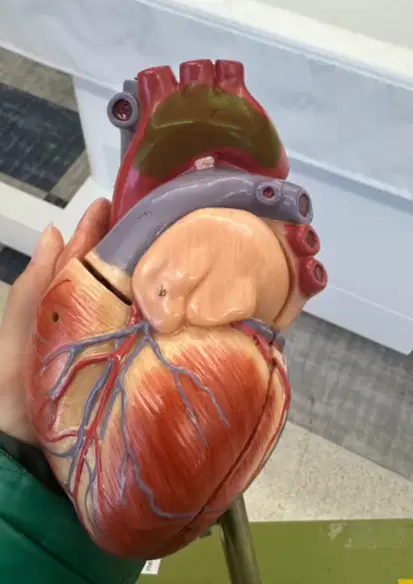
What is the highlighted area in the picture?(its the dooky green highlight) click on picture to enlarge
Aorta
Pulmonary trunk
Pulmonary veins
none of the above
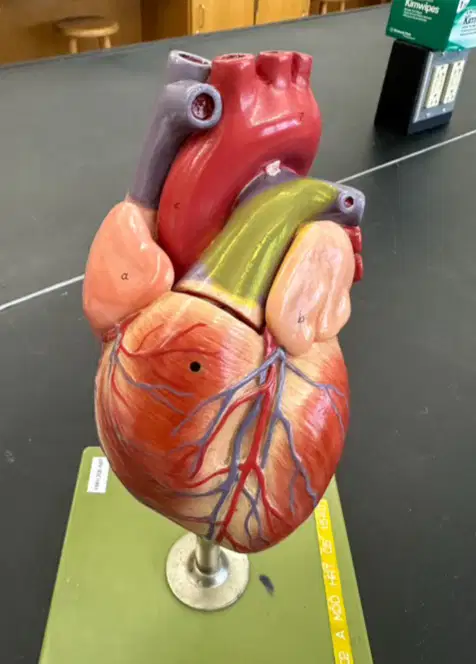
What is the highlighted area in the picture?(its the dooky green highlight) click on picture to enlarge
Aorta(7)
Pulmonary trunk(f )
Pulmonary veins (g)
none of the above
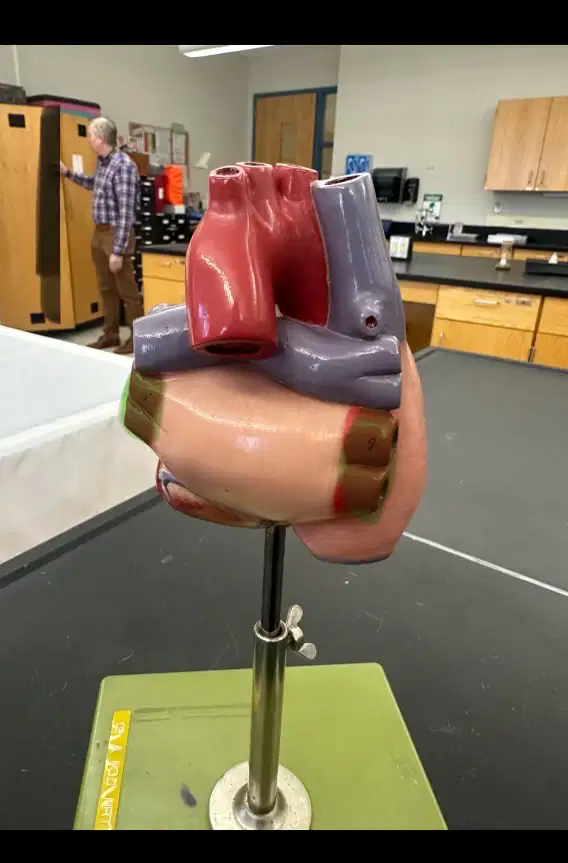
What is the highlighted area in the picture?(its the dooky green highlight) click on picture to enlarge
Aorta(7)
Pulmonary Trunk(f )
Pulmonary veins(g)
none of the above
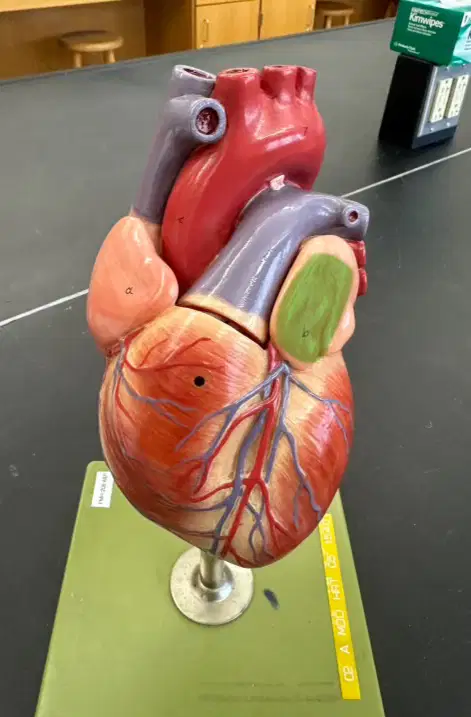
What is the highlighted area in the picture?(its the dooky green highlight) click on picture to enlarge
Auricle of left atria(b)
Aurticle of right atria(a)
Right ventricle
Left ventricle
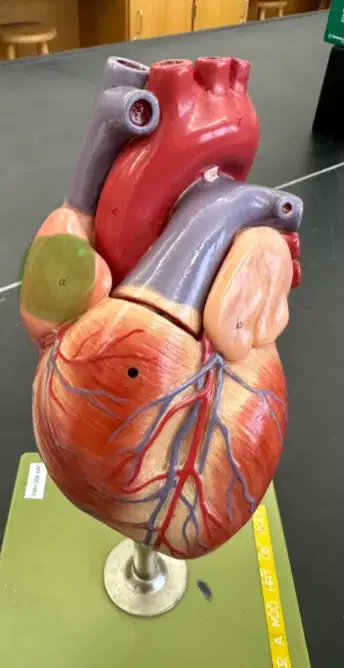
What is the highlighted area in the picture?(its the dooky green highlight) click on picture to enlarge
Auricle of right atria(a)
Auricle of left atria(b)
Right ventricle
Left ventricle
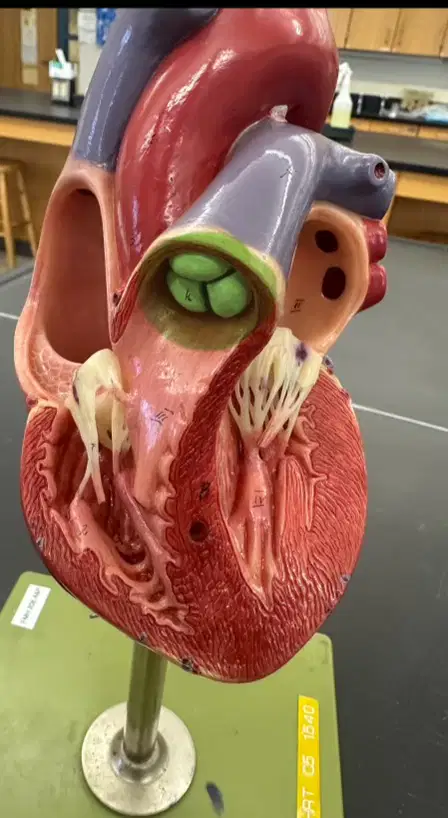
What is the highlighted area in the picture?(its the dooky green highlight) click on picture to enlarge
Aortic valve
Pulmonary Valve
Bicuspid (mitral) Valve
epicardium
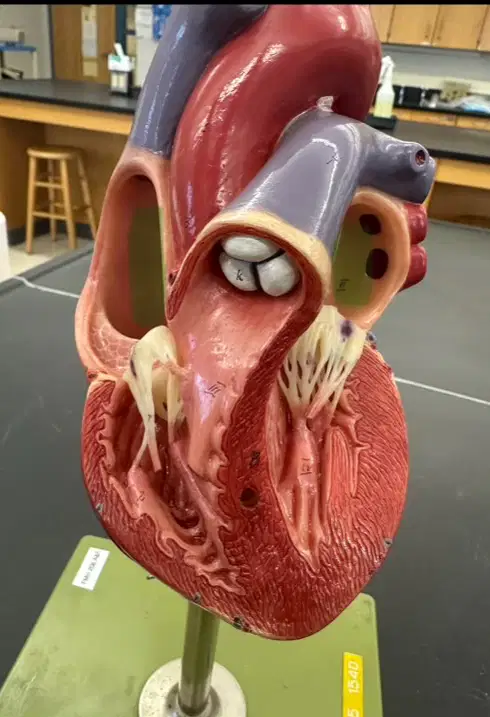
What is the highlighted area in the picture?(its the dooky green highlight) click on picture to enlarge
Atria
interatrial septum
Fossa Ovalis
Interventricular septum
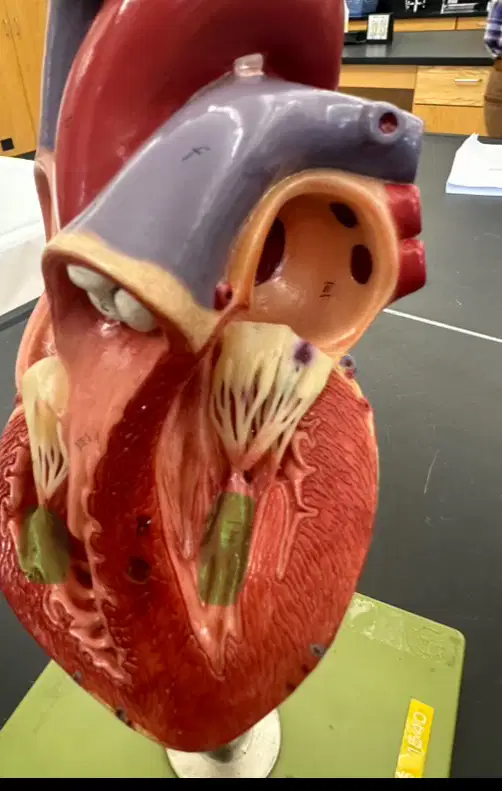
What is the highlighted area in the picture?(its the dooky green highlight) click on picture to enlarge
Ventricles
Fossa Ovalis
Atria
Tricuspid valve
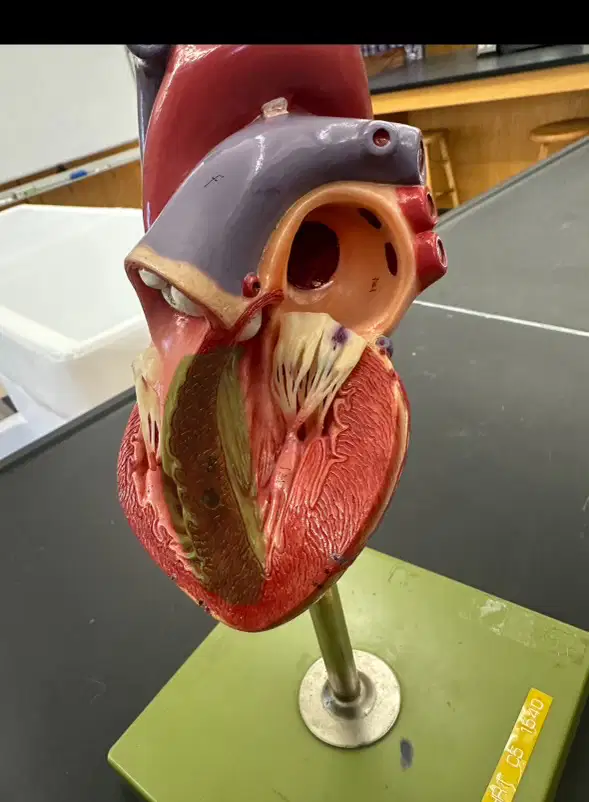
What is the highlighted area in the picture?(its the dooky green highlight) click on picture to enlarge
Interventricular septum
Fossa Ovalis
Superior Vena Cava
Ventricles
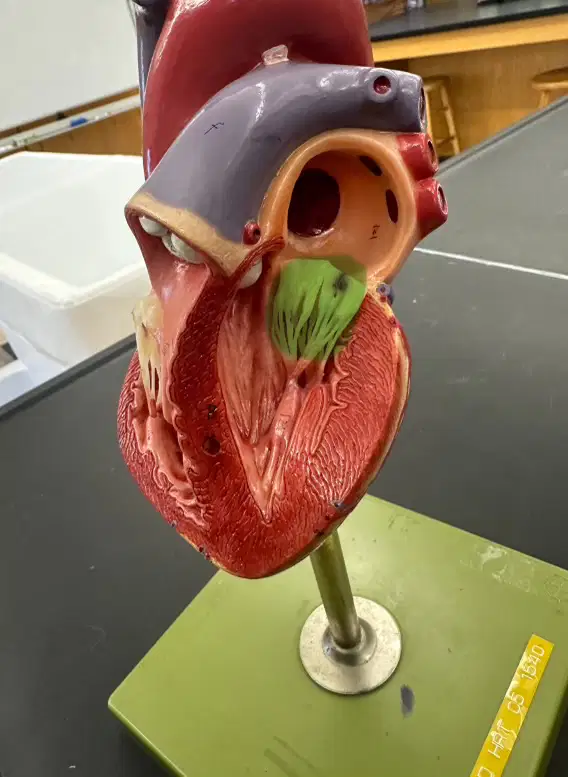
What is the highlighted area in the picture?(its the dooky green highlight) click on picture to enlarge
Bicuspid Valve
Ventricles
Tricuspid valve
Atria
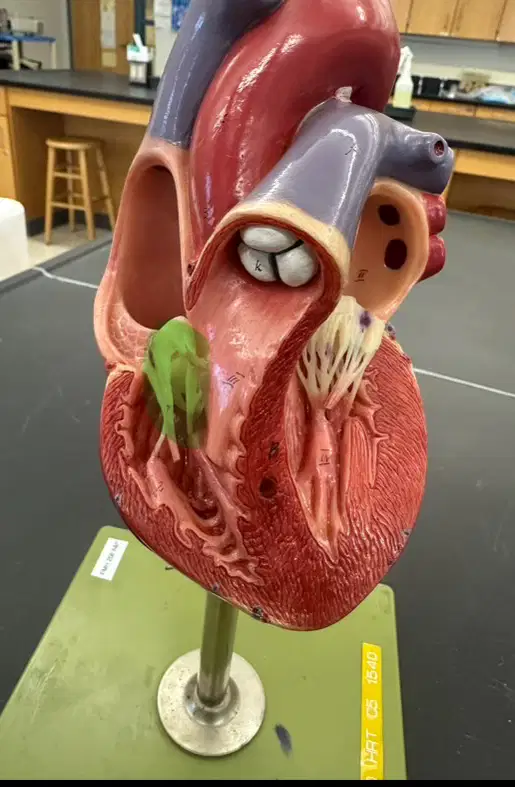
What is the highlighted area in the picture?(its the dooky green highlight) click on picture to enlarge
Tricuspid Valve
Bicuspid Valve
Ventricles
Atria
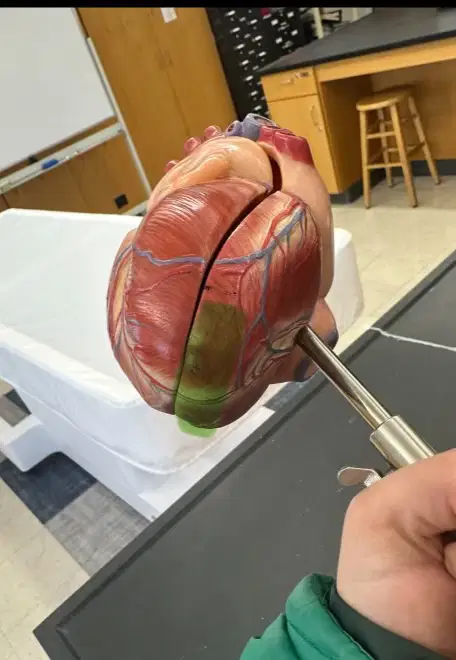
What is the highlighted area in the picture?(its the dooky green highlight) click on picture to enlarge
Apex
Coronary Sulcus
Ligamentum Arteriosum
Atria
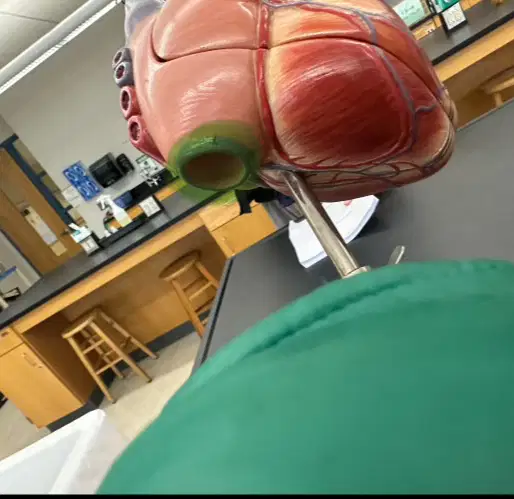
What is the highlighted area in the picture?(its the dooky green highlight) click on picture to enlarge
Inferior Vena Cava
Superior Vena Cava
Apex
Fossa Ovalis
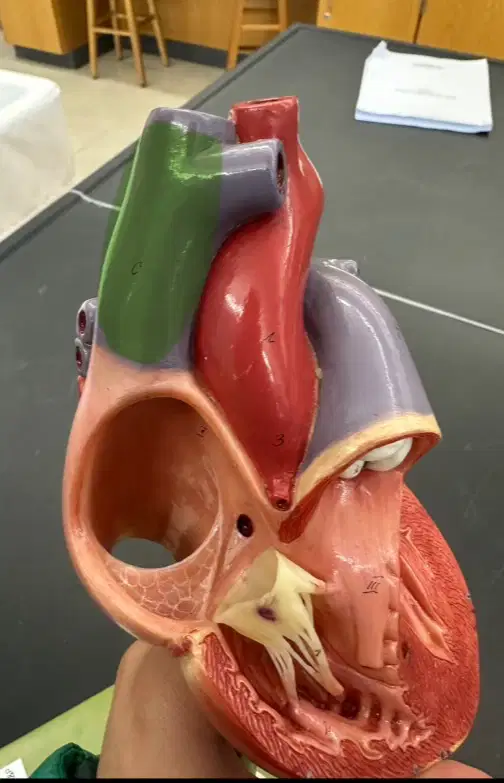
What is the highlighted area in the picture?(its the dooky green highlight) click on picture to enlarge
Superior Vena Cava
Inferior Vena Cava
Coronary Sulcus
Fossa Ovalis
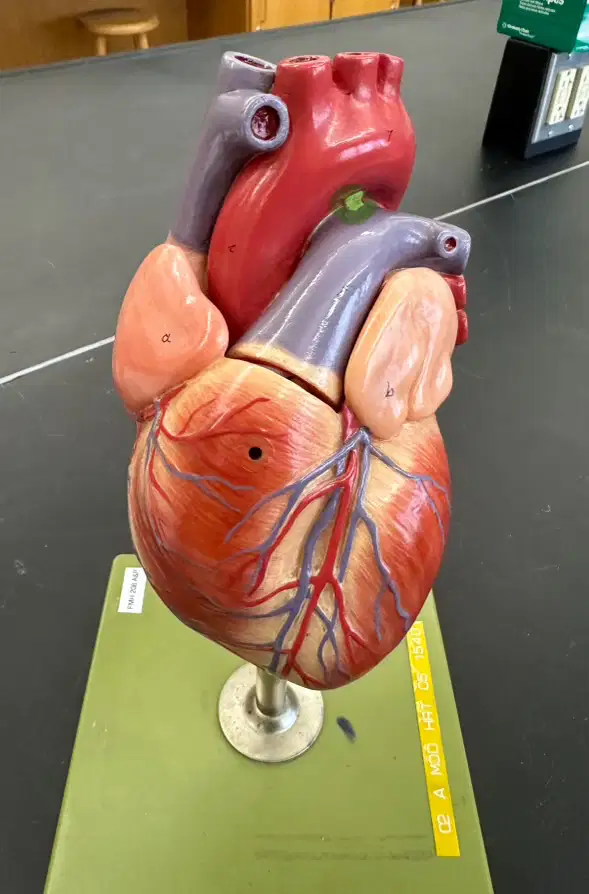
What is the highlighted area in the picture?(its the dooky green highlight) click on picture to enlarge
Ligamentum Arteriosum
Apex
Atria
Coronary sulcus
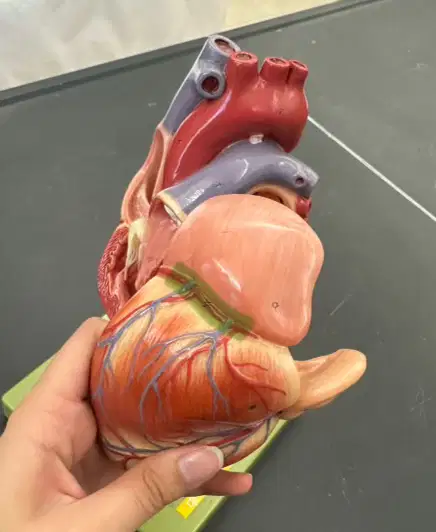
What is the highlighted area in the picture?(its the dooky green highlight) click on picture to enlarge
Coronary Sulcus
Apex
Posterior Interventricular sulcus
Anterior Interventricular sulcus
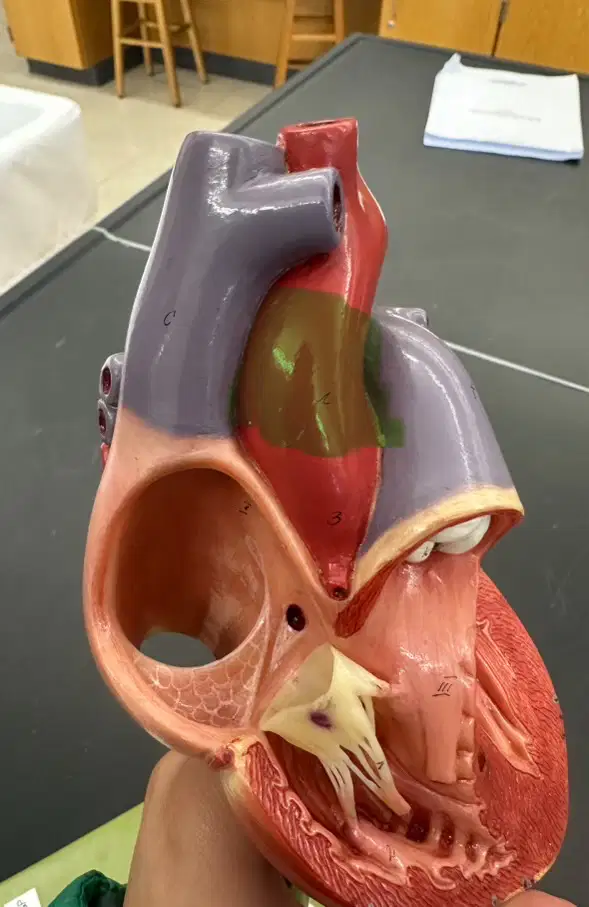
What is the highlighted area in the picture?(its the dooky green highlight) click on picture to enlarge
Ascending Aorta
Aortic Arch
Coronary Arteries
Brachiocephalic trunk
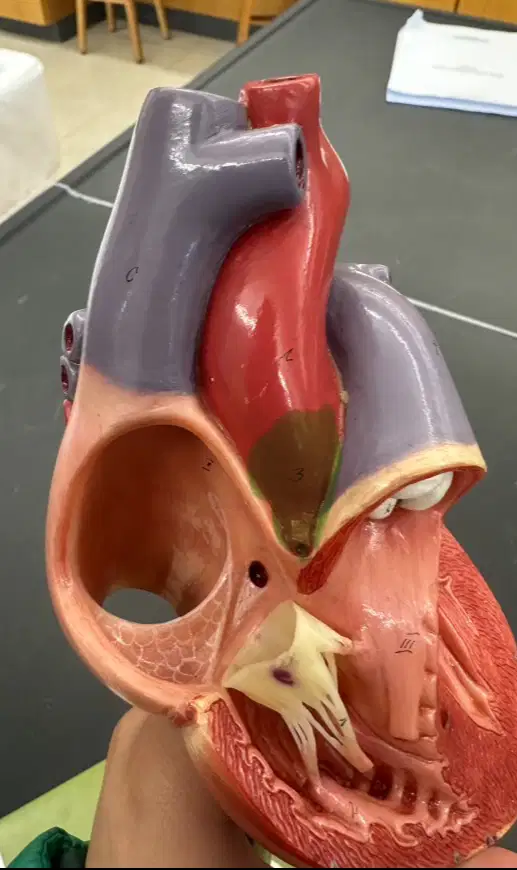
What is the highlighted area in the picture?(its the dooky green highlight) click on picture to enlarge
Ascending Aorta
Right Coronary artery
Aortic arch
Brachiocephalic trunk
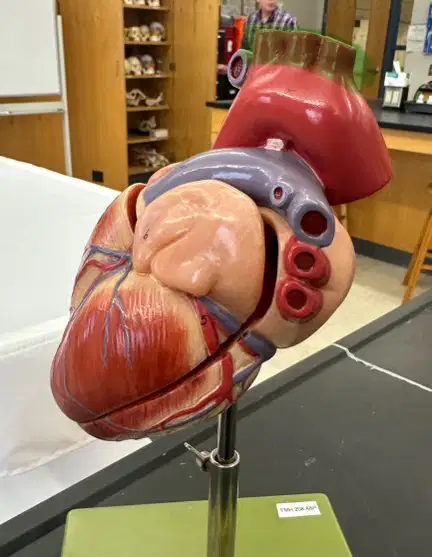
What is the highlighted area in the picture?(its the dooky green highlight) click on picture to enlarge
Brachiocephalic trunk
Ascending Aorta
Apex
Pulmonary Veins

